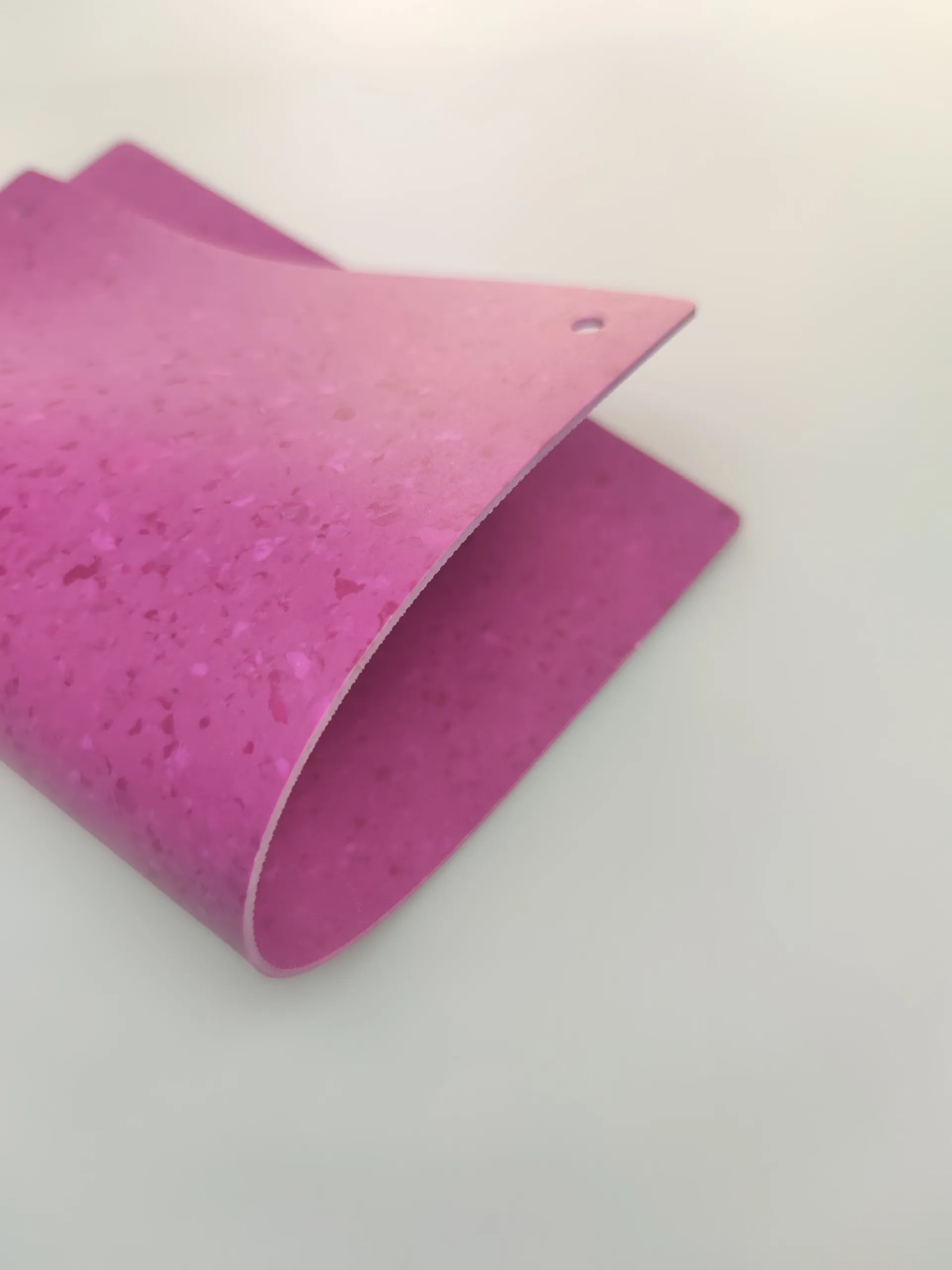
The economic landscape of Equatorial Guinea, characterized by rapid urban development in Malabo and Bata, creates a specific demand for building materials that can resist extreme humidity and temperature fluctuations. Conventional flooring often fails due to moisture ingress, making spc flooring a critical choice for local developers. This stone-plastic composite technology ensures that floors remain dimensionally stable even in coastal regions where salt air and high moisture are prevalent.
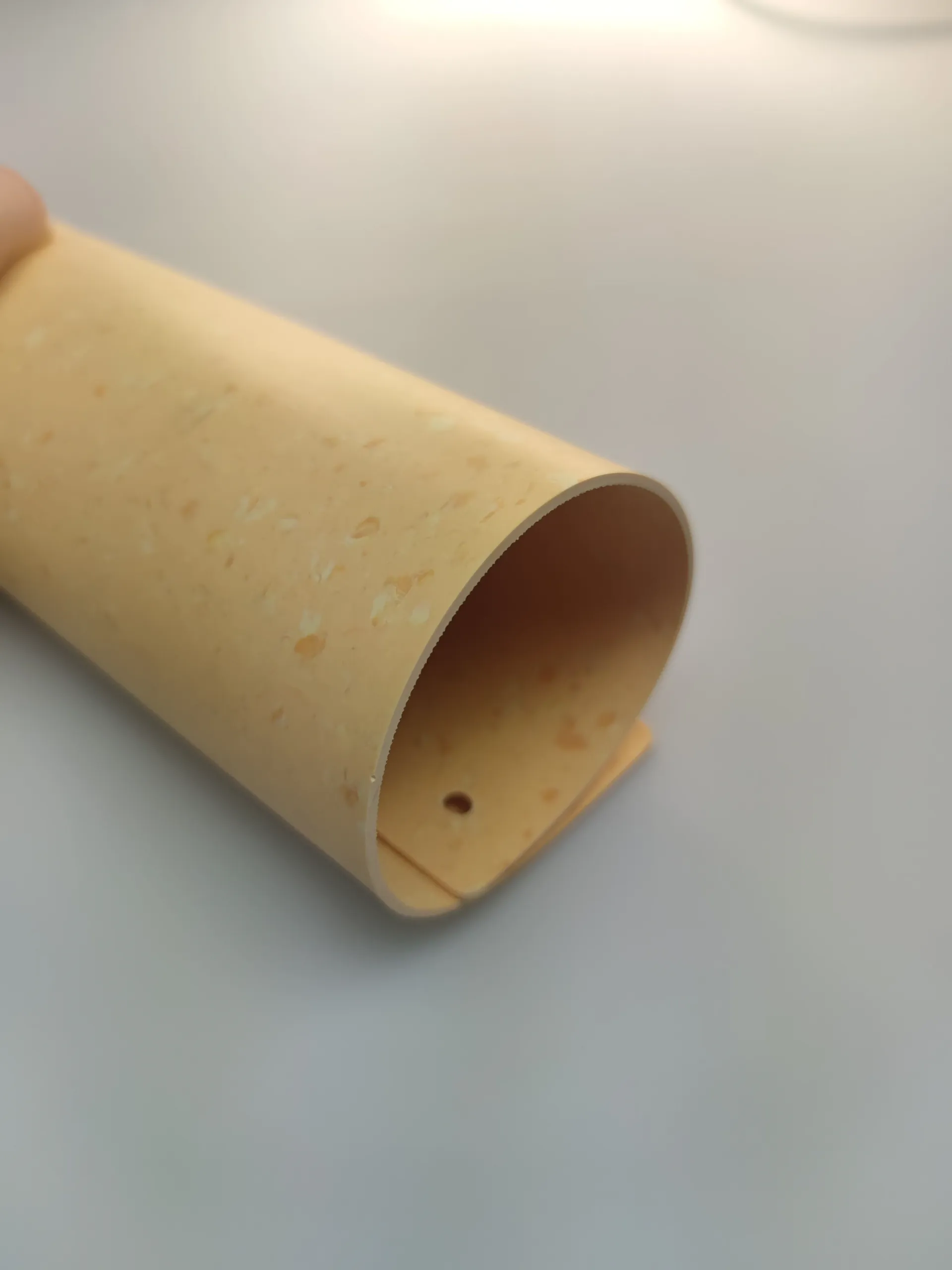
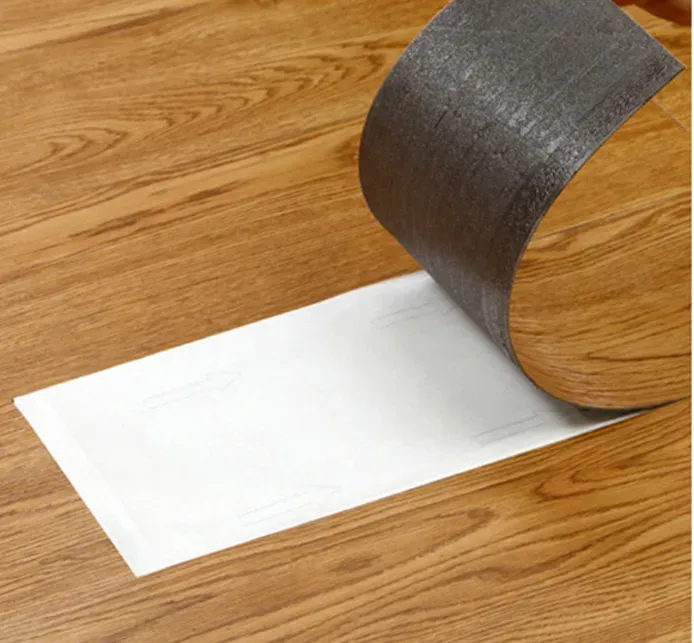
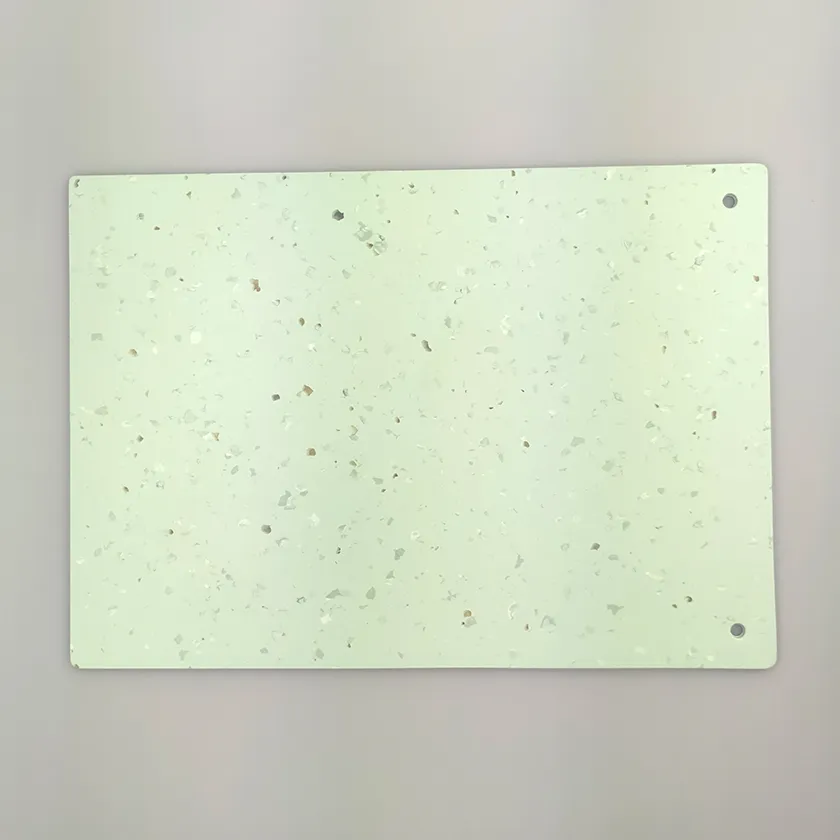
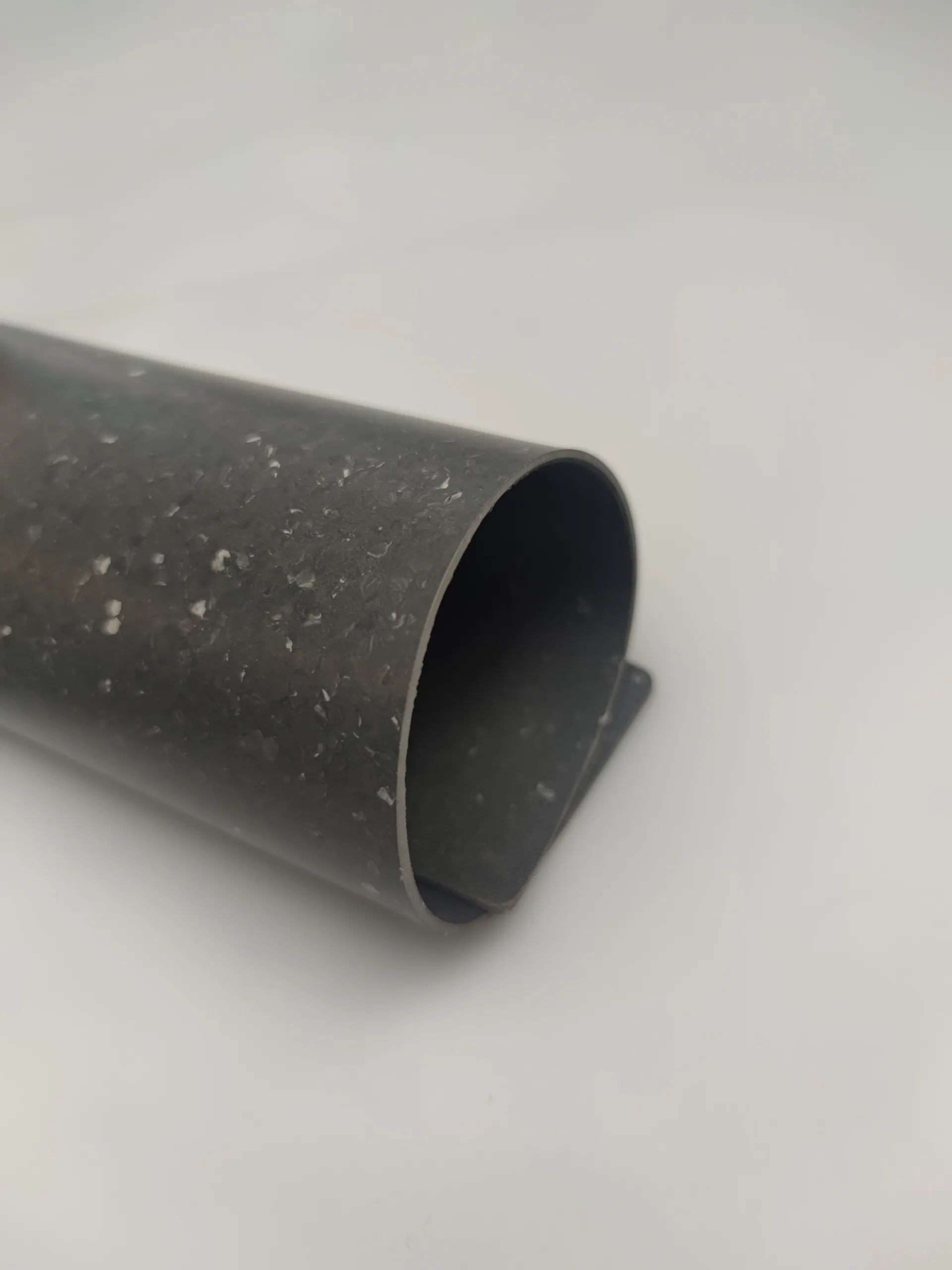
From a commercial perspective, the increase in healthcare and educational facilities necessitates materials that prioritize hygiene and rapid deployment. The adoption of residential vinyl sheet flooring has grown significantly because it offers a seamless, antibacterial surface that is easy to sanitize. For high-traffic public areas, the industry is shifting toward modular systems that reduce downtime during installation and replacement, ensuring that essential services remain operational.
Furthermore, the local market is increasingly prioritizing sustainability and circular economy principles. Procurement decisions are moving away from high-emission adhesives toward mechanical locking systems. By integrating materials with reduced formaldehyde and increased recycled content, businesses in Equatorial Guinea can align their infrastructure projects with global environmental standards while lowering long-term maintenance costs in challenging tropical environments.