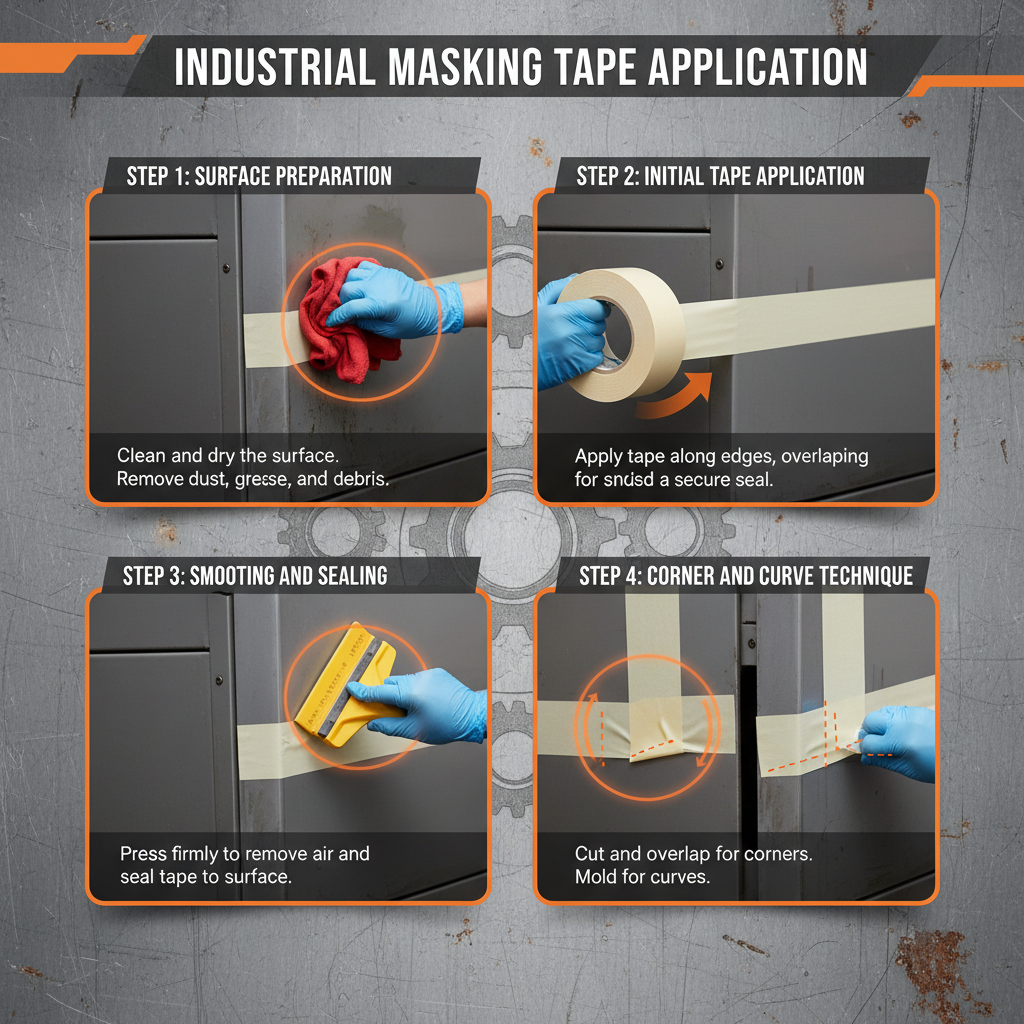
In the precision-driven world of interior finishing and industrial coatings, achieving a flawless edge is the difference between a professional installation and an amateur one. The use of wide masking tape for painting has become a cornerstone for contractors and DIY enthusiasts alike, providing a robust barrier that ensures clean lines and protects expensive flooring materials from accidental splatters.
Globally, the demand for high-performance masking solutions is surging as the commercial flooring industry shifts toward more complex, multi-toned designs and high-traffic vinyl installations. Whether it is protecting a newly laid SPC floor during wall painting or creating sharp geometric patterns on a warehouse floor, the right width and adhesive quality of the tape are critical to operational efficiency.
Understanding the technical nuances of these tapes—from their tensile strength to their residue-free removal—allows professionals to reduce waste and labor costs. By integrating a specialized wide masking tape for painting into their toolkit, installers can guarantee a level of precision that satisfies the strictest architectural standards and ISO quality benchmarks.
Global Industry Context of Wide Masking Tape for Painting
The global construction and renovation market has seen a significant increase in the adoption of specialized masking tools. According to industrial trends aligned with ISO standards for adhesive products, the precision of edge-masking directly correlates with the reduction of material waste. In large-scale commercial projects, the deployment of wide masking tape for painting prevents the costly need for floor re-polishing or tile replacement due to paint seepage.
Across North America and Europe, the challenge has shifted from simple coverage to "clean-release" technology. Contractors often struggle with tapes that either leak paint or leave stubborn adhesive residue on high-end LVT or SPC flooring. This has created a critical need for wide-format tapes that provide a larger surface area for stability while maintaining a chemical balance that protects the underlying substrate.
Technical Definition and Industrial Meaning
At its core, wide masking tape for painting is a pressure-sensitive adhesive (PSA) product, typically composed of a crepe paper or synthetic film backing coated with a rubber-based adhesive. Unlike standard narrow tapes, the "wide" specification is designed specifically to cover larger gaps, protect wider baseboards, and create broad boundaries that cannot be achieved with standard 1-inch rolls.
In the context of the plastics and non-metallic mineral products industry, this tape represents a marriage of polymer science and practical utility. It is engineered to withstand the tension of being stretched across uneven surfaces while ensuring that the bond is strong enough to resist paint "bleed" but weak enough to be removed without lifting the paint film or damaging the flooring.
Beyond mere utility, these tapes serve a humanitarian and economic purpose by lowering the barrier to professional-grade renovations. By providing a foolproof way to protect surfaces, they enable smaller firms and independent contractors to deliver high-quality results in remote industrial zones or residential projects without needing expensive automated masking machinery.
Core Components and Quality Factors
The efficacy of wide masking tape for painting depends heavily on the quality of its backing material. High-grade crepe paper allows for flexibility and conforms to the curves of skirting boards or ornate moldings, ensuring a tight seal that prevents liquids from penetrating the boundary.
Adhesive stability is the second critical factor. A professional-grade wide masking tape for painting must maintain a consistent tack level across various temperatures. If the adhesive is too aggressive, it risks peeling the finish off a vinyl floor; if it is too weak, the paint will seep underneath, ruining the sharp line.
Finally, tear-resistance and width consistency are paramount for scalability. In commercial flooring projects, where thousands of linear feet are used, a tape that tears prematurely or varies in width can lead to uneven protection and increased labor time, undermining the cost-efficiency of the entire project.
Performance Metrics for Professional Applications
When evaluating different brands of wide masking tape for painting, professionals look at specific KPIs: adhesion strength, UV resistance, and clean-removal ratings. These metrics ensure that the tape can stay in place for several days during a multi-stage painting process without curling at the edges.
For instance, in a commercial setting, the ability of a wide tape to resist solvent penetration from industrial primers is a key differentiator. By comparing various adhesive formulations, we can see a clear trend toward synthetic polymers that offer higher durability.
Comparative Efficiency of Wide Masking Tape for Painting Variations
Global Applications and Sector Use Cases
The application of wide masking tape for painting extends far beyond simple home painting. In the automotive industry, wide tapes are used to mask off entire panels to ensure that overspray does not contaminate adjacent surfaces. Similarly, in the aerospace sector, specialized heat-resistant wide tapes are essential for masking components that undergo high-temperature curing processes.
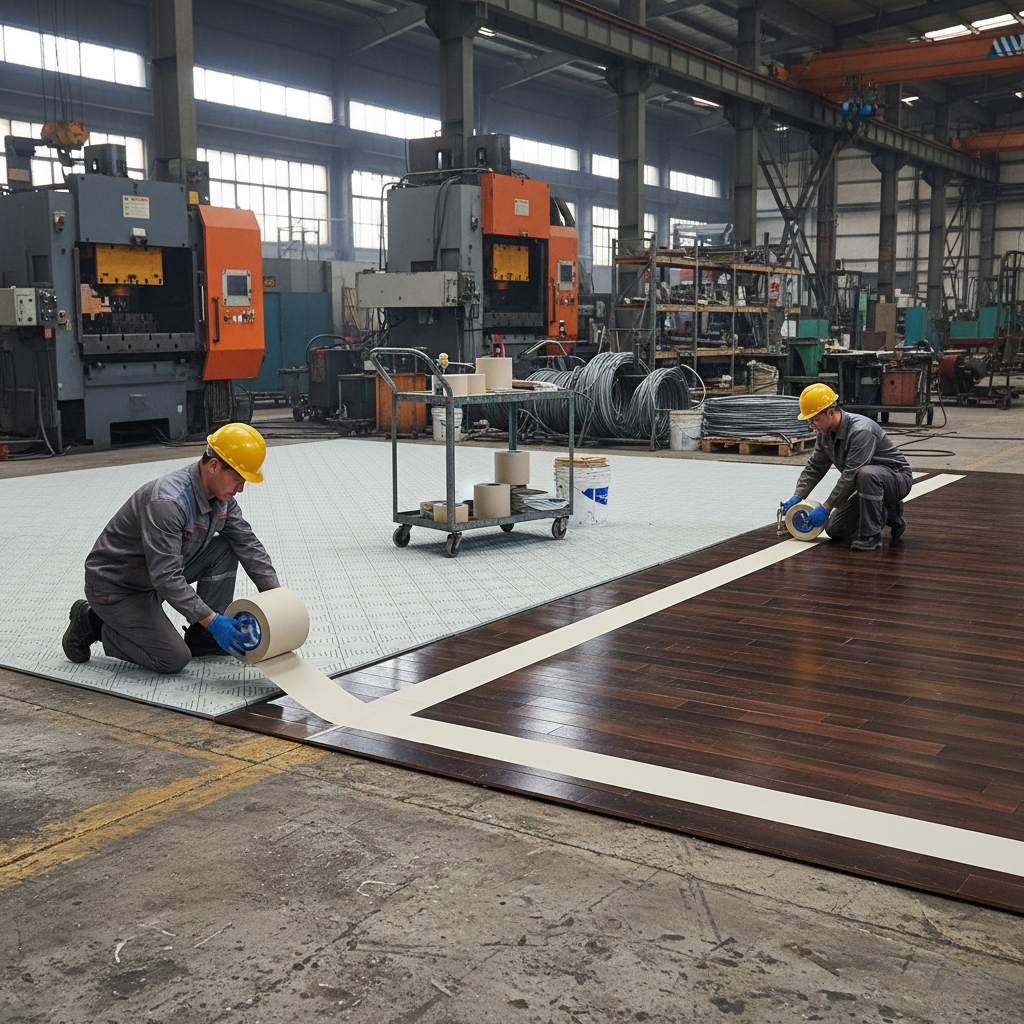
In the flooring sector, specifically for Homogeneous Vinyl and LVT installations, wide masking tape is used during the welding rod process to protect the perimeter from adhesive overflow. In remote industrial zones, such as oil rigs or mining facilities, the reliability of this tape ensures that protective coatings are applied with surgical precision, preventing corrosion in harsh environments.
Long-Term Value and Sustainability Benefits
Investing in premium wide masking tape for painting offers significant long-term economic value. While cheaper tapes may seem attractive, the hidden costs of residue removal—which often requires chemical solvents that can damage the floor's finish—far outweigh the initial savings.
From a sustainability perspective, the industry is moving toward biodegradable backings and water-based adhesives. This transition reduces the VOC (Volatile Organic Compound) emissions associated with tape production and disposal, aligning with global "Green Building" certifications and LEED standards.
Moreover, the emotional value for the end client is immense. A perfectly clean line between a wall and a floor conveys a sense of professionalism, trust, and attention to detail. This psychological impact enhances the perceived value of the entire renovation, fostering long-term client loyalty.
Future Innovations in Masking Technology
The future of wide masking tape for painting lies in "smart" adhesives. We are seeing the development of tapes with temperature-triggered release mechanisms, allowing the tape to lose its grip automatically once a certain temperature is reached during the drying process, thus eliminating the risk of peeling.
Digital transformation is also touching this analog product. Automation in the flooring industry is leading to the creation of tape-dispensing robots that can apply wide masking tape with micron-level accuracy across vast commercial spaces, drastically reducing manual labor.
Furthermore, the integration of nano-coatings on the tape's surface is making them completely impervious to new generations of high-penetration epoxy paints. This ensures that even the most aggressive industrial coatings cannot leak, maintaining the integrity of the boundary.
Technical Analysis of Masking Tape Material Performance
|
Material Type
|
Adhesion Strength (N/cm)
|
Residue Level (1-10)
|
Recommended Surface
|
| Standard Crepe |
4.5 |
3 |
Drywalls, Wood |
| Blue Painter's Wide |
3.2 |
1 |
Fresh Paint, PVC |
| Industrial Vinyl |
7.8 |
5 |
Concrete, Metal |
| Eco-Friendly Paper |
3.8 |
2 |
Residential Flooring |
| High-Temp Synthetic |
6.5 |
4 |
Automotive Panels |
| Ultra-Wide Masking |
5.0 |
2 |
LVT, SPC Flooring |
FAQS
Wide masking tape for painting provides a larger surface area, which significantly reduces the risk of paint seepage underneath the edges. It is far more efficient for protecting wide baseboards, large floor sections, and creating broad borders in commercial flooring projects, reducing the number of strips needed and ensuring a more consistent seal.
It depends on the quality of the adhesive. Professional-grade wide masking tape for painting is engineered for "clean removal," meaning it leaves no residue behind. We recommend choosing tapes specifically labeled for flooring use or performing a small patch test in an inconspicuous area to ensure the adhesive doesn't react with the floor's wear layer.
Most high-quality wide masking tapes are designed to be removed within 14 to 30 days. However, for the cleanest line, it is best to remove the tape while the paint is still slightly tacky or immediately after it has dried. Leaving tape on for several months can cause the adhesive to bond permanently to the surface, especially in high-UV areas.
Generally, no. Standard wide masking tape for painting requires a clean, dry surface to achieve a proper bond. Moisture acts as a contaminant that prevents the adhesive from sticking, which will almost certainly lead to paint bleed. Ensure the surface is thoroughly dried or use a specialized moisture-resistant industrial tape.
The secret is the angle and the speed. Pull the tape back on itself at a 45-degree angle slowly and steadily. If the paint has completely dried and feels brittle, using a utility knife to lightly score the edge of the tape can prevent it from lifting the paint film, ensuring a perfect professional edge.
Modern innovations have introduced eco-friendly wide masking tapes made from recycled paper and water-based, non-toxic adhesives. These versions reduce chemical runoff and are more biodegradable than traditional plastic-based tapes, making them a preferred choice for LEED-certified green building projects.
Conclusion
In summary, wide masking tape for painting is far more than a simple accessory; it is a critical tool for quality control in the modern construction and flooring industry. By balancing adhesive strength with ease of removal and providing extensive coverage, it eliminates the common pitfalls of paint seepage and surface damage, ensuring that high-value materials like LVT and SPC remain pristine.
As the industry moves toward smarter, more sustainable materials and automated application methods, the role of precision masking will only grow. We encourage contractors and designers to prioritize high-performance, residue-free tapes to safeguard their work and enhance their professional reputation. Visit our website for more professional flooring accessories: www.enliofloor.com