
Choosing Dry Back LVT Flooring: Application Fit and Specification Checks
THE BUYER'S GUIDE / SELECTION
Choosing Dry Back LVT Flooring: Application Fit and Specification Checks
A buyer-focused guide to deciding when dry back LVT flooring fits a project. It covers glue-down installation, large-scale commercial applications, the properties described in Hebei Enlio Sports Goods Co.,Ltd product materials, how dry back compares with loose lay, self-adhesive and click LVT, and which details buyers should confirm in writing before ordering.

Project scale and type: dry back LVT is described for large-scale commercial paving such as schools, offices, shopping malls, exhibition halls, bookstores and hospitals
Installation method: glue-down with a specialized adhesive; confirm that the project can accept adhesive installation and get installation guidance
Safety properties: described as anti-slip and flame retardant; request documentation that meets local project requirements
Environmental suitability: described as moisture and pest resistant
Comfort: described as highly elastic to reduce fatigue in high-traffic areas
Maintenance: low maintenance with regular sweeping and occasional mopping, no special chemical treatments
Appearance: decorative layer imitating hardwood, stone and ceramic tile
Structure and thickness: general LVT layer structure with a typical 2mm to 5mm thickness range; confirm exact values for the quoted product
Alternatives: loose lay (no glue, needs a flat floor), self-adhesive (small-unit spaces) and click LVT (click-lock, no adhesive)
Dry back LVT flooring is a glue-down type of luxury vinyl tile. It is one of four LVT installation types described in the product materials from Hebei Enlio Sports Goods Co.,Ltd. For distributors, contractors and procurement teams, the first question is not which design to pick. It is whether a glue-down system suits the project at all. This guide sets out the selection criteria the confirmed product information supports, and the points you should confirm with the supplier before you order.
1. Start with the project: is it a large-scale installation?
The product materials describe Dry Back LVT as a glue-down solution "specifically designed for large-scale applications." The listed settings are schools, corporate offices, shopping malls, exhibition halls and bookstores, and the product's parameter table also lists hospitals as an ideal location.
Good fit: commercial or public projects with large continuous floor areas and steady foot traffic, where you need the floor to stay fixed in place.
Check carefully if: the project is a small room, a home renovation or a quick refurbishment. For spaces with small units, the same source points to self-adhesive LVT. For projects that cannot use glue, it points to loose lay or click LVT (see section 4).
2. Confirm that glue-down installation is acceptable
Dry back flooring needs adhesive. According to the product description, it uses a specialized adhesive to secure the tiles to the subfloor. The listed benefit is stability: the glue-down method keeps the flooring secure for large commercial installations.
Before choosing dry back LVT flooring, confirm the following:
- The site schedule and contractor can handle a glue-down installation.
- Which adhesive the supplier recommends or requires, and whether you or the supplier will source it.
- What installation guidance is available. The product page mentions technical guidance for glue-down application in commercial settings, so ask what form that guidance takes for your project.
3. Match the stated properties to your requirements
The product materials describe these properties for Dry Back LVT:
| Selection point | What the product materials state | What to confirm for your project |
|---|---|---|
| Installation method | Glue-down (dry back) | Adhesive type and installation guidance |
| Primary application | Commercial and large-scale paving | That your space matches this profile |
| Safety | Anti-slip and flame retardant | Test reports or documentation required by your local code or tender |
| Environment | Moisture and pest resistant | Conditions at your site, such as humidity or exposure to spills |
| Comfort | High elasticity that reduces fatigue | Whether underfoot comfort is a priority (e.g. offices, retail staff areas) |
| Maintenance | Low: regular sweeping and occasional mopping, no special chemical treatments | Your facility's cleaning routines |
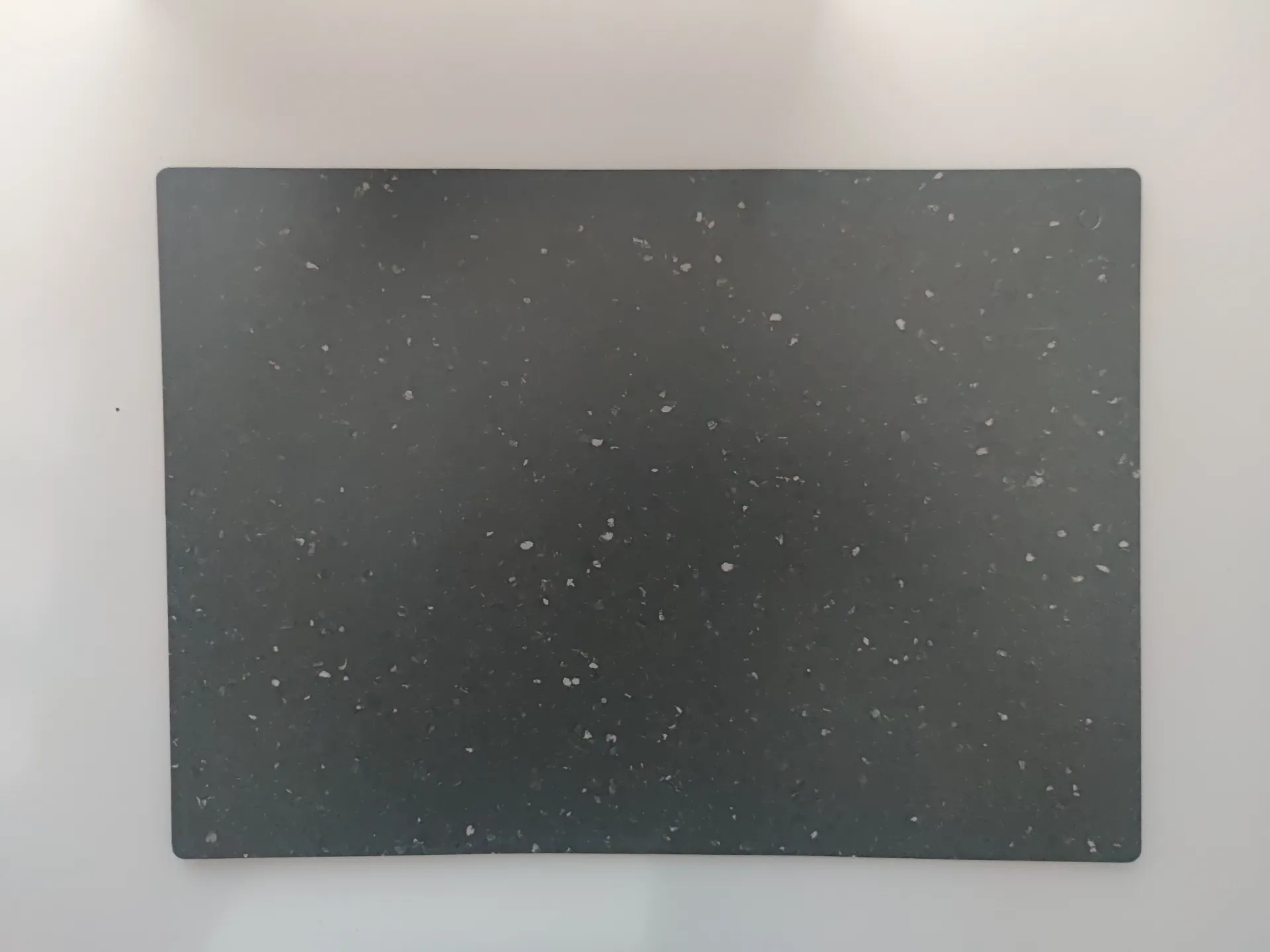
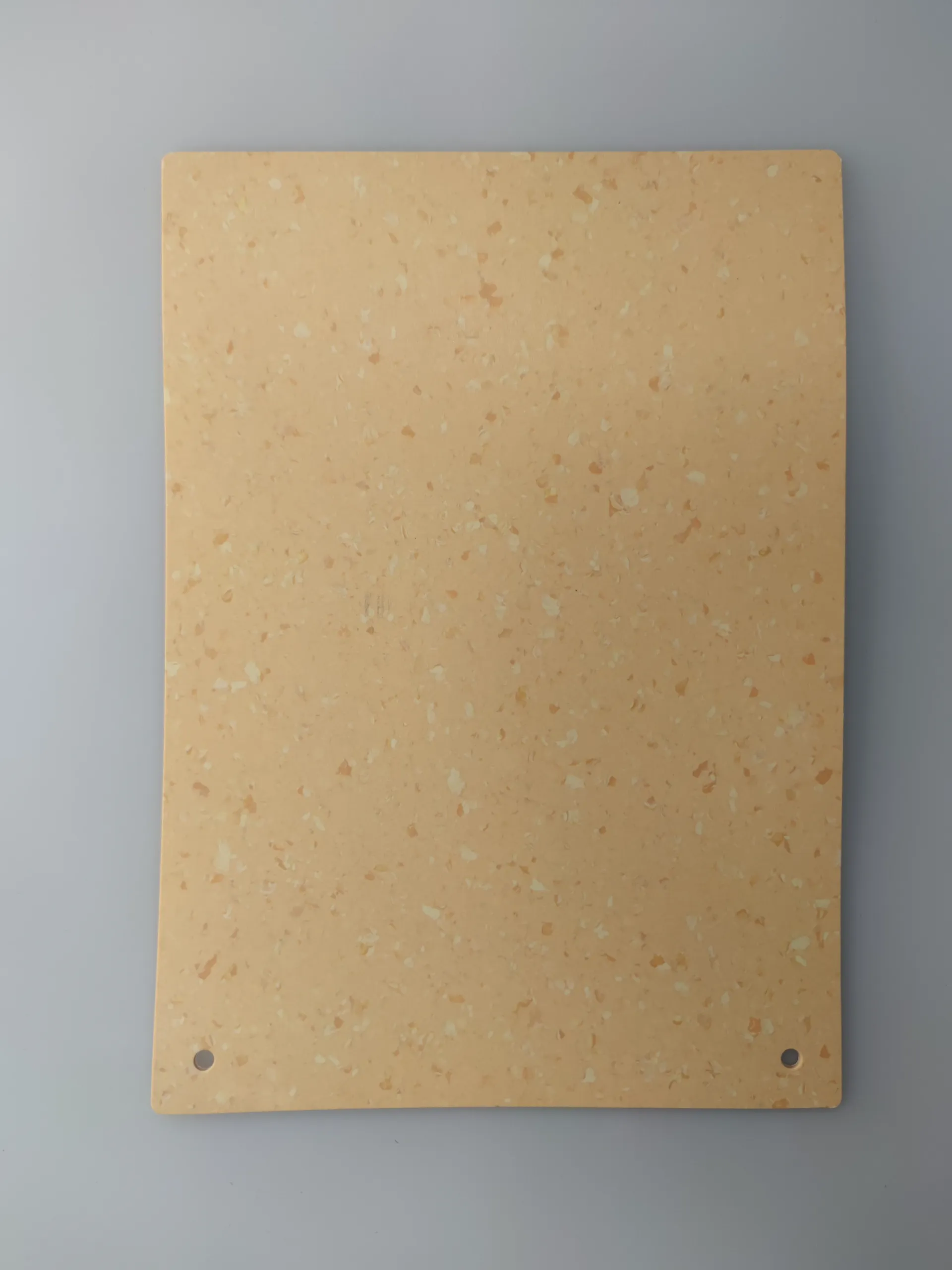
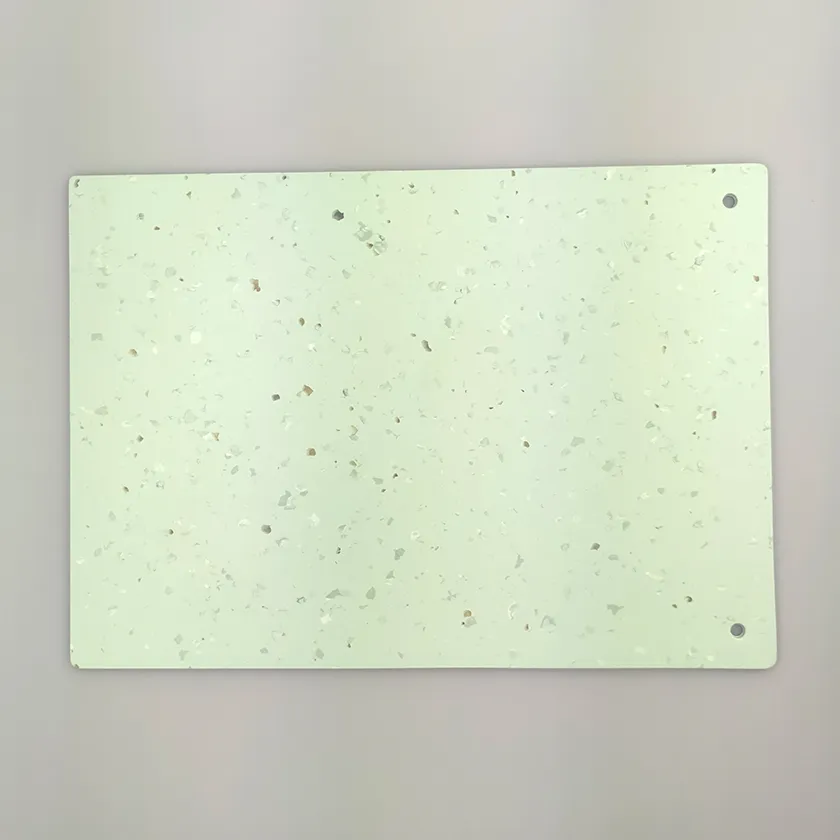
| Appearance | Decorative layer imitating hardwood, stone and ceramic tile | Available designs and samples |
| Core material | Luxury vinyl (LVT) | Full layer structure and wear layer details |
The general LVT description gives the structure as a bottom stability layer, a middle resilience layer, a decorative layer and a wear-resistant layer. It says LVT thickness typically ranges from 2mm to 5mm. That is a general range for LVT flooring, not a confirmed specification for a particular dry back SKU. Ask for the exact thickness and wear layer value of the product you are quoting.
4. Compare dry back with other LVT installation types
The product materials describe four types of LVT flooring. Use this list to check that dry back is the right choice:
- Dry back LVT: needs glue. Suited to large-scale paving such as schools, offices, shopping malls, exhibition halls and bookstores.
- Loose lay LVT: no glue, but needs a very flat floor. Described as suitable for high-end decorative spaces such as villas, clubs and bars.
- Self-adhesive LVT: for spaces with small units, such as home renovations, older houses, dormitories, offices and commercial stores.
- Click LVT: uses a click-lock mechanism to join planks without adhesive.
When dry back is not the recommendation: if the project cannot use adhesive, choose a glueless option such as loose lay or click LVT. If it is a small-unit renovation, self-adhesive LVT may suit it better. Base the final choice on each product's confirmed documentation.
5. Know what this guide does not cover
Buyers in the United States, the Middle East, Europe or Southeast Asia should ask for documentation that matches their local building, fire and slip-resistance requirements. When you compare LVT flooring manufacturers, ask each one for the same set of documents so you can compare like with like.
Buyer checklist for dry back LVT flooring
- The project is a large-scale or commercial installation suited to glue-down flooring.
- Adhesive and installation guidance are confirmed with the supplier.
- Exact thickness, wear layer and layer structure are confirmed for the quoted product.
- Anti-slip and flame retardant claims are backed by the documents your project requires.
- Moisture, pest resistance and maintenance expectations match site conditions.
- Designs (hardwood, stone or ceramic looks) are checked with samples.
- Price, lead time and certifications are confirmed in writing. None are assumed.
If your project matches these criteria, dry back LVT flooring is a reasonable option to shortlist. Send your floor area, application and documentation requirements to Hebei Enlio Sports Goods Co.,Ltd to request the product-specific details listed above.
THE PEOPLE

About the author
THE COMPANY
Hebei Enlio Sports Goods Co.,Ltd
Enlio is one of the first batch of manufacturers to introduce the international advanced vinyl flooring production line in the year 2007. Create, manufacture, and market innovative, decorative and sustainable flooring solutions. Product covers SPC, Homogeneous Floor, WPC, LVT, Wall finishes. We obtain CE, ISO9001, ISO14001, RoHS, Floorscore, NFT, etc. certifications.…
About Us ↗Visit company website ↗YOUR NEXT STEP
Bring your brief. Start a useful conversation.
Use case, specification, quantity and delivery window: make the next conversation specific.
-
Heterogeneous floor with Nebula surface: buyer questions answeredNov.02,2026
-
Floor Shop FAQ: Homogeneous Vinyl Flooring for Shops & Supermarkets — Materials, Dimensions and CareOct.28,2026
-
Choosing Wall Coverings with Wood Color Surface: Application Fit and Specification ChecksOct.24,2026
-
Choosing Wood material Skirting: Application Fit and Specification ChecksOct.24,2026
-
Choosing SPC Vinyl Flooring: Application Fit and Specification ChecksOct.24,2026