
Comprehensive Guide to Durable SPC Flooring for Commercial Applications
SPC Flooring for Commercial Applications: A Comprehensive Guide
When considering flooring options for commercial spaces, durability, cost-effectiveness, and aesthetics are paramount. SPC flooring (Stone Polymer Composite) has emerged as a leading solution, offering a compelling combination of these qualities. This article will provide an in-depth look at SPC flooring for commercial use, covering its benefits, applications, installation, and maintenance. Understanding the nuances of commercial SPC flooring is key to making an informed decision for your business.
What is SPC Flooring and Why Choose it for Commercial Spaces?
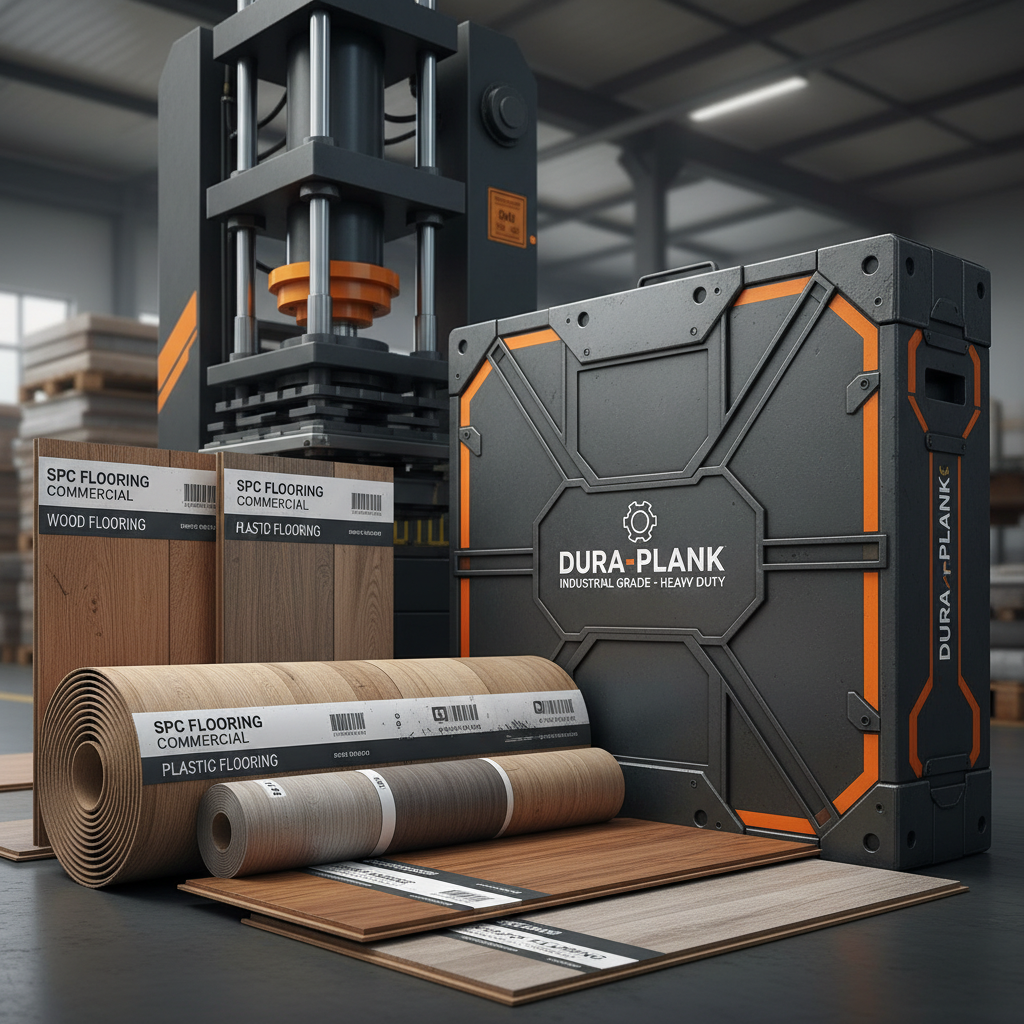
SPC flooring is a multi-layer flooring product made of a rigid core – typically composed of calcium carbonate, polyvinyl chloride (PVC), and stabilizers – topped with a decorative photographic layer and a protective wear layer. The rigid core provides exceptional stability and resistance to dents, scratches, and water. This makes it an ideal choice for high-traffic commercial environments like retail stores, offices, healthcare facilities, and educational institutions. Compared to traditional vinyl flooring, SPC offers superior dimensional stability, meaning it’s less likely to expand or contract with temperature and humidity changes. Enlio offers a wide range of SPC flooring options specifically engineered for the demands of commercial use.
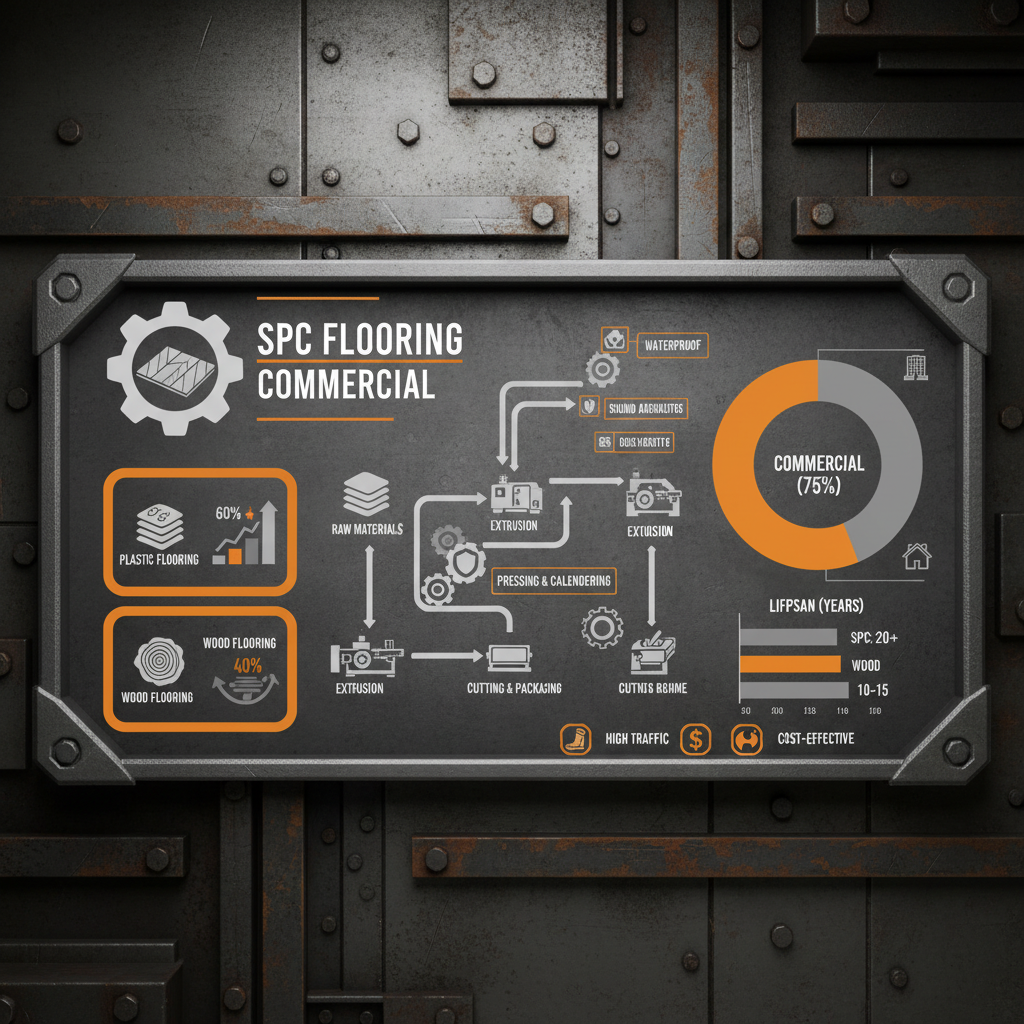
Key Benefits: Exceptional durability, water resistance, dimensional stability, realistic aesthetics, ease of maintenance, and cost-effectiveness.
SPC Flooring: Commercial Applications and Suitability
The versatility of SPC flooring makes it suitable for a broad spectrum of commercial applications. Retail spaces benefit from its high foot traffic resistance and attractive designs. Offices appreciate its quiet underfoot and professional appearance. Healthcare facilities require flooring that's hygienic, easy to clean, and durable – SPC excels in these areas. Schools and universities find SPC a budget-friendly and long-lasting solution for classrooms, hallways, and common areas. Even hospitality settings, like hotels and restaurants, can benefit from the style and resilience of SPC flooring.
Ideal Commercial Applications:
• Retail Stores
• Office Buildings
• Healthcare Facilities (Hospitals, Clinics)
• Educational Institutions (Schools, Universities)
• Hospitality (Hotels, Restaurants)
SPC Flooring vs. Other Commercial Flooring Options: A Comparative Analysis
When evaluating flooring options, it’s essential to compare SPC to alternatives like laminate, luxury vinyl tile (LVT), hardwood, and ceramic tile. Laminate, while affordable, is susceptible to water damage and lacks the dimensional stability of SPC. LVT is a close competitor, but often lacks the rigidity and impact resistance of SPC’s core. Hardwood offers a premium aesthetic but is expensive and requires significant maintenance. Ceramic tile is extremely durable but can be cold and unforgiving underfoot. SPC offers a compelling balance of these features, making it a cost-effective and practical solution for many commercial environments.
Installation and Maintenance of Commercial SPC Flooring
SPC flooring is renowned for its easy installation, often employing a click-lock system that minimizes the need for adhesives. This reduces installation time and costs. Maintenance is equally straightforward: regular sweeping and damp mopping with a mild detergent are typically sufficient. Avoid abrasive cleaners, as these can damage the wear layer. Enlio's SPC flooring is designed for long-term performance with minimal upkeep, contributing to lower lifecycle costs.
Conclusion: Choosing the Right SPC Flooring for Your Business
SPC flooring presents a compelling flooring solution for commercial spaces, offering a unique combination of durability, aesthetics, and cost-effectiveness. By considering your specific needs and choosing a reputable supplier like Enlio, you can ensure a long-lasting and visually appealing flooring investment that enhances your business environment.
Frequently Asked Questions (FAQs)
What is the wear layer of SPC flooring, and why is it important?
The wear layer is a transparent protective coating applied to the surface of SPC flooring. It determines the flooring’s resistance to scratches, stains, and scuffs. For commercial applications, a thicker wear layer (12mil or higher) is recommended to withstand heavy foot traffic and maintain the flooring’s appearance over time. The wear layer is crucial for the longevity and aesthetic appeal of SPC flooring in high-use environments.
Is SPC flooring suitable for areas with high humidity?
Yes, SPC flooring is highly resistant to moisture and humidity, making it a suitable choice for bathrooms, kitchens, and basements. Its waterproof core prevents water from penetrating the flooring and causing warping or mold growth. However, it's important to address any underlying moisture issues before installation to ensure optimal performance.
Can SPC flooring be installed over existing flooring?
In many cases, SPC flooring can be installed over existing flooring, such as vinyl, tile, or concrete, provided the existing surface is clean, level, and dry. However, it’s crucial to remove any loose or damaged flooring and address any irregularities in the subfloor. A suitable underlayment may be required to provide cushioning and sound insulation. Always consult the manufacturer's instructions for specific recommendations.
What are the benefits of choosing SPC flooring with a click-lock installation system?
A click-lock installation system simplifies the installation process, eliminating the need for messy adhesives. This reduces installation time, labor costs, and potential VOC emissions. The floating installation method allows for expansion and contraction of the flooring, making it more stable and durable. It also allows for easier access to the subfloor for repairs or maintenance.
-
Ultimate Guide to Durable and Modern spc flooring greyApr.16,2026
-
Installing SPC Flooring on Concrete Professional Installation GuideApr.09,2026
-
SPC Flooring Click Installation Benefits and Comprehensive GuideApr.04,2026
-
Comprehensive Guide to SPC Flooring Durability Style and InstallationMar.31,2026
-
Exploring the Diverse Types of SPC Flooring for Your Next ProjectMar.28,2026