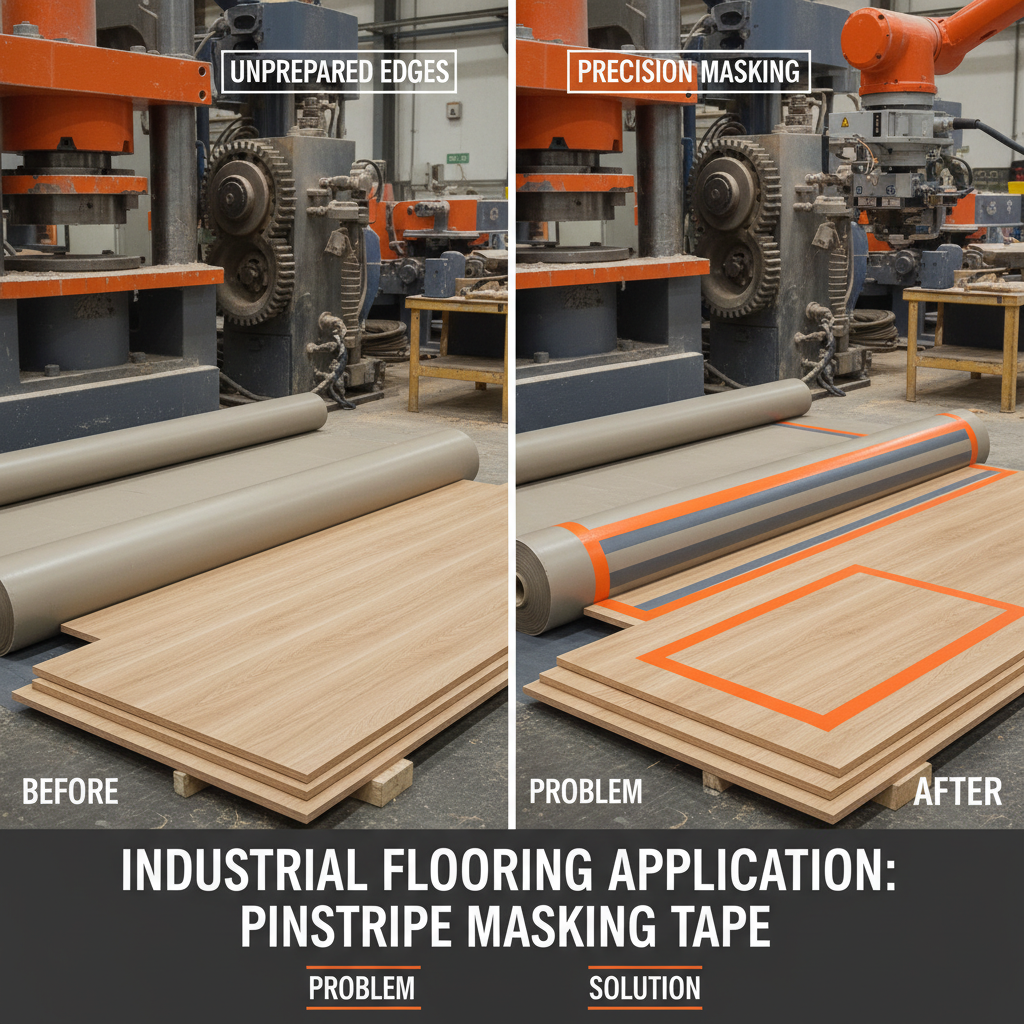
Masking tape for painting is an indispensable tool in a multitude of applications, ranging from professional construction and automotive refinishing to everyday DIY projects. Its ability to create clean, crisp lines and protect surfaces from unwanted paint or other coatings makes it a staple in both residential and commercial settings. The global demand for masking tape reflects the widespread need for precise and efficient surface protection during painting and related processes, influencing industries worldwide.
The masking tape market is a significant segment within the broader adhesive tape industry, experiencing steady growth driven by construction activity, increasing automotive production, and a rising trend towards home improvement projects. According to industry reports, the global adhesive tapes market was valued at over USD 60 billion in 2022, with masking tape representing a considerable portion of this figure. This demand is particularly pronounced in rapidly developing economies where infrastructure projects are booming.
Addressing the challenge of achieving professional-looking paint jobs quickly and efficiently, masking tape for painting offers a simple yet effective solution. Traditional painting methods can be time-consuming and messy, often resulting in imprecise lines and unwanted paint coverage. High-quality masking tape mitigates these issues, enabling users of all skill levels to achieve professional results.
The Significance of Masking Tape for Painting
The importance of masking tape for painting extends beyond simply preventing paint from reaching unwanted areas. It is a fundamental component in ensuring the quality and longevity of painted surfaces. A properly applied masking tape allows for sharp, clean lines, improving the aesthetic appeal of a project and reducing the need for costly rework. Investing in quality masking tape for painting can significantly impact the overall outcome and efficiency of any painting task.
Moreover, the selection of the correct masking tape is crucial. Different paints, surfaces, and environmental conditions necessitate specific tape formulations. Factors like adhesion strength, temperature resistance, and removal characteristics must be considered to avoid damage to the underlying surface and achieve optimal results.
Understanding Masking Tape for Painting: A Global Perspective
Globally, the demand for masking tape for painting is inextricably linked to the construction, automotive, and DIY sectors. In developed nations, a robust construction industry fuels consistent demand for professional-grade masking solutions. Simultaneously, the automotive industry relies heavily on masking tape during refinishing and painting processes, driving innovation in high-temperature and chemical-resistant formulations.
Emerging economies, experiencing rapid urbanization and infrastructure development, present significant growth opportunities for masking tape manufacturers. The increasing adoption of modern painting techniques and a rising disposable income amongst the population contribute to this expansion. Furthermore, the standardization of building codes and quality control measures in these regions often necessitates the use of reliable masking solutions.
The United Nations Industrial Development Organization (UNIDO) emphasizes the importance of efficient construction practices for sustainable development. Using high-quality masking tape can contribute to waste reduction by minimizing paint overspray and rework, aligning with broader sustainability goals.
Defining Masking Tape for Painting and its Industrial Relevance
Masking tape for painting is a pressure-sensitive adhesive tape used to create sharp, clean lines during painting applications. It’s typically made of a paper, crepe paper, or cloth backing coated with an adhesive that allows for temporary adhesion and clean removal without damaging the underlying surface. The adhesive is specifically formulated to balance adhesion strength with ease of removal, preventing peeling during painting and residue upon removal.
Its relevance to modern industry extends beyond simple aesthetic applications. In automotive manufacturing, for instance, specialized masking tape protects complex vehicle surfaces during priming and painting, ensuring high-quality finishes. In the aerospace industry, precise masking is critical for applying protective coatings and markings. The quality of masking tape is vital for meeting stringent industry standards and achieving durable, long-lasting results.
The evolution of masking tape technology reflects the growing demands of these industries. Innovations in adhesive formulations, backing materials, and coating techniques have resulted in tapes that can withstand extreme temperatures, resist chemicals, and conform to complex shapes. masking tape for painting is no longer a simple accessory but a critical component in complex manufacturing processes.
Key Characteristics of Effective Masking Tape for Painting
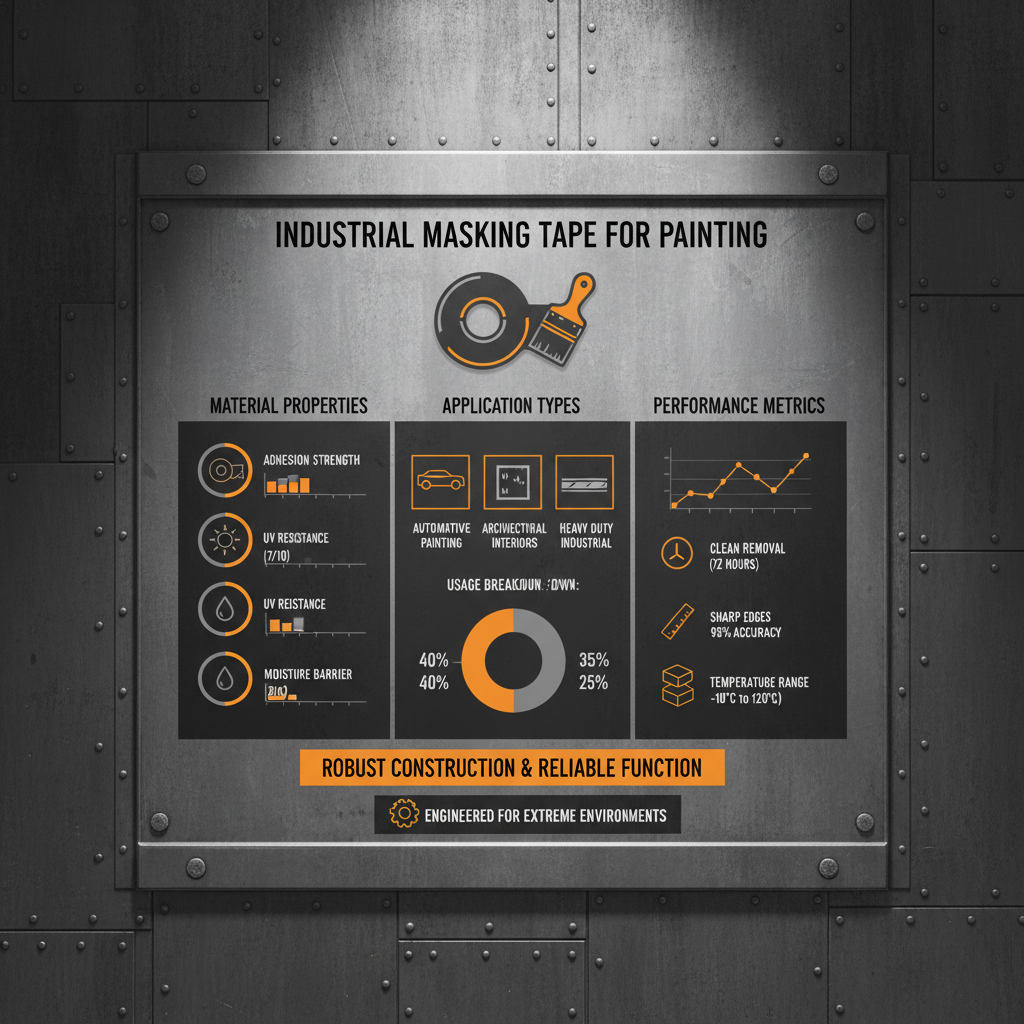
Several key characteristics define the effectiveness of masking tape for painting. Firstly, Adhesion is paramount, ensuring the tape remains securely in place throughout the painting process without lifting or peeling. Secondly, Clean Removal is crucial, preventing residue, paint bleed, and damage to the underlying surface.
Thirdly, Conformability allows the tape to adhere effectively to both flat and curved surfaces, even those with intricate details. Fourthly, Temperature Resistance is vital, especially in automotive and industrial applications where surfaces may be heated during painting or curing processes.
Masking Tape for Painting Performance Metrics
Global Applications and Diverse Use Cases
The applications of masking tape for painting are remarkably diverse. In the construction industry, it’s used for masking trim, windows, and doors during interior and exterior painting projects. Automotive repair shops utilize it for protecting vehicle surfaces during painting and bodywork. Aerospace engineers rely on it for precise masking during aircraft maintenance and coating applications.
Beyond these industrial sectors, masking tape for painting finds widespread use in DIY projects, art installations, and even furniture restoration. In post-disaster relief operations, it can be used for temporary repairs and marking. In remote industrial zones, its portability and ease of use make it an essential tool for field maintenance and painting tasks.
Advantages and Long-Term Value Proposition
The advantages of using quality masking tape for painting are substantial. Cost-effectiveness is a key benefit, as it minimizes rework and paint waste. Its ease of use saves time and labor costs, boosting project efficiency. Furthermore, the use of appropriate masking tape enhances the aesthetic quality of finished projects, increasing customer satisfaction and brand reputation.
The long-term value extends beyond immediate cost savings. By preventing damage to surfaces, it reduces the need for costly repairs and replacements. Its contribution to sustainable practices, through waste reduction, aligns with growing environmental concerns. Investing in reliable masking tape fosters trust and confidence in the quality of finished work, bolstering long-term business relationships.
Future Trends and Emerging Innovations
The future of masking tape for painting is poised for innovation. The development of eco-friendly, biodegradable masking tape alternatives is gaining traction, driven by increasing environmental awareness. Research into advanced adhesive formulations is yielding tapes with enhanced adhesion, temperature resistance, and UV protection.
Digital integration is also playing a role, with the potential for smart masking tape equipped with sensors to monitor application pressure and temperature, optimizing performance. Automation in manufacturing processes is driving demand for high-precision masking solutions. These innovations promise to further enhance the efficiency, sustainability, and performance of masking tape for painting.
The integration of nanotechnology in adhesive formulations represents a particularly promising avenue for future development, potentially leading to tapes with self-healing properties and enhanced conformability.
FAQS
For delicate surfaces like freshly painted walls or wallpaper, a low-tack crepe paper masking tape is recommended. This type of tape uses a gentler adhesive that minimizes the risk of peeling paint or damaging the surface when removed. It's crucial to test the tape in an inconspicuous area first to ensure compatibility.
To prevent paint bleed, ensure the tape is firmly adhered to the surface with even pressure, especially along the edges. Applying a thin layer of paint initially and letting it dry slightly before applying the main coat can also help create a barrier. Using a high-quality, conformable masking tape designed to minimize bleed is also key.
Yes, specialized high-temperature masking tape is designed specifically for applications like powder coating and baking finishes. These tapes use silicone or other heat-resistant adhesives that can withstand elevated temperatures without melting or leaving residue. It is vital to choose a tape rated for the specific temperature of your application.
The duration masking tape can remain on a surface varies depending on the tape type, surface material, and environmental conditions. Generally, it's best to remove masking tape within a few days to a week. Prolonged exposure to sunlight and temperature changes can cause the adhesive to bond more strongly, making removal difficult and potentially damaging.
While often used interchangeably, painter’s tape is generally a lower-tack version of masking tape specifically designed for use on delicate surfaces during painting. It's formulated to minimize paint bleed and residue. Masking tape typically has a stronger adhesive and is used for a wider range of applications, including sanding, bundling, and holding.
Reusing masking tape is generally not recommended. Once the adhesive has been compromised by removal, its ability to adhere effectively is significantly reduced. Attempting to reuse tape can result in poor performance, paint bleed, and an uneven finish. It's best to use fresh tape for each application to ensure optimal results.
Conclusion
In conclusion, masking tape for painting is far more than a simple tool; it’s a critical component in achieving professional-quality finishes across a wide range of industries and applications. From ensuring clean lines during DIY projects to enabling precise masking in complex manufacturing processes, its versatility and effectiveness are undeniable. The continued innovation in adhesive technology and sustainable materials promises to further enhance its value and relevance in the years to come.
Looking ahead, the adoption of eco-friendly alternatives and the integration of smart technologies will undoubtedly shape the future of masking tape. By understanding the characteristics of high-quality masking tape and staying abreast of emerging trends, professionals and DIY enthusiasts alike can maximize their results and contribute to more efficient, sustainable, and aesthetically pleasing painting practices. Visit our website at www.enliofloor.com to explore our range of masking tape solutions.