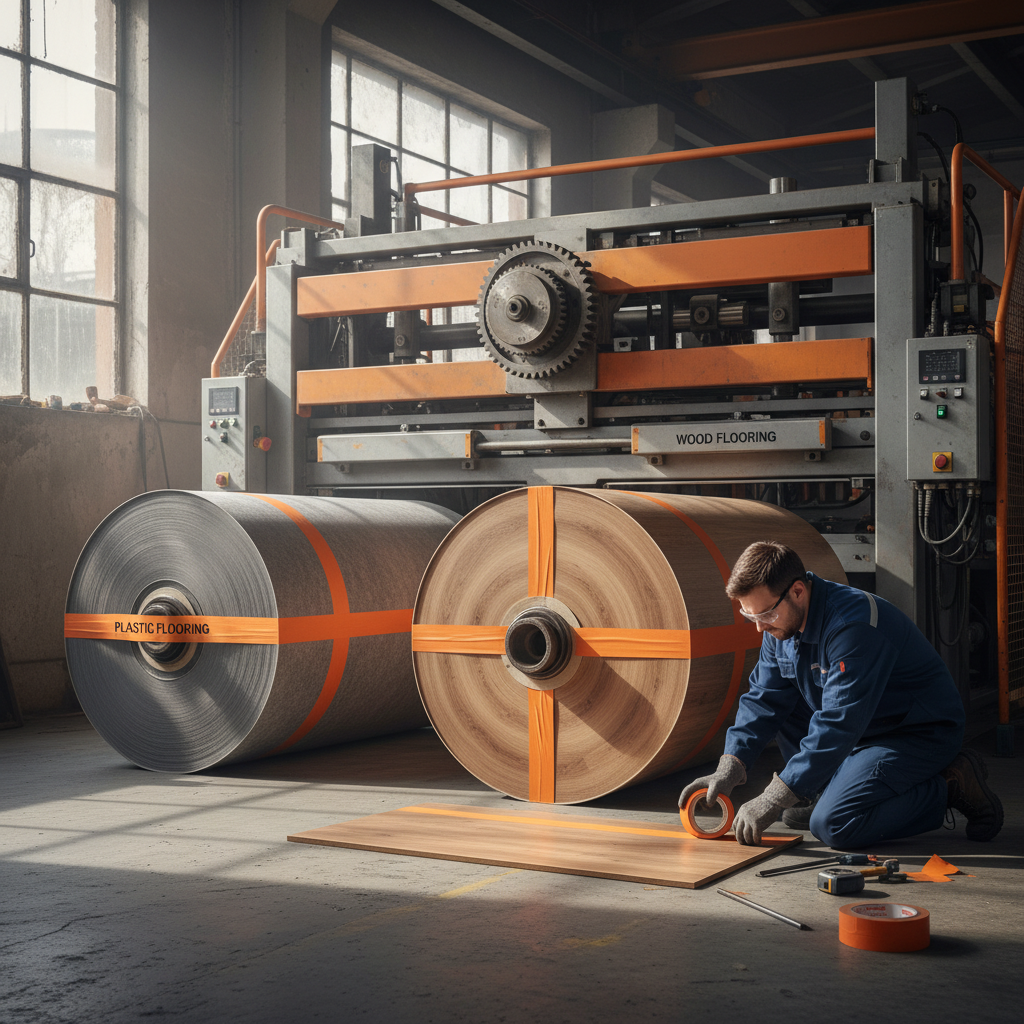
Floor accessories for living room are more than just aesthetic additions; they represent a significant facet of interior design, comfort, and functionality within the modern home. As urbanization continues and living spaces evolve, the demand for practical and stylish floor accessories grows globally. From protective mats and area rugs to innovative flooring underlays and decorative elements, these items play a crucial role in defining a living space’s character and enhancing its overall appeal. Understanding the nuances of floor accessories is key to creating inviting and well-maintained living environments.
The global market for floor coverings and accessories is substantial, with projections indicating continued expansion driven by construction activity, renovation trends, and consumer spending on home improvement. According to reports, the global flooring market was valued at USD 439.29 billion in 2023 and is expected to grow at a CAGR of 4.2% from 2024 to 2030. This growth directly impacts the demand for related accessories. Recognizing this dynamic is vital for both manufacturers and consumers alike. A key challenge lies in balancing cost-effectiveness with quality and sustainability, particularly in rapidly developing economies.
Ultimately, the thoughtful selection of floor accessories for living room contributes to creating spaces that are not only visually appealing but also durable, safe, and comfortable for occupants. They protect flooring investments, enhance acoustics, provide warmth underfoot, and allow for personalized expression through design. The ability to choose accessories that meet specific needs and preferences—from stain resistance for families with children to hypoallergenic options for allergy sufferers—underscores the importance of informed decision-making in this domain.
Introduction to floor accessories for living room
Understanding floor accessories for living room is becoming increasingly important as homeowners prioritize both style and functionality. These accessories encompass a broad range of products designed to protect, enhance, and personalize flooring surfaces. They can significantly impact the overall aesthetic of a room, improve comfort, and extend the lifespan of the underlying floor.
The selection of appropriate floor accessories should consider factors like foot traffic, lifestyle, and the type of flooring material. A well-chosen rug can define a seating area, while a quality underlayment can reduce noise and improve insulation. The modern trend leans towards sustainable and eco-friendly options, adding another layer of consideration for conscious consumers.
Defining Floor Accessories for Living Room
Floor accessories for living room are supplementary items used alongside flooring to enhance its aesthetic appeal, functionality, and longevity. This category includes a wide variety of products, such as area rugs, floor mats, underlays, transition strips, corner guards, and decorative elements like floor cushions and throws. Essentially, they are the finishing touches that complete a living room’s flooring scheme.
These accessories serve multiple purposes. They can protect flooring from scratches, stains, and wear and tear, particularly in high-traffic areas. They can also provide added comfort underfoot, improve insulation, and reduce noise transmission. Furthermore, floor accessories allow for personalization and creative expression, enabling homeowners to define the style and ambiance of their living spaces.
The connection to modern industry extends to the growing demand for innovative materials and designs. Manufacturers are constantly developing new products that combine style, durability, and sustainability. This drives advancements in material science, manufacturing processes, and design aesthetics within the broader flooring and home décor industry.
Core Components of Effective Floor Accessories
Several core components contribute to the effectiveness of floor accessories for living room. Durability is paramount, as accessories should withstand daily wear and tear without compromising their appearance or functionality. Materials like high-quality polypropylene, wool, and reinforced rubber are often favored for their resilience.
Aesthetic Compatibility is equally crucial. Accessories should complement the existing flooring and interior décor, creating a cohesive and harmonious look. This involves considering color palettes, patterns, textures, and overall style. A poorly matched accessory can detract from the room's aesthetic appeal.
Functionality dictates the suitability of an accessory for a specific purpose. For example, a rug in a high-traffic area should be stain-resistant and easy to clean, while an underlayment should provide adequate cushioning and noise reduction. Safety is another key factor, with non-slip backing and rounded edges minimizing the risk of accidents. Finally, Maintenance requirements should be practical and convenient for homeowners.
Practical Applications of Living Room Floor Accessories
Floor accessories for living room find diverse applications depending on the room's layout, function, and the homeowner’s preferences. Area rugs are frequently used to define seating areas, add warmth and texture, and protect flooring from scratches. Floor mats are essential for entryways, preventing dirt and debris from being tracked into the living space.
Underlays are crucial for enhancing the comfort and performance of flooring, providing cushioning, noise reduction, and insulation. Transition strips seamlessly connect different flooring types, creating a smooth and visually appealing transition. Corner guards protect flooring from damage in high-traffic areas, such as doorways and hallways.
Effectiveness of Different Floor Accessory Materials
Advantages and Long-Term Value
The advantages of investing in quality floor accessories for living room extend beyond immediate aesthetic improvements. Cost savings are a significant benefit, as accessories protect flooring from damage, reducing the need for costly repairs or replacements. Sustainable options contribute to environmental responsibility, minimizing the carbon footprint of home décor.
From a social impact perspective, comfortable and inviting living spaces promote well-being and create a sense of community. Reliable and durable accessories enhance safety, reducing the risk of slips and falls. Floor accessories for living room offer a unique opportunity to express personal style and create a home environment that reflects individual preferences and values, fostering a sense of belonging and pride.
Future Trends and Innovations
The future of floor accessories for living room is poised for innovation, driven by advancements in materials science and technology. Expect to see more eco-friendly and sustainable options, such as rugs made from recycled materials and underlayments derived from renewable resources. Smart floor accessories, incorporating sensors and connectivity, may emerge, providing features like automated temperature control and real-time floor condition monitoring.
Digital transformation will likely play a role, with augmented reality apps allowing consumers to virtually visualize accessories in their homes before making a purchase. Automation in manufacturing processes will lead to increased efficiency and customization options. A growing emphasis on health and well-being will drive demand for hypoallergenic and antimicrobial accessories, catering to increasingly health-conscious consumers.
Challenges and Sustainable Solutions
Despite the numerous benefits, challenges remain in the realm of floor accessories for living room. One key issue is the prevalence of unsustainable materials and manufacturing processes. The production of some accessories can contribute to environmental pollution and resource depletion. Another challenge is the lack of transparency in supply chains, making it difficult for consumers to assess the ethical and environmental impact of their purchases.
Sustainable solutions include adopting circular economy principles, prioritizing recycled and renewable materials, and implementing responsible manufacturing practices. Increased transparency in supply chains, coupled with certifications and labeling schemes, can empower consumers to make informed choices. Investing in research and development of innovative, eco-friendly materials is crucial for driving long-term sustainability in the industry.
Furthermore, promoting durability and longevity through high-quality design and construction can reduce the need for frequent replacements, minimizing waste and maximizing resource efficiency. Supporting companies committed to ethical and sustainable practices is essential for fostering a more responsible and environmentally conscious flooring accessory market.
Summary of Solutions for Sustainable Floor Accessory Production
| Material Source |
Manufacturing Process |
Supply Chain Transparency |
End-of-Life Management |
| Recycled Polypropylene |
Closed-Loop Production |
Full Traceability |
Recycling Program |
| Sustainable Wool |
Low-Impact Dyeing |
Fair Trade Certification |
Biodegradable |
| Recycled Rubber |
Energy-Efficient Processing |
Audited Suppliers |
Repurposing Potential |
| Cork |
Harvesting Without Tree Felling |
Forest Stewardship Council (FSC) Certified |
Compostable |
| Bamboo |
Rapidly Renewable Resource |
Sustainable Farming Practices |
Biodegradable |
| Organic Cotton |
Chemical-Free Processing |
Global Organic Textile Standard (GOTS) Certified |
Biodegradable |
FAQS
For homes with pets, prioritize durability and easy cleaning. Rugs made from synthetic fibers like polypropylene are stain-resistant and can withstand scratching. Rubber-backed mats prevent slipping and provide a comfortable surface for pets. Regularly vacuuming and spot-cleaning are essential to maintain hygiene and prevent odors. Consider low-pile options to minimize hair accumulation.
Determining the right rug size depends on your furniture arrangement and room dimensions. For larger living rooms, a rug should anchor the seating area, with at least the front legs of sofas and chairs resting on the rug. In smaller rooms, a rug can define the space without overwhelming it. Consider leaving approximately 18-24 inches of exposed flooring around the rug’s perimeter.
A rug pad offers several benefits. It provides cushioning and comfort underfoot, prevents the rug from slipping and sliding, and protects both the rug and the flooring from wear and tear. Rug pads also reduce noise transmission and can help to even out uneven floors. They extend the life of your rug and contribute to a safer living environment.
Yes, there’s a growing range of eco-friendly floor accessories available. Look for rugs made from recycled materials like plastic bottles or organic cotton. Cork and bamboo underlayments are sustainable alternatives to traditional foam options. Choosing products with certifications like GOTS or FSC ensures responsible sourcing and production practices.
Cleaning methods vary depending on the material. Wool rugs require professional cleaning, while synthetic rugs can often be spot-cleaned with mild detergent and water. Rubber mats can be hosed down and scrubbed. Always check the manufacturer’s instructions before cleaning any floor accessory to avoid damage or discoloration. Regular vacuuming is essential for all types.
Floor accessories, especially rugs and underlayments, can significantly improve a living room’s acoustics. Rugs absorb sound, reducing echo and reverberation. Underlayments provide an additional layer of sound insulation, minimizing noise transmission between floors. Choosing thicker, denser materials will yield greater acoustic benefits, creating a more peaceful and comfortable environment.
Conclusion
In conclusion, floor accessories for living room are essential components of a well-designed and functional living space. They provide a myriad of benefits, from protecting flooring and enhancing comfort to improving aesthetics and promoting sustainability. By carefully considering factors like material, durability, and style, homeowners can select accessories that perfectly complement their homes and lifestyles.
Looking ahead, the floor accessory market is poised for continued innovation, driven by a growing demand for eco-friendly, smart, and personalized solutions. Embracing sustainable practices and supporting companies committed to responsible manufacturing will be crucial for fostering a more environmentally conscious and socially responsible industry. Visit our website at floor accessories for living room to explore our wide range of products and learn more about how we can help you create the living space of your dreams.