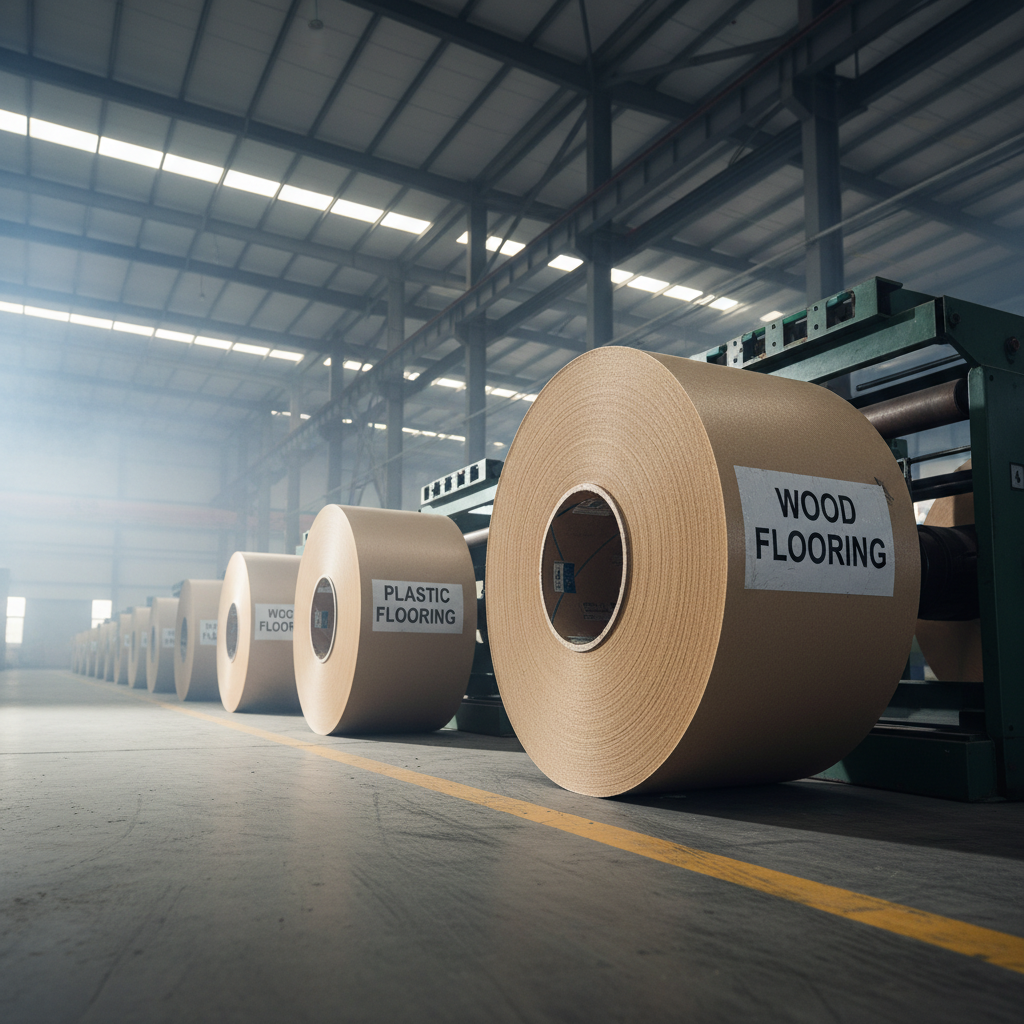
In the precision-driven world of commercial flooring and industrial protection, the use of large masking tape has evolved from a simple utility to a critical component of quality assurance. Whether securing LVT laminate during installation or protecting expansive SPC surfaces from adhesives, the right width and adhesive strength can make the difference between a flawless finish and costly rework.
Across the global manufacturing landscape, the demand for heavy-duty masking solutions is surging as infrastructure projects scale in size. Professionals are no longer satisfied with standard narrow tapes that require multiple overlapping strips; instead, they seek high-performance large masking tape that provides seamless coverage and reliable residue-free removal.
Understanding the technical specifications of these wide-format adhesives allows contractors to optimize their workflow, reduce material waste, and ensure that high-value flooring installations remain pristine. This guide explores the industry standards, applications, and innovations surrounding wide-scale masking solutions in the modern construction era.
The Industrial Significance of Large Masking Tape
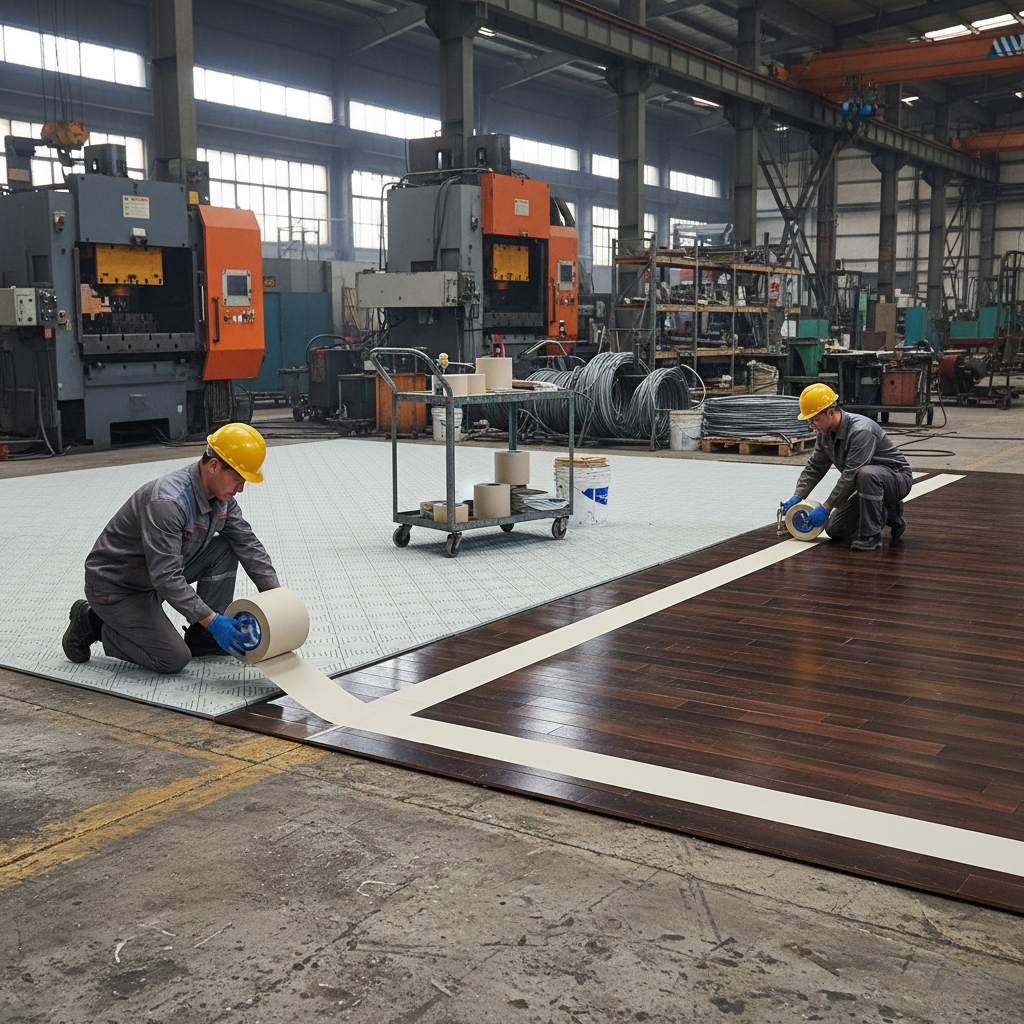
The global construction and flooring industry operates under strict ISO standards for surface protection and finishing. In this context, large masking tape serves as a primary line of defense against contamination. When installing homogeneous vinyl or heterogeneous floors in large-scale hospitals or airports, the sheer volume of the surface area makes narrow tapes inefficient, leading to increased labor costs and a higher probability of gaps where adhesives might leak.
By implementing wide-format masking solutions, companies can achieve a more uniform seal across expansive joints and edges. This not only protects the integrity of the flooring material but also ensures that the transition between different zones—such as from an SPC area to a wall covering—remains razor-sharp and professional, adhering to the highest architectural standards.
Technical Definition and Material Composition
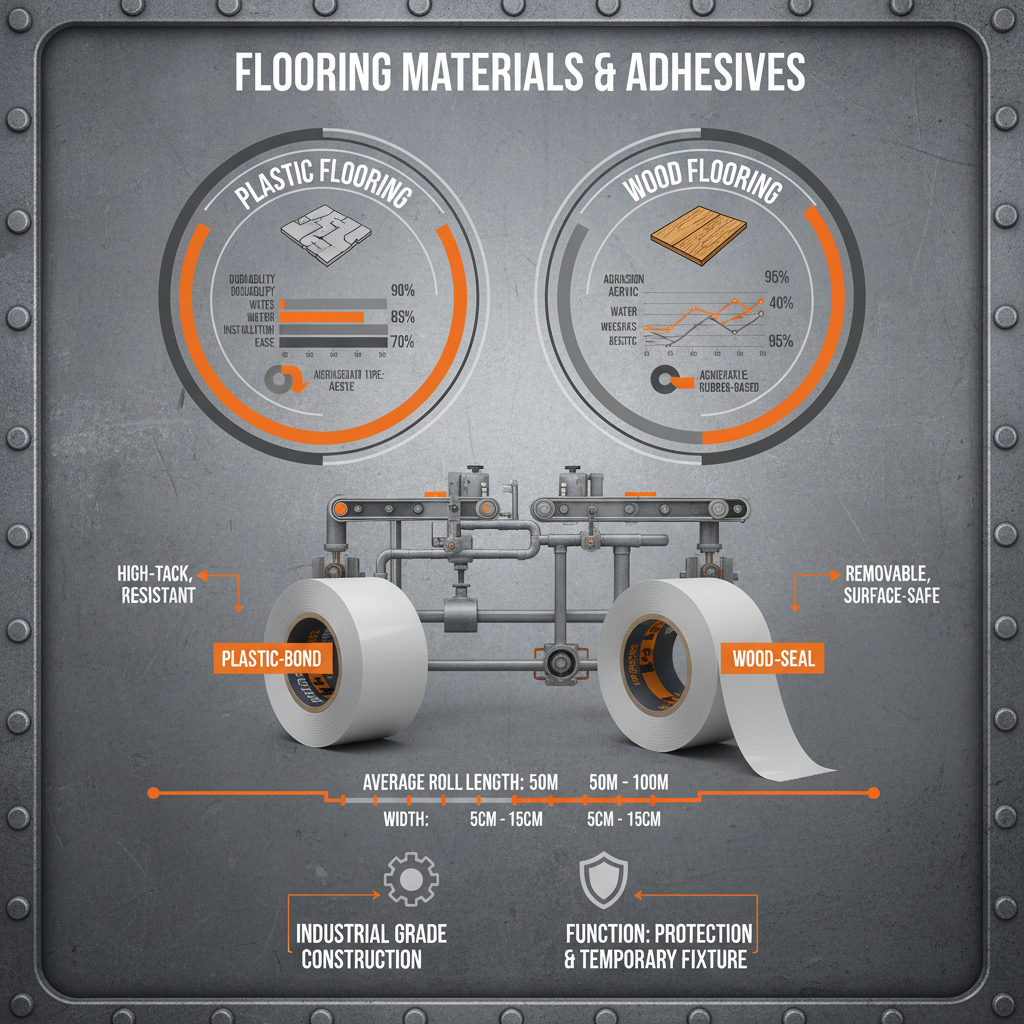
At its core, large masking tape is a specialized pressure-sensitive adhesive (PSA) product designed with a wider backing—typically exceeding 50mm—to cover larger surface areas in a single application. Unlike standard office tape, industrial-grade masking tape utilizes a crepe paper or synthetic film backing that balances tensile strength with flexibility, allowing it to conform to the subtle contours of a flooring substrate without lifting.
The chemistry of the adhesive is what truly defines its quality. High-end versions use rubber-based or acrylic adhesives that are engineered to provide strong initial tack for secure placement, yet maintain a "clean-release" property. This means that after several days of exposure to site conditions, the tape can be removed without leaving a sticky residue that would otherwise compromise the aesthetic of a new LVT laminate floor.
Furthermore, the interaction between the backing material and the adhesive is optimized to prevent "bleeding" or "seepage." In the context of plastic flooring products, this is crucial because any chemical reaction between the tape's adhesive and the floor's wear layer could lead to permanent staining or discoloration, making the selection of a chemically compatible large masking tape a technical necessity.
Core Components of High-Performance Masking
The efficacy of large masking tape is primarily judged by its adhesive stability. A high-quality tape must maintain its grip across varying temperature ranges, from cold warehouses to humid tropical construction sites, ensuring that the protection remains intact throughout the curing process of the flooring glue.
Tear resistance is another pivotal factor. Because large masking tape is often handled by laborers in fast-paced environments, the backing must be strong enough to resist accidental rips during application while remaining easy to tear by hand when specified lengths are needed for skirting or welding rod protection.
Finally, the "residue-free" guarantee is the benchmark of professional grade products. The molecular bond of the adhesive in premium large masking tape is designed to break cleanly, ensuring that the final handover of the commercial flooring project is not delayed by the need for chemical solvent cleaning to remove tape remnants.
Global Applications in Commercial Flooring
In large-scale commercial projects, such as the installation of homogeneous vinyl in pharmaceutical laboratories, large masking tape is indispensable for creating sterile boundaries. By masking off large sections of the wall and floor intersections, installers can apply sealants and welding rods without risking splatter on adjacent surfaces, ensuring a clinical finish that meets health regulations.
Beyond the medical sector, the automotive and aerospace industries utilize wide masking solutions to protect specialized resin-based floors during heavy machinery installation. In these environments, where floor durability is paramount, using a high-tack large masking tape prevents metallic shavings and industrial lubricants from penetrating the floor's pores during the construction phase.
Performance Comparison of Wide Masking Solutions
Long-Term Value and Cost Efficiency
Investing in professional-grade large masking tape significantly reduces overall project overhead. While the per-roll cost may be higher than generic options, the reduction in labor hours—due to fewer strips needed to cover the same area—creates a net positive ROI for the contractor.
Moreover, the long-term value lies in risk mitigation. The cost of replacing a damaged section of SPC or LVT laminate due to adhesive failure or residue damage far exceeds the initial investment in high-quality large masking tape. By ensuring a clean removal, companies protect their reputation and avoid costly warranty claims from clients.
Future Trends in Adhesive Technology
The future of large masking tape is leaning heavily toward sustainability. We are seeing a shift toward bio-based adhesives and biodegradable backing materials that reduce the environmental footprint of construction waste. As green building certifications like LEED become the standard, the demand for eco-certified masking solutions will drive innovation in the plastic flooring accessory market.
Additionally, the integration of "smart" adhesives is on the horizon. Imagine a large masking tape that can change color or signal through a chemical reaction when the underlying flooring glue has reached its optimal curing temperature. This would eliminate guesswork and further optimize the installation timeline.
Digital transformation is also impacting production. Precision cutting and customized widths are now possible through automated manufacturing, allowing flooring companies to order large masking tape tailored specifically to the dimensions of their unique skirting or wall covering profiles, minimizing on-site trimming and waste.
Overcoming Implementation Challenges
One of the most common challenges when using large masking tape is the occurrence of air bubbles or "tunneling" during application. This is often caused by applying the tape too quickly or failing to properly clean the substrate. Expert installers recommend a gradual, overlapping application technique combined with a weighted roller to ensure 100% surface contact.
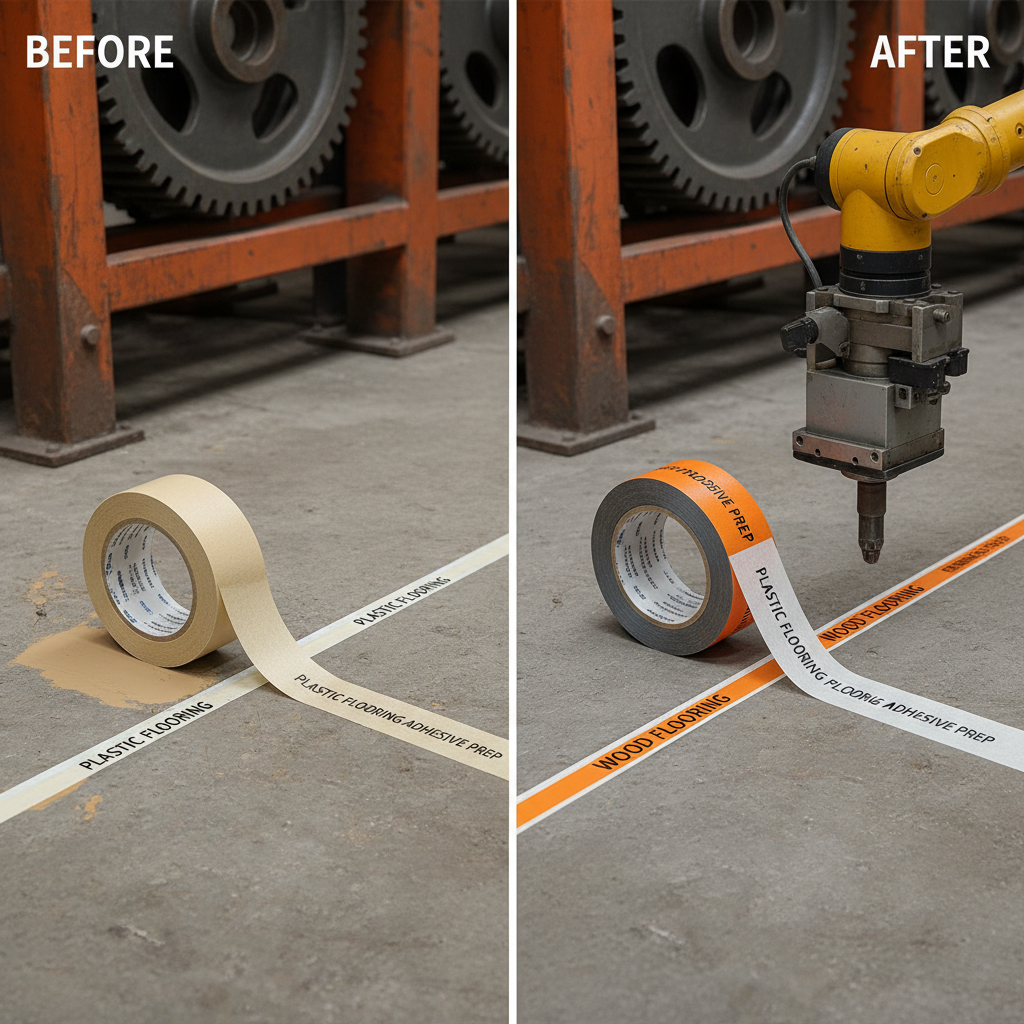
Another hurdle is the "ghosting" effect, where the tape leaves a visible line on the floor after removal due to dust accumulation at the edges. To solve this, professionals are utilizing a "double-masking" technique or switching to high-edge-definition large masking tape that prevents paint or adhesive seepage through a specialized tighter-weave backing.
Finally, balancing tackiness with removability remains a delicate science. In extremely high-temperature environments, some tapes may bond too strongly to the plastic floor. The solution lies in selecting "low-tack" variants for high-heat zones while maintaining high-tack versions for vertical wall coverings, ensuring a balanced approach to site protection.
Analysis of large masking tape Technical Specifications by Application
| Application Type |
Recommended Width |
Adhesive Strength (1-10) |
Removal Cleanliness |
| LVT Edge Protection |
50mm - 75mm |
7 |
Excellent |
| SPC Large Area Masking |
100mm+ |
8 |
Very Good |
| Wall Covering Borders |
48mm - 60mm |
6 |
Excellent |
| Welding Rod Guidance |
25mm - 50mm |
9 |
Good |
| Heterogeneous Vinyl Sealing |
75mm |
7 |
Very Good |
| Industrial Floor Coating |
150mm+ |
10 |
Moderate |
FAQS
The ideal width depends on the application, but for most commercial flooring projects, widths between 50mm and 100mm are preferred. Larger widths are more efficient for covering expansive SPC or vinyl surfaces, as they reduce the number of seams and the risk of adhesive leakage, significantly speeding up the preparation phase of the installation.
Premium industrial-grade large masking tape is specifically engineered for "clean removal." However, residue can occur if the tape is left on for too long (exceeding the manufacturer's recommended window) or if exposed to extreme heat. Always choose a tape with a high-quality acrylic or rubber adhesive designed for plastic substrates.
It improves efficiency by reducing labor time. Instead of applying multiple narrow strips of tape, a single pass of wide-format tape covers the required area. This reduces the time spent on application and removal, minimizes the potential for gaps in protection, and allows the crew to focus on the precision of the flooring layout.
While possible, it is not recommended for commercial scales. Standard tape often lacks the tensile strength and the specific adhesive properties required for flooring. You will likely face more "lifting" at the edges and spend significantly more time on labor, which offsets any initial cost savings from buying cheaper, narrower tape.
To prevent bubbling, ensure the floor is completely free of dust and moisture. Apply the tape from the center outward using a smooth, continuous motion. For maximum adhesion, use a soft rubber roller to press the tape firmly into the substrate, removing any trapped air pockets that could lead to seepage.
Yes, the industry is shifting toward sustainable alternatives. Look for products that utilize FSC-certified paper backings or bio-based adhesives. These "green" versions provide the same technical performance as traditional tapes but reduce the chemical load and waste impact on the environment during the construction process.
Conclusion
In summary, large masking tape is far more than a simple accessory; it is a strategic tool that ensures the precision, cleanliness, and durability of high-end flooring installations. From its material composition and adhesive stability to its role in reducing labor costs and environmental impact, the correct choice of masking solution directly correlates with the final quality of the architectural finish.
As the industry moves toward smarter, more sustainable building practices, the adoption of high-performance, eco-friendly wide-format adhesives will become a benchmark for professional contractors. We encourage flooring specialists to audit their current toolkits and upgrade to professional-grade masking solutions to guarantee flawless results and maximize project profitability. Visit our website: www.enliofloor.com