Laser masking tape has emerged as a critical component in modern manufacturing, surface finishing, and protective coating applications. Its ability to provide precise protection during processes like powder coating, painting, plating, and even laser etching makes it indispensable across a broad spectrum of industries. Globally, the demand for high-performance masking solutions is steadily increasing, driven by the growing complexity of product designs and the need for consistently high-quality finishes. This isn’t merely about aesthetics; it's about the functional integrity of components used in aerospace, automotive, electronics, and medical devices.
The increasing automation in manufacturing processes, coupled with a push towards miniaturization, requires masking solutions that can withstand harsh conditions and offer exceptional adhesion without leaving residue. The global masking tape market, valued at billions, is projected to continue its expansion as technological advancements necessitate more refined masking techniques. Standards organizations like ISO play a role in defining quality parameters for these tapes, ensuring consistency and reliability.
Understanding the nuances of laser masking tape – from its material composition to its application methods – is therefore crucial for professionals involved in any aspect of surface treatment. This knowledge leads to reduced rework, improved product quality, and ultimately, increased profitability.
Introduction to Laser Masking Tape
Laser masking tape is a specialized adhesive tape designed to protect surfaces during various manufacturing and finishing processes, particularly those involving lasers, abrasive blasting, and chemical etching. Its unique formulation allows for clean removal without leaving behind any adhesive residue, a critical factor in maintaining the integrity of sensitive components. laser masking tape is not merely a temporary shield; it's a key enabler of precise and repeatable results.
The versatility of laser masking tape extends beyond simply blocking material removal. Its ability to conform to complex shapes and withstand high temperatures makes it suitable for intricate designs and demanding applications. Manufacturers are increasingly turning to laser masking tape to improve efficiency, reduce costs, and enhance the overall quality of their products.
Defining Laser Masking Tape
Laser masking tape fundamentally differs from standard masking tapes in its adhesive properties and temperature resistance. It’s typically constructed using a high-performance acrylic adhesive applied to a flexible backing, often a polyester film. This combination provides a strong, yet clean, adhesion that resists solvents, chemicals, and high temperatures encountered during laser processing and other surface treatment methods.
Its connection to modern industry lies in its ability to facilitate the precise and controlled application of surface treatments. As manufacturers strive for tighter tolerances and more complex designs, the need for reliable and residue-free masking solutions becomes paramount. The tape acts as a stencil, ensuring that only specific areas are affected by the process, leading to accurate and repeatable outcomes.
This isn't solely relevant to high-tech industries. Applications extend to areas like automotive detailing, where protecting specific areas during painting or coating is crucial, and even in the restoration of historical artifacts where preserving original finishes is essential.
Core Characteristics of Laser Masking Tape
Several characteristics define the quality and suitability of laser masking tape for specific applications. Firstly, temperature resistance is vital; the tape must withstand the heat generated during laser processing without melting, blistering, or losing its adhesive properties.
Secondly, adhesive strength needs to be carefully balanced. It must be strong enough to adhere firmly to the surface during processing but weak enough to allow for clean removal without leaving residue. Thirdly, chemical resistance is essential to protect against solvents and other chemicals used in surface preparation and finishing. Fourthly, conformability allows the tape to adhere to complex geometries.
Finally, clean removal is arguably the most important characteristic. Any residual adhesive can contaminate the surface, requiring additional cleaning steps and potentially compromising the final product's quality. laser masking tape manufacturers continuously innovate to optimize these characteristics, meeting the evolving needs of diverse industries.
Key Performance Indicators
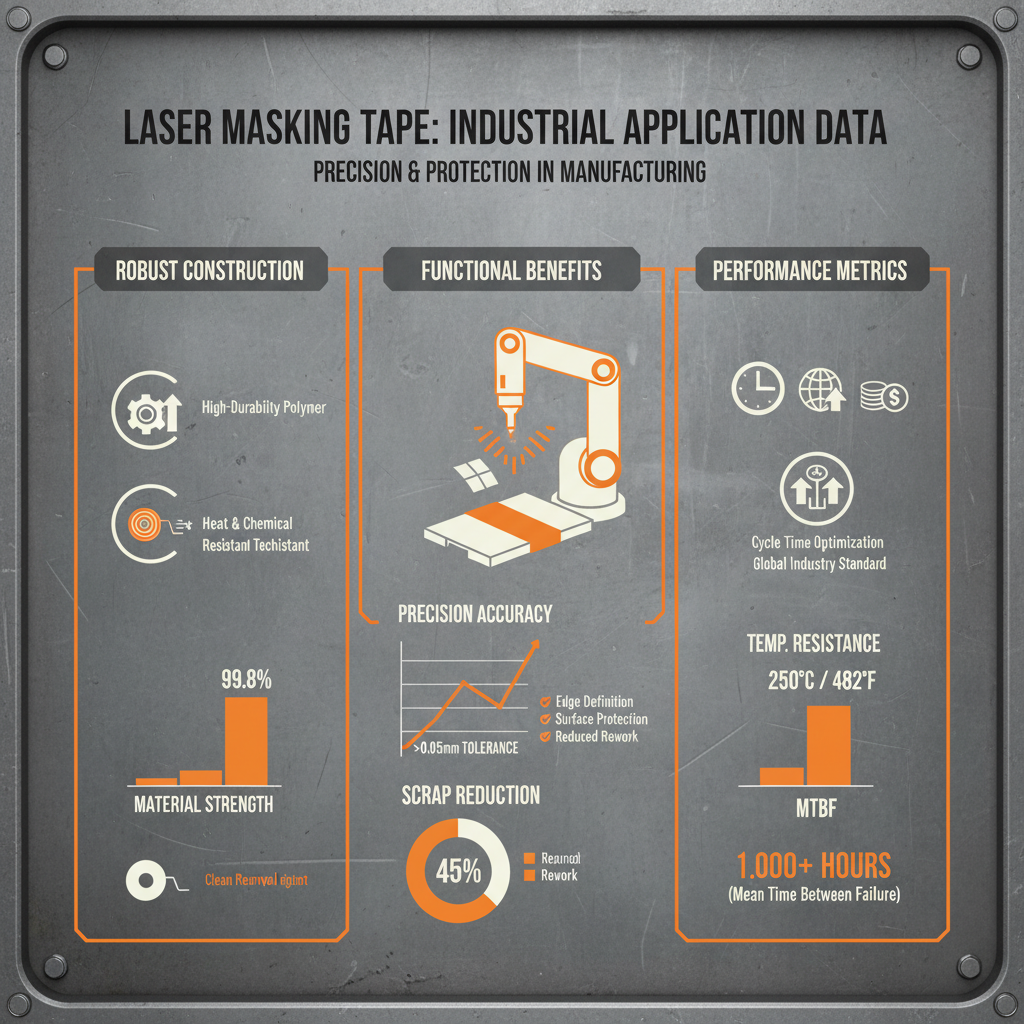
Evaluating laser masking tape requires assessing several key performance indicators. These metrics provide a quantifiable way to compare different products and select the most appropriate tape for a given application. Understanding these indicators also helps to predict performance and ensure consistent results.
These KPIs aren't merely technical specifications; they directly impact production efficiency, product quality, and overall cost-effectiveness. A thorough understanding of these indicators is crucial for anyone involved in selecting, applying, and utilizing laser masking tape.
Laser Masking Tape Performance Comparison
Global Applications & Industries
The applications of laser masking tape are incredibly diverse, spanning across numerous industries. In the aerospace sector, it’s used to protect critical components during thermal spraying and surface treatments, ensuring the integrity of engine parts and airframe structures. The automotive industry utilizes it extensively during painting and coating processes, guaranteeing precise finishes on body panels and trim.
The electronics industry relies on laser masking tape for protecting sensitive circuit boards during conformal coating and selective soldering. Furthermore, in medical device manufacturing, its clean removal properties are essential for maintaining the sterility and precision required for implants and surgical instruments. Globally, these industries represent a substantial and growing market for high-quality laser masking tape.
Advantages & Long-Term Value Proposition
The advantages of using laser masking tape extend beyond simple protection. The reduction in rework due to clean removal and precise masking translates directly into cost savings and increased production efficiency. The long-term value proposition lies in the enhanced product quality and reliability that results from using a consistently high-performing masking solution.
Furthermore, the minimized need for post-processing cleaning reduces environmental impact and improves worker safety. The reliability of laser masking tape builds trust between manufacturers and their customers, fostering long-term partnerships and enhancing brand reputation. It's not just about protecting a surface; it’s about protecting the integrity of the entire process.
The consistent performance of laser masking tape contributes to a more sustainable manufacturing process, reducing waste and optimizing resource utilization.
Future Trends and Innovations
The future of laser masking tape is poised for significant innovation, driven by advancements in materials science and manufacturing technologies. We can expect to see the development of tapes with even higher temperature resistance, improved adhesion to challenging surfaces, and enhanced chemical resistance. Sustainable materials and biodegradable backing options are also gaining traction, reflecting a growing emphasis on environmental responsibility.
The integration of smart technologies, such as RFID tags for tracking and traceability, could further optimize inventory management and process control. Automation in tape application, guided by robotic systems, will likely become more prevalent, increasing precision and reducing labor costs. These trends collectively point towards a future where laser masking tape plays an even more critical role in enabling advanced manufacturing processes.
The ongoing research into novel adhesive formulations promises to unlock new possibilities, including self-healing tapes and tapes with adjustable adhesion properties.
FAQS
Most high-performance laser masking tapes can withstand temperatures up to 260°C (500°F) for short durations, and some specialized tapes can handle even higher temperatures. However, the exact temperature limit depends on the specific tape formulation and the duration of exposure. Always consult the manufacturer's data sheet for accurate specifications. Proper application is also critical to ensure heat resistance.
High-quality laser masking tapes are designed to be removed cleanly without leaving any adhesive residue. However, factors such as the surface material, application temperature, and duration of exposure can influence residue levels. If minimal residue remains, it can typically be removed with a mild solvent approved for the surface. Choosing the correct tape for the substrate is key to preventing residue.
Regular masking tape is typically made with a rubber-based adhesive and has lower temperature resistance and chemical resistance. Laser masking tape uses a high-performance acrylic adhesive and a durable backing, enabling it to withstand harsher processing conditions without degrading or leaving residue. It's engineered for precision and clean removal in demanding applications.
Yes, certain laser masking tapes are specifically designed for abrasive blasting applications. These tapes feature a thicker backing and a more robust adhesive to withstand the impact of abrasive particles. It’s essential to select a tape that is explicitly rated for abrasive blasting to ensure adequate protection and clean removal.
Ensure the surface is clean, dry, and free of contaminants before application. Apply the tape with firm, even pressure to ensure good adhesion. Avoid stretching the tape excessively, as this can reduce its effectiveness. Use a sharp blade or cutter for precise edges and corners. Follow the manufacturer's recommendations for specific application guidelines.
The shelf life of laser masking tape typically ranges from one to two years when stored in a cool, dry place, away from direct sunlight. Proper storage conditions are crucial for maintaining the tape's adhesive properties and performance. Check the manufacturer's data sheet for specific storage recommendations and expiration dates.
Conclusion
In conclusion, laser masking tape represents a vital component in modern manufacturing and surface finishing. Its unique combination of temperature resistance, chemical resistance, and clean removal properties makes it indispensable for a wide range of applications across diverse industries. Understanding the key characteristics, performance indicators, and emerging trends surrounding laser masking tape is crucial for optimizing processes, improving product quality, and driving innovation.
Looking ahead, continued advancements in materials science and automation will undoubtedly lead to even more sophisticated and versatile laser masking tape solutions. By embracing these innovations and prioritizing sustainability, manufacturers can unlock new levels of efficiency, precision, and environmental responsibility. For all your laser masking tape needs, visit our website: www.enliofloor.com