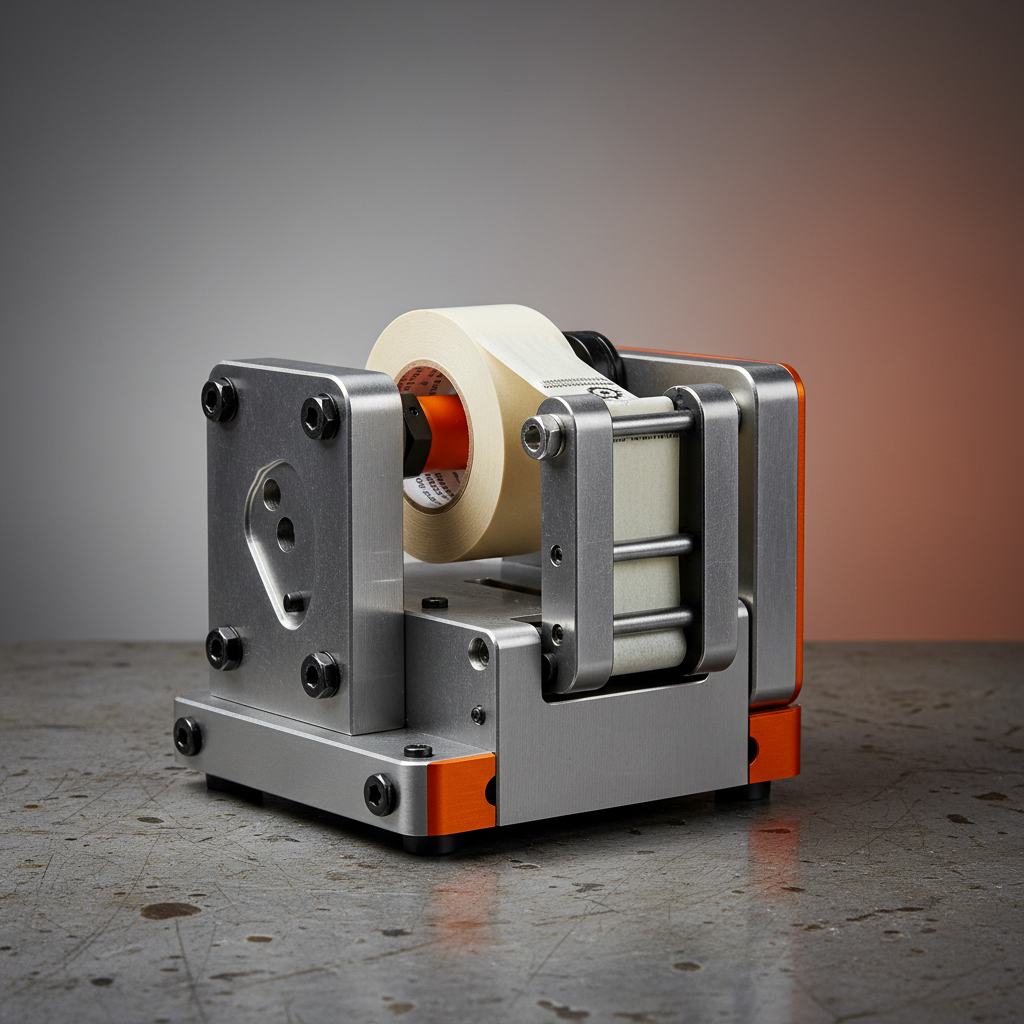
thin masking tape, a seemingly simple adhesive, plays a critical role in a surprisingly wide array of industries and applications globally. From delicate painting projects to complex manufacturing processes, its precise application and clean removal make it indispensable. Understanding the nuances of this often-overlooked material can lead to significant improvements in efficiency, quality, and cost-effectiveness across numerous sectors. Its lightweight nature and ease of use contribute to its widespread adoption.
The global demand for thin masking tape is directly linked to economic growth and industrial activity. According to market research reports, the adhesive tape industry (including masking tape) is projected to reach billions of dollars in value in the coming years, fueled by growth in construction, automotive, electronics, and packaging. This highlights the essential role these tapes play in supporting critical supply chains. Furthermore, emerging applications in specialized fields like medical device manufacturing are driving innovation and demand for higher-performance masking tapes.
Beyond industrial uses, thin masking tape also finds application in everyday life, from home DIY projects to artistic endeavors. This accessibility and versatility make it a ubiquitous product found in households and businesses worldwide. Recognizing its broad impact allows for a deeper appreciation of its importance and potential for future development.
The Significance of Thin Masking Tape
thin masking tape isn’t simply a tool for painters; it’s a critical component in countless manufacturing and repair processes. Its ability to provide clean lines and protect surfaces makes it invaluable. The consistent quality and predictable performance of modern thin masking tape solutions are directly linked to increases in production efficiency and reductions in waste.
Understanding the properties and applications of various types of thin masking tape – from general-purpose crepe paper tapes to specialized silicone or acrylic tapes – is key to maximizing its benefits. Choosing the correct tape for the specific task, considering factors like temperature resistance, adhesion level, and removal time, is paramount for achieving optimal results.
Defining Thin Masking Tape
thin masking tape is a pressure-sensitive adhesive tape typically made from a thin paper backing, often crepe paper, coated with an adhesive. It's designed to be easily applied and removed without leaving residue, making it ideal for temporary surface protection during painting, coating, sanding, or other finishing processes. The “thin” designation refers to the reduced thickness compared to standard masking tapes, allowing for sharper lines and easier conformability to complex surfaces.
Its connection to modern industry is profound. In automotive manufacturing, thin masking tape protects vehicle surfaces during painting and coating. In electronics, it safeguards sensitive components during soldering and assembly. Its role in aerospace, medical device production, and even architectural restoration demonstrates its adaptability and crucial function.
The ability to consistently provide clean, crisp lines and protect surfaces from damage during critical processes directly contributes to higher-quality products and reduced rework. thin masking tape is therefore a foundational element in ensuring precision and efficiency across diverse industrial applications.
Core Components of Effective Thin Masking Tape
Several key factors contribute to the effectiveness of thin masking tape. Firstly, Adhesion – the strength of the bond between the tape and the surface – is crucial for preventing bleed-through during painting or coating. Secondly, Tensile Strength, or the tape’s resistance to tearing, ensures it remains intact during application and removal.
Conformability, the ability of the tape to follow the contours of a surface, is essential for applications on complex shapes. And finally, Residue Management – the tape’s ability to remove cleanly without leaving behind any adhesive residue – is paramount for achieving a professional finish. These components are carefully balanced during manufacturing to meet the specific needs of different applications.
The backing material itself also plays a significant role. Crepe paper provides excellent conformability and a good balance of adhesion and removal properties. Other materials, like vinyl or cloth, offer specialized characteristics for specific applications, such as higher temperature resistance or increased durability.
Practical Applications of Thin Masking Tape
The applications of thin masking tape are incredibly diverse. In the Automotive Industry, it protects car bodies during painting and powder coating processes. In Electronics Manufacturing, it’s used to shield components during wave soldering and conformal coating. In the Aerospace Industry, it ensures precise masking during surface treatments on aircraft parts.
Beyond these major industries, thin masking tape is widely used in Construction for protecting trim and surfaces during painting and renovations. In the Art World, it enables artists to create crisp lines and patterns in their work. Even in Medical Device Manufacturing, specialized thin masking tapes are used to protect sensitive components during assembly and sterilization.
Performance Metrics of Thin Masking Tape Varieties
Global Implementation of Thin Masking Tape
The use of thin masking tape is widespread across all major industrial regions. In North America and Europe, it's a staple in automotive, aerospace, and electronics manufacturing. Asia-Pacific, particularly China and Japan, represents a rapidly growing market, driven by increased manufacturing output and infrastructure development.
In post-disaster relief operations, thin masking tape is used for temporary repairs and surface protection. In remote industrial zones, its ease of use and portability make it a vital tool for on-site maintenance and repair work. Several international standards organizations, such as ISO, provide guidelines for adhesive tape testing and performance, ensuring consistent quality and reliability.
Advantages and Long-Term Value
The tangible benefits of using thin masking tape are significant. Cost savings are achieved through reduced rework, minimized paint waste, and increased production efficiency. Sustainability is enhanced by minimizing material usage and promoting responsible manufacturing practices. Reliability is improved through consistent performance and predictable removal characteristics.
From an emotional standpoint, using high-quality thin masking tape instills confidence in the final product, ensuring a professional finish and enhancing customer satisfaction. Logically, its consistent performance builds trust in the manufacturing process, reducing the risk of defects and delays. The innovation inherent in developing specialized thin masking tape solutions further drives progress in various industries.
Future Trends and Innovations
Future trends in thin masking tape are focused on sustainability and performance enhancement. The development of bio-based adhesives and biodegradable backing materials is gaining momentum, reducing the environmental impact of these products. Nanotechnology is being explored to enhance adhesion, conformability, and residue management.
Digitalization is also playing a role, with the development of smart tapes equipped with sensors that can monitor temperature, pressure, or other environmental factors. Automation in tape application and removal processes is increasing efficiency and precision. The integration of thin masking tape into Industry 4.0 initiatives promises to further optimize manufacturing processes.
The future will likely see a greater emphasis on customized thin masking tape solutions tailored to specific applications, leveraging advanced materials and manufacturing techniques to meet increasingly demanding requirements.
Summary of Thin Masking Tape Performance Characteristics
| Tape Type |
Adhesion Strength (1-10) |
Temperature Resistance (°C) |
Residue Level (1-10) |
| General Purpose Crepe
|
6 |
80 |
2 |
| High-Temperature Silicone
|
7 |
260 |
1 |
| Acrylic-Based
|
8 |
100 |
3 |
| Vinyl Coated
|
5 |
60 |
4 |
| Electrostatic Dissipative
|
7 |
90 |
2 |
| Specialty UV Resistant
|
6 |
120 |
3 |
FAQS
For automotive painting, a high-temperature silicone-based thin masking tape is recommended. These tapes are designed to withstand the high temperatures of automotive paint ovens without leaving residue or discoloration. They offer excellent conformability to curved surfaces and provide sharp paint lines. Look for tapes specifically labeled for automotive use.
To prevent bleed-through, ensure the surface is clean and dry before applying the tape. Apply firm, even pressure to create a good seal. For critical applications, consider using a masking tape primer to further enhance adhesion and prevent paint creep. Also, avoid applying paint too thickly or spraying at a high angle.
Crepe paper thin masking tape is known for its conformability and easy removal, making it ideal for general-purpose masking. Vinyl thin masking tape offers higher temperature resistance and is often preferred for applications like powder coating and baking finishes. Vinyl tapes generally have a stronger adhesive, requiring more care during removal.
Yes, but it's crucial to choose the right tape. A low-tack thin masking tape designed for delicate surfaces is recommended. Test the tape in an inconspicuous area first to ensure it doesn't damage the surface upon removal. Using a light touch during application and removal is also essential.
Store thin masking tape in a cool, dry place away from direct sunlight and heat. High temperatures and humidity can degrade the adhesive over time. Keep the tape tightly sealed in its original packaging to prevent dust and contaminants from affecting its performance. Proper storage extends the shelf life and ensures optimal adhesion.
The recyclability of thin masking tape varies depending on the backing material and adhesive used. Crepe paper tape is often not recyclable due to the adhesive coating. However, some newer eco-friendly thin masking tapes utilize biodegradable materials and are designed for composting. Check the product packaging for specific recycling instructions.
Conclusion
thin masking tape, despite its seemingly simple nature, is an essential component in a vast array of industries and applications. Its ability to provide clean lines, protect surfaces, and ensure quality finishes makes it invaluable. From automotive manufacturing to artistic endeavors, its versatility and reliability are consistently demonstrated. Understanding the key factors that contribute to its effectiveness – adhesion, tensile strength, conformability, and residue management – is paramount for maximizing its benefits.
Looking ahead, innovation in materials science and manufacturing techniques promises even more sustainable and high-performance thin masking tape solutions. The ongoing development of bio-based adhesives, biodegradable backings, and smart tape technologies will further enhance its value and contribute to a more environmentally responsible future. For all your thin masking tape needs, visit our website: enliofloor.com.