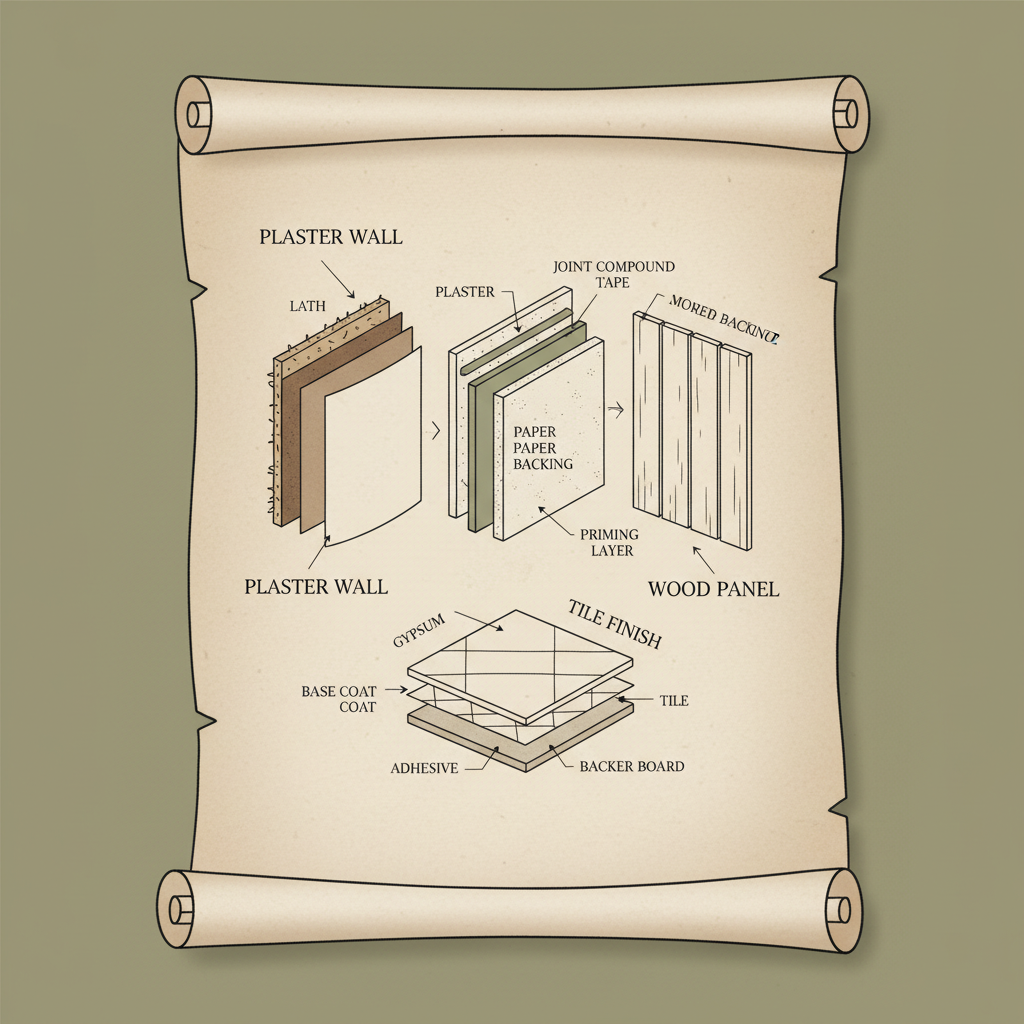
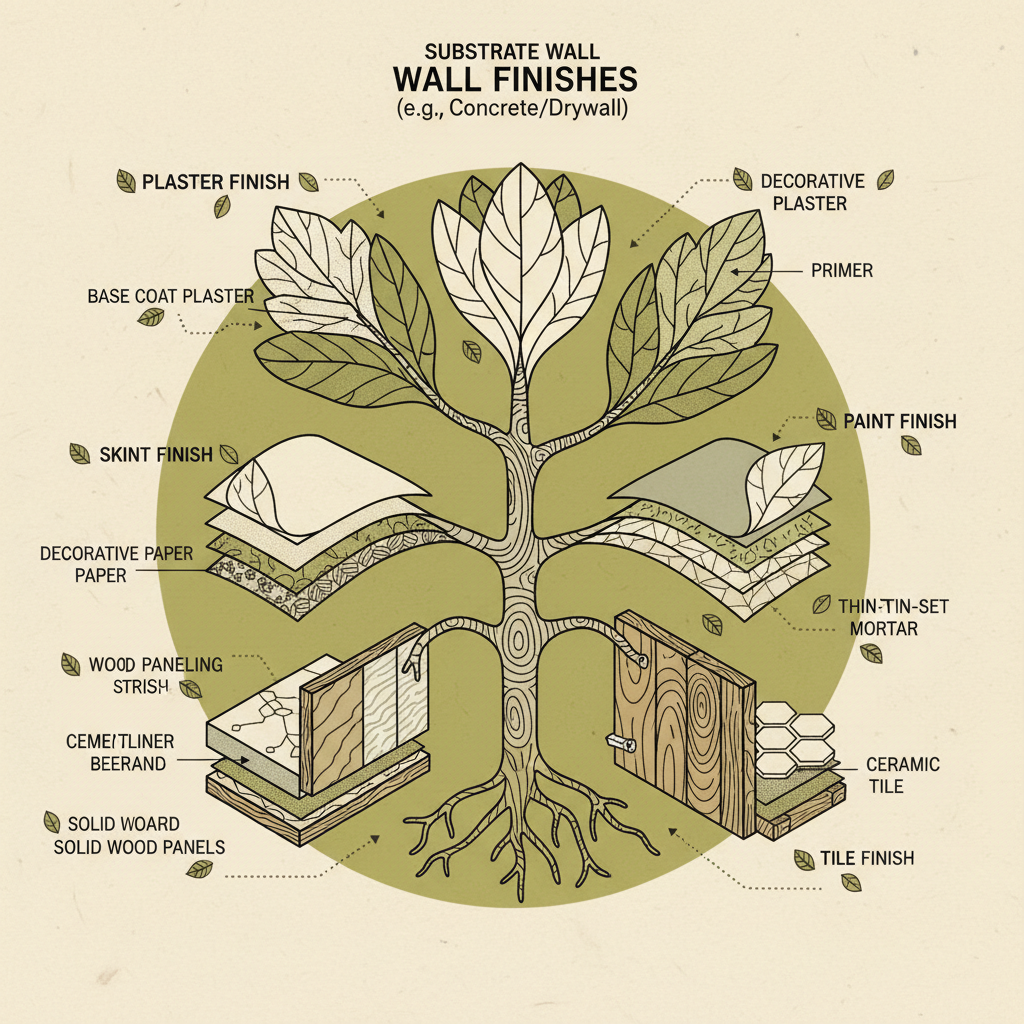
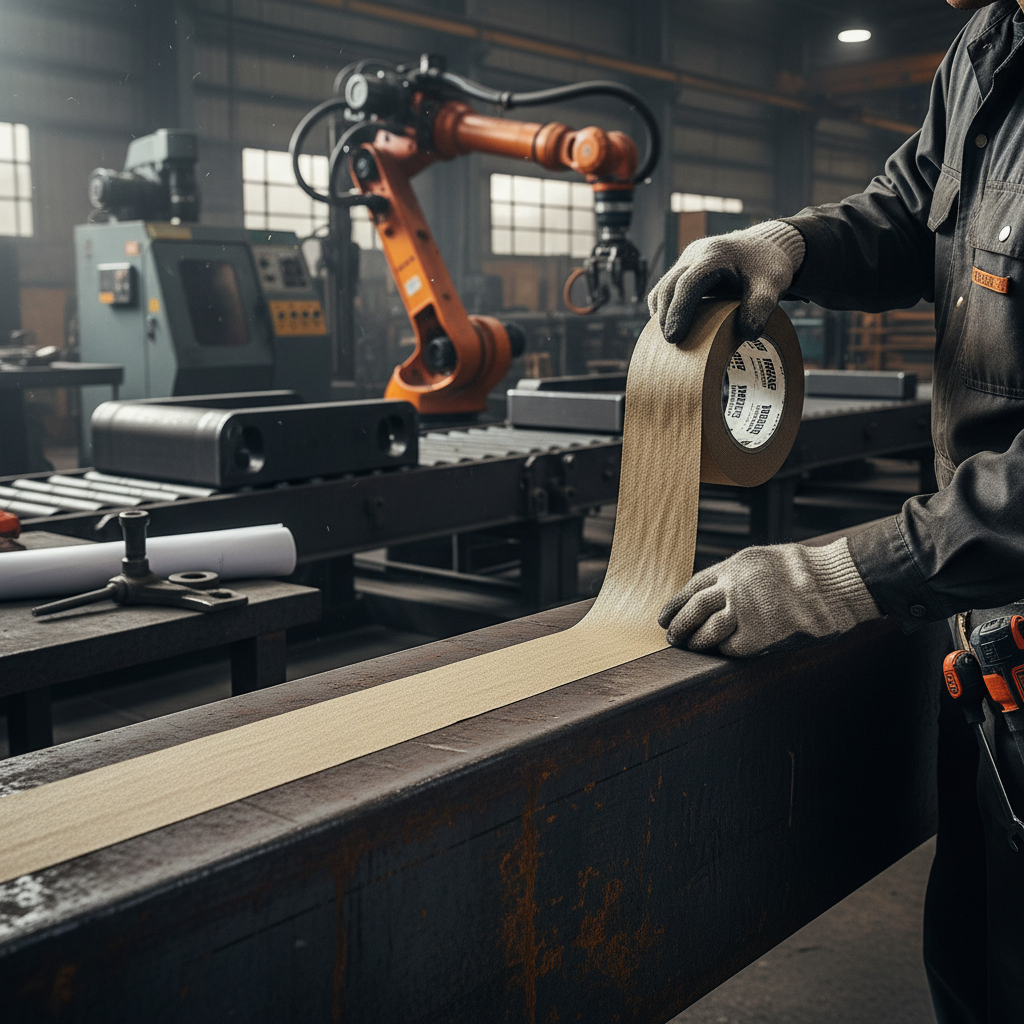
To be honest, the whole wall finishes types game has gotten wild lately. Everyone’s chasing “seamless,” “eco-friendly,” and “smart,” which sounds good in meetings, but out on a construction site? It’s a different story. I've been seeing a lot of these new composite panels… they look great in the showroom, but try cutting them with a regular utility knife. Forget about it. You need diamond blades, specialized dust extraction... it adds up.
Have you noticed how everyone's obsessed with thinner and thinner finishes? It's all about maximizing space, minimizing weight. Which is fine, until you realize you're working with something that feels like cardboard. Then you’re babying it the whole time, praying it doesn't dent just from looking at it wrong. And the adhesives… don’t even get me started.
It's a constant battle between what the designers want and what actually works in the field.
The Current Landscape of wall finishes types
Honestly, it's a race to be the "most" everything. Most sustainable, most durable, most aesthetically pleasing. You're seeing a lot of interest in bio-based materials, which is good, but the supply chains are still shaky, and the price…oof. Then there's the whole pre-fabricated wall panel trend. It’s speeding up construction, sure, but you better double-check the tolerances. I encountered a load of misaligned panels at a factory in Foshan last time. Cost the client a fortune in rework.
The demand for wall finishes types is definitely growing, especially in urban areas. We’re talking about a global market worth billions, driven by new construction, renovation projects, and a growing focus on interior design. But don't be fooled by the glossy brochures. The real challenge is making these finishes perform consistently in the real world.
Common Design Pitfalls in wall finishes types
Strangely, a lot of designers seem to forget that walls aren’t flat. Buildings settle, moisture fluctuates, things move. Designing a finish that requires a perfectly level surface? It's setting everyone up for failure. I've seen projects where they spent more time prepping the walls than actually installing the finish. And then there's the issue of jointing. People underestimate how critical it is. A poorly executed joint can ruin an entire wall, no matter how fancy the material.
Another thing: over-engineering. Sometimes, simpler is better. A complex multi-layered system might look impressive on paper, but it increases installation time, cost, and the potential for problems. I've seen a design that required three different adhesives, a specialized underlayment, and a heat-welding process. Nightmare.
And don't even get me started on trying to match colors between batches. You think they'd have that sorted by now, but… Nope.
Material Deep Dive: What We're Actually Working With
Let's talk materials. Wood, obviously, is still a classic. But it’s not just "wood" anymore. You've got engineered wood, bamboo, reclaimed wood… Each has its own quirks. The engineered stuff smells like formaldehyde for weeks, even with low-VOC adhesives. Reclaimed wood? Beautiful, but you’re gambling on what was previously attached to it.
Then you've got the composites. PVC, WPC, aluminum honeycomb… These are the ones I spend the most time with. PVC smells awful when you cut it, that plastic chemical smell. WPC feels surprisingly heavy for what it is, and it can splinter easily if you're not careful. Aluminum honeycomb is surprisingly strong, but dent easily if you aren't careful. You really get a sense of material properties out on a job site, not in a lab.
Stone veneer is popular, but it's heavy and requires serious structural support. And the dust when you're cutting it? You need a respirator, no question. Vinyl is cheap, durable, but… well, it looks cheap. There are some high-end vinyls that try to mimic natural materials, but you can always tell. Always.
Real-World Testing & Performance of wall finishes types
Forget about lab testing. The real test is how it holds up to a dropped hammer, a spilled coffee, a rogue toolbox. We do a lot of impact resistance tests right on site, just… informal ones. We smack it with a rubber mallet, scratch it with a key, try to stain it with whatever's lying around. It’s not scientific, but it tells you a lot.
Moisture resistance is huge, obviously. We’ll often leave samples exposed to the elements for a week, just to see how they react. We also look for things like color fading, warping, and delamination. And forget about trusting the manufacturer's claims about scratch resistance. Always test it yourself.
Performance Metrics for Common wall finishes types
How Users Actually Interact with wall finishes types
You know, it's never what you expect. Designers think people are going to gently admire their wall finishes. In reality, it's kids smacking balls against them, furniture getting bumped into them, and cleaning crews scrubbing them with whatever they have on hand.
That’s why I always push for finishes that are easily washable and resistant to scuffs. Anything that requires special cleaning products or delicate handling is a no-go. Especially in high-traffic areas like hallways and lobbies.
Advantages, Disadvantages & Customization of wall finishes types
The advantages are obvious: aesthetics, protection, insulation. But the disadvantages? Cost, installation complexity, maintenance requirements. And let’s be real, some finishes just look good in photos, but terrible in person. That stone veneer I mentioned? Stunning in the showroom, but it feels cold and sterile in a real room.
Customization is where things get interesting. Last month, that small boss in Shenzhen who makes smart home devices insisted on changing the interface to on a wall panel. Said it was “future-proof.” It looked ridiculous, added cost, and made installation a nightmare. Anyway, I think the modular aspect of some of these systems is a big plus. Being able to swap out panels quickly and easily is a huge benefit for renovations and redesigns.
A Customer Story and Practical Considerations of wall finishes types
To sum it all up, you need to think about the entire lifecycle of the finish. From sourcing the materials to installation, maintenance, and eventual replacement. Don't just focus on the upfront cost. Consider the long-term impact on the building and the people who use it.
Don’t get hung up on the latest trends. Stick to materials and techniques that have proven themselves over time. And always, always listen to the guys on the ground. They’re the ones who will tell you what actually works.
Ultimately, whether this thing works or not, the worker will know the moment he tightens the screw.
Table Summarizing Key Considerations for wall finishes types Selection
| Material Category |
Installation Complexity |
Maintenance Requirements |
Typical Cost (per sq ft) |
| Wood (Solid) |
Medium |
Regular |
$8 - $15 |
| Vinyl |
Easy |
Minimal |
$3 - $7 |
| Stone Veneer |
Difficult |
Moderate |
$10 - $25 |
| PVC Panels |
Easy |
Minimal |
$5 - $10 |
| Engineered Wood |
Medium |
Regular |
$7 - $14 |
| Composite Panels (WPC) |
Moderate |
Moderate |
$9 - $18 |
FAQS
Ignoring the actual use case. Someone might fall in love with a delicate silk wallpaper for a kids' playroom. Just... don't. Always prioritize durability and washability in high-traffic areas, even if it means sacrificing a little aesthetic flair. You'll thank me later. It's about balancing what looks good with what can survive the real world.
Critically important. I can’t stress this enough. No matter how high-end the finish is, it's going to fail if the wall underneath isn’t properly prepped. That means leveling, patching, priming… the whole nine yards. I’ve seen projects where they skimped on prep, and the finish started peeling within months. A solid foundation is everything.
You want something waterproof or highly water-resistant. Tile is the obvious choice, but there are also some good vinyl options and specialized waterproof paints. Avoid anything porous like wood or wallpaper unless it's specifically designed for wet areas. And make sure your ventilation is adequate! No finish can overcome poor ventilation.
They’re generally more expensive upfront, but the long-term benefits can outweigh the cost. Look for materials with low VOCs, sustainable sourcing, and a long lifespan. Bamboo, cork, and recycled content panels are good options. Performance-wise, they're often comparable to traditional materials, but you might have to do a little more research to find a reliable supplier.
Solid surface materials like certain acrylics or quartz composites are excellent. They're incredibly durable, non-porous, and easy to clean. Another good option is a high-quality vinyl wall covering, especially one with a textured surface that can hide scuffs and scratches. Just avoid anything too delicate or glossy.
We're seeing a lot of textured finishes right now – things like limewash, Venetian plaster, and microcement. They add depth and visual interest to a space, and they're relatively easy to repair. However, they can also be a pain to clean if they're not properly sealed. And the installation requires a skilled craftsman.
Conclusion
So, where does that leave us? Well, wall finishes types are a lot more than just aesthetics. It's about understanding materials, anticipating how they'll perform in the real world, and making informed choices that balance cost, durability, and sustainability. It's a constant learning process.
My advice? Don’t get caught up in the hype. Focus on quality, practicality, and the needs of the end-user. And listen to the guys on the job site. They'll tell you what really matters. Visit our website for more information on selecting the right finishes for your project: wall finishes types.