Printed masking tape, a seemingly simple product, plays a surprisingly vital role in a multitude of industries and applications globally. From automotive painting and aerospace manufacturing to construction and even artistic endeavors, its precision and protective qualities are indispensable. Understanding the nuances of printed masking tape – its composition, adhesion properties, and customizability – allows businesses and individuals to optimize processes, reduce waste, and achieve higher quality results.
The global market for masking tape is substantial and steadily growing, driven by expanding manufacturing sectors in emerging economies and an increasing demand for high-performance materials. According to recent industry reports, the market is projected to reach billions of dollars in the coming years, highlighting its economic significance. However, challenges remain, including the need for more sustainable materials and innovative solutions to meet evolving industrial requirements.
Ultimately, a comprehensive understanding of printed masking tape is critical not only for professionals in related fields but also for anyone seeking to improve efficiency, enhance quality control, and embrace innovative solutions in their respective domains. Its versatility and adaptability position it as a cornerstone of modern industrial practice.
The Essence of Printed Masking Tape
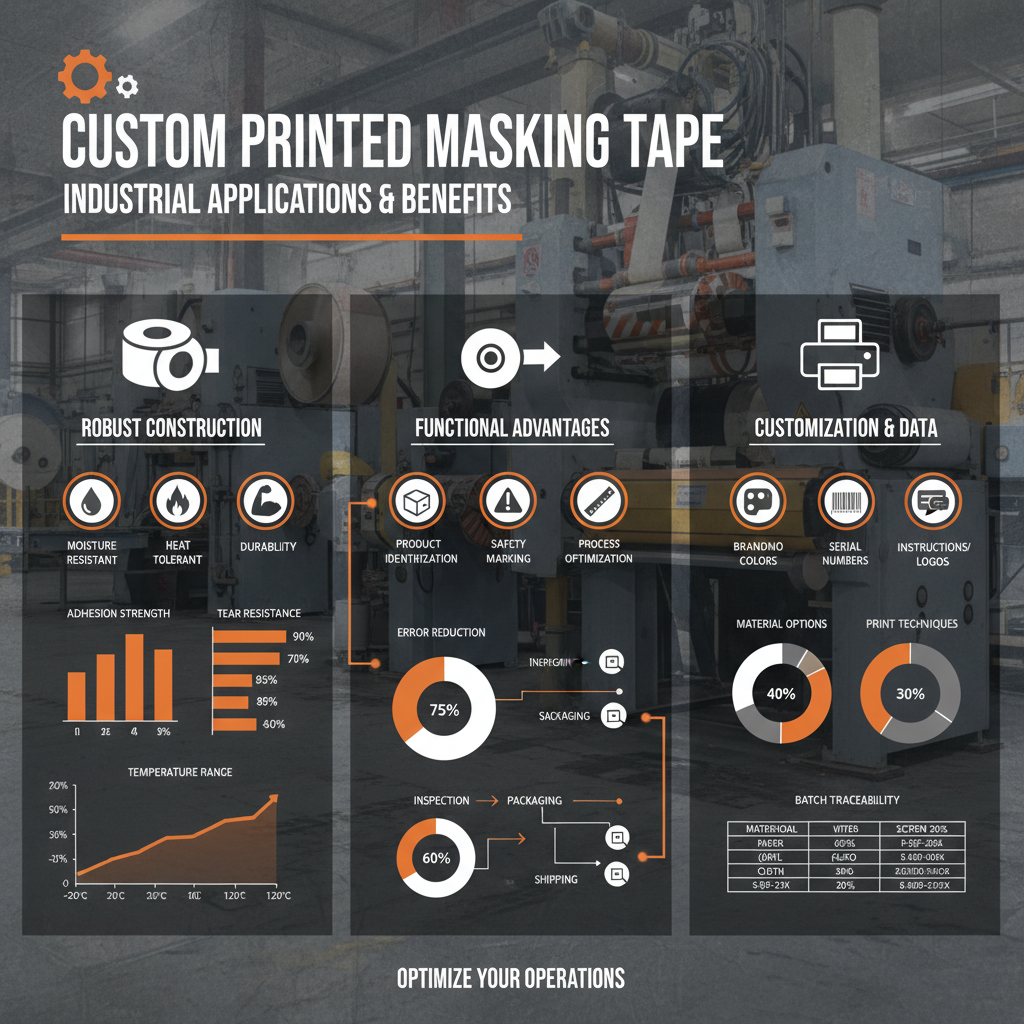
Printed masking tape represents a significant advancement over traditional masking tapes, offering a customizable solution for complex masking requirements. It’s more than just a protective layer; it’s a precise tool enabling intricate designs and efficient processes. This is achieved through the application of specific patterns, logos, or instructions directly onto the tape surface, significantly reducing preparation time and minimizing errors.
Its widespread adoption reflects a broader trend toward automation and optimization within manufacturing. Companies increasingly rely on printed masking tape to streamline workflows, improve product quality, and reduce operational costs. The benefits extend beyond simple masking, encompassing branding opportunities and enhanced traceability.
Defining Printed Masking Tape
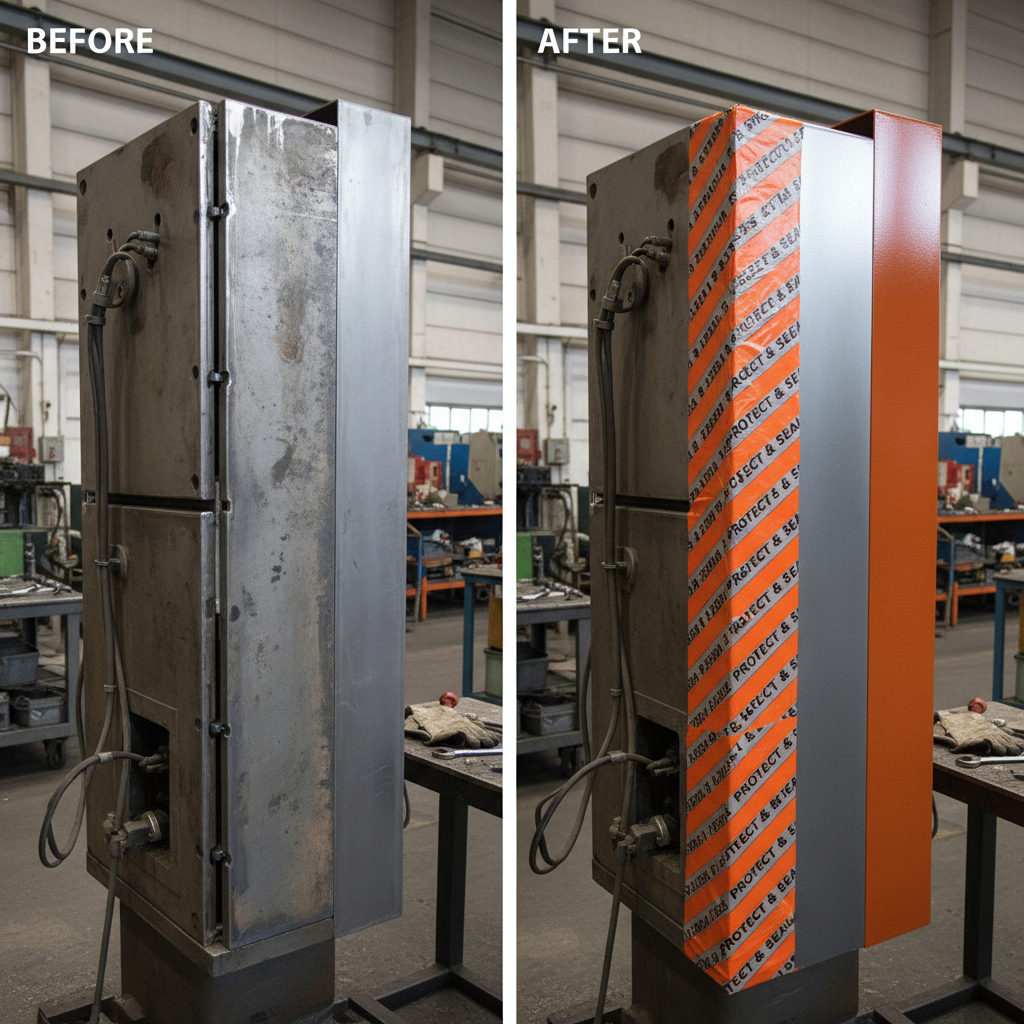
Printed masking tape is a pressure-sensitive tape comprised of a backing material – typically crepe paper, but increasingly, film or cloth – coated with an adhesive. What sets it apart is the addition of custom-printed graphics or text applied directly to the backing using specialized printing techniques. This allows for precise delineation of areas to be masked off during processes like painting, coating, blasting, or powder coating.
This technology connects directly to modern industrial needs, offering a level of precision and efficiency previously unattainable with conventional masking methods. In the context of humanitarian aid, customized printed masking tape can be utilized for labeling and organizing supplies, ensuring efficient distribution and proper usage.
The quality of the adhesive, the backing material, and the printing process itself all contribute to the effectiveness of printed masking tape. It’s a deceptively complex product engineered to withstand diverse environmental conditions and process requirements.
Core Components and Characteristics
Several key factors contribute to the performance and reliability of printed masking tape. First, the adhesive properties determine the tape's ability to adhere to various surfaces without leaving residue upon removal. Second, the backing material's strength and conformability dictate its ability to withstand stress and conform to complex shapes.
Third, the print quality—resolution, durability, and resistance to chemicals—is essential for maintaining clarity and legibility throughout the process. Fourth, the tape’s temperature resistance determines its suitability for high-temperature applications like powder coating. Finally, the ability to customize the tape’s width, length, and print design is crucial for tailoring it to specific needs.
These characteristics are not isolated; they interact to define the overall performance of the tape. A strong adhesive is useless without a conformable backing, and vibrant print is irrelevant if it quickly fades during the application process. The careful balancing of these components is what distinguishes high-quality printed masking tape.
Key Performance Indicators of Printed Masking Tape
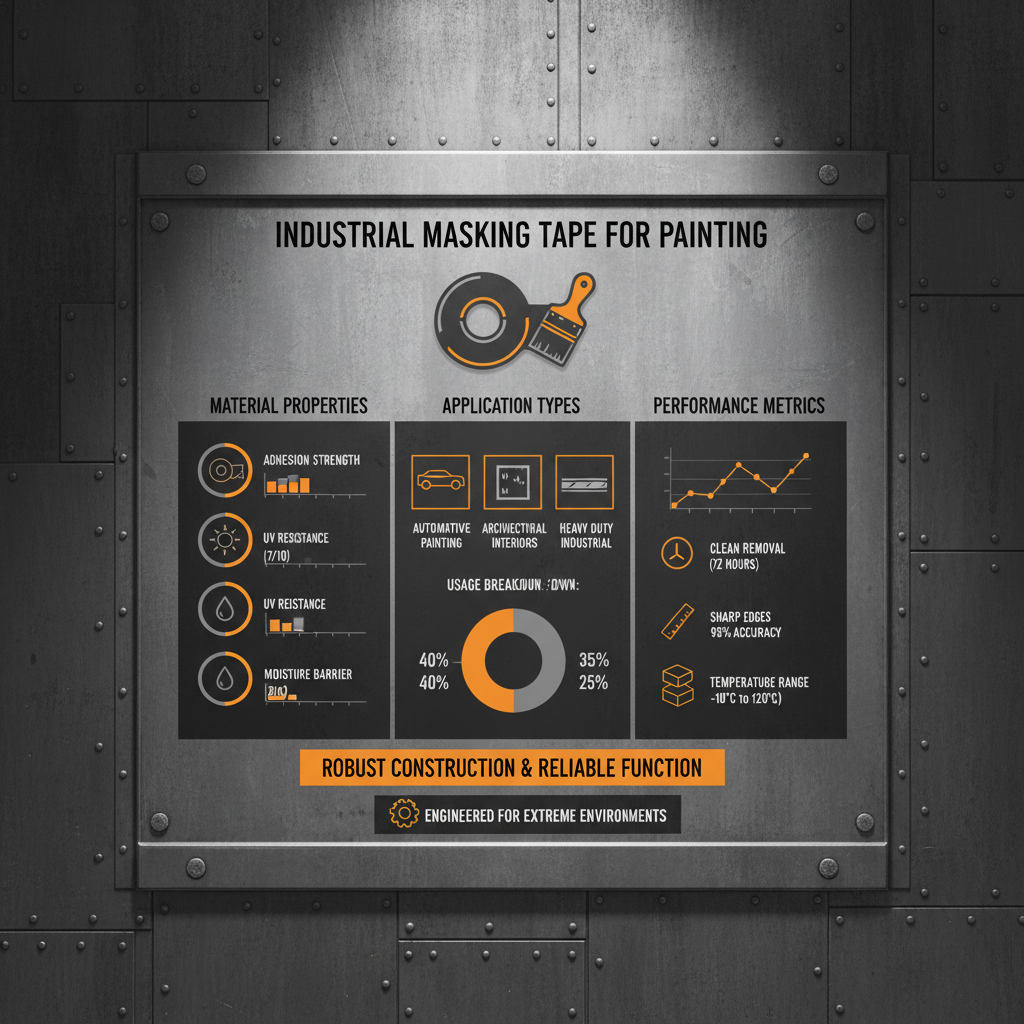
Evaluating the efficacy of printed masking tape requires considering several key performance indicators. These metrics dictate its suitability for diverse industrial applications and contribute to overall process efficiency. Crucially, adhesion strength is paramount, influencing how securely the tape masks areas during processes.
Resistance to solvents and chemicals is another vital metric. The ability to withstand harsh substances, encountered in painting or coating, ensures the integrity of the masked areas. Clean removal—the absence of adhesive residue—is essential to prevent defects and maintain product quality.
Comparative Performance of Printed Masking Tape Types
Applications Across Global Industries
The applications of printed masking tape are incredibly diverse, spanning across numerous industries worldwide. The automotive sector leverages it extensively for precise masking during painting processes, ensuring clean lines and efficient color separation. In the aerospace industry, it’s used for protecting critical components during surface treatments and inspections.
The construction industry utilizes printed masking tape for marking boundaries, protecting surfaces during renovation, and even for creating temporary signage. In post-disaster relief operations, custom-printed tape can aid in organization and labeling of crucial supplies. Furthermore, in remote industrial zones, it streamlines maintenance and repair processes.
Long-Term Benefits and Value Proposition
The long-term benefits of utilizing printed masking tape extend beyond immediate cost savings. Enhanced efficiency, reduced rework, and improved product quality all contribute to a significant return on investment. The ability to customize the tape with logos or instructions also provides branding opportunities and reinforces quality control procedures.
Furthermore, opting for more sustainable tape options – those utilizing recycled materials or biodegradable adhesives – demonstrates a commitment to environmental responsibility. This resonates with increasingly eco-conscious consumers and aligns with corporate sustainability goals. The reliability of the tape fosters trust and minimizes disruptions, leading to more predictable and streamlined operations.
Future Trends and Innovations in Printed Masking Tape
The future of printed masking tape is intertwined with advancements in material science, printing technologies, and sustainability initiatives. We’re seeing a growing trend toward eco-friendly tapes made from bio-based materials and featuring biodegradable adhesives. Digital printing technologies are enabling even more intricate and customizable designs.
Automation and integration with robotic systems are also poised to revolutionize the application process, further increasing efficiency and precision. The development of “smart” tapes – incorporating sensors or RFID tags for tracking and authentication – is another exciting avenue of innovation.
These advancements will not only enhance performance but also contribute to a more sustainable and circular economy, aligning with global efforts to reduce waste and minimize environmental impact.
Key Factors Influencing the Development of Printed Masking Tape
| Material Composition |
Printing Technology |
Adhesive Performance |
Sustainability Impact |
| Crepe Paper (Traditional) |
Flexographic Printing |
Rubber-Based Adhesive (Moderate) |
Low Recyclability |
| Vinyl Film (Durable) |
Digital Printing |
Acrylic Adhesive (High) |
Moderate Recyclability |
| Bio-Based Polymer |
UV Curing Printing |
Biodegradable Adhesive |
High Sustainability |
| Cloth (High Conformability) |
Screen Printing |
Hot Melt Adhesive |
Limited Recyclability |
| Recycled Paper |
Water-Based Printing |
Natural Rubber Adhesive |
Medium Sustainability |
| Silicone-Coated Fabric |
Laser Etching |
Silicone Adhesive (Very High Temp Resistance) |
High Durability, Limited Biodegradability |
FAQS
Crepe paper masking tape is known for its conformability and clean removal, ideal for general-purpose masking. Vinyl printed masking tape, however, offers superior durability, chemical resistance, and higher temperature tolerance, making it better suited for demanding applications like automotive painting. The choice depends on the specific requirements of the project.
For textured surfaces, select a printed masking tape with a more aggressive adhesive and consider applying increased pressure during application. Some tapes are specifically designed for difficult surfaces, often featuring a thicker adhesive layer and conformable backing. Proper surface preparation – cleaning and drying – is also crucial.
Yes, specialized printed masking tapes are designed to withstand the high temperatures associated with powder coating. These tapes typically feature a silicone or high-temperature acrylic adhesive and a durable backing that won't melt or distort during the curing process. Ensure the tape is rated for the specific temperature range of your powder coating process.
Choosing a high-quality printed masking tape with a clean-removing adhesive is the first step. Removing the tape slowly at a 45-degree angle can also help minimize residue. If residue remains, use a specialized adhesive remover designed for the surface being cleaned. Avoid harsh solvents that could damage the underlying material.
Several sustainable options are emerging, including tapes made from recycled paper, bio-based polymers, and biodegradable adhesives. Look for tapes certified by environmental organizations and those that prioritize responsible sourcing of materials. These choices minimize environmental impact without compromising performance.
Many suppliers offer custom printing services for masking tape. You’ll typically need to provide a high-resolution version of your logo or design. Discuss your requirements – tape material, adhesive type, print color, and quantity – with the supplier to ensure they can meet your needs. printed masking tape specialists can guide you through the process.
Conclusion
In conclusion, printed masking tape is a versatile and essential tool across a broad spectrum of industries, offering solutions for precision masking, branding, and process optimization. Its adaptability, coupled with ongoing innovation in materials and printing technologies, ensures its continued relevance in an evolving manufacturing landscape. Understanding its core components, performance indicators, and future trends is crucial for maximizing its benefits.
Looking ahead, the emphasis will undoubtedly shift towards sustainable and eco-friendly options, driven by increasing environmental awareness and regulatory pressures. Embracing these advancements will not only minimize environmental impact but also position businesses as leaders in responsible manufacturing. To learn more about custom printed masking tape solutions and how they can benefit your operations, visit our website: www.enliofloor.com.