0%

Table of Contents

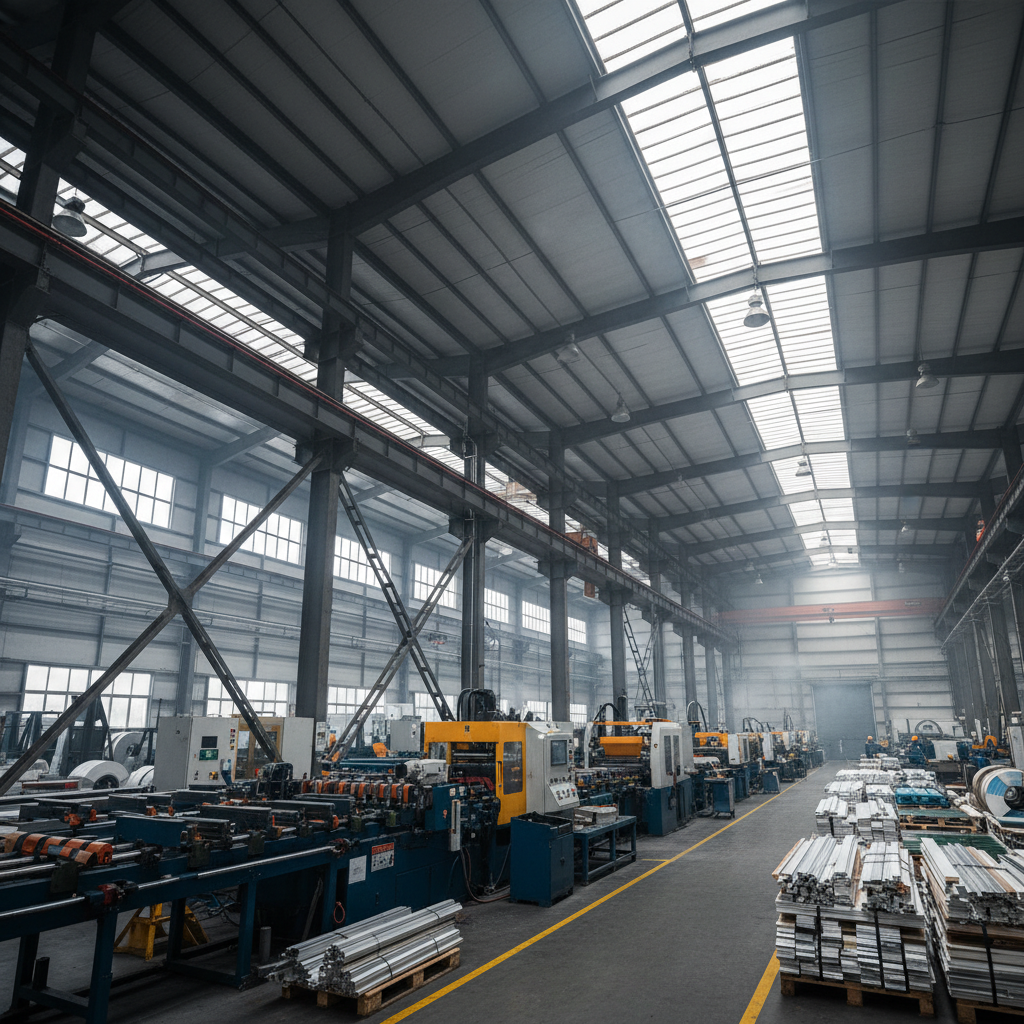
Look, after running around construction sites all year, dealing with dust, and smelling all kinds of adhesives, you start to see a few things. The market's going crazy for pre-fabricated stuff right now, everyone wants it faster, cheaper. But faster and cheaper rarely means better, you know? It usually means corners get cut somewhere. And let me tell you, I’ve seen those corners.

To be honest, a lot of these "innovations" are just re-hashing old ideas. We’re talking about flooring accessories now, right? Things like transition strips, edge protectors, underlayment... It all seems simple, but it’s surprisingly easy to mess up. Like, have you noticed how many transition strips don't actually transition smoothly? They always leave that tiny lip, a tripping hazard just waiting to happen. Drives me nuts.

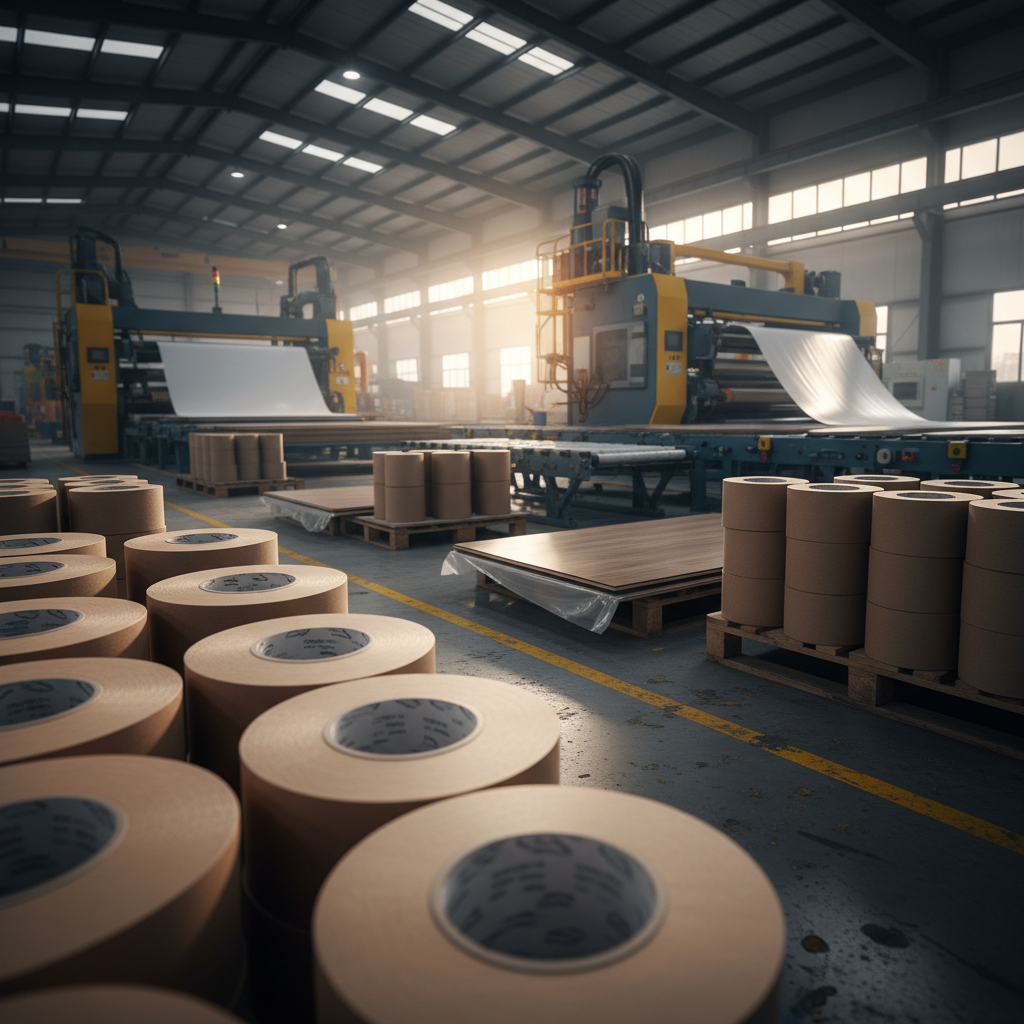
It's not just the design either. It’s the materials. People are obsessed with composite materials, saying they're "eco-friendly" and "durable." And some are, okay? But that cheap stuff smells like burning plastic when you cut it. I encountered this at a factory in Foshan last time, the air was thick with fumes. Gives you a headache just thinking about it. We're mostly using PVC, sometimes aluminum for edge protectors - the feel of aluminum is cold, strong, reassuring, you know? A good sign. Then there's the rubber underlayment, that stuff has a distinctive smell, like tires but less intense.
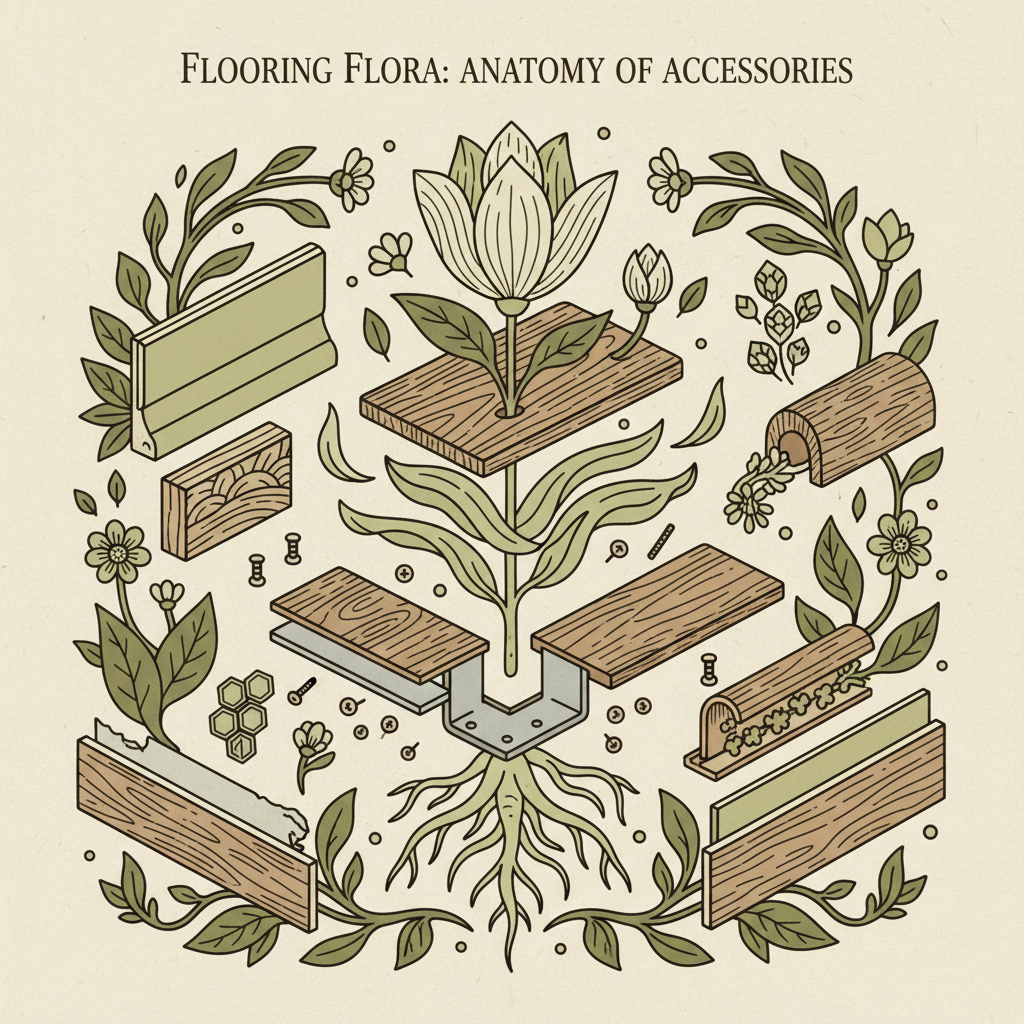
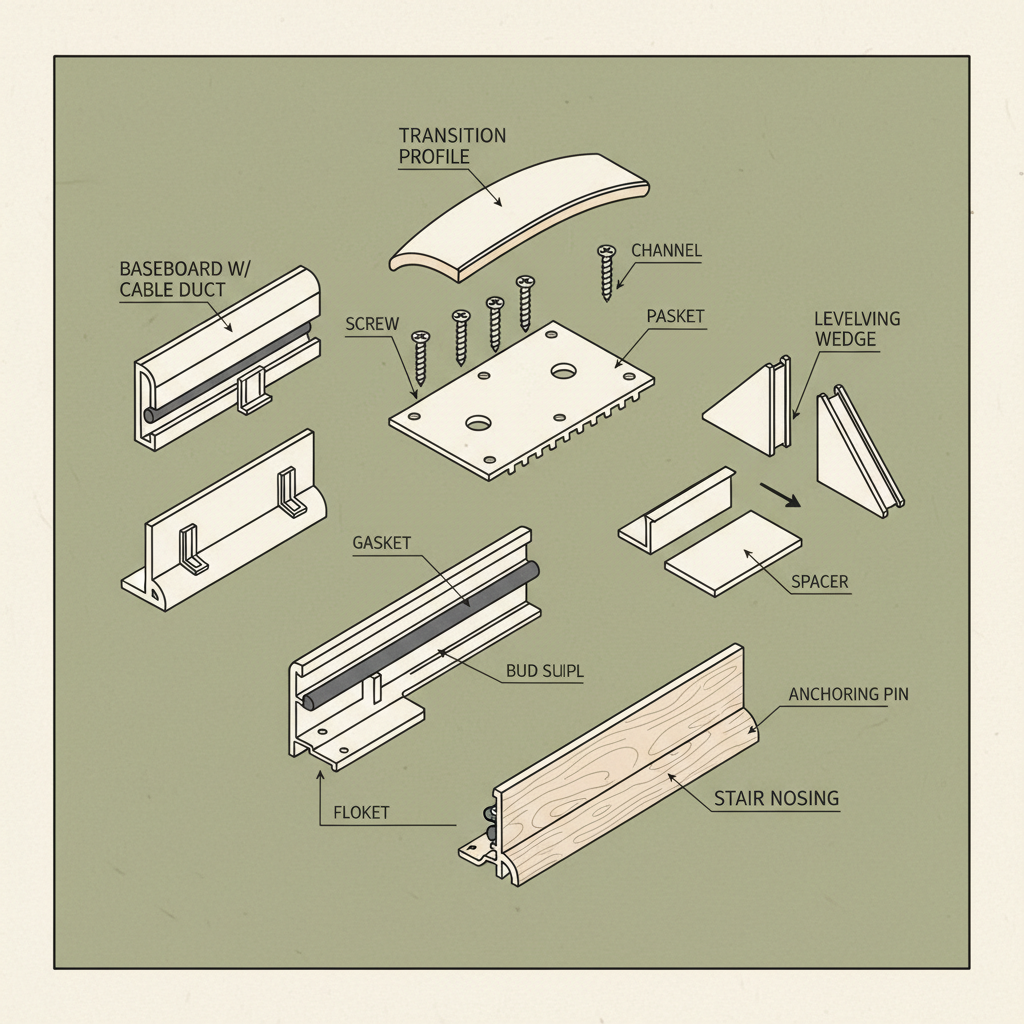
Navigating the World of Flooring Accessories Quality and Practical Considerations

The Current Trends in Flooring Accessories

Navigating the World of Flooring Accessories Quality and Practical Considerations

Strangely enough, there’s a big push for integrated systems now. Everything needs to talk to everything else. Smart homes, smart floors… I saw a system where the transition strip had sensors to detect foot traffic and adjust lighting. Overkill, if you ask me. But people are buying it.

Another trend is “invisible” accessories. Everyone wants seamless transitions, no visible strips, no bulky edges. It's a nice idea, but it usually requires more precise installation and more expensive materials. It’s a trade-off. And the really cheap stuff? It just looks… off.

Design Pitfalls and Common Mistakes

The biggest problem? People design these things without talking to the installers. I've lost count of the number of times I've seen a transition strip that's impossible to get flush with the surrounding flooring. It requires chiseling, sanding, cursing… you name it. It's designed by someone in an office who's never actually laid flooring.

And the tolerances! Nobody accounts for variations in flooring thickness. One batch of laminate might be slightly thicker than the next. And if your transition strip is designed for a specific thickness, you’re in trouble.

Another thing, the little plastic clips they use to hold edge protectors in place? They break. Always. A flimsy little piece of plastic holding everything together. It's a disaster waiting to happen.

Material Deep Dive: What We Actually Use

PVC is king, let’s be real. It’s cheap, durable, and easy to work with. But the quality varies wildly. You get what you pay for. The good stuff is flexible, doesn't crack easily, and has a decent finish. The cheap stuff… well, you know. It feels brittle, smells bad, and falls apart after a few months.

We use a lot of aluminum for edge protectors, especially in commercial applications. It's strong, resistant to wear and tear, and looks pretty good. Though it can dent if you're not careful. We also use rubber – it’s mostly for underlayment. It helps with soundproofing and adds a bit of cushioning. Different densities for different applications, you know?

And then there's wood. Not a ton, honestly. It's more expensive and requires more maintenance. But it's good for creating a more natural look, if that's what the customer wants. It really depends on the project.

Real-World Testing: Beyond the Lab

Lab tests are fine, but they don't tell you the whole story. I want to see how this thing holds up to a dropped hammer, a rolling scaffold, a spilled can of paint. We usually just… abuse it on a job site. Seriously.

We simulate real-world conditions. We put transition strips under heavy foot traffic, we test edge protectors with power tools, we expose underlayment to moisture. If it survives a week on a construction site, it's probably good enough. Anyway, I think that's a more realistic assessment than anything you'll get from a lab report.

Flooring Accessory Performance Ratings (1-10)


How Users Really Utilize Flooring Accessories

They usually just slap it down and hope for the best, to be honest. Most homeowners aren't thinking about tolerances or material properties. They just want it to look good and not trip over it. The pros, they know better, but even they are rushed and often have to make compromises.

What I’ve noticed is that a lot of people underestimate the importance of underlayment. They think it’s just padding, but it affects everything – soundproofing, comfort, moisture resistance. It's a critical component, but it's often overlooked.

The Good, The Bad, and The Customizable

The good stuff? Aluminum edge protectors are fantastic. Durable, look good, and easy to install. The bad? Those cheap plastic transition strips. They're a waste of money. And the customizable part… we did a project where a customer wanted a transition strip that matched the exact color of their flooring. We had to get a custom dye made, it was a pain, but the result looked amazing.

You can get different finishes on aluminum - brushed, polished, anodized. And you can order transition strips in different lengths. But beyond that, customization is tricky. It usually requires minimum order quantities and longer lead times.

A Customer Story: The Transition Strip Saga

Last month, that small boss in Shenzhen who makes smart home devices insisted on changing the interface to , and the result was… a disaster. He wanted a transition strip with a built-in port to charge his smart floor. I swear, I almost walked off the job. It was completely unnecessary, added a ton of cost, and made the installation way more complicated. He was convinced it was the future, though. The strip broke within a week. He just wanted to be different, I guess.

He ended up switching back to a standard transition strip. Lesson learned, I suppose. Sometimes, simpler is better.

It cost him a fortune in wasted materials and labor. The moral of the story? Don't let customers dictate engineering.

Summary of Flooring Accessory Material Properties

Material Cost (USD/meter) Durability (1-5, 5 being highest) Ease of Installation (1-5, 5 being easiest)
PVC $2-5 3 5
Aluminum $8-15 5 3
Rubber $3-7 4 4
Wood $10-20 2 2
Composite (WPC) $5-10 3 4
Plastic (ABS) $1-3 1 5

FAQS

What’s the best type of transition strip for a high-traffic area?

For high traffic, you need something durable. I always recommend aluminum or a high-quality PVC with a reinforced core. Avoid those flimsy plastic ones – they’ll get crushed in a week. Look for something with a textured surface for better grip, especially if it’s a ramp. You want something that can take a beating and still look decent.

How do I choose the right underlayment for soundproofing?

It depends on how much soundproofing you need. Thicker underlayment generally provides better sound absorption. Look for a product with a high Impact Insulation Class (IIC) and Sound Transmission Class (STC) rating. Rubber underlayment is a good choice, and cork is also decent. But remember, underlayment is just one piece of the puzzle. You also need to consider the flooring itself and the construction of the walls and ceiling.

Can I use flooring accessories with radiant heat flooring?

You absolutely can, but you need to be careful. Not all materials are compatible with radiant heat. Avoid anything with a high thermal resistance. PVC and rubber are generally okay, but check the manufacturer's specifications. And make sure the adhesive you use is also heat-resistant. You don't want anything melting or off-gassing when it gets warm.

What are some common mistakes when installing edge protectors?

People often underestimate how much force is needed to snap them in place. They’re afraid of breaking them, so they don’t push hard enough. And they don’t always check that the flooring is perfectly level underneath. If there’s a gap, the edge protector will be loose and wobbly. Also, using the wrong adhesive is a big no-no. It needs to bond well to both the flooring and the edge protector.

How important is moisture resistance in flooring accessories?

It’s crucial, especially in bathrooms and kitchens. Moisture can cause warping, cracking, and mold growth. Look for accessories made from waterproof materials like PVC or aluminum. And always use a moisture barrier underneath the flooring. Even a small amount of moisture can cause big problems down the line. I’ve seen floors ruined by a leaky pipe, trust me.

What’s the deal with “eco-friendly” flooring accessories?

It's complicated. A lot of it is marketing hype. “Eco-friendly” often means it's made from recycled materials, but that doesn’t necessarily mean it’s better for the environment overall. You have to consider the entire lifecycle of the product, from manufacturing to disposal. Look for products with certifications like FloorScore or GreenGuard. And remember, sometimes the most sustainable option is simply to choose a durable product that will last a long time.

Conclusion

Ultimately, flooring accessories aren’t glamorous, but they’re essential. They’re the unsung heroes of any flooring installation. They’re what ties everything together, protects the edges, and makes the whole thing look and feel finished. And if you skimp on quality, you’ll regret it. It’s tempting to save a few bucks, but those cheap accessories will end up costing you more in the long run.

Anyway, I think the future of flooring accessories is going to be about integration and customization. We’ll see more products with built-in features, like sensors and lighting. And we’ll see more options for matching accessories to specific flooring designs. But at the end of the day, whether this thing works or not, the worker will know the moment he tightens the screw.
Michael Thompson

Michael Thompson

Michael Thompson is Enlio’s Quality Control Manager, responsible for maintaining the high standards of our CE, ISO9001, and Floorscore certified products. He oversees the entire production process, from raw material inspection to final product testing. Michael has a strong background in chemical engineering and ensures all Enlio flooring meets rigorous
Previous Understanding the Nuances of Laminate Flooring Accessories and Installation
Next Navigating the Evolving Landscape of Modern Floor Accessories and Installation