
Regional Analysis
The Flooring Landscape in Uganda
Analyzing the shift toward sustainable and resilient synthetic flooring in East Africa.
The Ugandan construction market is currently experiencing a significant transition as urbanization accelerates in cities like Kampala and Entebbe. Historically, flooring choices were limited to ceramic tiles or traditional hardwoods, which often struggled with the region's erratic temperature shifts and high humidity. The demand for residential vinyl sheet flooring has grown as homeowners seek a balance between aesthetic luxury and practical maintenance. This shift is driven by a growing middle class and an increase in modern apartment complexes that require fast installation and long-term durability.
Current market trends indicate a strong move toward circular economy principles. There is an increasing preference for adhesive-free installation methods, which simplify the renovation process and reduce the environmental impact of chemical glues. Technical drivers, such as the need for antibacterial surfaces in health facilities and shock-absorbent floors in educational institutions, are pushing the market toward specialized products like dry back LVT and homogeneous floors. Commercial property developers are now prioritizing materials that offer both high wear resistance and a lower total cost of ownership over a ten-year lifecycle.
While opportunities are vast, the market faces constraints related to quality consistency and supply chain reliability. The arrival of certified international standards—such as CE and FloorScore—is helping Ugandan procurement officers distinguish between low-grade plastics and professional-grade spc vinyl flooring. The outlook remains positive, with a projected increase in the adoption of sustainable, recyclable flooring as government regulations on building materials tighten and the focus on "green" architecture becomes a primary design requirement for new commercial developments.
Technology Journey
Evolution of Vinyl Flooring Systems
From simple plastic sheets to high-performance composite structures.
Early Stage
Basic Vinyl Sheets
Early flooring relied on flexible vinyl sheets that required extensive adhesives. While waterproof, they were prone to tearing and had limited wear resistance in commercial settings.
Developmental Phase
Rise of LVT & WPC
The introduction of Luxury Vinyl Tiles (LVT) and Wood Plastic Composites (WPC) provided better aesthetics and structural stability, introducing the concept of click-lock systems.
Modern Era
SPC Innovation
Stone Plastic Composite (SPC) technology emerged, combining limestone with polymers to create a rigid core that is virtually immune to thermal expansion and humidity.
Transition to Adhesive-Free
The industry has moved away from harmful glues toward mechanical locking systems. This not only protects the health of the installer but also allows the flooring to be disassembled and recycled, supporting a circular economy.
Enhanced Surface Engineering
Modern flooring now incorporates nano-coatings that repel liquids and oils, significantly reducing the frequency of deep cleaning and extending the lifespan of the wear layer in high-traffic zones.
Sustainable Material Sourcing
The focus has shifted toward using recyclable raw materials and eliminating phthalates. This ensures that the product's lifecycle—from production to disposal—minimizes environmental degradation.
Future Outlook
Emerging Directions in Flooring Tech
Where performance meets sustainability in the next generation of surfaces.
Circular Economy Integration
Increased use of recycled content in the core layers. This reduces the reliance on virgin plastics and allows flooring to be fully recaptured at the end of its life.
Bio-Based Polymer Research
Developing binders and resins derived from organic sources rather than petroleum, further reducing the carbon footprint of dry back lvt flooring.
Hyper-Realistic Texturing
Using Synchronized Embossing (EIR) to match the visual grain of wood or stone with the actual physical texture, providing an authentic tactile experience.
Acoustic Comfort Optimization
Integrating advanced IXPE or EVA underlayments directly into the backing to reduce impact noise, critical for multi-story residential buildings in urban areas.
The intersection of technology and ecology is redefining how surfaces are conceptualized. The industry is no longer just focused on the "look" of the floor but on its entire lifecycle analysis. In Uganda, this means adopting products that can withstand extreme UV exposure and high humidity without off-gassing harmful chemicals. The push toward 0-formaldehyde standards is not just a regulatory requirement but a response to a growing consumer awareness regarding indoor health and wellness.
Furthermore, the integration of smart manufacturing processes allows for tighter tolerances in click-lock mechanisms. This reduces the "gap" issue common in lower-end LVT, ensuring that the flooring remains watertight and stable over decades. As the market matures, the focus will shift toward hybrid solutions that combine the rigidity of SPC with the comfort of softer vinyl, catering to specific ergonomic needs in commercial workspaces and healthcare facilities.
Application Guide
Practical Flooring Applications in Uganda
Tailored solutions for various local operational environments.
01
Kampala Modern Residential Apartments
In new high-rise developments, homeowners require aesthetic flooring that is easy to install during rapid construction. Using spc vinyl flooring allows for a seamless, wood-look finish that resists moisture from cleaning and prevents the warping common in the local humid climate, ensuring long-term property value.
02
Healthcare Facilities in Entebbe
Clinics and hospitals require strictly hygienic surfaces. The application of homogeneous vinyl or specialized LVT with antibacterial coatings ensures that floors can be sanitized frequently without degrading. The non-porous surface prevents the seepage of fluids, which is critical for infection control in medical environments.
03
Boutique Hotels and Guest Houses
Hospitality venues need a balance of luxury and durability. By implementing click LVT flooring in guest rooms, operators achieve a high-end visual appeal with minimal maintenance. The scratch-resistant layer protects against suitcase wheels and furniture movement, reducing the need for frequent room closures for repairs.
04
Corporate Offices in Central Business Districts
Open-plan offices experience constant foot traffic and rolling chairs. The use of dry back lvt flooring provides a stable, hard-wearing surface that does not indent under heavy furniture. The sound-absorption properties help manage acoustic noise in busy work environments.
05
Private Educational Institutions
School corridors and classrooms require shock-absorbent and wear-resistant surfaces. High-performance vinyl sheet flooring provides a safe environment for students while resisting the heavy abrasion caused by daily activity. The easy-to-clean nature of the material ensures that hygiene standards are maintained with low operational costs.
Operational Evidence
Representative Deployment Contexts
Illustrating the practical impact of Enlio solutions in real-world scenarios.
In a typical commercial office deployment, the shift to click-lock SPC flooring reduced installation time by nearly half compared to traditional adhesives. The result was a perfectly level surface that withstood heavy rolling chair traffic without showing signs of wear for several years, significantly lowering maintenance overhead.
For a residential project in a high-humidity area, the use of waterproof vinyl sheets eliminated the recurring issue of floor swelling. The material maintained its structural integrity despite the tropical climate, providing the homeowners with a durable and aesthetically pleasing interior that required only basic mopping for upkeep.
Implementing antibacterial LVT in a clinic setting ensured compliance with strict health regulations. The seamless finish prevented dust and pathogen accumulation in corners, while the chemical-resistant surface allowed for aggressive sterilization without fading or peeling, maintaining a sterile environment for patients.
About Enlio
A Legacy of Sustainable Flooring
Combining international production standards with a commitment to nature.
2007
Foundation & Innovation
Enlio was established as one of the first manufacturers to introduce international advanced vinyl flooring production lines. From the start, the company focused on creating innovative and sustainable flooring solutions including SPC and LVT.
Growth Phase
Certification Excellence
To ensure global quality, Enlio obtained a comprehensive suite of certifications including CE, ISO9001, ISO14001, RoHS, FloorScore, and NFT, proving the safety and durability of its products across diverse markets.
Current Era
Sustainability Leadership
Today, Enlio emphasizes the harmonious coexistence between humans and nature, utilizing recyclable materials and expanding its adhesive-free range to support the global circular economy.
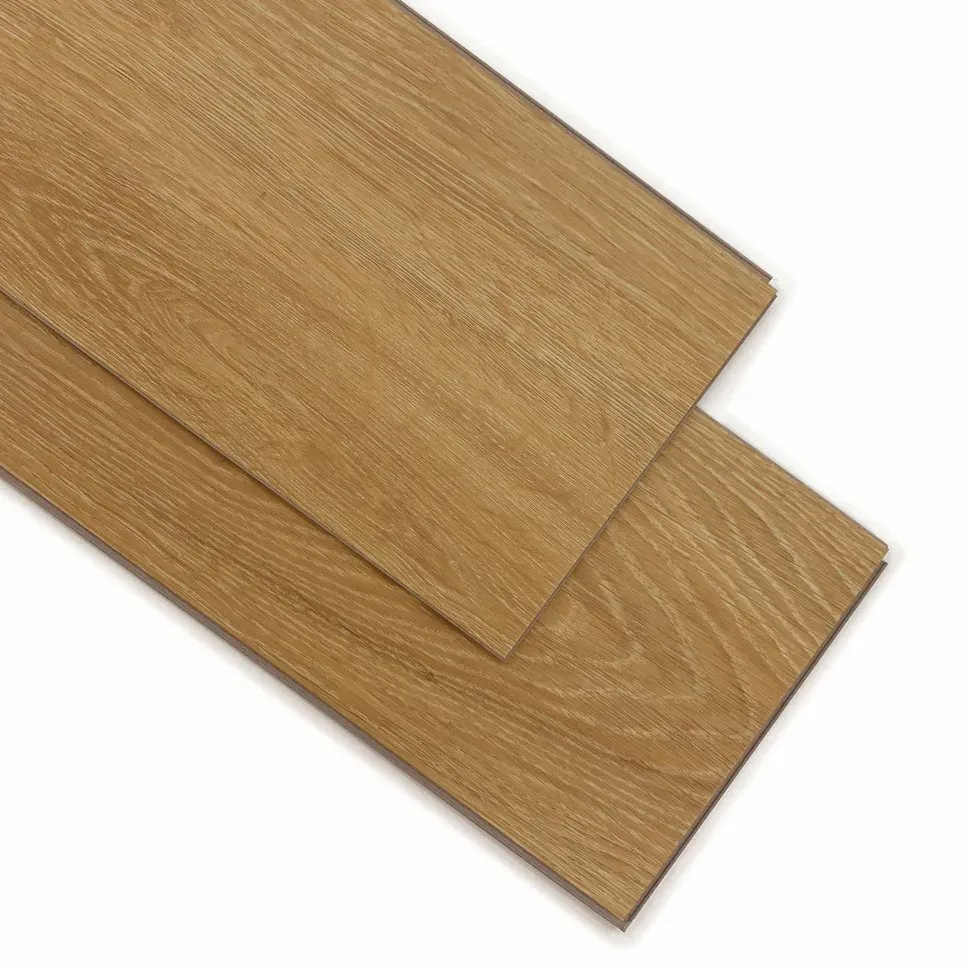
SPC Vinyl flooring
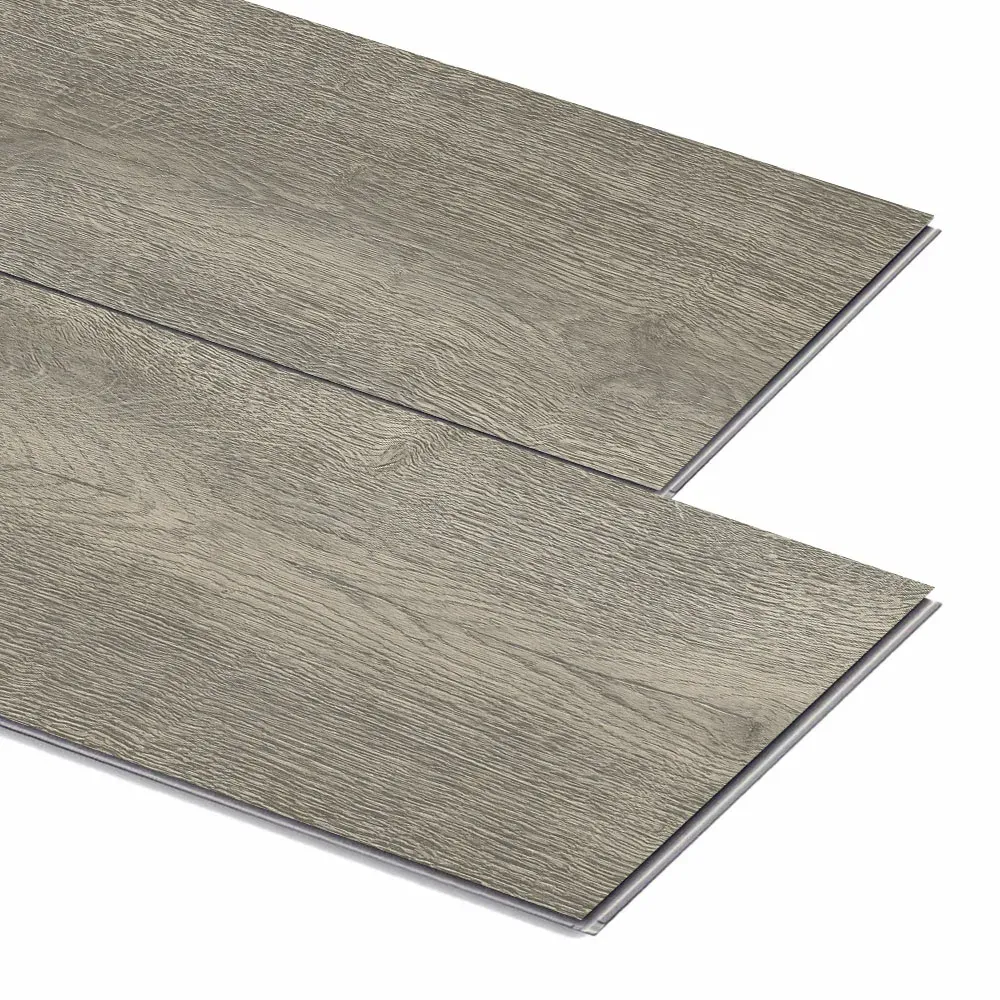
Premium SPC Rigid Vinyl Flooring China Factory and Wholesale Suppliers
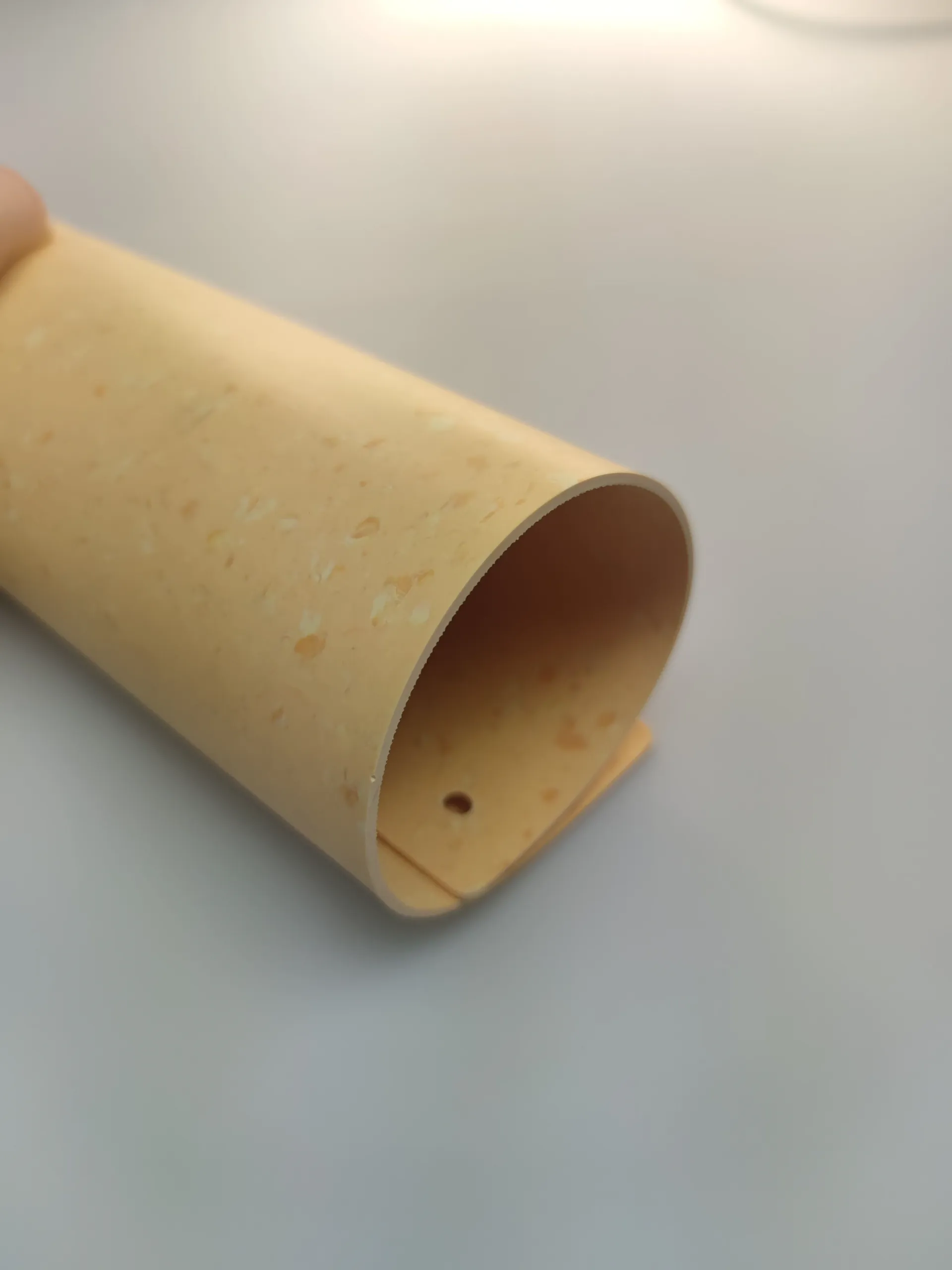
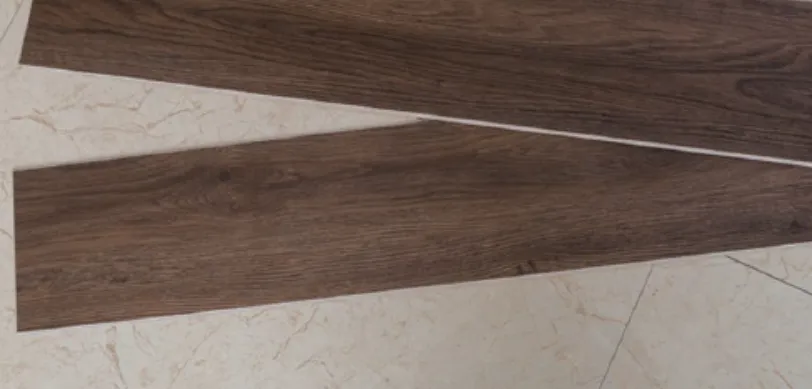
Premium Homogeneous Vinyl Flooring Suppliers and Factory in China Puenie Collection
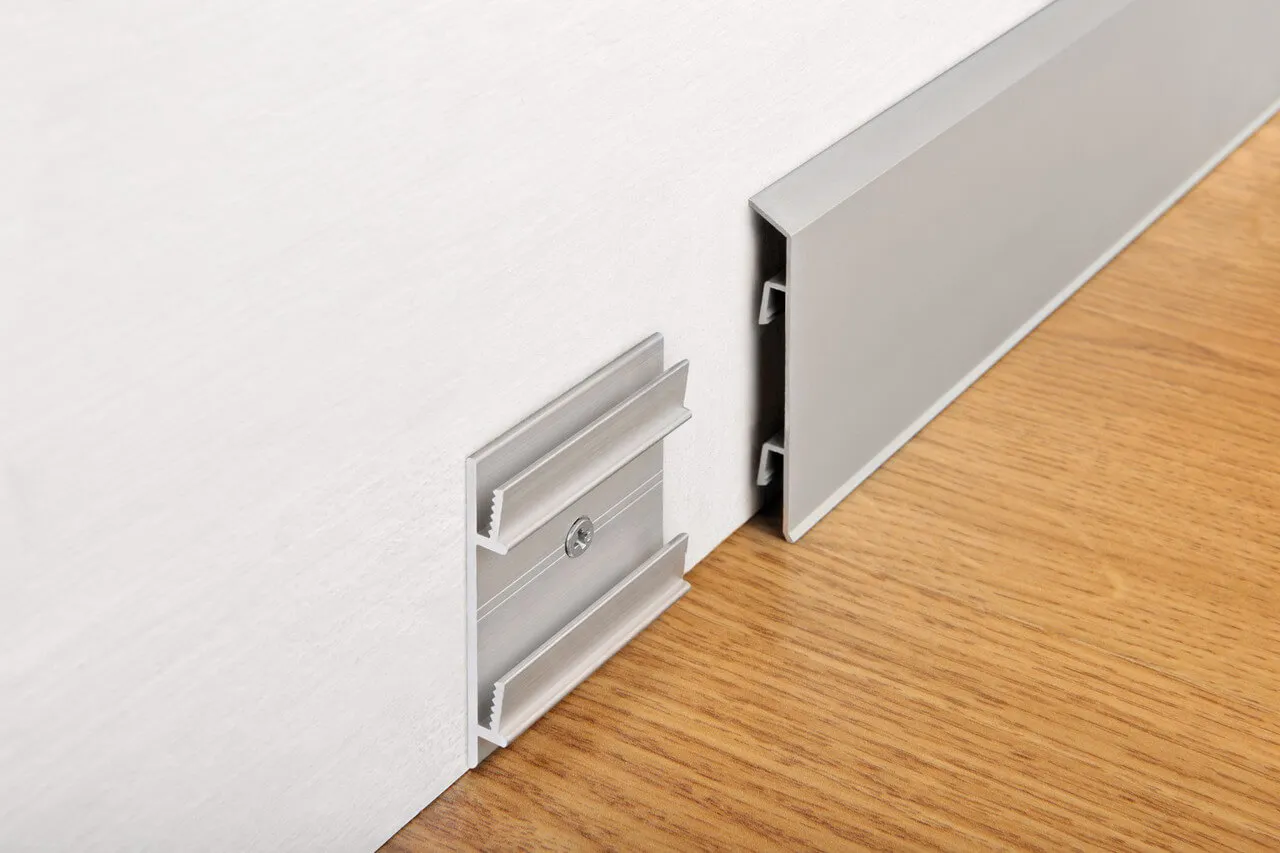
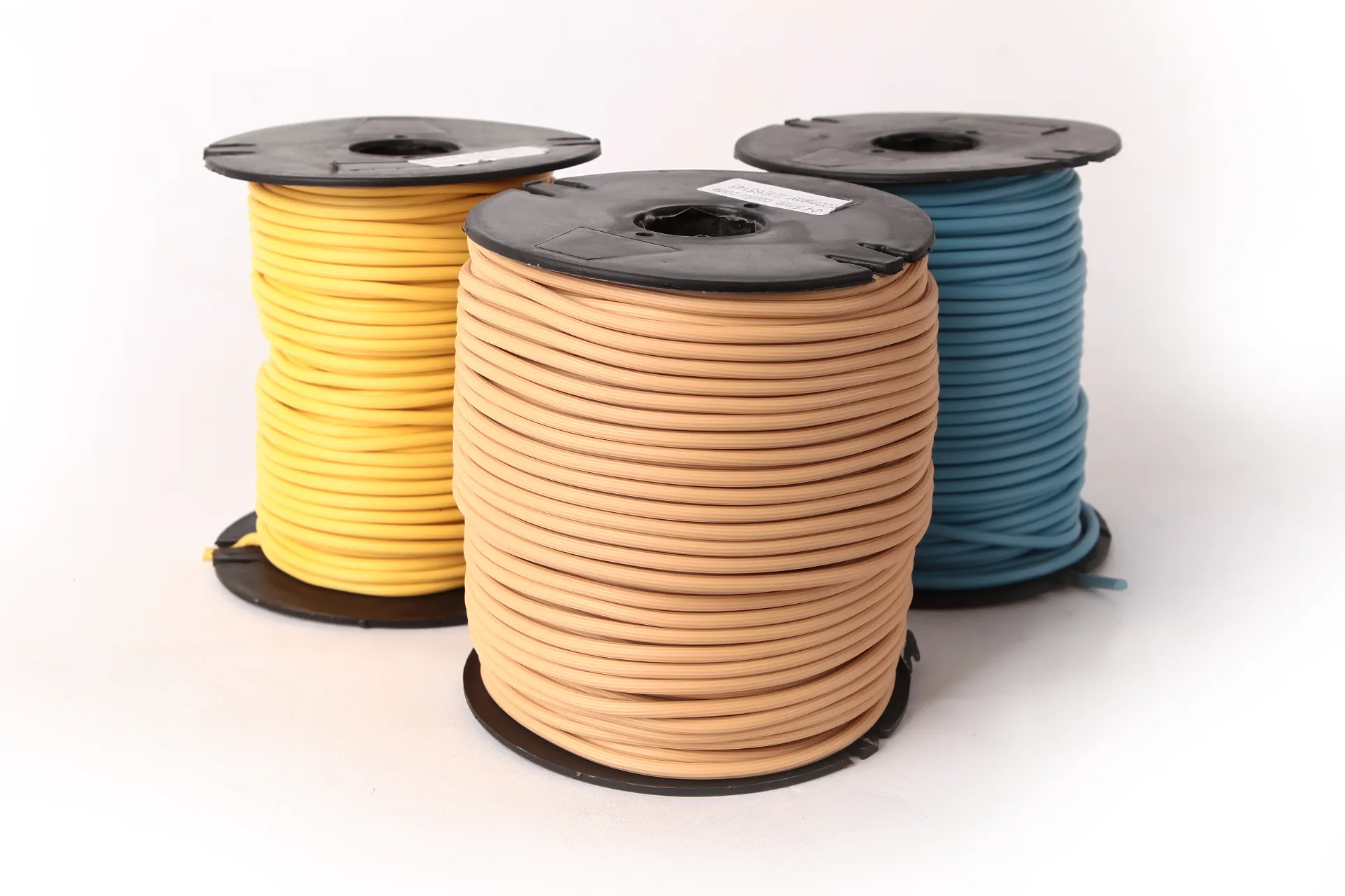
Premium Aluminum Skirting Board Factory and Suppliers in China
Expert Insights
Common Questions About Vinyl Flooring
Clear answers to help you choose the right surface for your Ugandan property.
What is the main difference between SPC and LVT flooring?
The primary difference lies in the core composition. SPC (Stone Plastic Composite) features a rigid core made of limestone and polymers, making it highly stable and 100% waterproof, which is ideal for humid regions. LVT (Luxury Vinyl Tile) typically has a more flexible vinyl core, offering a softer feel underfoot and often a wider range of designs, but it may be more susceptible to thermal expansion than SPC.
How does click-lock installation benefit commercial projects in Uganda?
Click-lock installation eliminates the need for chemical adhesives, which significantly accelerates the deployment process and reduces labor costs. For commercial operators, this means minimal downtime during renovations. Additionally, because it is a floating floor, it can be installed over existing surfaces and is easily replaceable if a specific section is damaged, without needing to tear up the entire floor.
Can residential vinyl sheet flooring withstand the tropical humidity of Uganda?
Yes, high-quality vinyl sheet flooring is engineered to be moisture-proof. Unlike hardwood or laminate, it does not absorb water, preventing swelling, rotting, or mold growth. To ensure maximum performance in tropical climates, it is recommended to ensure the subfloor is properly leveled and dry before installation to prevent air pockets that could compromise the bond.
Are Enlio floors safe for use in hospitals and schools?
Absolutely. Enlio products are manufactured to be 0-formaldehyde and are RoHS compliant, ensuring no harmful emissions into the indoor air. Furthermore, our flooring includes antibacterial and anti-mold properties, which are critical for maintaining hygiene in high-occupancy public spaces like clinics and classrooms, meeting international health and safety standards.
What is the typical maintenance routine for SPC vinyl flooring?
Maintenance is exceptionally low. Regular sweeping or vacuuming to remove grit and dust is sufficient. For deeper cleaning, a damp mop with a pH-neutral cleaner is recommended. Because of the high-density wear layer, harsh scrubbing or abrasive chemicals are unnecessary and should be avoided to preserve the surface luster and protective coating over time.
How do I choose between dry back LVT and click LVT?
The choice depends on your subfloor and installation goals. Dry back LVT requires glue and provides a more permanent, stable feel, making it ideal for very high-traffic commercial zones where the floor must not shift. Click LVT is faster to install, requires no glue, and is better for residential or flexible commercial spaces where the ability to replace planks easily is a priority.
Ready to Upgrade
Transform Your Ugandan Space with High-Performance Flooring
Whether you are managing a commercial development in Kampala or renovating a family home, our experts provide the technical guidance needed to select the perfect moisture-resistant and sustainable flooring solution. Discover how our certified SPC and LVT systems can reduce your long-term maintenance costs and enhance your interior environment.
Discuss Your Requirements