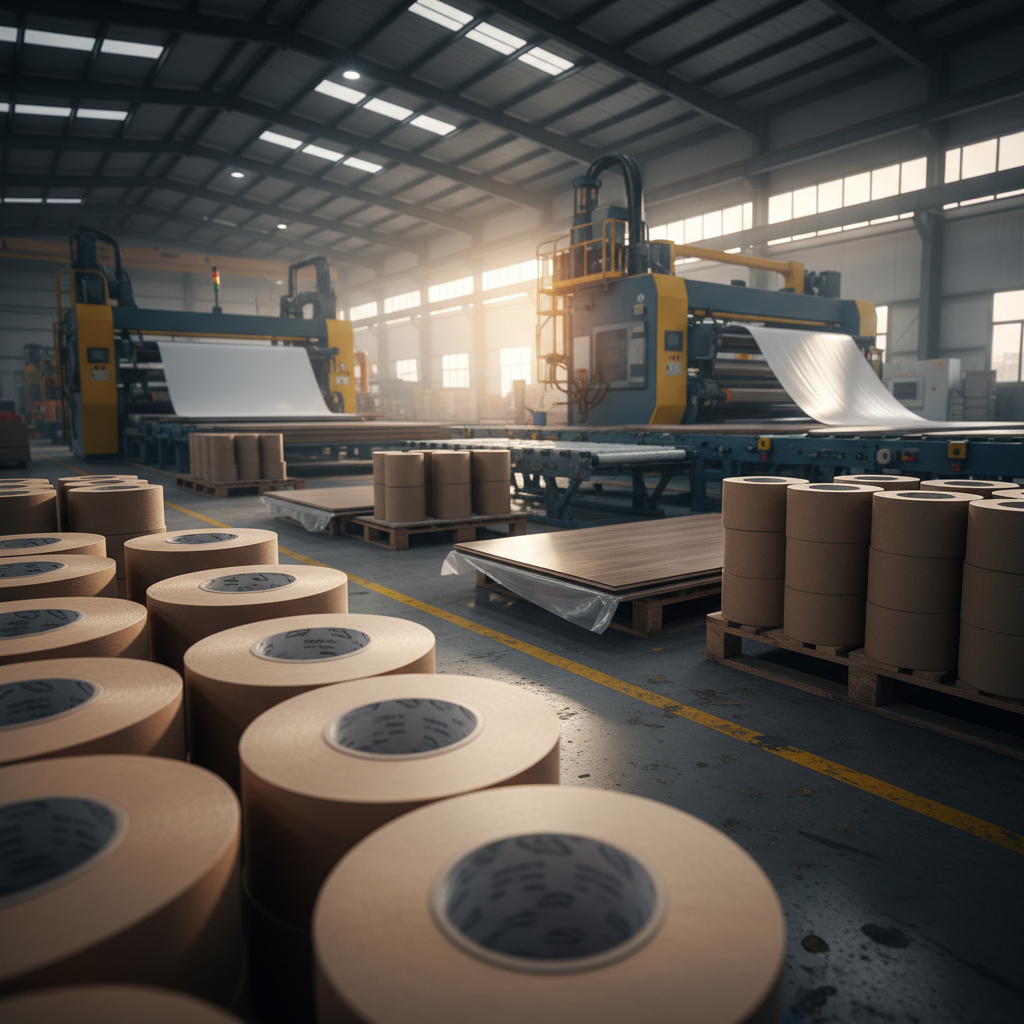
Precision in professional flooring installation is often determined by the quality of the auxiliary materials used during the layout and finishing phases. While high-performance vinyls provide the durability, the temporary securing and protection of edges rely heavily on specialized adhesive solutions.
Selecting a reliable masking tape company is not merely about sourcing a commodity, but about ensuring that the adhesive residue does not compromise the integrity of the floor surface or the aesthetic of the final joint. In commercial environments, the stakes are higher, as any failure in masking can lead to costly rework and delayed project handover.
This analysis examines the critical role of masking tapes within the flooring industry, evaluating the technical balance between adhesion strength and clean removal, and how these accessories integrate into a broader sustainable installation ecosystem.


Masking tape serves as a critical temporary barrier in the installation of homogeneous and heterogeneous vinyl floors. Its primary purpose is to protect adjacent surfaces from adhesive overflow and to maintain the precise positioning of floor sheets before the final bonding occurs.
For professionals working with Puenie homogeneous vinyl, masking is essential during the welding process. It ensures that the welding rod is applied only to the joint, preventing thermal damage or residue from contaminating the main wear layer of the flooring.
The efficacy of a masking solution is measured by its "tack" and its "shear strength." In the context of plastic flooring, the tape must be strong enough to withstand the tension of the vinyl sheet during rollout but flexible enough to follow the contours of the subfloor without lifting.
Material composition typically involves a crepe paper or synthetic film backing combined with a rubber-based adhesive. The quality of the backing determines the tear resistance, while the adhesive chemistry dictates whether the tape will leave "ghosting" residues—sticky patches that attract dirt and degrade the appearance of the new floor.
Furthermore, temperature stability is a key technical factor. Installation environments vary from chilled warehouses to heated commercial spaces; therefore, the adhesive must maintain a consistent bond without becoming brittle or overly fluid under varying thermal conditions.
One of the most significant challenges for flooring contractors is the trade-off between a secure hold and a clean release. A tape that is too aggressive may pull up the surface texture of the vinyl or leave behind adhesive that requires chemical solvents to remove, which can potentially stain the flooring.
The optimal masking solution for resilient flooring is characterized by high initial tack for immediate stability and low residual adhesion after removal, ensuring that the surface remains chemically pure for subsequent treatments.
This balance is particularly vital for specialized products like Puenie antibacterial or conductive vinyl. Since these floors are often installed in healthcare or electronic environments, the use of residues or harsh cleaning solvents to remove poor-quality tape can compromise the hygienic or technical properties of the floor.
When evaluating a masking tape company, commercial buyers often look beyond the unit price to "application efficiency." This involves the time spent applying the tape and the time spent cleaning the surface post-removal.
Higher-grade tapes reduce the labor cost associated with surface preparation. By eliminating the need for adhesive scrubbing, contractors can significantly shorten the project timeline, adding more value to the overall installation process than a cheap, low-quality alternative would provide.
In a typical hospital renovation, where Puenie Antibacterial Vinyl is utilized, masking tape is used to isolate the flooring area from the wall skirting. The tape must hold firmly against the wall surface but release without peeling the paint or leaving residue that could harbor bacteria, aligning with the overall hygienic goal of the project.
Similarly, in large-scale commercial offices using LVT or SPC flooring, masking tape is often employed to mark layouts or secure edges during the application of glue. In these settings, the speed of removal is paramount to allow for immediate foot traffic or the placement of furniture.
The flooring industry is shifting toward a circular economy, with Enlio emphasizing recyclable materials and non-adhesive installation methods. This sustainability push extends to accessories, where there is a growing demand for biodegradable backings and VOC-free adhesives in masking tapes.
Reducing the chemical footprint of installation is no longer optional. Modern contractors are evaluating accessories based on their environmental impact, preferring products that do not emit harmful substances during the curing or removal process, thereby contributing to healthier indoor air quality.
As the industry evolves, we expect to see a tighter integration between the flooring material and its accessories, where the masking tape is specifically engineered for the chemical composition of the vinyl it protects, reducing waste and increasing the longevity of the installation.
Choosing the right accessories requires a systematic approach. Contractors must analyze the surface energy of the vinyl, the expected duration of the tape's application, and the ambient temperature of the site. A mismatch in these factors often leads to either premature lifting or permanent surface damage.
The following framework assists in determining the suitability of a masking solution based on the specific type of resilient flooring and the intended operational goal.
By aligning the accessory's properties with the flooring's technical requirements, firms can ensure that the high standards of the primary product, such as Enlio's wear-resistant and non-slip vinyls, are not compromised by poor auxiliary choices.
| Flooring Type | Application Goal | Required Property | Suitability Index |
|---|---|---|---|
| Homogeneous Vinyl | Welding Protection | Heat Resistance | Critical |
| LVT / SPC | Edge Alignment | High Initial Tack | High |
| Antibacterial Vinyl | Hygienic Zoning | Zero-Residue | Critical |
| Conductive Vinyl | ESD Protection | Non-Contaminating | High |
| Residential LVT | General Masking | Low-Tack/Easy Peel | Moderate |
| Commercial Sheet | Large Area Layout | Tear Resistance | High |
Standard masking tape is designed for general painting and often uses adhesives that can leave residue or peel off surface coatings. Professional flooring tape, sourced from a specialized masking tape company, is engineered with specific "clean-release" adhesives that bond firmly to vinyl or concrete but leave no sticky residue upon removal, protecting the wear layer of the floor.
In heat welding, masking tape is used to protect the vinyl surface around the joint. If the tape is not heat-resistant or has poor adhesion, the hot welding rod may cause the tape to melt into the floor or allow the weld material to spill onto the main surface, resulting in unsightly burns or lumps that require sanding and repair.
Yes. Using a tape with an overly aggressive adhesive can cause "surface lifting" or leave chemical residues that react with the vinyl's top coat. This is especially dangerous for antibacterial or conductive floors, where surface purity is essential for the floor to function as intended. Always use tapes tested for resilient flooring.
Look for a supplier that provides a comprehensive ecosystem of accessories. For example, Enlio provides not only the flooring but also the necessary glue, cutting knives, and masking tape. A supplier that understands the chemical interaction between the floor and the tape is more reliable than a general hardware vendor.
The industry is moving toward biodegradable backings and solvent-free adhesives. Additionally, some contractors are utilizing non-adhesive positioning tools or specialized mechanical clamps for layout, though masking tape remains the most efficient for edge protection. Choosing VOC-free options is the current best practice for sustainability.
Most professional flooring tapes are designed for short-term use (typically 24 to 72 hours). Leaving tape on for extended periods, especially in sunny areas, can cause the adhesive to "bake" into the vinyl surface, making removal difficult and increasing the likelihood of residue. It is best practice to remove masking as soon as the specific task is complete.
The success of a commercial flooring project is an accumulation of small technical wins. While the focus often remains on the durability of the SPC or homogeneous vinyl, the auxiliary tools—specifically the quality of the masking tape—ensure that the final result is polished and professional.
By prioritizing a technical match between installation accessories and flooring materials, contractors can reduce labor costs, eliminate surface damage, and align their projects with modern sustainability standards.