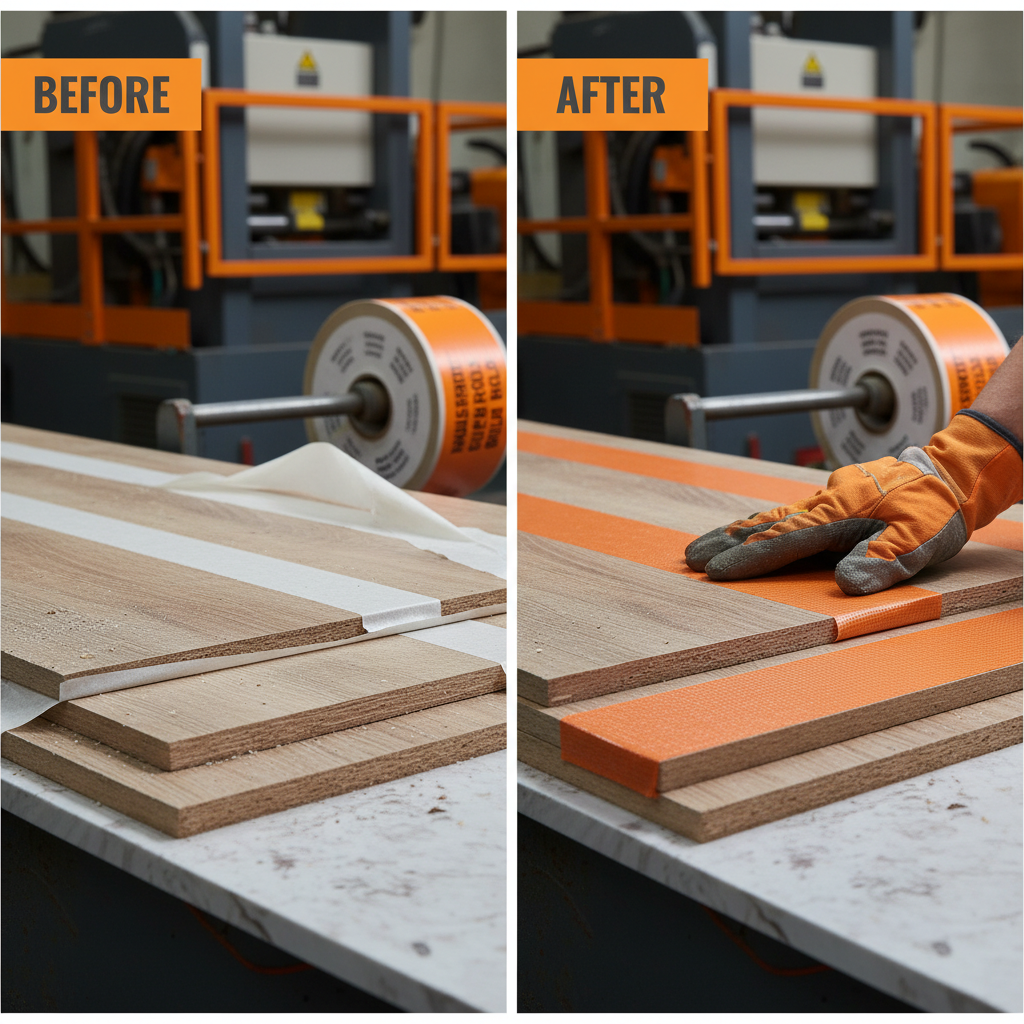
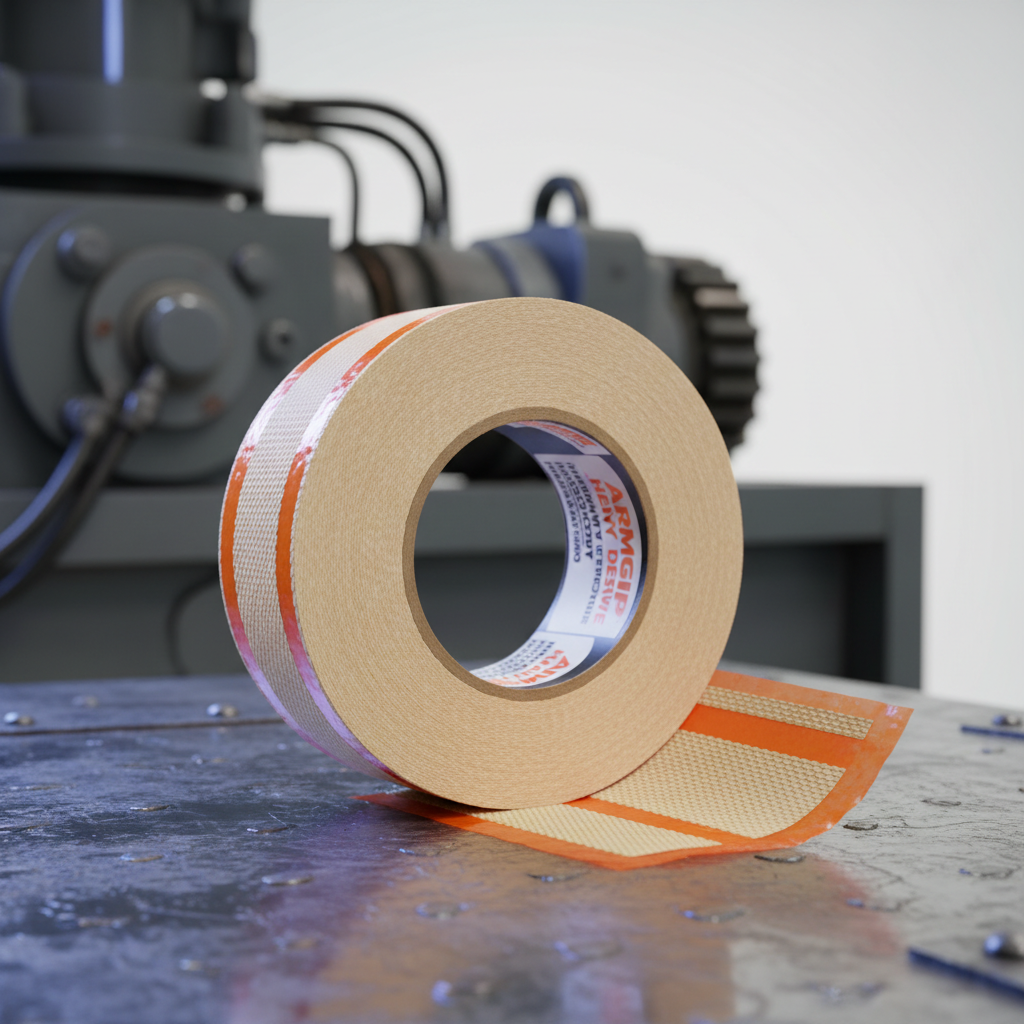
In the high-stakes world of commercial flooring installation, the difference between a flawless finish and a costly rework often comes down to the quality of the consumables used. Among these, strong masking tape stands as an indispensable tool for professionals who demand precision, stability, and a clean release. Whether you are securing vinyl sheets or protecting edges during a complex installation, the right adhesive strength is paramount to maintaining the integrity of the substrate.
Globally, the demand for high-performance adhesives in the construction and plastic flooring sectors has surged as architectural designs become more intricate. The industry is moving away from generic tapes toward specialized solutions that can withstand temperature fluctuations and heavy foot traffic during the curing process. Using a strong masking tape ensures that seams remain tight and boundaries are sharp, directly impacting the longevity and aesthetic appeal of the final flooring project.
Understanding the nuances of tape adhesion, tensile strength, and residue-free removal is not just about convenience—it is about operational efficiency. For contractors and facility managers, investing in professional-grade masking solutions reduces labor time and minimizes material waste. This guide explores the technical depths of strong masking tape and why it is the silent hero of the modern flooring and plastic products industry.
The Industrial Significance of Strong Masking Tape
From an industrial perspective, strong masking tape is more than just a stationery item; it is a critical engineering component used to maintain spatial precision. In the manufacturing of plastic flooring and vinyl products, the ability to mask areas with absolute certainty prevents contamination and ensures that adhesives or coatings are applied only where intended. This precision reduces the margin of error in large-scale commercial projects where even a millimeter of misalignment can lead to significant waste.
Moreover, the global construction market relies on standardized materials that meet ISO quality benchmarks. The integration of high-tack, high-stability tapes allows installers to work faster without sacrificing the quality of the bond. By utilizing a specialized strong masking tape, companies can ensure that their installation processes are scalable and consistent across different climate zones and substrate types.
Technical Composition and Adhesive Mechanics
The effectiveness of a strong masking tape lies in its composite structure, typically consisting of a high-quality backing material and a pressure-sensitive adhesive (PSA). The backing, often made from reinforced crepe paper or synthetic films, provides the necessary tensile strength to prevent tearing during application. This ensures that the tape remains intact even when stretched across uneven commercial floor surfaces.
The adhesive layer is where the real science happens. Advanced rubber-based or acrylic adhesives are engineered to provide an immediate "grab" while maintaining a stable bond over several hours or days. This chemical balance is crucial; the tape must be strong enough to hold heavy vinyl rolls in place but formulated to release without leaving a sticky residue that could interfere with the final floor finish or glue application.
Furthermore, environmental resistance is a key technical requirement. Professional-grade masking tapes are treated to resist moisture and chemical solvents commonly found on construction sites. This means that whether the tape is used in a humid warehouse or a sterile hospital environment, the adhesive properties of the strong masking tape remain consistent, preventing premature peeling or edge-lifting.
Core Performance Factors for Flooring Applications
When evaluating a strong masking tape for professional use, durability is the primary metric. In the context of LVT or SPC flooring, the tape must withstand the physical stress of installers walking over it and the mechanical pressure of cutting tools. A tape that tears easily or loses its grip under pressure can lead to shifted panels and uneven seams.
Scalability and cost-efficiency are equally important. While a premium strong masking tape may have a higher initial price point per roll, its ability to reduce labor hours and eliminate the need for surface cleaning (due to zero residue) makes it the more economical choice for large-scale commercial projects. Efficiency is measured by the reduction in "re-do" work.
Finally, the ease of removal—often referred to as "clean peel"—is the hallmark of a superior product. For those working with high-end homogeneous vinyl or wall coverings, the risk of adhesive transfer is a major concern. A high-performance strong masking tape utilizes a balanced cohesion that ensures the adhesive stays with the tape carrier rather than migrating into the flooring material.
Comparative Analysis of Masking Tape Efficiency
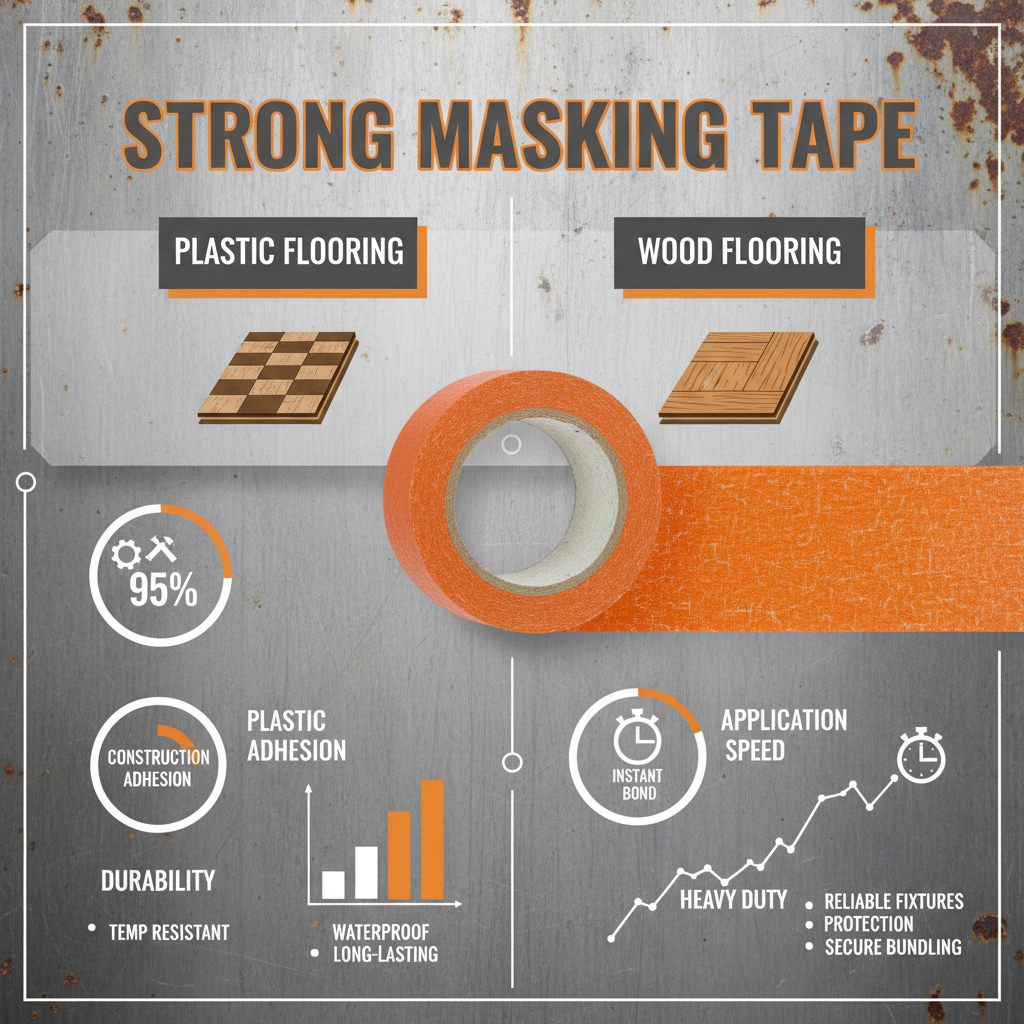
To understand the impact of using professional-grade adhesives, one must look at the performance delta between standard office-grade tapes and industrial strong masking tape. In real-world stress tests, industrial variants show significantly higher resistance to shear forces and a much lower rate of adhesive failure when exposed to varying temperature gradients.
The following data illustrates how different types of masking solutions perform across critical industry benchmarks, highlighting why a specialized approach is necessary for high-traffic commercial flooring projects.
Performance Metrics of Various Masking Tape Solutions
Global Applications Across Flooring Sectors
In large-scale commercial zones, such as airports or shopping malls, the application of strong masking tape is critical during the installation of heterogeneous and homogeneous vinyl. These environments require massive rolls of flooring to be laid with extreme precision; the tape acts as the primary anchor, ensuring that the material does not shift during the welding process or while the glue is setting.
Beyond commercial flooring, this technology is applied in specialized industrial zones, including cleanrooms and laboratories. In these sensitive areas, the use of a residue-free strong masking tape is mandatory to prevent any chemical contamination of the sterile environment. From the high-rises of Dubai to the industrial hubs of Germany, the reliance on high-performance masking solutions is a global standard for quality assurance.
Long-term Value and Sustainability Benefits
The long-term value of utilizing strong masking tape extends beyond the immediate installation phase. By ensuring a perfect fit and seamless edges, the tape contributes to the overall lifespan of the flooring. Poorly secured floors often develop gaps or curls at the edges, leading to premature wear and tear and increasing the frequency of costly repairs.
From a sustainability perspective, high-efficiency tapes reduce material waste. When installers can trust their masking tools, there are fewer ruined sheets of SPC or LVT caused by shifting or misalignment. This reduction in scrap material directly lowers the carbon footprint of the construction project, aligning with global green building certifications and LEED standards.
Moreover, the psychological impact on the client cannot be overlooked. A clean, professional installation—free of adhesive stains and crooked lines—builds trust and brand reputation. The reliability provided by strong masking tape translates into professional dignity for the contractor and lasting satisfaction for the property owner.
Future Innovations in Adhesive Tape Technology
The future of strong masking tape is leaning heavily toward "smart" materials and eco-friendly chemistry. We are seeing the emergence of bio-based adhesives that offer the same strength as petroleum-based products but are fully biodegradable. This shift is crucial for the plastics and flooring industry as it strives to meet stricter environmental regulations worldwide.
Digital transformation is also touching this sector, with the development of tapes that can indicate temperature or curing status through color-changing properties. Imagine a strong masking tape that changes from blue to clear once the underlying flooring glue has reached the optimal bonding temperature, eliminating guesswork and further increasing installation speed.
Automation in flooring layout is another trend. As robotic installers become more common in prefabricated construction, the tapes used will need to be compatible with automated dispensing systems. This requires a level of consistency in thickness and adhesive tack that only high-end industrial manufacturing can provide.
Analysis of Masking Tape Specifications Across Different Flooring Use Cases
| Flooring Material |
Required Tape Strength |
Residue Risk Level |
Recommended Duration |
| Homogeneous Vinyl |
High |
Low (Clean Peel) |
24-48 Hours |
| SPC Flooring |
Medium-High |
Very Low |
12-24 Hours |
| LVT Laminate |
Medium |
Low |
24 Hours |
| Wall Coverings |
Medium |
Moderate |
6-12 Hours |
| Industrial Epoxy |
Very High |
High |
72+ Hours |
| Residential Vinyl |
Medium |
Low |
24 Hours |
FAQS
A strong masking tape is engineered with a higher-density backing and a more aggressive pressure-sensitive adhesive. While standard tapes are designed for light painting or labeling, industrial-strength versions are built to hold heavy materials—like vinyl flooring rolls—in place without slipping, while still ensuring they can be removed without damaging the surface or leaving glue residue.
Professional-grade strong masking tape is specifically formulated for "clean peel." This means the internal cohesion of the adhesive is stronger than its bond to the flooring surface. As long as the tape is removed within the recommended timeframe specified by the manufacturer, it should leave absolutely no residue, ensuring the floor is ready for the final finish.
For high-humidity areas, look for tapes with acrylic-based adhesives rather than basic rubber ones, as acrylics tend to be more stable in moist conditions. Ensure the tape is labeled for industrial use and check the "temperature resistance" specs to ensure the adhesive won't soften or fail due to the environmental moisture during the curing process.
No, masking tape is designed for temporary positioning and masking, not long-term protection. If left on a surface for weeks or months, the adhesive can chemically bond with the substrate or dry out, making removal difficult and increasing the risk of residue. For long-term protection, we recommend using dedicated floor protection films or heavy-duty adhesive plastic sheets.
Yes, a wider tape provides more surface area for the adhesive to grip, which increases the overall shear strength and prevents the flooring from shifting. For heavy vinyl sheets, a wider strong masking tape is generally preferred to distribute the tension more evenly across the seam.
If a tape has bonded too strongly, gently heating the area with a heat gun or hair dryer can soften the adhesive, making it easier to peel. For any remaining residue, a specialized citrus-based adhesive remover is recommended, as it is generally safer for plastic flooring materials than harsh chemical solvents like acetone.
Conclusion
In summary, strong masking tape is a cornerstone of professional flooring installation, providing the essential balance of aggressive adhesion and clean removal. By focusing on the technical composition, choosing the right strength for specific substrates, and understanding the long-term value of residue-free finishes, contractors can significantly elevate the quality and efficiency of their work. From reducing material waste to ensuring architectural precision, the right tape is an investment in the overall success of the project.
Looking forward, the integration of sustainable, bio-based adhesives and smart-indicating materials will continue to revolutionize how we approach masking in the plastic flooring industry. As the demand for high-performance commercial spaces grows, the tools we use must evolve to match that rigor. We encourage professionals to move beyond generic consumables and adopt specialized, industrial-grade solutions to ensure their projects stand the test of time. Visit our website: www.enliofloor.com