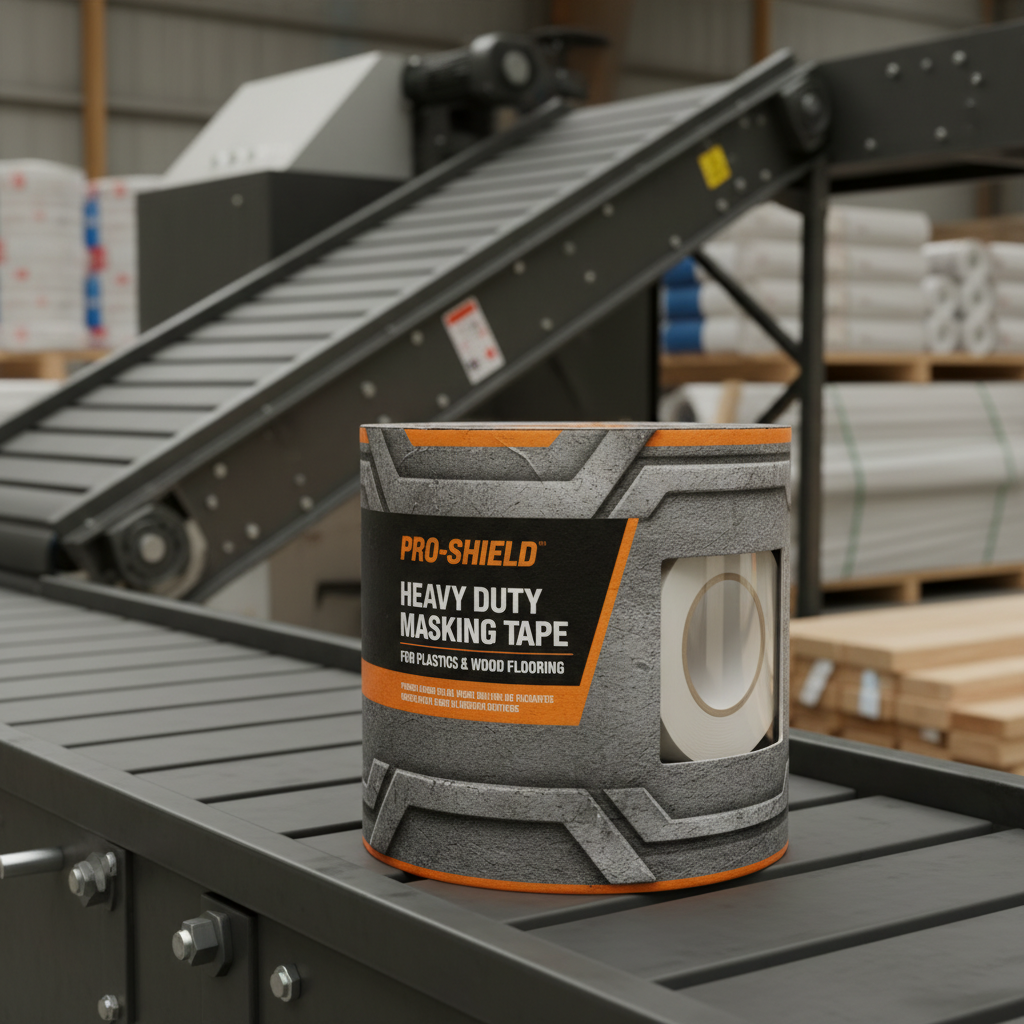
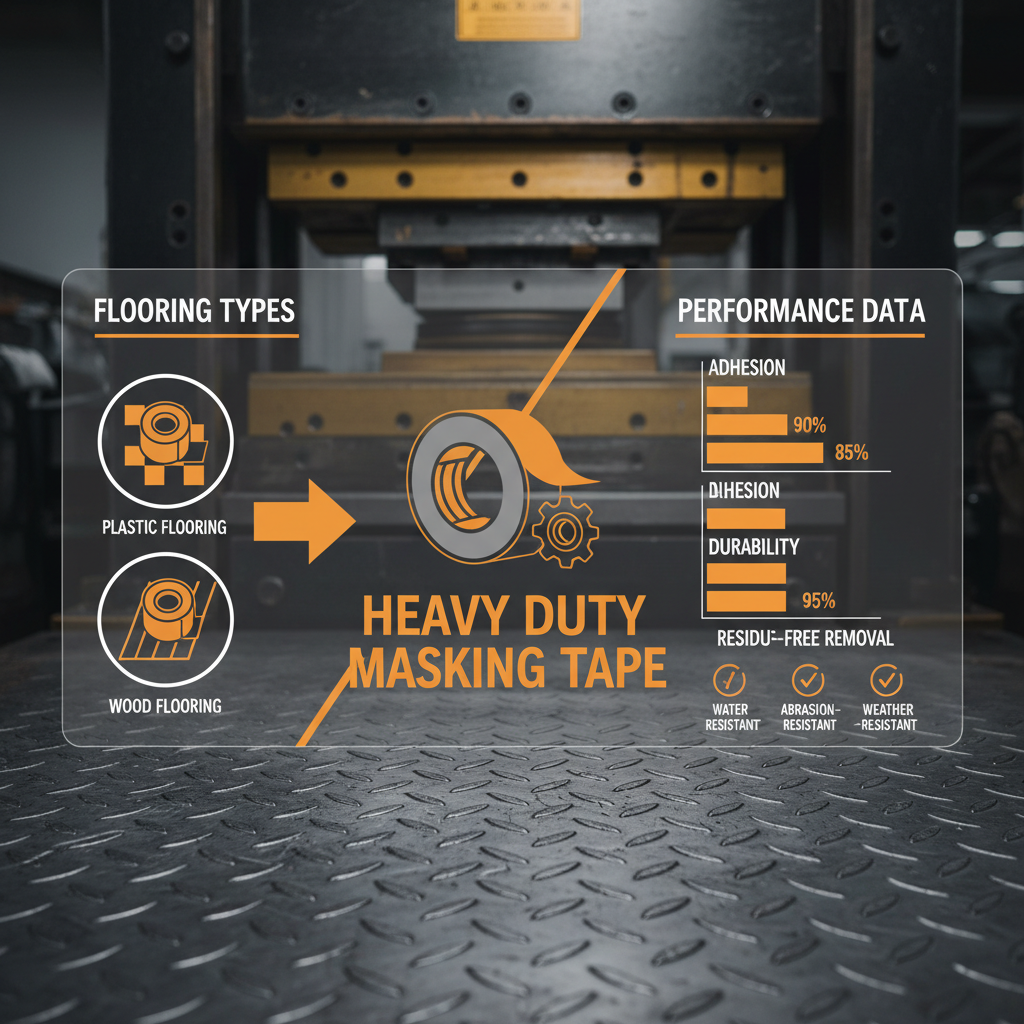
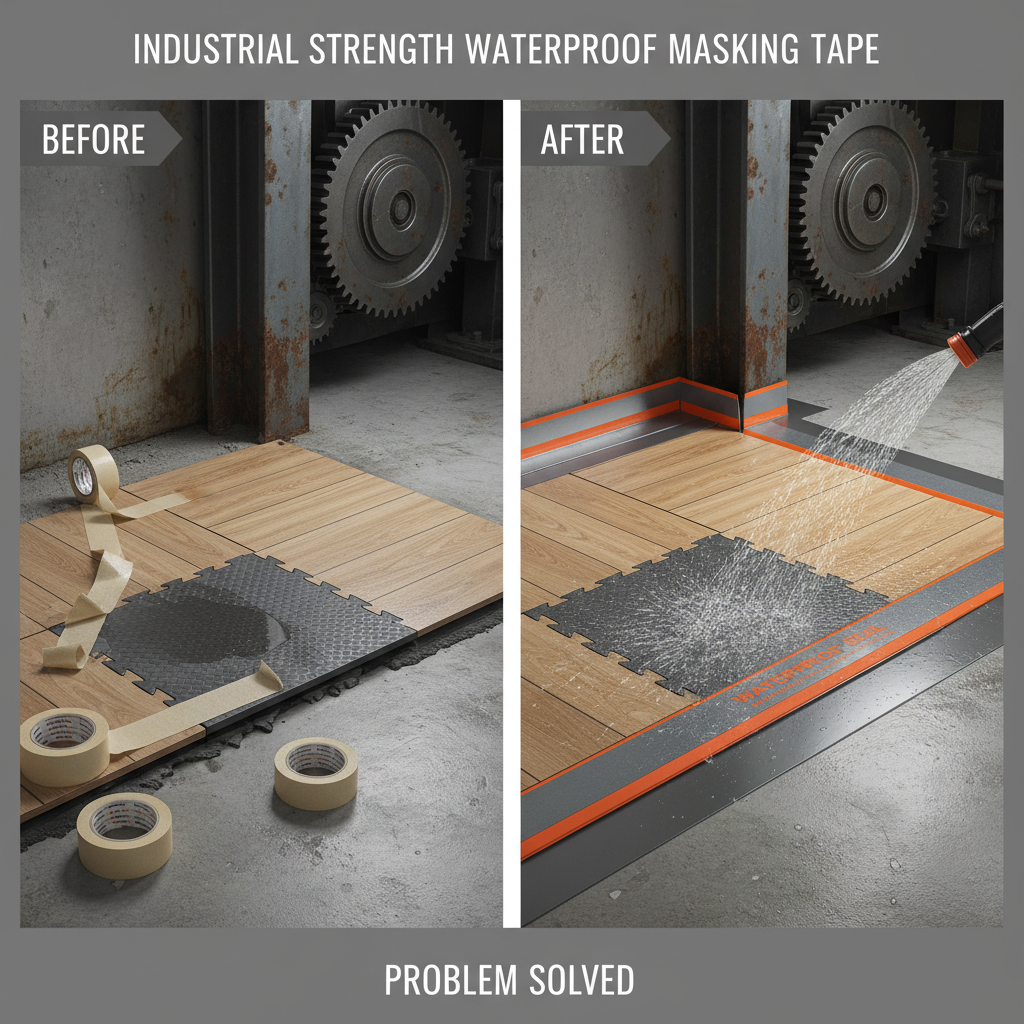
Heavy duty masking tape is more than just a convenient tool; it's a critical component in a vast array of industries, from automotive and construction to aerospace and even artistic endeavors. Its ability to provide clean lines, protect surfaces during abrasive processes, and withstand challenging conditions makes it indispensable. Understanding its properties, applications, and advancements is crucial for professionals seeking optimal results and cost-effectiveness in their work.
Globally, the demand for high-performance masking tapes is steadily increasing, driven by the growth of manufacturing, infrastructure development, and the need for precision in various applications. According to market research reports, the masking tape industry is projected to reach significant growth in the coming years. This increase is fueled by a growing emphasis on quality control, surface preparation, and the minimization of defects in finished products.
Heavy duty masking tape addresses the critical need for reliable surface protection and precise masking in environments where standard tapes simply fail. This is particularly important in industries where failure can lead to costly rework, safety hazards, or compromised product quality. As manufacturing processes become more complex and materials more diverse, the demand for specialized, high-performance masking solutions continues to rise.
Defining Heavy Duty Masking Tape
Heavy duty masking tape is a pressure-sensitive tape designed to provide a robust and reliable masking solution for demanding applications. Unlike standard masking tape, it’s constructed with thicker backing materials, stronger adhesives, and often incorporates specialized coatings to withstand higher temperatures, resist chemicals, and conform to complex surfaces.
Its connection to modern industry is paramount. From protecting automotive surfaces during painting to enabling precise etching in electronics manufacturing, and even aiding in the restoration of historical artifacts, heavy duty masking tape plays a vital role in ensuring quality, efficiency, and precision. It's a cornerstone of countless industrial processes, contributing to the reliability and durability of a wide range of products.
The Global Relevance of Masking
The need for precise masking and surface protection is universal across industries, making heavy duty masking tape a globally relevant product. The automotive industry, a major consumer, requires high-temperature masking for painting processes, impacting vehicle production worldwide. Similarly, aerospace manufacturing relies heavily on specialized tapes for protecting critical components during coating and surface treatment.
Data from the International Trade Administration indicates a consistent growth in the export of adhesive tapes and related products, demonstrating the ongoing global demand. This demand isn't limited to developed nations; emerging economies experiencing rapid industrialization are also contributing significantly to the market.
A significant challenge addressed by this tape is the prevention of overspray and damage during coating applications. Poorly masked surfaces can lead to costly rework, reduced product quality, and even safety concerns. Heavy duty masking tape provides a solution that minimizes these risks, ensuring consistent and reliable results across a variety of environments and applications.
Core Components of Quality Tape
Several key factors define the quality and performance of heavy duty masking tape. Firstly, backing material plays a critical role. Crepe paper, cloth, or specialized films provide the strength, conformability, and tear resistance necessary for demanding applications. Secondly, the adhesive formulation determines the tape’s ability to adhere firmly to surfaces while maintaining clean removal without leaving residue.
Temperature resistance is another crucial factor, particularly in applications like powder coating and automotive refinishing where high temperatures are involved. Premium tapes are designed to withstand these temperatures without adhesive breakdown or discoloration. Finally, chemical resistance is essential when dealing with solvents, paints, and other corrosive substances. The tape should protect the underlying surface without degrading or losing its adhesive properties.
Conformability is also vital. The ability of the tape to follow complex contours and curves ensures complete coverage and prevents paint bleed-through. And lastly, thickness and tensile strength contribute to overall durability and tear resistance, ensuring the tape remains intact throughout the application process.
Diverse Applications Across Industries
The applications of heavy duty masking tape are remarkably diverse. In the automotive industry, it’s used extensively during painting, bodywork, and detailing to protect surfaces from overspray and abrasion. The aerospace industry relies on it for masking during composite material layup, surface preparation, and painting of aircraft components.
The construction industry utilizes it for masking windows, doors, and trim during painting and plastering. It’s also essential in electronics manufacturing for protecting circuit boards during soldering and conformal coating processes. Even in art and restoration, heavy duty masking tape is a valuable tool for creating clean lines, protecting delicate surfaces, and achieving precise results.
Performance Comparison of Heavy Duty Masking Tape Methods
The Advantages of Investing in Quality
Investing in high-quality heavy duty masking tape delivers substantial benefits. Firstly, cost savings are realized through reduced rework and improved efficiency. Clean masking lines minimize the need for touch-ups and repairs, lowering labor costs and material waste. Secondly, enhanced product quality is achieved by preventing paint bleed-through and protecting surfaces from damage.
Moreover, utilizing premium tape contributes to improved safety by minimizing the risk of adhesive residue that could create slip hazards or interfere with subsequent processes. The reliability of a quality tape ensures consistent performance, reducing downtime and production delays. Finally, the use of durable and effective masking tape builds trust with clients by demonstrating a commitment to quality and precision.
Future Trends and Innovations
The future of heavy duty masking tape is focused on sustainability and performance enhancement. Researchers are exploring bio-based adhesive formulations and eco-friendly backing materials to reduce the environmental impact of tape production and disposal. Advances in nanotechnology are also being incorporated to create tapes with superior adhesion, temperature resistance, and chemical resistance.
Furthermore, the integration of digital technologies, such as smart sensors embedded within the tape, could enable real-time monitoring of application parameters like temperature and pressure, allowing for optimized performance and quality control. Automation in masking processes, utilizing robotic systems to apply tape with precision and consistency, is also gaining traction.
Overcoming Challenges in Tape Application
Despite its benefits, applying heavy duty masking tape effectively can present challenges. One common issue is achieving clean removal without leaving adhesive residue, particularly on sensitive surfaces. Another challenge is ensuring proper adhesion to irregular shapes and textures. Incorrect tape selection for specific applications can also lead to failures and rework.
Expert solutions involve selecting the appropriate tape based on the surface material, temperature, and chemical exposure. Proper surface preparation, including cleaning and drying, is crucial for optimal adhesion. Using specialized applicators and following recommended application techniques can also minimize issues and maximize performance.
Addressing these challenges requires a combination of knowledge, proper technique, and selecting the right heavy duty masking tape for the task at hand.
Summary of Common Heavy Duty Masking Tape Challenges and Solutions
| Challenge |
Surface Type |
Severity (1-10) |
Recommended Solution |
| Residue After Removal |
Painted Metal |
7 |
Use low-tack, residue-free heavy duty masking tape. |
| Poor Adhesion |
Contaminated Plastic |
8 |
Thoroughly clean the surface with isopropyl alcohol before applying the tape. |
| Edge Lift |
Curved Surfaces |
6 |
Use a conformable heavy duty masking tape and apply with firm pressure. |
| Tape Tear |
Rough Wood |
5 |
Select a heavy duty masking tape with high tensile strength. |
| Paint Bleed |
Sharp Edges |
9 |
Ensure tight adhesion and use a high-quality, bleed-resistant tape. |
| Temperature Sensitivity |
Powder Coating |
10 |
Employ a high-temperature heavy duty masking tape specifically designed for powder coating. |
FAQS
Heavy duty masking tape differs from standard tape in several ways. Primarily, it features a thicker backing material for enhanced durability and tear resistance. It also utilizes a stronger adhesive capable of withstanding higher temperatures, chemicals, and prolonged exposure. This makes it ideal for more demanding applications where standard tape would fail to provide adequate protection or clean removal.
To minimize residue, choose a tape specifically formulated for clean removal. Ensure the surface is clean and dry before application. Avoid leaving the tape on for extended periods. When removing, pull the tape back on itself at a 45-degree angle, rather than straight up. If residue remains, use a mild adhesive remover recommended by the tape manufacturer.
For high-temperature applications, select a tape specifically designed for powder coating or baking processes. These tapes utilize silicone-based adhesives that can withstand temperatures up to 400°F (204°C) without breaking down or leaving residue. Always check the tape’s temperature rating to ensure it meets your specific requirements.
Yes, but it’s crucial to select the right type of tape. Look for tapes with a low-tack adhesive formulated for delicate surfaces. Conduct a small test area first to ensure the tape doesn’t damage the finish upon removal. Gentle removal at a 45-degree angle is also recommended.
The backing material significantly impacts the tape’s strength, conformability, and temperature resistance. Crepe paper provides good conformability and tear resistance. Cloth backing offers higher strength and durability. Specialized film backings can provide exceptional temperature and chemical resistance. Choose the backing material that best suits your specific application.
Several manufacturers are now offering eco-friendly heavy duty masking tape options. These often feature bio-based adhesives, recycled paper backings, and water-based acrylic adhesives. Look for tapes certified by environmental organizations to ensure they meet sustainability standards.
Conclusion
Heavy duty masking tape is a cornerstone of numerous industries, providing essential surface protection, enabling precise applications, and ultimately contributing to product quality and efficiency. Its importance extends beyond simply holding a line; it’s a critical element in complex manufacturing processes, restoration projects, and countless other applications. Choosing the right tape for the job, understanding its limitations, and utilizing proper application techniques are all essential for maximizing its benefits.
As technology advances and sustainability concerns grow, the future of heavy duty masking tape will likely involve innovative materials, enhanced performance characteristics, and environmentally responsible manufacturing processes. By staying informed about these advancements and prioritizing quality and reliability, professionals can continue to leverage the power of this versatile tool for years to come. For your high-performance heavy duty masking tape needs, visit our website: www.enliofloor.com.