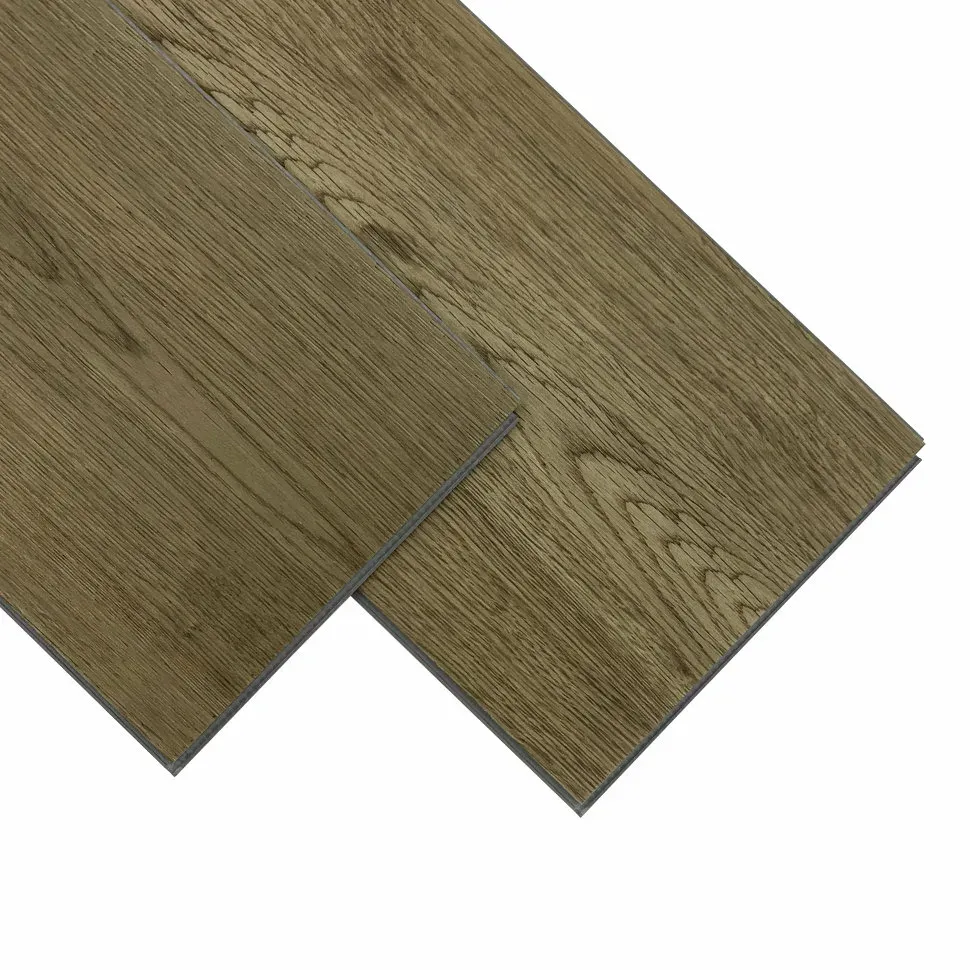
The construction landscape in Mali is characterized by extreme temperature fluctuations and significant dust exposure, which place immense stress on interior surfaces. For commercial and residential projects, the demand for spc flooring has grown as stakeholders seek materials that do not warp under heat or succumb to humidity. Unlike traditional materials, stone plastic composite options provide the structural stability required for the region's expanding urban centers.
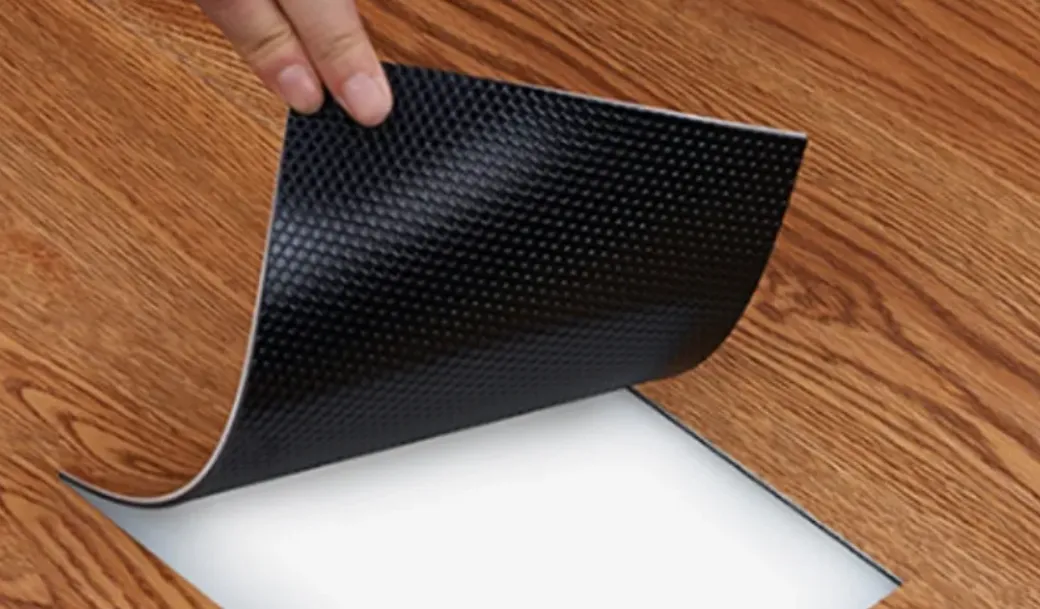
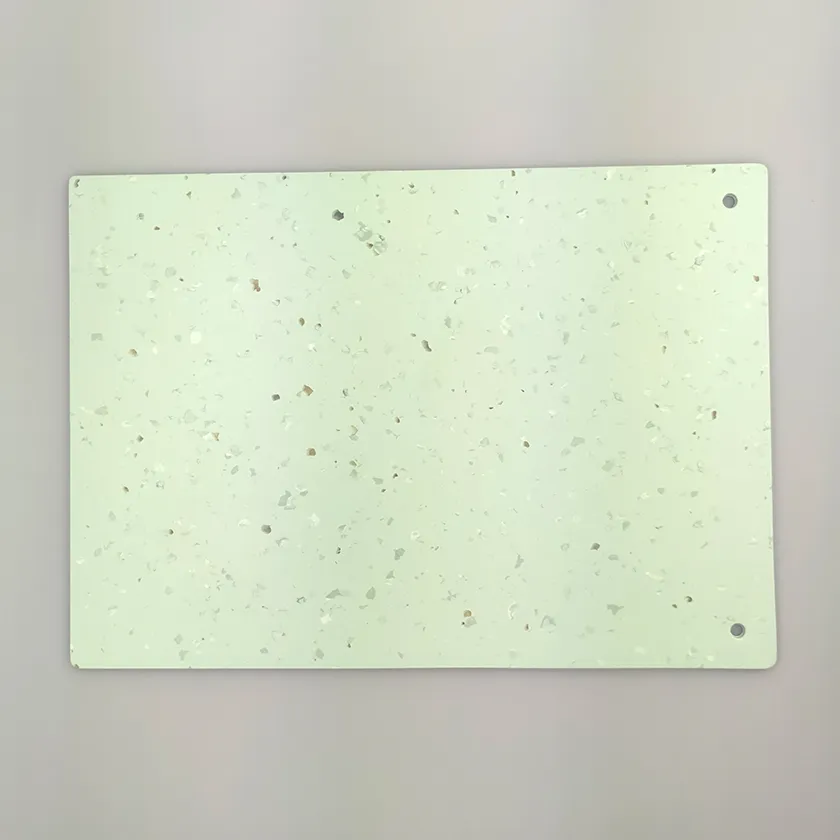
From a procurement perspective, there is a shift toward efficiency and low-maintenance costs. The adoption of residential vinyl sheet flooring allows for rapid installation in housing developments, reducing labor time while ensuring a waterproof barrier. In high-traffic commercial zones, the priority is wear resistance and hygiene, leading to an increased interest in modular systems that can be replaced locally without disrupting entire floor plates.
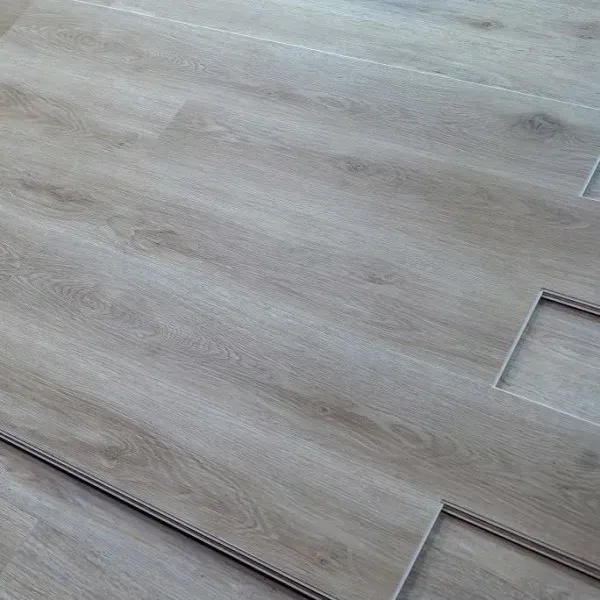
As Mali continues to modernize its public infrastructure, including hospitals and educational facilities, the industry is moving toward sustainable and non-toxic materials. The transition to adhesive-free installation methods aligns with global circular economy trends, reducing volatile organic compound (VOC) emissions. This technical evolution ensures that new developments meet international safety standards while remaining adaptable to the local logistics and installation capacities.