Selecting a surface for a high-traffic environment is rarely about aesthetics alone; it is a calculation of durability, hygiene, and lifecycle cost. In sectors like healthcare and education, the floor must act as a functional component of the building's infrastructure, resisting chemical spills and heavy foot traffic while maintaining a sterile environment.
The shift toward resilient materials has moved the industry away from traditional hardwoods or carpets in commercial zones, favoring vinyl systems that offer a balance of flexibility and hardness. Understanding the distinction between material compositions and surface treatments is critical for facility managers to avoid premature wear and costly replacements.
Whether you are designing a clinic or a corporate hub, partnering with a professional flooring company commercial provider ensures that the chosen material matches the specific mechanical stresses of the space.


Commercial flooring has transitioned from basic utility to highly engineered systems. In the early stages of industrialization, the focus was purely on hardness. However, modern requirements now integrate acoustic damping, antibacterial properties, and ergonomic support, reflecting a holistic approach to environmental design.
The introduction of advanced vinyl production lines has enabled manufacturers to create surfaces that mimic natural materials while offering the chemical resistance of plastics. This evolution allows a professional flooring company commercial to provide tailored solutions that vary by wear-layer thickness and core composition.
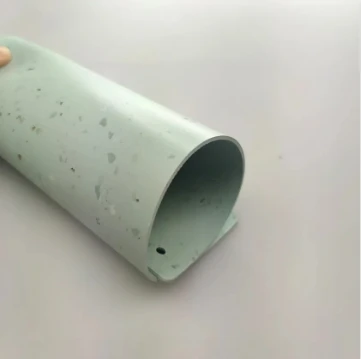
Homogeneous vinyl is composed of a single, consistent layer throughout its entire thickness. This means the color and pattern are integrated into the mass of the material. If the surface is scratched, the material underneath is identical, making it exceptionally durable for environments where heavy equipment is moved frequently, such as hospital corridors or laboratories.
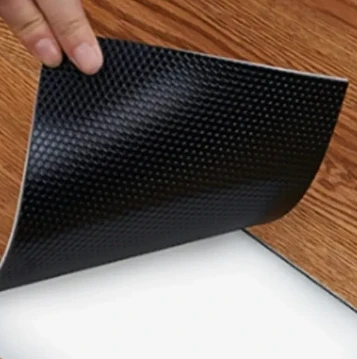
In contrast, heterogeneous flooring is a layered system, similar to a layer cake. A typical construction includes a backing layer for stability, a coated core for structure, and a transparent wear layer on top to protect the printed design. This architecture allows for greater aesthetic flexibility, such as the imitation fabric textures found in the Fleme series, which utilize weaving and jacquard techniques to create a three-dimensional feel.
The choice between these two depends on the priority: homogeneous is the gold standard for sterilization and extreme wear, while heterogeneous is preferred for acoustic comfort, diverse design needs, and specialized areas like kindergartens or corporate offices.
When auditing a commercial floor, the most critical metrics are not just "durability" but specific resistance factors. This includes the Shore hardness, the slip resistance coefficient, and the permeability of the seams. For healthcare settings, the ability to create a seamless floor via heat-welded seams is non-negotiable for infection control.
The efficiency of a commercial floor is measured by its maintenance-to-longevity ratio; a no-polish, easy-to-clean solution reduces operational overhead and minimizes facility downtime.
Beyond surface hardness, the impact of the wear layer on long-term aesthetics is paramount. Scuff resistance and stain prevention ensure that the environment looks professional for years without requiring aggressive stripping or restorative maintenance, which can often degrade the material over time.
Different commercial environments place divergent stresses on a floor. A hospital requires maximum sterilization and chemical resistance, whereas a corporate office prioritizes acoustics and a welcoming aesthetic. A kindergarten needs shock absorption and bright, orienting colors to facilitate a safe learning environment.
By analyzing the specific needs of these spaces, we can establish a relative suitability index. For instance, homogeneous vinyl excels in sterilization but may lack the acoustic properties required for an executive boardroom, where a heterogeneous acoustic floor would be more appropriate.
The true cost of flooring is found in the maintenance phase. Managers must evaluate whether a product requires periodic stripping and waxing or if it is a "no-polish" solution. Products that resist scuffs and stains without chemical intervention significantly lower the total cost of ownership (TCO).
Installation methods also play a role in operational efficiency. Adhesive-free installation methods are gaining traction because they facilitate easier replacements and align with modern sustainability goals by reducing the use of volatile organic compounds (VOCs) and simplifying the end-of-life removal process.
Sustainability in the plastics industry is moving toward a circular economy model, where the goal is to eliminate waste and keep materials in use. This involves increasing the recycled content in the core layers of vinyl flooring and improving the chemistry of dyes and lacquers to reduce emissions.
Zero-formaldehyde emissions and the elimination of harmful phthalates are no longer optional; they are baseline requirements for certifications like FloorScore and RoHS. These standards ensure that the indoor air quality of a commercial space is not compromised by the flooring materials.
The industry is shifting toward recyclable raw materials as the standard. By focusing on non-adhesive installation and the use of recyclable vinyl, manufacturers are ensuring that floors can be repurposed rather than sent to landfills at the end of their service life.
Choosing the right material requires a trade-off analysis. While SPC (Stone Plastic Composite) offers incredible rigidity and water resistance, it may lack the comfort and sound-absorbing qualities of a high-end heterogeneous vinyl. Each material serves a different mechanical purpose.
For a project manager, the decision matrix should include factors such as expected foot traffic, cleaning protocols, and budget for long-term maintenance. A mistake in this phase—such as installing a residential-grade LVT in a commercial corridor—will lead to rapid wear-layer failure.
Below is a relative comparison framework to assist in the selection process based on common commercial requirements.
| Material Type | Primary Strength | Maintenance Level | Typical Application |
|---|---|---|---|
| Homogeneous Vinyl | Extreme Durability | Low (No Polish) | Hospital/Laboratory |
| Heterogeneous Vinyl | Design Flexibility | Moderate | Office/Kindergarten |
| SPC Flooring | Rigidity/Waterproof | Low | Retail/Commercial |
| LVT Laminate | Aesthetic Mimicry | Moderate | Boutique/Residential |
| Acoustic Vinyl | Sound Absorption | Moderate | Conference Rooms |
| WPC Flooring | Comfort/Warmth | Low | Multi-family Housing |
Homogeneous flooring consists of a single layer of consistent material throughout, meaning the pattern and color go all the way through. This makes it highly resistant to deep scratches and ideal for sterile environments. Heterogeneous flooring is composed of multiple layers, including a backing, a core, and a wear layer. This structure allows for more diverse patterns, textures, and specialized properties like acoustic damping, though the design is only on the surface layers.
In healthcare settings, infection control is the highest priority. Heat-welded seams create a completely seamless, monolithic floor surface. This prevents liquids, bacteria, and contaminants from seeping into the gaps between flooring sheets, which would otherwise create breeding grounds for pathogens. By eliminating these joints, the floor becomes a non-porous barrier that can be thoroughly sterilized with industrial cleaning agents.
A truly low-maintenance floor is characterized by its "no-polish" or "no-wax" requirement. You should check if the material has a factory-applied UV coating or a high-performance wear layer that protects against scuffs and stains without needing periodic stripping and restorative waxing. Additionally, look for moisture-proof and anti-mold properties, which reduce the need for aggressive chemical treatments over the product's lifecycle.
For acoustic control, heterogeneous acoustic flooring is the superior choice. These products are engineered with a specialized foam or cushioned backing layer that absorbs impact sound (footsteps) and reduces ambient noise transmission. Unlike rigid SPC or homogeneous vinyl, acoustic vinyl provides a softer underfoot feel and significantly lowers the decibel levels in open-plan offices or conference rooms.
Prioritize certifications such as FloorScore, which ensures low VOC emissions for indoor air quality, and ISO14001 for environmental management systems. CE and RoHS certifications are also critical to ensure the materials are free from hazardous substances like lead or mercury. Furthermore, check if the manufacturer uses recyclable materials and offers non-adhesive installation options, as these contribute to a circular economy.
While Luxury Vinyl Tile (LVT) is versatile, its suitability for high-traffic corridors depends entirely on the thickness of the wear layer. Residential-grade LVT will fail quickly in a commercial setting. For corridors, a commercial-grade LVT with a thick, reinforced wear layer or a homogeneous vinyl sheet is recommended to prevent "tracking" (visible paths of wear) and ensure the floor remains intact under the stress of rolling loads and heavy pedestrian traffic.
Commercial flooring is an investment in the operational efficiency of a building. By moving beyond surface-level aesthetics and focusing on the technical composition—whether it be the monolithic strength of homogeneous vinyl or the specialized layering of heterogeneous systems—facility managers can ensure long-term performance and reduced maintenance costs.
As the industry pivots toward sustainability and circular economy principles, the integration of recycled materials and adhesive-free installation will become the standard. Partnering with a knowledgeable flooring company commercial provider allows for a data-driven selection process that balances immediate budgetary constraints with the lifecycle value of the facility.