Look, commercial flooring companies…it’s a world, you know? Been running around construction sites for fifteen years, and you start to see patterns. It’s not just about pretty floors anymore. It’s about what’s under the pretty floors. And honestly, it’s changing fast. Everyone’s talking about sustainability now, which is good, but it's also a pain. Because “sustainable” can mean a lot of things, and sometimes it just means more expensive.
What’s really trending is this push for modularity, and speed of installation. Owners don’t want their businesses shut down for a week while you rip up old tile and lay new stuff. They want it done overnight, or on the weekend. That puts a whole lot of pressure on the materials, and the companies who make them. Have you noticed how much more emphasis there is on things like pre-glued options, click-lock systems? It's all about getting the job done fast.
And, frankly, the entire supply chain is a mess these days. It’s always been a mess, but more of a mess. Trying to get consistent quality? Forget about it.
The Evolving Landscape of commercial flooring companies
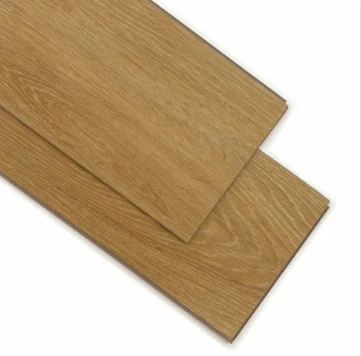
To be honest, the biggest shift I’ve seen is the move towards LVT – luxury vinyl tile. It’s taken over, basically. It used to be that if you wanted something that looked like wood, you got wood. Now? LVT can mimic wood, stone, concrete…anything. And it's waterproof. That's a huge selling point, especially for healthcare and retail.
But it’s not a perfect solution. The quality varies wildly. You get what you pay for, of course. I encountered this at a flooring factory last time – they were pushing a super-cheap LVT, and the wear layer was… well, basically nonexistent. It wouldn't last six months in a high-traffic area.
Design Pitfalls and Material Considerations
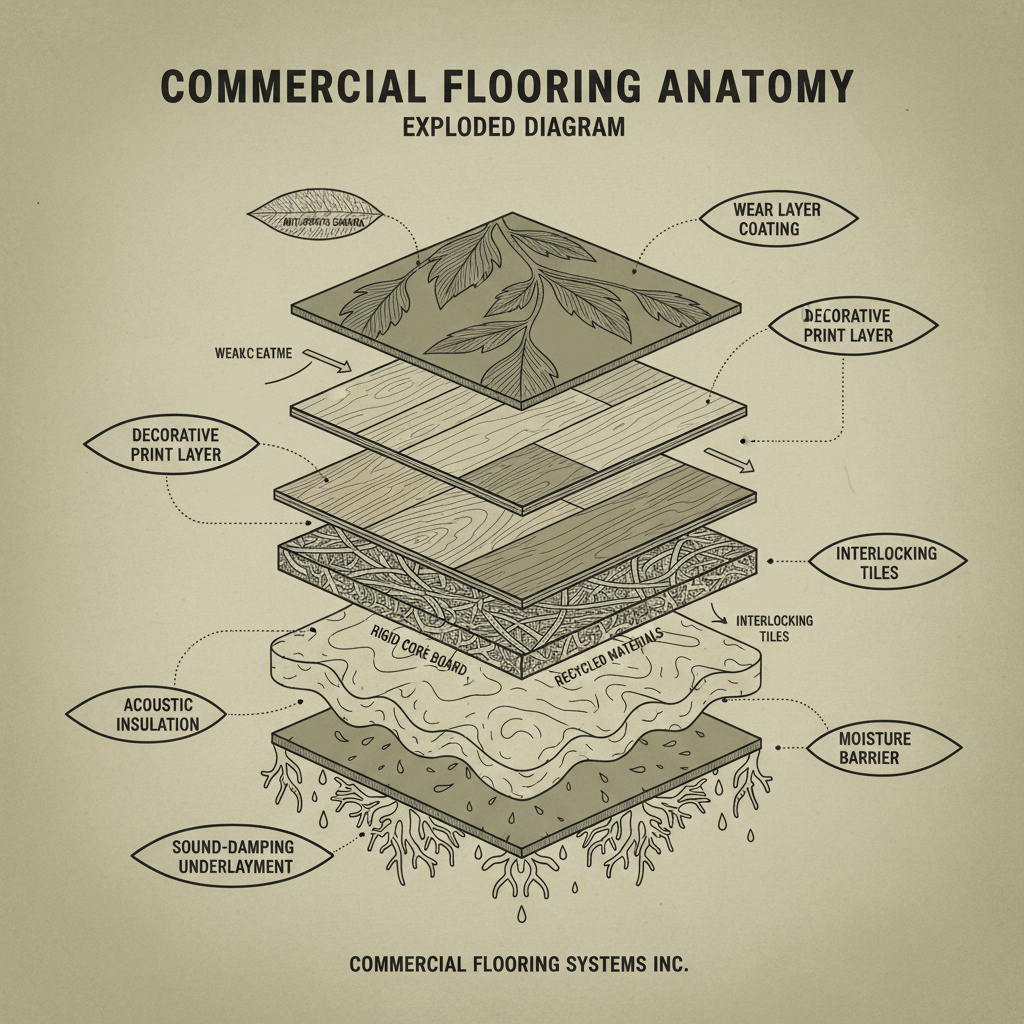
One thing I’ve noticed is designers often overlook the subfloor. It's easy to get caught up in the aesthetic, picking out the perfect color and texture, but if the subfloor isn't prepped properly, the whole thing is going to fail. Moisture is the enemy. Always. And unevenness. I've seen floors buckle and lift because someone skimped on the self-leveling compound. Strangely, people think you can just slap anything down.
The materials themselves... the smell is a good indicator, sometimes. A strong chemical smell means there’s a lot of VOCs (volatile organic compounds) off-gassing. Nobody wants that. You want something with low emissions. And the feel… good quality LVT will have a slight give to it, a bit of cushioning. Cheap stuff feels hard and plasticky.
And don't even get me started on carpet tiles. They seem simple, but the backing is crucial. You need something durable that won’t delaminate after a few cleanings. The glue used to install them also matters - you don’t want something that’s going to release harmful chemicals over time.
Rigorous Testing: Beyond the Lab
Lab tests are important, sure. Wear resistance, stain resistance, fire rating… all that stuff. But the real test is what happens when a shopping cart slams into it, or a forklift runs over it, or someone spills a gallon of coffee and then tracks it all over the place. That’s what matters.
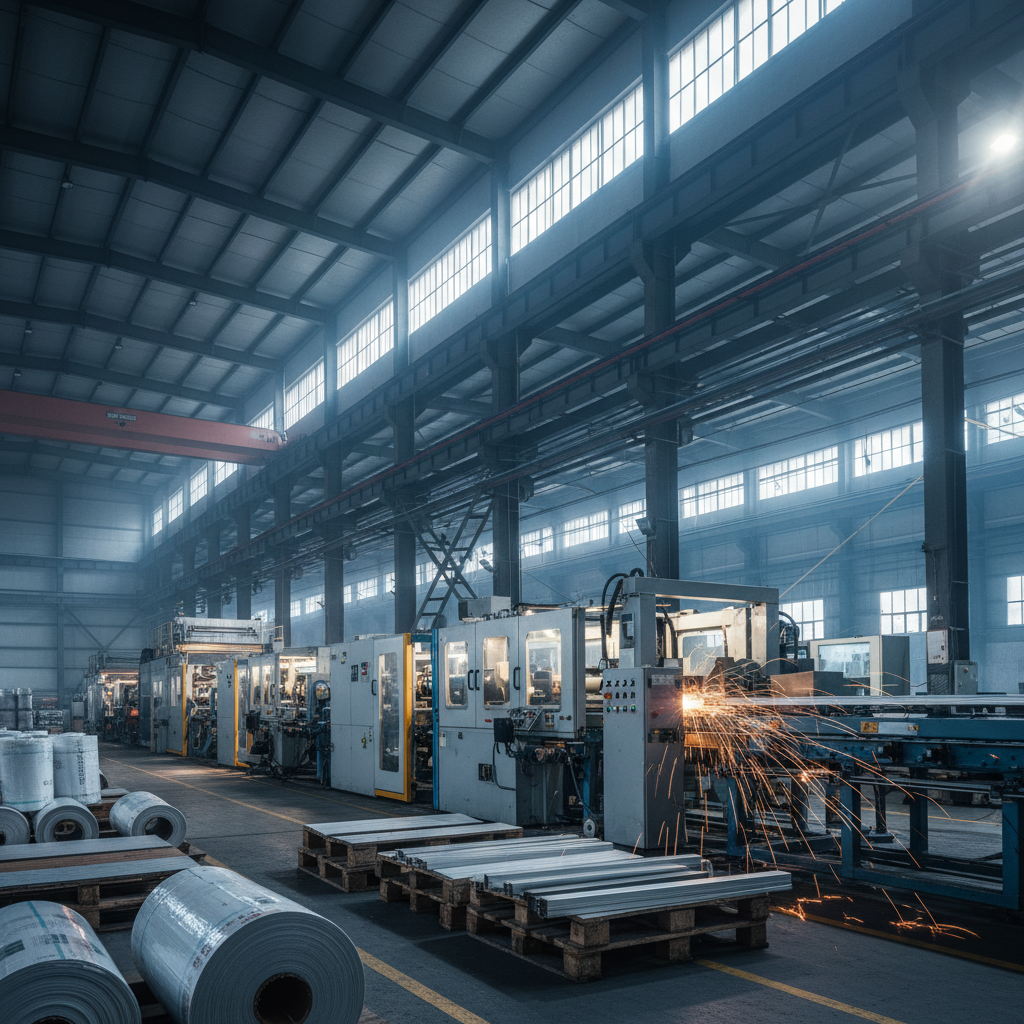
I like to see manufacturers who actually use their products in real-world settings before they release them. I’ve visited a few facilities where they have mock-up stores and offices, specifically for testing. They subject the flooring to all kinds of abuse.
We also do our own little tests on site. Drop a hammer on it. Scratch it with a key. Spill some stuff on it and see how easy it is to clean. It’s not scientific, but it gives you a good sense of what to expect.
Real-World Applications and User Behavior
It’s funny, you think people will treat a floor with respect, but they don't. Retail stores are brutal. Healthcare facilities are demanding – constant cleaning, heavy equipment, lots of foot traffic. Schools? Forget about it. They're basically designed to destroy flooring.
Anyway, I think the biggest misconception is that people actually notice the flooring. Most of the time, they don't. They just want it to be clean, safe, and comfortable. But when it is noticeable, it's usually because something's wrong. A stain that won't come out, a tile that's cracked, a seam that's lifting. Those are the things people remember.
Commercial Flooring Companies: Performance Rating by Application
Advantages, Disadvantages, and Customization
LVT, again, is pretty hard to beat for versatility. It’s relatively inexpensive, easy to install, and comes in a million different colors and patterns. The main downside? It doesn't feel as good underfoot as, say, hardwood or cork. And it’s not as sustainable, even the “eco-friendly” versions. But that’s the trade-off you make.
Customization is definitely possible. I had a client last year who wanted a specific shade of blue for their retail store. They couldn’t find anything off the shelf, so we worked with the manufacturer to create a custom color. It added to the cost, of course, but it gave them exactly what they wanted. You can also get custom sizes and shapes. The key is to plan ahead.
A Customer Story: The Debacle
Last month, that small boss in Shenzhen who makes smart home devices insisted on changing the interface to on a big project we were doing. He'd read something online about it being the "future" and wanted his office to look cutting-edge. We tried to explain that it wasn't practical – it’s less durable for flooring, and the adhesive options are limited. But he wouldn't listen.
We ended up using it, and within a week, the connectors started coming loose. The entire floor needed to be redone, costing him a fortune in materials and labor. He was not happy. He learned a valuable lesson about trusting the experts, and not getting carried away with trends. Later... Forget it, I won't mention it.
The moral of the story? Sometimes, sticking with what works is the best option.
Performance Metrics: A Quick Reference
Here’s a little cheat sheet I keep in my truck. It’s not fancy, but it helps me quickly compare different options.
I’m not saying these numbers are gospel, but they’re a good starting point. It’s all about finding the right balance between cost, durability, and aesthetics.
And honestly, a lot of it comes down to gut feeling. You spend enough time on these sites, you just develop a sense for what’s going to work and what’s not.
Key Performance Indicators for Commercial Flooring Materials
| Material Type |
Durability Score (1-10) |
Maintenance Effort (1-10) |
Initial Cost ($/sq ft) |
| LVT (Luxury Vinyl Tile) |
7 |
3 |
$3 - $7 |
| Carpet Tile |
6 |
5 |
$4 - $8 |
| VCT (Vinyl Composition Tile) |
8 |
4 |
$2 - $5 |
| Hardwood |
5 |
7 |
$6 - $12 |
| Epoxy Coating |
9 |
2 |
$5 - $10 |
| Rubber Flooring |
8 |
4 |
$4 - $9 |
FAQS
Honestly, for retail, you want something durable and easy to clean. LVT is usually a good bet, but you need to get a high-quality one with a thick wear layer. VCT is also a solid option if you’re on a tight budget. Avoid carpet – it’s a nightmare to keep clean in a retail environment.
It’s crucial. I can’t stress that enough. If your subfloor isn’t level and properly prepared, your flooring is going to fail, no matter how good the material is. Moisture is the biggest enemy. Make sure it's dry and sealed before you even think about installing anything.
That’s a loaded question. “Eco-friendly” can mean a lot of things. Recycled content is good, but it doesn’t tell the whole story. Look for certifications like FloorScore or GreenGuard to ensure low VOC emissions. And consider the entire lifecycle of the product, from manufacturing to disposal.
It varies wildly depending on the quality and the amount of traffic. A good quality LVT with a thick wear layer should last 5-10 years in a typical commercial setting. Cheaper stuff? Maybe 2-3 years. Proper maintenance is key to extending its lifespan.
Absolutely. Many manufacturers offer custom printing options. It’ll add to the cost, but it’s a great way to create a branded look. Just be sure to get a sample before you commit to a large order. You want to make sure the colors are accurate and the image quality is good.
Rushing the job. Trying to cut corners. They skip the subfloor prep, they don’t use the right adhesive, they don’t properly acclimate the material. It always comes back to bite them. Take your time, do it right the first time, and you’ll save yourself a lot of headaches later.
Conclusion
So, what’s the takeaway? Commercial flooring companies are changing. It's not just about aesthetics anymore – it’s about durability, sustainability, and ease of installation. The best materials are those that can withstand the rigors of commercial use, while also minimizing environmental impact and maintenance costs. It's a complex landscape, but understanding these factors will help you make the right decisions.
Ultimately, whether this thing works or not, the worker will know the moment he tightens the screw. And if you want a good floor, you gotta listen to the worker. Check out commercial flooring companies for more insights.