Wide masking tape is a versatile and essential material playing a crucial role in numerous industries globally, from construction and automotive to painting and even specialized applications like aerospace. Its ability to provide clean, sharp lines, protect surfaces during abrasive processes, and temporarily bind materials makes it indispensable for professionals and DIY enthusiasts alike. Understanding its properties and applications is vital for optimizing efficiency and achieving high-quality results in a wide array of projects.
The demand for wide masking tape is consistently high, reflecting its broad utility and cost-effectiveness. Global manufacturing output relies heavily on surface preparation and protection, driving a significant market for masking solutions. Increasingly, industries are seeking specialized tapes with enhanced temperature resistance, adhesion properties, and conformability to meet the demands of increasingly complex manufacturing processes. This underscores the tape's enduring importance in modern industrial landscapes.
Beyond industrial applications, wide masking tape also finds utility in disaster relief, providing a quick and adaptable means for temporary repairs and marking designated areas. Furthermore, its relatively low cost and ease of use make it accessible for a wide range of applications, contributing to its widespread adoption across numerous sectors and contributing to a global market valued at billions of dollars.
Introduction to Wide Masking Tape
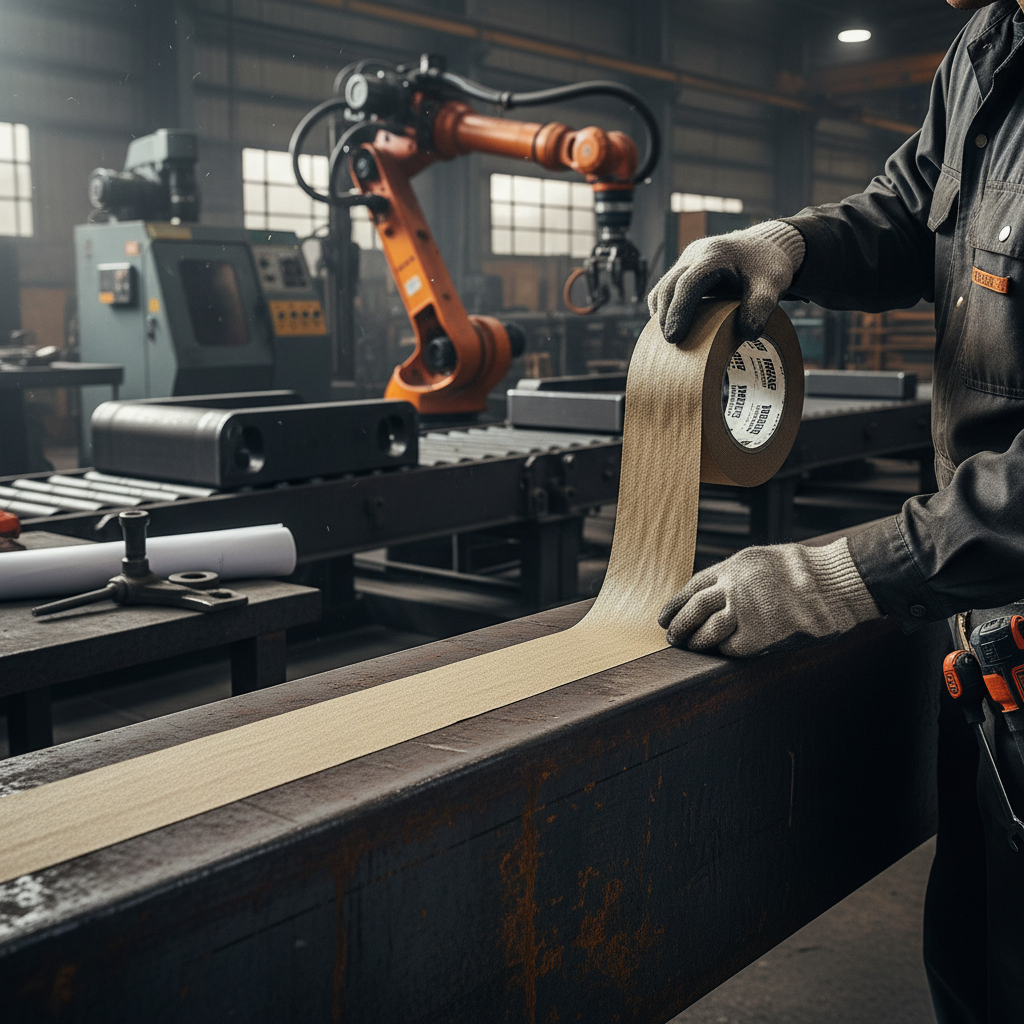
Wide masking tape, distinguished by its broader width compared to standard masking tapes, offers increased coverage and efficiency in various applications. This wider format reduces the number of strips needed to cover larger areas, accelerating project timelines and minimizing material waste. Its versatility makes it a critical component in industries prioritizing precision and protective finishing.
The evolution of wide masking tape has led to the development of specialized formulations tailored for specific needs, such as high-temperature resistance for automotive painting or UV resistance for outdoor applications. Manufacturers are continually innovating to improve adhesion, reduce residue, and enhance overall performance, solidifying wide masking tape's position as a staple material in professional settings.
Defining Wide Masking Tape
Wide masking tape is a pressure-sensitive adhesive tape characterized by its significantly wider width – typically ranging from 1 inch to several inches – compared to standard masking tapes. It’s constructed from a backing material, most commonly crepe paper, coated with an adhesive that provides temporary bonding without leaving significant residue upon removal. The crepe paper contributes to conformability and prevents tearing during application and removal.
Its primary function is to mask off areas during painting, coating, or abrasive processes, protecting surfaces from unwanted material application. Unlike duct tape or other general-purpose adhesives, wide masking tape is specifically designed for clean removal, ensuring crisp lines and a professional finish. This makes it a crucial component in industries where precision and aesthetic quality are paramount.
The connection to modern industry is direct. From automotive bodywork and aerospace component coating to architectural painting and general industrial manufacturing, wide masking tape is a critical element in achieving quality control and maintaining efficiency throughout production processes.
Core Properties of Wide Masking Tape
The performance of wide masking tape hinges on several key properties. Firstly, its adhesion strength must be sufficient to securely hold the tape in place during the application process, preventing paint bleed or adhesive failure. Secondly, its tensile strength dictates its resistance to tearing and breakage during handling and application.
Another vital property is its conformability – the ability of the tape to adhere to irregular or curved surfaces without wrinkling or lifting. This is particularly important in applications involving complex geometries. Finally, residue levels upon removal are crucial; a high-quality wide masking tape should leave minimal or no adhesive residue, ensuring a clean finish and avoiding the need for additional cleaning steps.
These properties are directly influenced by the materials used in its construction, including the type of crepe paper, the adhesive formulation (often acrylic or rubber-based), and any coatings applied to enhance performance characteristics such as temperature resistance or UV protection.
Performance Characteristics of Wide Masking Tape
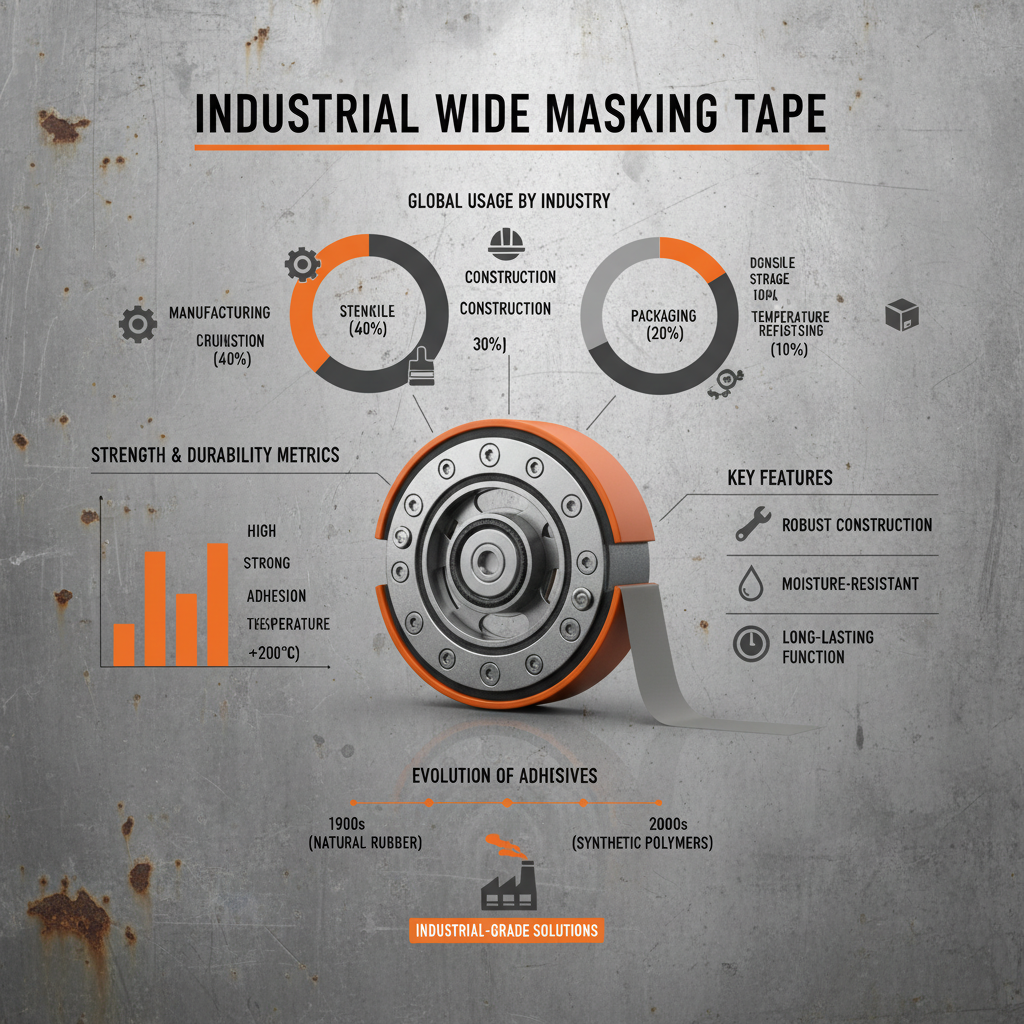
Evaluating the performance of wide masking tape requires considering several key metrics. Adhesion force, measured in Newtons per inch, indicates the strength of the bond between the tape and the surface. Tensile strength, similarly measured in Newtons per inch, determines its resistance to tearing under stress.
Temperature resistance is critical in applications involving heat, such as automotive painting. The tape must maintain its adhesion and integrity at elevated temperatures without leaving residue. Conformability is assessed by its ability to adhere to curved surfaces without lifting or wrinkling.
Wide Masking Tape Performance Ratings
Global Applications of Wide Masking Tape
The applications of wide masking tape are remarkably diverse, spanning numerous industries and geographical regions. In the automotive sector, it's critical for masking vehicle bodies during painting, ensuring clean lines and preventing overspray. In the aerospace industry, it's used for protecting components during specialized coating processes, requiring high-temperature resistance and clean removal.
Construction industries worldwide rely on wide masking tape for protecting surfaces during painting, plastering, and other finishing tasks. In remote industrial zones, its portability and ease of use make it an essential tool for on-site repairs and maintenance. Furthermore, in post-disaster relief operations, it can be utilized for temporary repairs and marking designated areas.
The Advantages of Wide Masking Tape
The primary advantage of wide masking tape lies in its efficiency. Covering larger areas quickly reduces application time and labor costs. Its clean removal properties prevent damage to underlying surfaces and eliminate the need for costly rework, leading to significant cost savings.
From a sustainability perspective, minimizing waste through wider coverage and reduced application steps contributes to a more environmentally friendly process. Moreover, the reliable performance of wide masking tape enhances product quality and reduces the risk of defects, ultimately improving customer satisfaction and building trust in finished products.
Future Trends in Wide Masking Tape Technology
Future innovations in wide masking tape technology are focused on enhancing performance and sustainability. Research is underway to develop bio-based adhesives derived from renewable resources, reducing reliance on petrochemicals. The integration of nanotechnology promises to enhance adhesion strength and temperature resistance, expanding application possibilities.
Digital integration, such as QR codes embedded in the tape for tracking and traceability, is also emerging as a trend. Furthermore, advancements in automated dispensing systems will optimize application efficiency, reducing waste and improving consistency in industrial settings. The drive toward more environmentally friendly and high-performance solutions will continue to shape the future of wide masking tape.
The development of self-healing masking tapes – materials that can repair minor tears or damage – is also being explored, promising enhanced durability and extended lifespan.
FAQS
The main difference is width. Wide masking tape offers significantly broader coverage, reducing application time and the number of strips needed. This makes it ideal for larger surfaces. Standard masking tape is better suited for smaller, more detailed masking jobs. The adhesive formulations and crepe paper qualities can also vary, optimized for each tape's intended use.
For automotive painting, select a wide masking tape specifically designed for high-temperature resistance. Automotive paints are often baked to cure, and the tape must withstand these temperatures without melting, lifting, or leaving residue. Look for tapes labeled “automotive grade” or those with a high temperature rating (e.g., up to 250°F). Conformability is also key for intricate vehicle curves.
Yes, but the type of texture matters. For lightly textured surfaces, a standard crepe-backed wide masking tape will typically adhere well. However, for heavily textured surfaces, you may need a more aggressive adhesive or a specialized tape designed for rough surfaces. Ensure the tape is firmly pressed onto the surface to maximize contact and prevent paint bleed.
To minimize paint bleed, ensure the tape is applied firmly and evenly to the surface, eliminating any air bubbles or gaps. Use a firm pressure applicator tool to seal the edges of the tape. Applying a thin layer of paint first and allowing it to tack up slightly before applying the main coat can also help. For very sharp lines, consider using a masking tape edge sealer.
Remove the tape slowly and steadily at a 45-degree angle. Avoid pulling it straight up, which can increase the risk of residue. If residue does remain, use a mild solvent or adhesive remover specifically designed for tapes. Test the solvent in an inconspicuous area first to ensure it doesn’t damage the underlying surface.
The recyclability of wide masking tape depends on the backing material and adhesive. Most crepe paper-backed tapes are not readily recyclable due to the adhesive. However, some manufacturers are developing more sustainable options with recyclable backings and eco-friendly adhesives. Check with your local recycling facility for specific guidelines.
Conclusion
In conclusion, wide masking tape remains a critical component across a vast range of industries, offering efficiency, precision, and cost-effectiveness. Its ability to protect surfaces, create clean lines, and facilitate various manufacturing processes solidifies its ongoing relevance in both professional and DIY applications. Continued innovation focused on sustainability and performance will further enhance its value in the years to come.
Looking ahead, embracing new technologies and materials will be key to maximizing the benefits of wide masking tape. Exploring bio-based adhesives and automated application systems presents opportunities for reducing environmental impact and improving productivity. By staying abreast of these advancements, industries can continue to rely on wide masking tape as a reliable and versatile solution for their masking needs. Visit our website: wide masking tape.