In the precision-driven world of modern manufacturing, achieving a flawless finish during laser processing is often the difference between a premium product and a rejected part. The use of paper masking tape for laser engraving has emerged as a critical solution for protecting substrates from unwanted burn marks, smoke residue, and heat discoloration. By providing a sacrificial barrier, this specialized tape ensures that the intricate details of an engraving remain sharp while the surrounding surface stays pristine.
Globally, the demand for high-fidelity laser customization is skyrocketing across industries ranging from luxury electronics to bespoke interior design. As laser technology becomes more accessible, the challenge of managing "over-spray" or thermal leakage becomes more pronounced. This is where high-quality masking solutions step in, offering a reliable method to isolate the engraving area and maintain the aesthetic integrity of the material, whether it be acrylic, wood, or coated plastics.
Understanding the technical nuances of these masking materials allows producers to optimize their workflows, reduce waste, and increase throughput. By selecting a paper masking tape for laser engraving that balances adhesive strength with clean removability, manufacturers can avoid the costly pitfalls of residue buildup or substrate damage, ensuring a professional result every time.
The Industrial Significance of Paper Masking Tape for Laser Engraving
The adoption of paper masking tape for laser engraving is not merely a convenience but a necessity in high-precision manufacturing. According to global ISO standards for surface finishing, the prevention of surface contamination is paramount. In the plastics and non-metallic mineral industry, laser beams can cause localized melting or carbonization; a specialized paper mask acts as a heat sink and a physical shield, preventing the "halo" effect often seen around engraved lines.
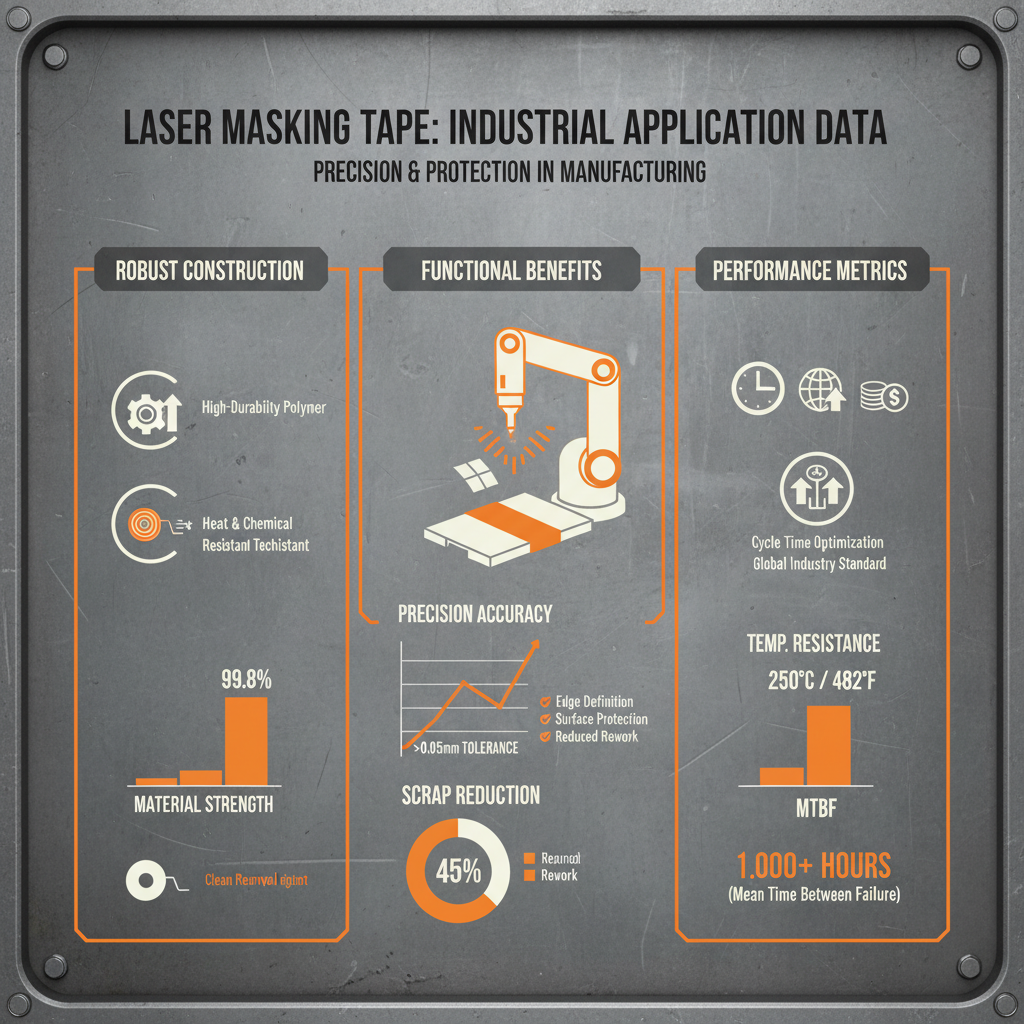
By implementing a rigorous masking protocol, companies can significantly lower their scrap rates. When the laser interacts with the paper layer, the resulting combustion products are trapped within the tape rather than settling into the pores of the substrate. This eliminates the need for aggressive chemical cleaning post-production, which in turn protects the longevity of the material and ensures a cleaner workspace.
Defining the Mechanics of Laser-Grade Masking
At its core, paper masking tape for laser engraving is a composite material consisting of a high-density crepe or kraft paper backing and a specialized pressure-sensitive adhesive. Unlike standard office masking tape, laser-grade versions are engineered to withstand sudden thermal spikes without shrinking or bubbling, which would otherwise lead to uneven engraving depths or distorted patterns.
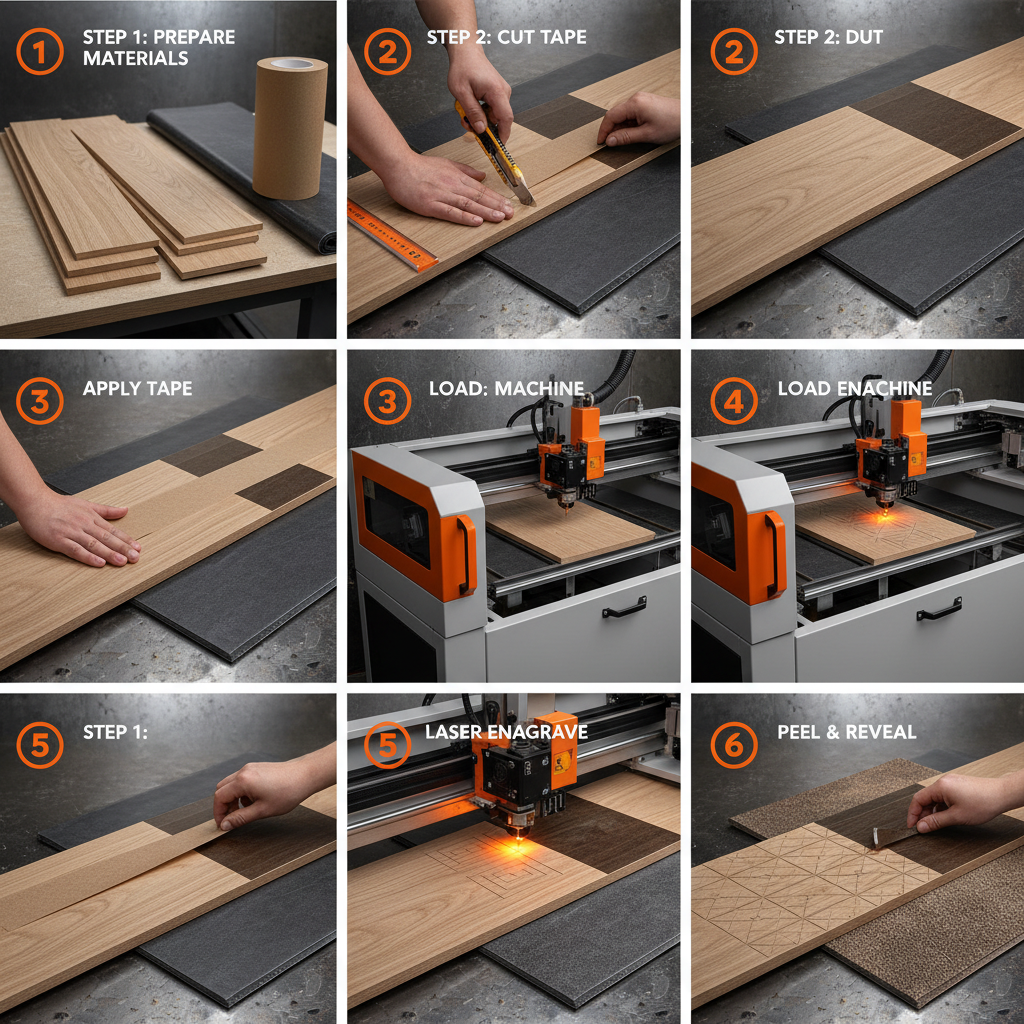
The fundamental purpose of this tool is to create a temporary, impermeable seal over the work surface. When the CO2 or fiber laser hits the surface, the paper layer absorbs the initial thermal shock and collects the smoke residue. Once the process is complete, the tape is peeled away, revealing a crisp, clean engraving that is entirely free of the scorched marks that typically plague unmasked materials.
In the context of modern humanitarian and industrial needs—such as producing medical device identifiers or durable signage for disaster relief infrastructure—this level of precision is vital. It ensures that critical information is legible and that the materials used are not structurally compromised by the heat of the laser, maintaining the safety and durability of the final product.
Core Components of High-Performance Masking Tapes
The first critical factor is Thermal Stability. A premium paper masking tape for laser engraving must be able to vaporize cleanly. If the paper contains too many synthetic fillers, it may melt into the substrate, creating a permanent stain that is nearly impossible to remove without damaging the product.
Secondly, Adhesive Balance is paramount. The tape must adhere strongly enough to prevent "under-cutting" (where the laser burns the edges under the tape), yet it must possess a low-tack release property. This ensures that removing the paper masking tape for laser engraving does not leave behind gummy residues or pull off delicate surface coatings from the plastic floor or panel.
Finally, Dimensional Consistency ensures that the tape thickness remains uniform across the entire roll. Variations in thickness can lead to fluctuations in the laser's focal point, resulting in inconsistent engraving depths. High-grade industrial tapes are manufactured to strict tolerances to ensure that every square millimeter of the protected surface responds identically to the laser energy.
Evaluating Efficiency and Material Compatibility
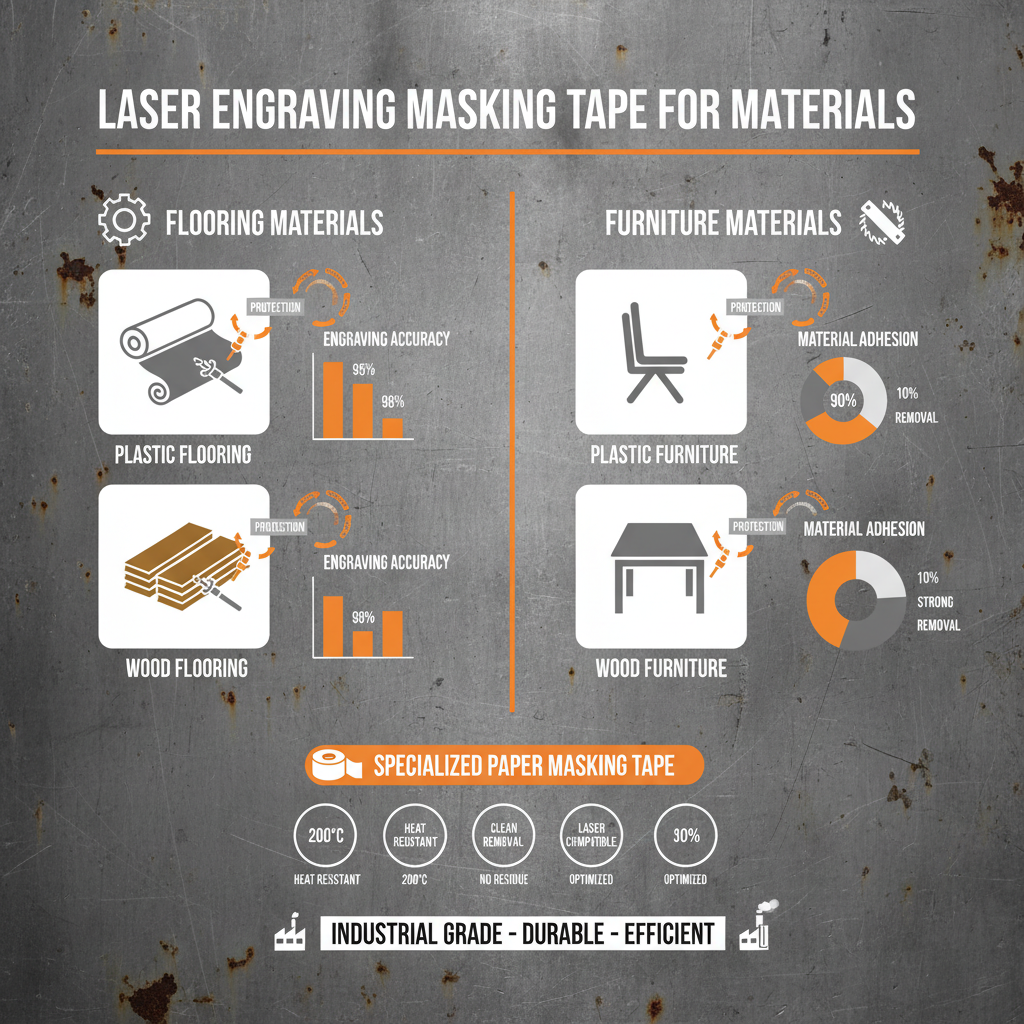
Selecting the right paper masking tape for laser engraving depends heavily on the material being processed. For instance, acrylics require a tape that prevents "frosting" on the edges, while SPC (Stone Plastic Composite) flooring requires a more robust mask to handle the denser material. Testing different adhesive types allows technicians to find the "sweet spot" where protection is maximized and cleanup is minimized.
Beyond material fit, the efficiency of the masking process is measured by the time spent on application and removal. Advanced tapes are designed for rapid application, reducing labor costs in high-volume commercial flooring projects. When evaluated against non-masking methods, the use of specialized tape consistently yields higher quality outputs and lower rework rates.
Performance Comparison of Masking Methods
Global Applications and Sector Use Cases
The application of paper masking tape for laser engraving spans across diverse global industries. In the commercial flooring sector, specifically for LVT and SPC products, manufacturers use these tapes to engrave brand logos or safety warnings into the wear layer without compromising the waterproof coating. This is particularly prevalent in European and North American markets where high-end architectural specifications demand perfection.
In remote industrial zones, such as those in Southeast Asia's manufacturing hubs, these tapes are used for creating durable identification tags for heavy machinery. By masking the metal or plastic plates, workers ensure that the laser doesn't cause surface pitting, which could otherwise lead to corrosion in humid environments. The versatility of the tape allows it to be used in varied climates, maintaining its adhesive properties from tropical heat to temperate cooling.
Long-Term Value and Sustainability Benefits
Investing in high-quality paper masking tape for laser engraving offers significant long-term economic value. While cheaper tapes may seem attractive, they often result in "ghosting" or adhesive transfer, requiring hours of manual scrubbing. By using professional-grade masking, companies reduce the need for solvent-based cleaners, which lowers the environmental impact of the production facility and improves the health and safety of the operators.
From a sustainability perspective, the shift toward biodegradable paper backings is a major trend. Modern masking tapes are moving away from PVC-based components toward recyclable paper and organic adhesives. This alignment with "green manufacturing" principles not only helps companies meet international ESG (Environmental, Social, and Governance) targets but also appeals to a growing demographic of eco-conscious commercial clients.
Furthermore, the reliability of the masking process builds trust between the manufacturer and the end-user. When a client receives a product with a flawless engraving and zero residue, it reflects a commitment to quality and precision. This psychological advantage—the perception of luxury and care—allows brands to command a premium price in the competitive global marketplace.
Future Innovations in Laser Masking Technology
The future of paper masking tape for laser engraving lies in the integration of "smart materials." Researchers are exploring the development of heat-reactive adhesives that lose their grip entirely once a certain temperature is reached, allowing the tape to practically "pop off" the surface immediately after the laser completes its cycle. This would virtually eliminate the labor associated with manual peeling.
Additionally, digital transformation is influencing how masking is applied. We are seeing a move toward automated tape application systems integrated directly into the laser cutting bed. These systems use sensors to apply the paper masking tape for laser engraving only to the areas that require protection, drastically reducing material waste and optimizing the production line for Industry 4.0.
As laser power increases and new wavelengths are introduced, the chemical composition of the paper masks will continue to evolve. We expect to see the rise of nano-ceramic infused paper layers that can reflect specific laser frequencies, allowing for even deeper engravings with less heat transfer to the substrate.
Comparison of Masking Tape Specifications for Different Laser Applications
| Material Type |
Adhesive Strength |
Thermal Resistance |
Residue Risk |
| Standard Crepe Paper |
Medium (6/10) |
Moderate |
Low |
| High-Density Kraft |
High (9/10) |
High |
Medium |
| Low-Tack Specialized |
Low (4/10) |
Moderate |
Very Low |
| Ceramic-Coated Paper |
Medium (7/10) |
Extreme |
Low |
| Eco-Biodegradable |
Medium (6/10) |
Moderate |
Very Low |
| Industrial PVC-Free |
High (8/10) |
High |
Low |
FAQS
Regular masking tape often contains adhesives that melt or burn at high temperatures, leaving a sticky, charred residue on your workpiece. Specialized paper masking tape for laser engraving is engineered with heat-stable adhesives and high-density paper that vaporizes cleanly, ensuring that the substrate remains untouched by smoke or burnt adhesive.
Yes, the tape adds a small amount of thickness to the material. However, this is easily compensated for by adjusting the laser's focal height or slightly increasing the power settings. The trade-off is a significantly cleaner finish and the elimination of surface scorching, which far outweighs the minor adjustment in laser calibration.
Bubbles are usually caused by trapped air or moisture. To prevent this, ensure the surface is clean and dry before application. Use a squeegee or a felt-tipped roller to apply the paper masking tape for laser engraving firmly from the center outward, removing all air pockets before starting the laser process.
While generally compatible, different plastics (like PVC, SPC, or LVT) react differently to heat. We recommend a "test strip" approach: apply a small piece of tape to a scrap piece of your flooring and run a sample engraving. This confirms that the adhesive does not react with the wear layer and that the tape peels away cleanly without leaving residue.
Any laser process creates fumes. When using paper masking tape for laser engraving, the fumes are primarily from the paper and adhesive. It is essential to use a proper fume extractor or ventilation system to remove these particulates from the workspace to maintain a healthy environment for operators.
Store your masking tape in a cool, dry place away from direct sunlight and extreme temperature fluctuations. High heat can cause the adhesive to degrade or "bleed" through the paper, while extreme cold can make the tape brittle. Keeping it in its original packaging until use is the best way to ensure consistent performance.
Conclusion
The strategic implementation of paper masking tape for laser engraving is a hallmark of professional manufacturing. By bridging the gap between raw laser power and delicate surface finishes, these specialized tapes enable the creation of high-value, precision-engraved products while drastically reducing waste and post-processing labor. From thermal stability to adhesive balance, the technical attributes of the right tape ensure that every project meets the highest global quality standards.
As we move toward a future of smarter, greener production, the evolution of masking materials will continue to play a pivotal role in industrial efficiency. We encourage manufacturers to move beyond generic solutions and adopt laser-grade masking to enhance their product's marketability and sustainability. For those looking to elevate their production quality, exploring the right accessories is the first step toward excellence. Visit our website: www.enliofloor.com