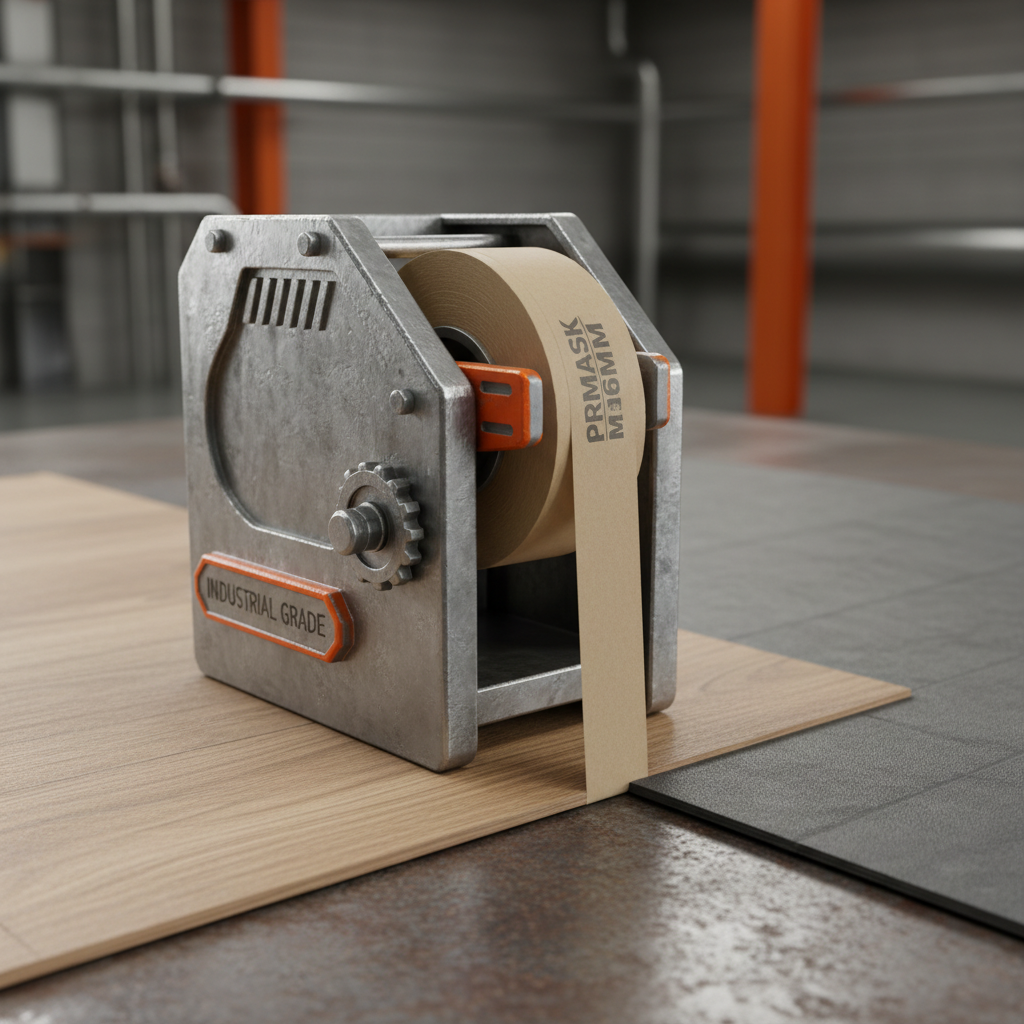
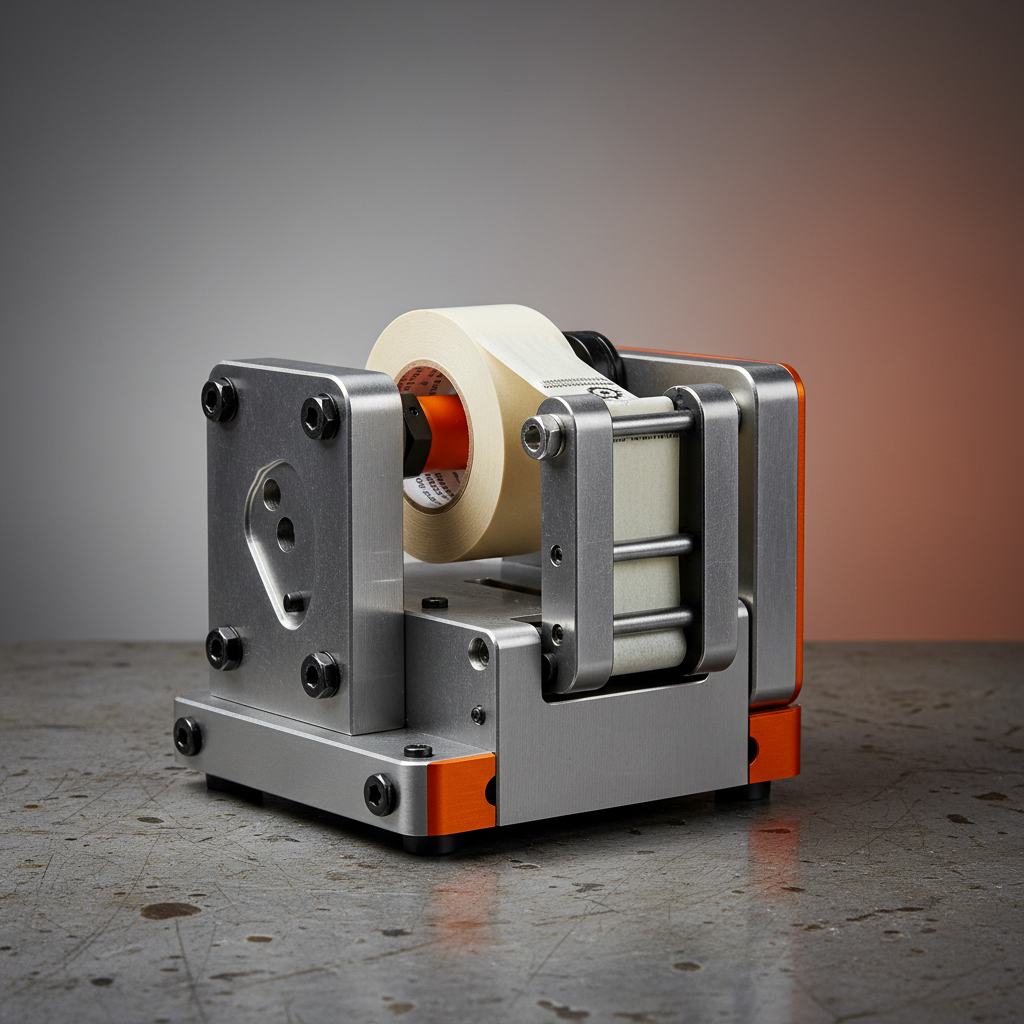
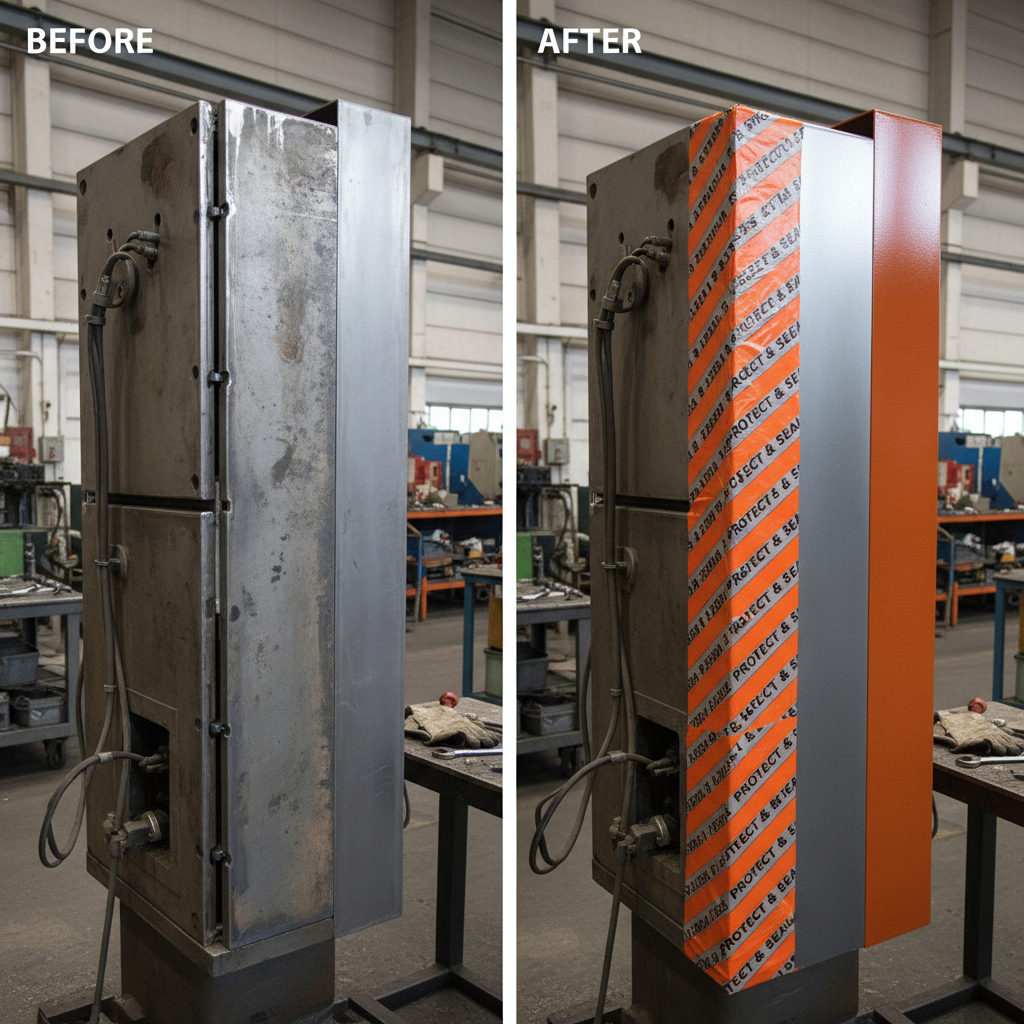
In the precision-driven world of commercial flooring installation, the smallest tools often make the most significant impact on the final aesthetic. Among these, 6mm masking tape stands out as an essential accessory for professionals who demand clean lines and flawless transitions. By providing a precise boundary for adhesives and sealants, this narrow-width tape ensures that high-traffic flooring projects maintain a polished, industrial-grade finish without the mess of over-application.
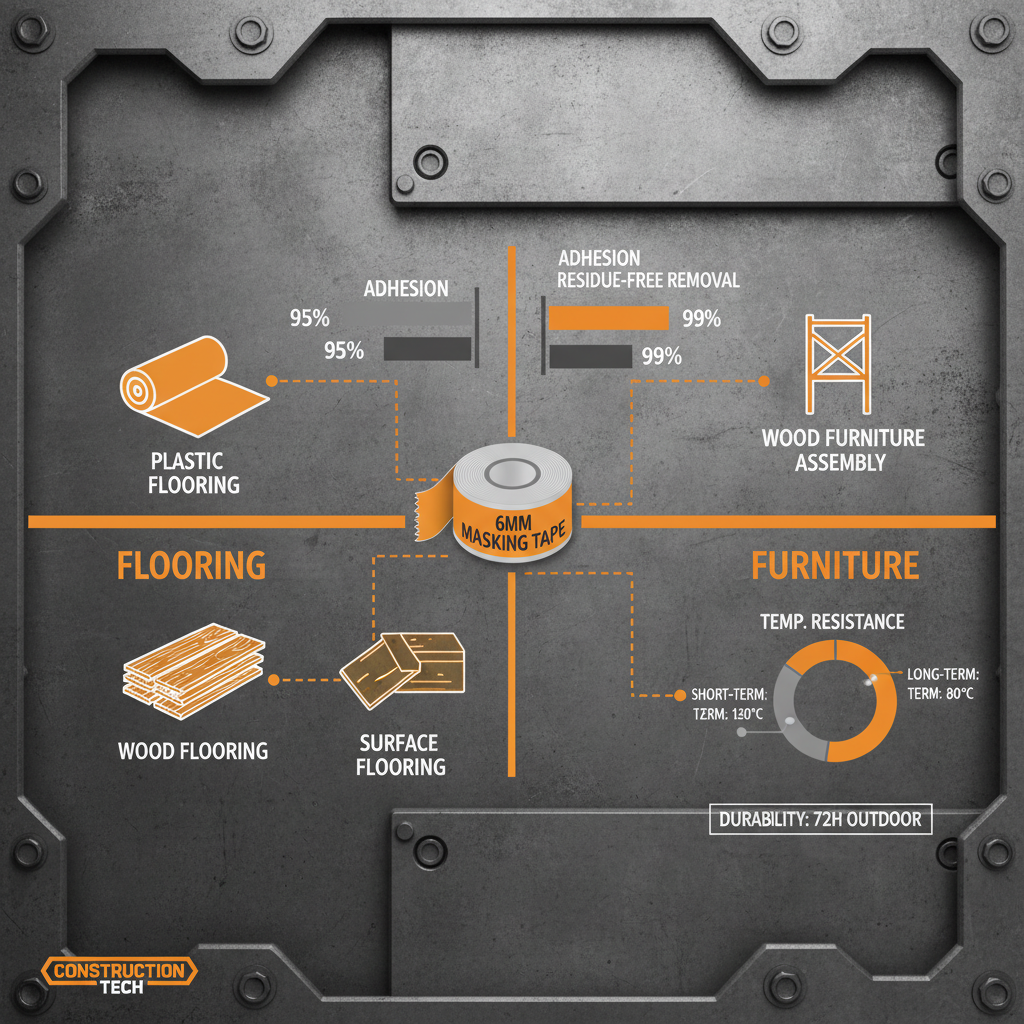
Beyond simple masking, the utilization of a specialized 6mm width is a strategic choice in the plastics and non-metallic mineral products industry. Whether dealing with LVT, SPC, or homogeneous vinyl, the ability to protect narrow gaps and create sharp edges is what separates a standard installation from a masterpiece. The global shift toward modular and high-performance flooring has increased the demand for accessories that offer both high adhesion and residue-free removal, making this specific tape a cornerstone of the installer's toolkit.
Understanding the technical nuances of 6mm masking tape—from its tensile strength to its chemical resistance—allows contractors to optimize their workflow and reduce material waste. In an era where efficiency and sustainability are paramount, choosing the right masking solution not only saves time on site but also ensures the long-term integrity of the flooring joints. This guide explores the comprehensive role of this tool in modern construction and the technical standards that define its quality.
Global Industry Context of 6mm Masking Tape
On a global scale, the demand for precision adhesive products has surged alongside the growth of the commercial infrastructure market. According to industrial standards aligned with ISO quality management, the precision of auxiliary materials like 6mm masking tape is critical in reducing labor costs and material overhead. In rapidly developing urban centers across Asia and North America, the adoption of SPC and LVT flooring has necessitated tools that can handle high-frequency application without failing under temperature fluctuations.
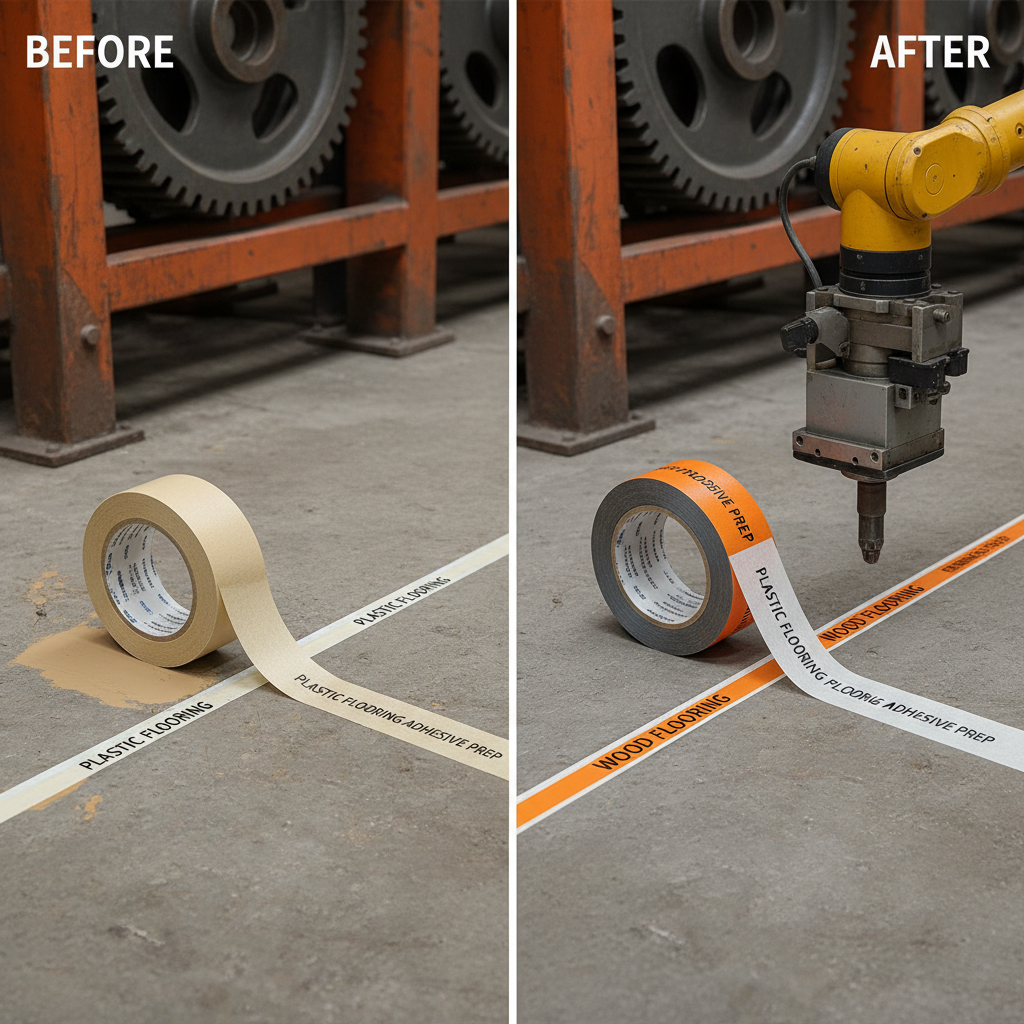
The primary challenge facing the industry is the "residue dilemma," where low-quality tapes leave adhesive streaks on expensive vinyl or plastic surfaces. This not only compromises the aesthetic value of the project but can also interfere with the bonding of welding rods or the application of edge glues. By shifting toward high-grade 6mm masking solutions, the industry is moving toward a zero-defect installation standard that prioritizes surface purity and linear accuracy.
Defining the Technical Role of 6mm Masking Tape
At its core, 6mm masking tape is a specialized pressure-sensitive adhesive strip designed for temporary protection and precision marking. Unlike wider tapes used for general painting, the 6mm width is specifically engineered for "fine-line" work. In the context of plastic flooring and non-metallic mineral products, it serves as a critical barrier that prevents welding debris, excess glue, or paint from contaminating the primary flooring surface.
This tool is more than just a piece of adhesive; it is a bridge between raw material installation and architectural finish. Its connection to modern industry lies in its ability to facilitate "clean-room" standards in commercial environments, such as hospitals or laboratories, where any trace of excess adhesive or contaminant could pose a hygiene risk. The tape's ability to adhere firmly yet peel away cleanly is a result of advanced polymer chemistry.
In humanitarian or rapid-deployment projects, such as modular housing, the efficiency of 6mm masking tape allows for the rapid sealing of joints and the protection of edges during the fast-paced assembly process. This ensures that even in remote industrial zones, the quality of the installation remains consistent with high-end commercial standards.
Core Components and Quality Factors
The efficacy of 6mm masking tape is determined by its backing material and the chemistry of its adhesive. High-quality versions typically utilize a crepe paper backing that offers a balance of flexibility and tear resistance, allowing the tape to contour to the slight irregularities of a subfloor without lifting.
Adhesion stability is the most critical factor. A premium 6mm masking tape must maintain a consistent "tack" across various temperature ranges—preventing it from becoming too brittle in cold climates or too gooey in tropical humidity, which would lead to adhesive transfer on the vinyl.
Furthermore, the "clean-release" property is what defines professional-grade products. This is achieved through controlled cross-linking of the adhesive polymers, ensuring that when the 6mm masking tape is removed, the bond breaks cleanly at the interface rather than splitting the backing or leaving a sticky film behind.
Practical Applications in Flooring Sectors
In the installation of Heterogeneous and Homogeneous Vinyl, 6mm masking tape is used extensively during the welding process. By masking the edges of the vinyl sheets before applying the welding rod, technicians can ensure that the heat-welded seam is perfectly flush and that no excess melted plastic smears across the floor. This is particularly vital in healthcare settings where seamless flooring is a regulatory requirement.
Similarly, when installing SPC or LVT Laminate, the tape is used to secure skirting and transition strips temporarily while the primary adhesive cures. The narrow profile of the 6mm tape allows it to fit into tight gaps where wider tapes would overlap and create unsightly ridges in the sealant.
Performance Analysis of Masking Solutions
Long-Term Value and Installation Benefits
The adoption of high-quality 6mm masking tape translates directly into long-term cost savings. By eliminating the need for manual scraping of excess glue or the replacement of contaminated floor planks, contractors reduce the total man-hours per project. The logical benefit is a higher profit margin, while the emotional benefit is the trust and reputation gained from delivering a flawless, "factory-finish" result to the client.
Moreover, the reliability of this narrow tape ensures a safer working environment. When used to mark hazardous areas or secure cables during a large-scale commercial installation, it prevents trips and falls without leaving permanent marks on the newly laid floor. This commitment to detail reflects a professional approach to craftsmanship that enhances the overall dignity and quality of the built environment.
Future Innovations in Adhesive Masking
The future of 6mm masking tape is being shaped by the global push toward sustainability and "green" construction. We are seeing the emergence of biodegradable backing materials and solvent-free adhesives that reduce Volatile Organic Compound (VOC) emissions. This shift is critical for projects seeking LEED certification or other environmental accolades, as the chemicals used in temporary accessories are now under strict scrutiny.
Digital transformation is also touching the adhesive industry. Smart-manufacturing processes now allow for micron-level precision in the coating of the adhesive layer, ensuring that every roll of 6mm tape has a perfectly uniform tack. This reduces the likelihood of "blow-outs" or edge-lifting during the application of heavy-duty sealants in industrial plastic flooring.
Furthermore, we expect to see "intelligent" tapes that change color or provide a visual signal when the optimal removal time has been reached based on the curing state of the surrounding adhesive. This integration of material science and functional design will further minimize human error in the installation of complex flooring systems.
Challenges and Professional Solutions
Despite its utility, users often face the challenge of "bleed-through," where liquids seep under the edges of the 6mm masking tape. This usually occurs due to improper surface preparation or the use of tapes with poor edge-sealing properties. The professional solution is to implement a "press-and-seal" technique, using a small rubber roller to ensure the tape is fully embedded into the surface texture before applying any liquid materials.
Another common issue is the tape reacting with certain high-solvent glues, which can cause the adhesive to melt and bond permanently to the floor. To overcome this, experts recommend performing a "patch test" on a scrap piece of vinyl. Switching to a solvent-resistant grade of 6mm masking tape is often the most effective way to prevent this catastrophic failure in industrial environments.
Finally, the waste generated by single-use masking tapes is a growing concern. The industry is solving this by developing higher-strength tapes that can be repurposed for multiple stages of the installation process without losing their adhesive properties, thereby reducing the total volume of plastic and paper waste on construction sites.
Technical Analysis of 6mm Masking Tape Application Performance
| Application Scenario |
Adhesion Level (1-10) |
Residue Risk |
Recommended Duration |
| Vinyl Heat Welding |
9 |
Very Low |
2-4 Hours |
| SPC Edge Protection |
7 |
Low |
12-24 Hours |
| LVT Transition Marking |
6 |
Negligible |
Up to 48 Hours |
| Hospital Floor Masking |
10 |
Zero |
1-6 Hours |
| Industrial Epoxy Boundary |
8 |
Moderate |
6-12 Hours |
| Modular Housing Seal |
7 |
Low |
24-72 Hours |
FAQS
The 6mm width is specifically designed for precision. In flooring installation, wider tapes often overlap at corners or cover too much of the joint, which can lead to uneven sealant application. The 6mm size allows for a surgical level of accuracy, ensuring that only the intended area is protected while leaving the rest of the floor surface accessible for cleaning and inspection.
Professional-grade 6mm masking tape is engineered for "clean removal." However, residue risk increases if the tape is left on the surface for too long—especially in high-heat environments. To avoid this, always use high-quality crepe paper tapes with cross-linked adhesives and remove the tape within the manufacturer's recommended timeframe, usually within 24 to 48 hours.
Yes, but you must ensure you are using a heat-resistant variant. Standard masking tapes may shrink or melt when exposed to the high temperatures of a welding gun used for vinyl flooring. Heat-resistant 6mm masking tape maintains its structural integrity and adhesive bond even when subjected to the localized heat of the welding process, preventing the tape from shifting.
The key is the "compression" of the tape. After applying the 6mm masking tape, use a small rubber roller or a plastic squeegee to firmly press the edges into the floor. This eliminates micro-gaps between the tape and the surface. Additionally, ensuring the floor is free of dust and oils before application will significantly improve the edge seal.
Traditionally, masking tapes have been a source of waste. However, new innovations are introducing tapes with recycled paper backings and water-based, solvent-free adhesives. By choosing these "green" certified versions, contractors can reduce the environmental impact of their projects and comply with strict LEED or ISO 14001 environmental standards.
For high-performance flooring projects, it is best to source accessories from specialized flooring suppliers who understand the technical requirements of LVT, SPC, and vinyl. Visiting professional platforms like www.enliofloor.com ensures that you receive products that meet industrial standards for adhesion, heat resistance, and residue-free removal.
Conclusion
In summary, 6mm masking tape is an indispensable tool that brings precision, efficiency, and professionalism to the commercial flooring industry. From its role in creating seamless vinyl welds to its ability to protect high-value SPC surfaces, this narrow adhesive solution minimizes waste and maximizes aesthetic quality. By focusing on the critical factors of adhesion stability and clean release, installers can ensure a high-standard finish that stands the test of time.
Looking ahead, the integration of sustainable materials and smarter adhesive chemistry will continue to elevate the role of masking accessories in modern construction. For contractors and architects aiming for perfection, investing in high-grade tools is not just a matter of convenience, but a commitment to excellence. To explore the best accessories for your next project, visit our website: www.enliofloor.com.