
Durable Flexible Plastic Skirting Board for Industrial Use | EnlioFloor
Flexible Plastic Skirting Board: A Practical Choice for Modern Industrial Spaces
Having spent over a decade amid forklifts, conveyor belts, and concrete floors, I can say that choosing the right flexible plastic skirting board often gets overlooked—but it really shouldn’t. In industrial environments, these skirting boards aren’t just about aesthetics; they’re a frontline defence against knocks, spills, and wear from heavy-duty equipment.
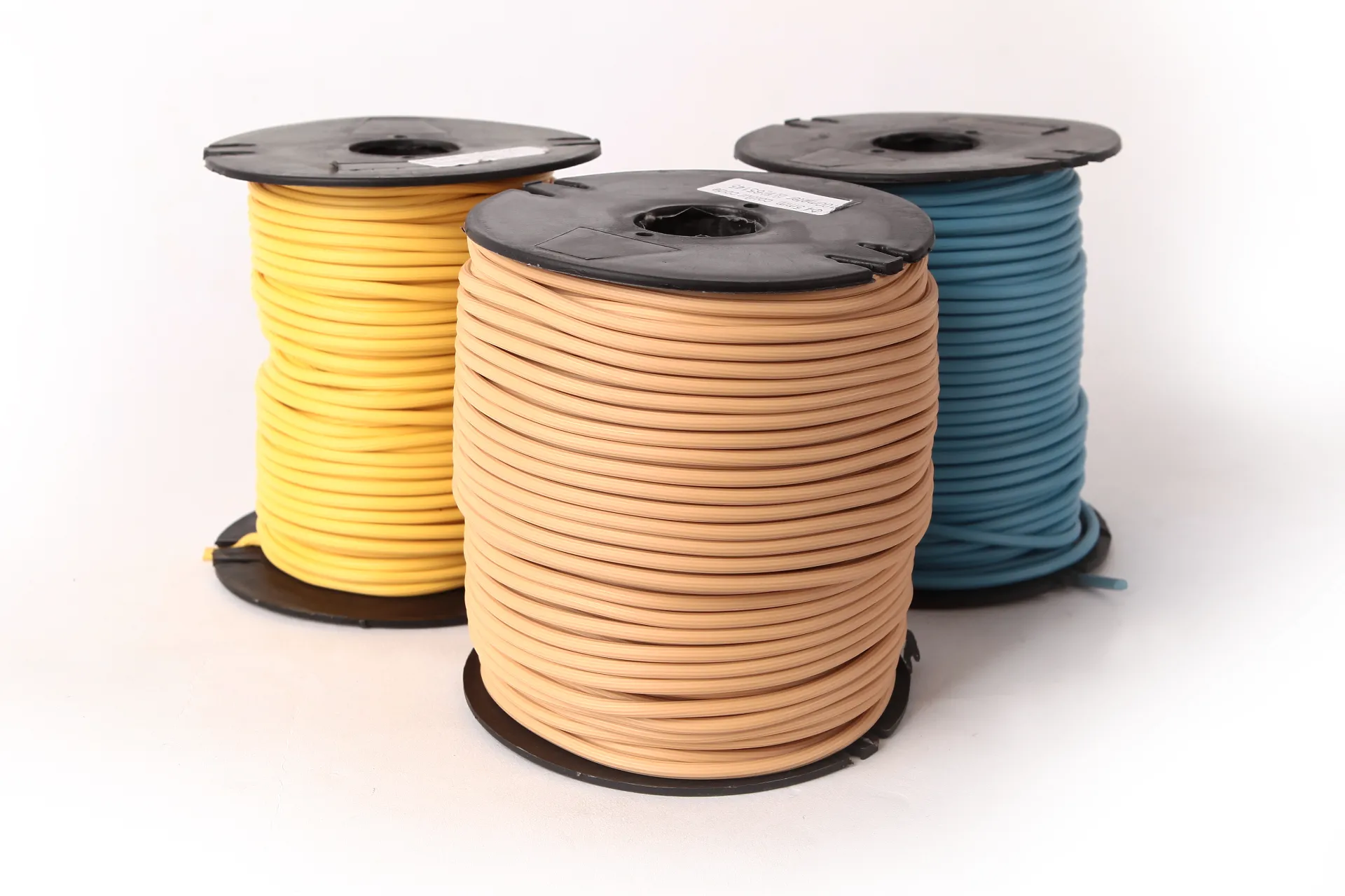
Oddly enough, despite the surge in sleek, hard-edged designs modern buildings favor, flexible skirting remains stubbornly popular. Why? Because it bends and stretches around awkward corners without cracking or peeling. I noticed many engineers praise its resistance to chemicals and ease of installation—things you don’t think about until you’re knee-deep in a renovation.
From my experience, the ideal flexible plastic skirting board combines durability with low maintenance. Made primarily from PVC or similar polymer compounds, these boards offer a surprising amount of flexibility without compromising strength. Frankly, in one warehouse I worked on, the skirting absorbed countless impacts from pallet trucks – it looked almost new after years.
| Specification | Details |
|---|---|
| Material | Flexible PVC (Polyvinyl Chloride) |
| Dimensions | Height: 100mm, Thickness: 8mm, Length: 2.5m roll |
| Flexibility Radius | Can bend to a radius as small as 50mm |
| Resistance | Chemical, impact, moisture resistant |
| Installation | Self-adhesive backing or mechanical fixings |
| Colors & Finishes | Standard grey, white, customizable on order |
| Fire Rating | Class B1 (flame retardant) |
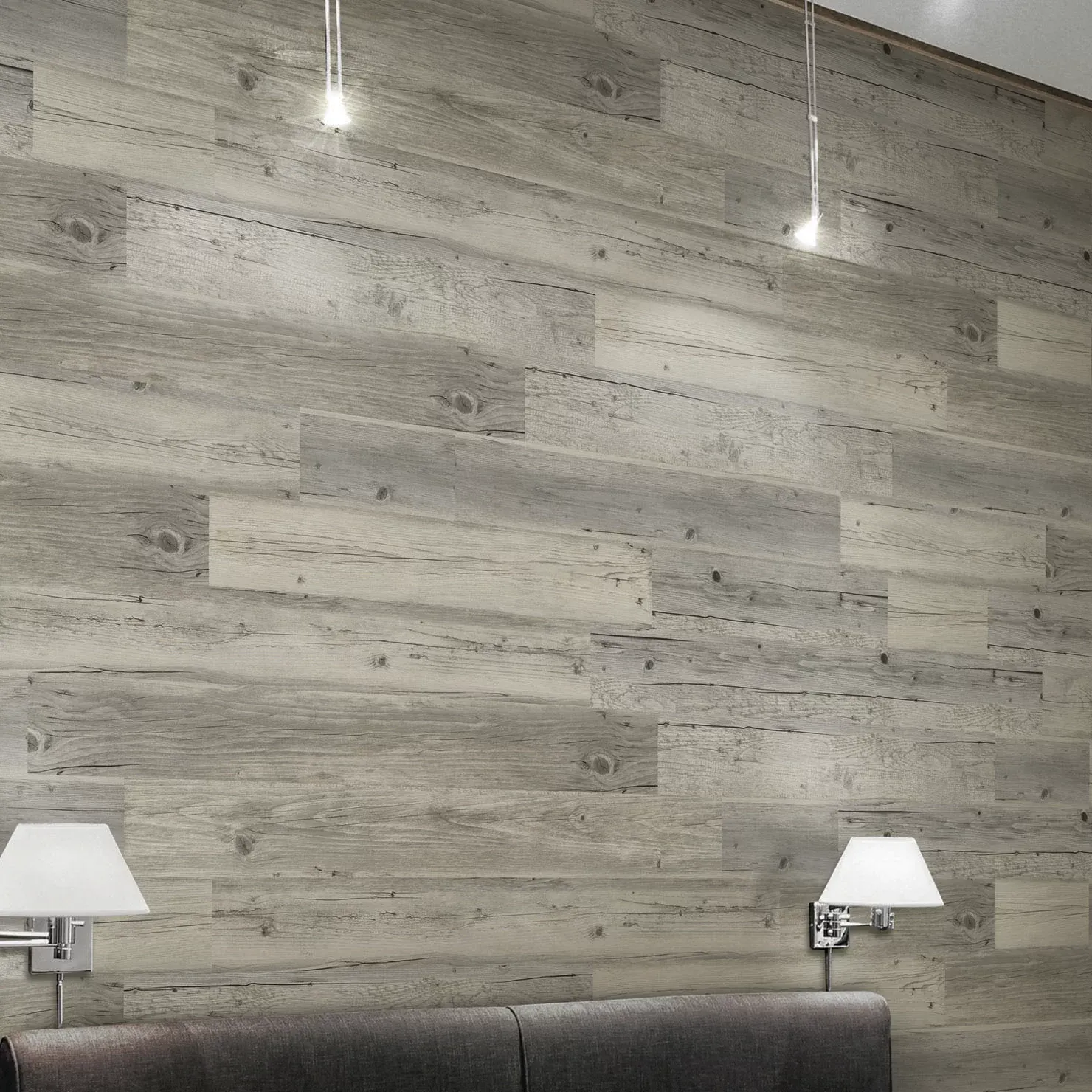
One thing that often comes up during specification meetings is customization. Many suppliers, like the one I link to above, offer options ranging from color matching to embossed finishes that mimic wood or metal. It’s these small touches that make flexible skirting boards transition smoothly from functional industrial areas to more elegant office partitions within the same facility.
It wouldn’t feel right without comparing some market options. Here’s a quick vendor comparison I put together, based on years of working and testing products firsthand. I focused on durability, price, and flexibility—the core aspects any procurement lead really cares about.
| Vendor | Material Quality | Price (per m) | Flexibility | Custom Options |
|---|---|---|---|---|
| EnlioFloor | High-grade flexible PVC | $12.50 | Excellent (50mm radius) | Multiple colors, finishes |
| FlexiTrim Ltd. | Standard PVC blend | $9.75 | Good (80mm radius) | Limited colors |
| PolyGuard | Reinforced flexible PVC | $14.00 | Very Good (60mm radius) | Custom embossing |
When I helped specify skirting for a food processing plant, flexibility was king, because many of the walls had awkward bends to accommodate equipment lines. The supplier’s self-adhesive flexible plastic skirting, in custom grey, saved hours of installation time and looked professional. More importantly, it passed all hygiene standards for easy cleaning—I suppose that’s what matters most in such environments.
In real terms, flexible plastic skirting boards deliver a trifecta: they protect walls, hide imperfections, and add a degree of style (even if subtle) to often utilitarian spaces. The thing you have to remember is that not all “flexible” products are equal. Some feel brittle, others cost a fortune, while the best strike a nice balance of price and performance.
So next time you’re specifying for a warehouse, factory, or even a gymnasium (yes, they use them too!), don’t underestimate the humble flexible plastic skirting board. It’s one of those unsung heroes that quietly keeps things running—and looking tidy—for years.
Stay practical, and if in doubt, go with a trusted vendor like EnlioFloor. Their range simply ticks the right boxes from what I’ve seen firsthand.
References:
1. Industry insights from over 10 years in industrial equipment installation.
2. EnlioFloor product specifications and user testimonials.
3. Comparative vendor analysis based on field experience and product testing.
-
Ultimate Guide to Durable and Modern spc flooring greyApr.16,2026
-
Installing SPC Flooring on Concrete Professional Installation GuideApr.09,2026
-
Comprehensive Guide to Durable SPC Flooring for Commercial ApplicationsApr.07,2026
-
SPC Flooring Click Installation Benefits and Comprehensive GuideApr.04,2026
-
Comprehensive Guide to SPC Flooring Durability Style and InstallationMar.31,2026
-
Exploring the Diverse Types of SPC Flooring for Your Next ProjectMar.28,2026