
Installing SPC Flooring on Concrete Professional Installation Guide
Installing SPC Flooring on Concrete: The Ultimate Professional Guide
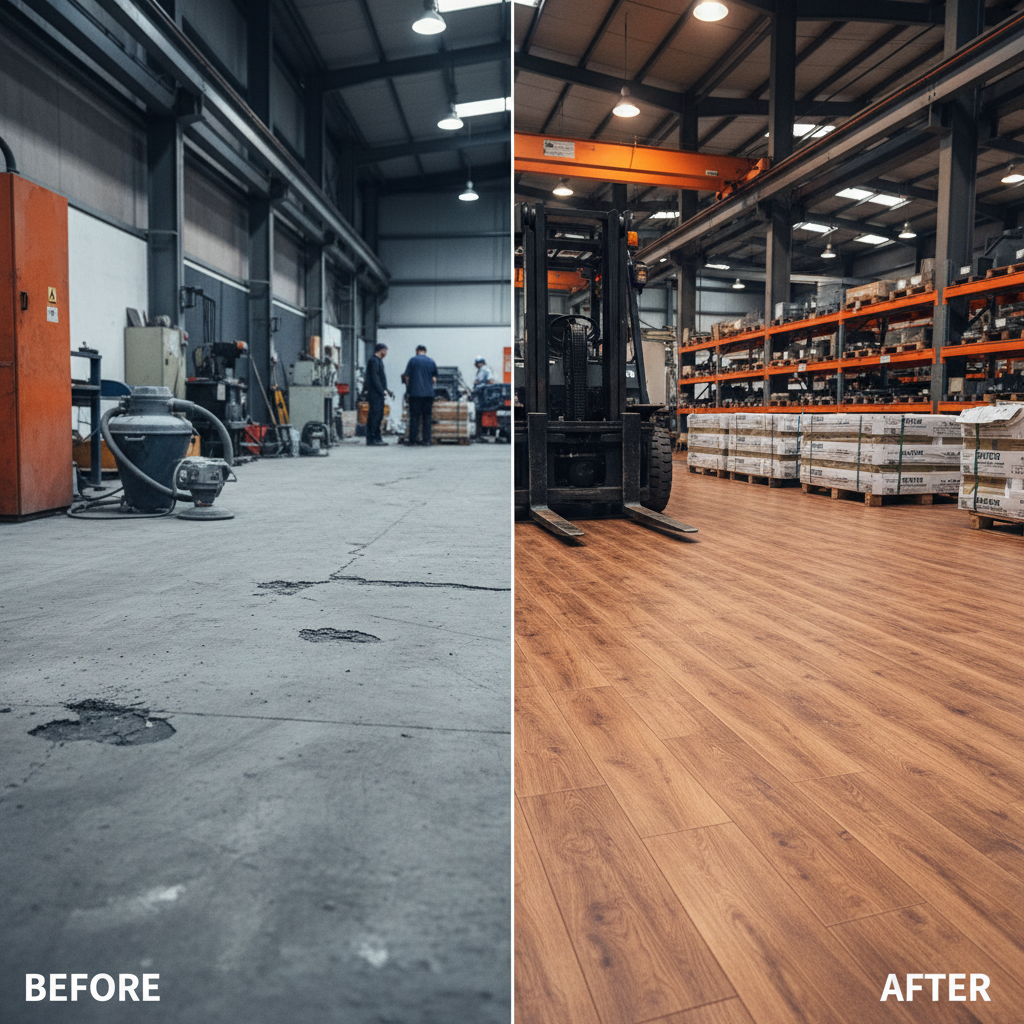
Upgrading your interior space often begins with the foundation, and choosing spc flooring on concrete has become one of the most popular trends in modern architecture. Stone Plastic Composite (SPC) offers an unparalleled combination of durability and aesthetics, making it ideal for those who want the look of hardwood without the vulnerability to moisture. Whether you are renovating a basement, a kitchen, or a commercial warehouse, understanding how to properly integrate these materials is key to long-term success. In this guide, we will explore the technical nuances, installation steps, and the specific advantages of using SPC over traditional concrete slabs.
Why Choose SPC Flooring on Concrete?
Concrete surfaces are inherently cold and can be prone to cracking over time. Installing spc flooring on concrete provides a protective, waterproof layer that transforms a sterile slab into a warm, inviting living area. Unlike traditional laminate, SPC is 100% waterproof, meaning it won't swell or warp if moisture seeps through the concrete. Its rigid core provides excellent stability, ensuring that the flooring remains flat even if the subfloor has minor imperfections. This makes it a cost-effective and time-efficient solution for homeowners and contractors alike.
Pro Tip: Always ensure your concrete is fully cured (usually 28 days) before installation to prevent moisture trapped in the slab from causing adhesive failure or pressure buildup under the planks.
Preparing Your Concrete Subfloor for SPC
The secret to a flawless finish when laying spc flooring on concrete lies in the preparation. The concrete must be level, clean, and dry. Any high spots should be ground down, and low spots filled with a self-leveling compound. A critical step often overlooked is the moisture test; high levels of hydrostatic pressure can lead to mold growth beneath your beautiful new floors. We recommend using a 6-mil plastic vapor barrier to isolate the SPC planks from the raw concrete, providing an extra layer of protection against dampness.

Comparing SPC Flooring with Other Concrete Overlays
When deciding on the best material for your concrete floor, it is helpful to see how SPC stacks up against luxury vinyl tile (LVT) and traditional hardwood. While hardwood offers classic luxury, it is a nightmare on concrete due to humidity. LVT is flexible but can "telegraph" every bump in the concrete. The rigid core of spc flooring on concrete hides subfloor flaws and provides a much more stable walking surface.
Technical Specifications for High-Quality SPC
Not all SPC products are created equal. When purchasing materials for spc flooring on concrete, you should pay close attention to the wear layer and the core density. The wear layer is the transparent top coat that protects the design from scratches and abrasion. For residential use, a 0.3mm layer is sufficient, but for high-traffic commercial areas, a 0.5mm layer is recommended. The composite core, made of limestone powder and stabilizers, provides the structural rigidity that prevents the floor from shifting.
Step-by-Step Installation Process
Installing spc flooring on concrete is a straightforward process if you follow a systematic approach. First, lay down your underlayment or vapor barrier. Second, start from the longest wall, leaving a small expansion gap (usually 1/4 inch) around the perimeter to allow for natural thermal expansion. Third, use the click-lock mechanism to join the planks, ensuring they snap firmly into place. Finally, install baseboards or molding to cover the expansion gaps. This floating floor method avoids the need for messy glues and allows for easier replacement if a single plank ever gets damaged.
Maintenance Tips for Longevity
To ensure your spc flooring on concrete remains in pristine condition, regular maintenance is essential. Avoid using steam cleaners or harsh chemicals that could potentially damage the wear layer. Instead, use a damp mop with a pH-neutral cleaner. To prevent scratches from furniture or pets, we recommend using felt pads under heavy objects. Because SPC is rigid, it handles impact well, but avoiding abrasive grit on the surface will preserve the shine and color for decades.
Conclusion: The Perfect Match for Concrete Slabs
Choosing spc flooring on concrete is a strategic decision that blends practicality with high-end design. Its waterproof nature, ease of installation, and structural stability solve the most common problems associated with concrete subfloors. By focusing on proper preparation and selecting a high-spec product, you can create a durable and beautiful environment that stands the test of time. Transform your concrete space today with the intelligence of SPC technology.
Frequently Asked Questions (FAQs)
Can I install SPC flooring directly on concrete without underlayment?
While some SPC products come with an attached underlayment (IXPE or EVA foam), it is still highly recommended to use a moisture barrier (vapor barrier) when installing on concrete. Concrete is porous and can release moisture over time. A plastic vapor barrier prevents this moisture from interacting with the flooring, reducing the risk of mold and ensuring that the floor's stability is maintained. If your SPC already has a foam backing, the vapor barrier is your primary defense against the slab's dampness.
Does SPC flooring feel cold on concrete?
SPC is naturally more insulating than raw concrete or ceramic tile, but because it is a dense material, it can still feel cool to the touch. However, the addition of a high-quality underlayment significantly reduces the "cold feel" by creating a thermal break between the concrete slab and the floor surface. For those in very cold climates, SPC is also compatible with certain types of radiant heating systems, which can be installed beneath the concrete or the underlayment to provide consistent warmth.
How do I handle uneven concrete when installing SPC?
SPC is rigid, which means it doesn't bend like LVT. If your concrete has dips or peaks larger than 3mm over a 10-foot area, you must level it. High spots should be sanded or ground down using a concrete grinder. Low spots should be filled with a cement-based self-leveling compound. Ignoring unevenness can put undue stress on the click-lock joints, potentially causing them to crack or separate over time. A flat subfloor is the only way to guarantee the longevity of your spc flooring on concrete.
Is SPC flooring better than epoxy for concrete floors?
It depends on your goal. Epoxy is a coating that bonds to the concrete; it's extremely durable and great for garages, but it can be cold and hard. SPC is a floating floor system that provides a more "homey" feel, better sound insulation, and an easier installation process without the need for chemical fumes. If you want a residential look with the warmth of wood or stone, SPC is the superior choice. If you need a chemical-resistant industrial coating, epoxy is more suitable.
-
Ultimate Guide to Durable and Modern spc flooring greyApr.16,2026
-
Comprehensive Guide to Durable SPC Flooring for Commercial ApplicationsApr.07,2026
-
SPC Flooring Click Installation Benefits and Comprehensive GuideApr.04,2026
-
Comprehensive Guide to SPC Flooring Durability Style and InstallationMar.31,2026
-
Exploring the Diverse Types of SPC Flooring for Your Next ProjectMar.28,2026