
Durable Plastic Skirting for Bathrooms | Industrial & Commercial Use
Plastic Skirting for Bathrooms: Durable Solutions for Industrial and Residential Spaces
Having spent over two decades in the industrial equipment sector, I’ve seen plenty of materials come and go. Yet, when it comes to bathroom finishes — especially plastic skirting — there’s a pretty compelling case for this low-key hero of interior detailing. Oddly enough, despite its unassuming role, plastic skirting panels play a surprisingly big part in protecting bathroom walls and floors from moisture, impacts, and, frankly, the daily grind of industrial or commercial traffic.
You’d think it’s just a simple strip against the wall, but the design and material quality make all the difference. In real terms, plastic skirting for bathrooms combines moisture resistance with easy maintenance, which is crucial in places where hygiene standards are strict and regular cleaning is a given. I remember a project in a factory restroom where traditional wood skirting warped horribly after just one wet season — plastic was a lifesaver.
Let’s talk design: most plastic skirtings are made from PVC or similar polymers, which deliver flexibility without sacrificing toughness. The good manufacturers test their products extensively — for chemical resistance, UV exposure, and impact resilience. Many engineers I know swear by vinyl-based options because they offer a nice balance of durability and cost-effectiveness. Plus, there’s a certain peace of mind knowing the skirting won’t peel or crack under pressure.
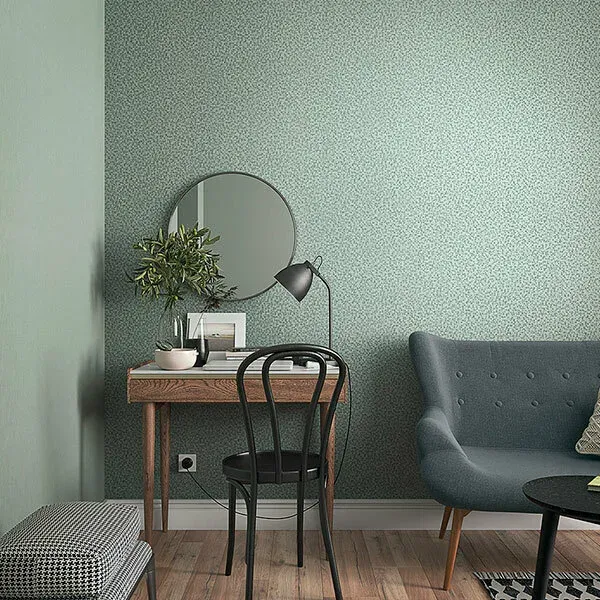
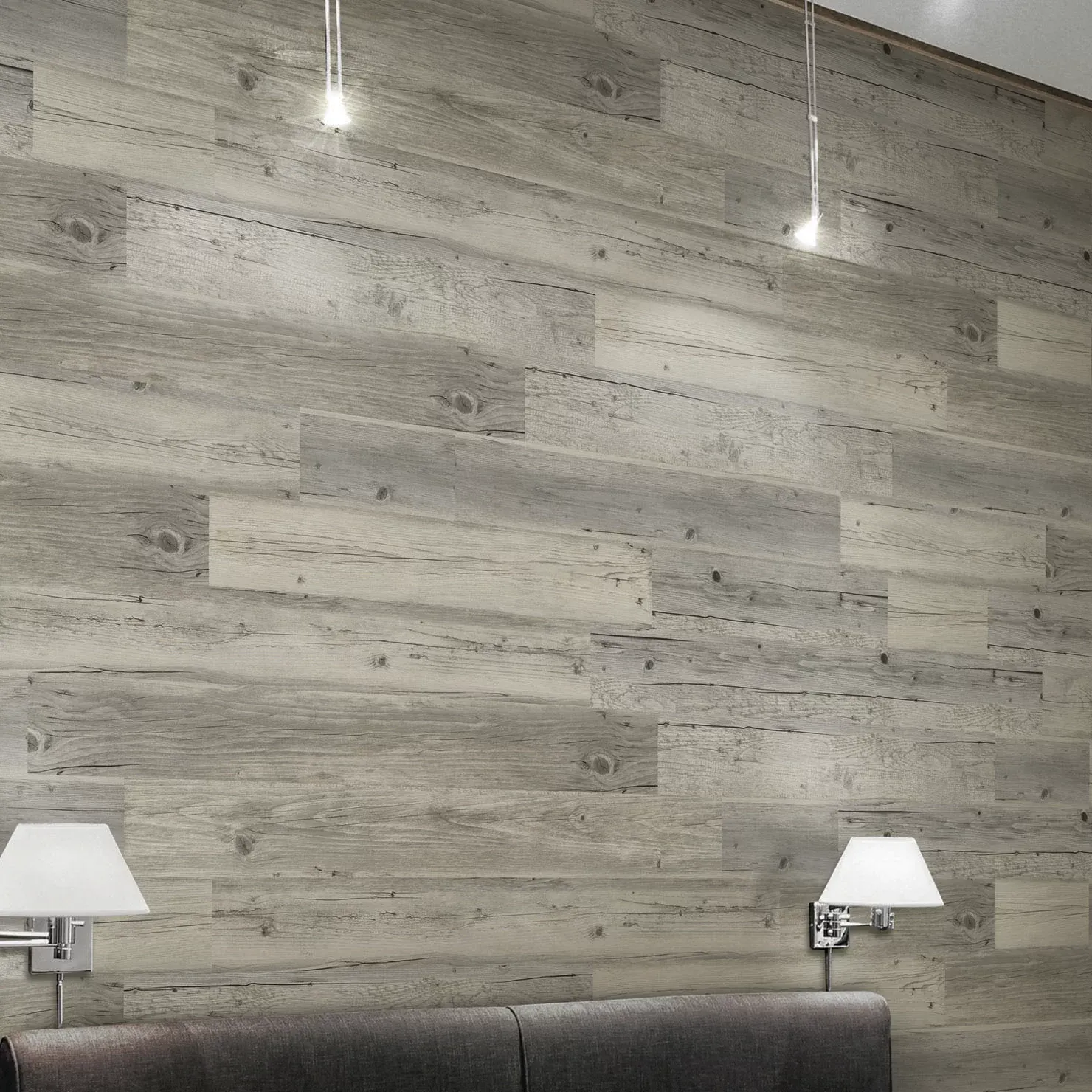
Customization is another point worth mentioning. Nowadays, you can get plastic skirting in various colors and finishes. I’ve seen some that mimic wood grain or even stone, which helps them blend seamlessly into more upscale bathroom designs without compromising practical benefits. That’s especially useful for facilities wanting to maintain a certain aesthetic while meeting industrial demands.
Here’s a quick rundown of typical product specs you might expect from a quality plastic bathroom skirting.
| Specification | Typical Values |
|---|---|
| Material | PVC / Vinyl / Composite |
| Height | 80mm – 150mm (custom sizes available) |
| Thickness | 2mm – 4mm |
| Moisture Resistance | Excellent (100% waterproof) |
| Fire Retardancy | Class B1 (fire resistant) |
| Installation | Adhesive or mechanical fixing |
Of course, not every vendor’s product is created equal. I’ve worked with a handful of suppliers and noticed variations in quality and lead times. To keep things clear, here’s a comparison that might help you when choosing your plastic skirting for bathrooms:
| Vendor | Material Quality | Customization Options | Lead Time | Average Price |
|---|---|---|---|---|
| EnlioFloor | High-grade PVC with enhanced durability | Wide range (colors, sizes, textures) | 2-3 weeks | $$$ |
| Vendor B | Standard PVC, less durability | Limited colors and sizes | 1 week | $ |
| Vendor C | Composite with fire retardant layer | Moderate options | 3-4 weeks | $$ |
To put a finer point on it, I recall working on a commercial gym retrofit where the bathroom floors were exposed to heavy foot traffic combined with frequent cleaning chemicals. We specified plastic skirting from EnlioFloor, and the client was thrilled. The skirting stayed looking sharp, resisted damage, and was straightforward to install — even in tricky corners.
All told, plastic skirting is often overlooked but is a practical, long-term investment for bathrooms in industrial or commercial settings. If durability, easy maintenance, and cost-effectiveness rank high on your list, it’s definitely worth a close look. Oddly enough, it feels like the kind of small detail that can save you headaches down the road.
In the end, sometimes it’s the simple things — like a properly chosen plastic skirting — that make the biggest difference.
References:
- Industry standards on bathroom wall protection, ASTM guidelines.
- Material durability testing reports from leading PVC manufacturers.
- Case studies from commercial building retrofit projects (2018–2023).
-
Ultimate Guide to Durable and Modern spc flooring greyApr.16,2026
-
Installing SPC Flooring on Concrete Professional Installation GuideApr.09,2026
-
Comprehensive Guide to Durable SPC Flooring for Commercial ApplicationsApr.07,2026
-
SPC Flooring Click Installation Benefits and Comprehensive GuideApr.04,2026
-
Comprehensive Guide to SPC Flooring Durability Style and InstallationMar.31,2026
-
Exploring the Diverse Types of SPC Flooring for Your Next ProjectMar.28,2026