
PVC Welding Rod Explained: Uses, Benefits & Industry Insight
Understanding PVC Welding Rod: Essential Insights for Industry and Beyond
PVC welding rods might not be the everyday topic around the dinner table, but when you delve a bit deeper, you quickly realize their importance in a world moving ever faster into modular construction, durable repairs, and sustainable industrial processes. Globally, the demand for reliable and cost-efficient welding materials is escalating, driven by construction booms in Asia-Pacific, infrastructure renewal in Europe, and humanitarian projects worldwide. Frankly, a solid grasp of pvc welding rod properties and applications opens the door to better material choices, safer structures, and longer-lasting installations.
Introduction: The Global Context of PVC Welding Rod
PVC (polyvinyl chloride) is among the most widely produced plastics, second only to polyethylene, according to the Wikipedia entry on PVC. It’s everywhere — from water pipelines to protective coatings. But the linchpin when joining these PVC elements together is the welding rod specially designed for this job. The global market for PVC welding rod is expanding at approximately 5-6% annually (source: a 2023 ISO industry briefing), reflecting an increase in modular construction techniques and repairs on PVC geomembranes used in environmental containment. And yet, many manufacturers struggle with achieving consistent weld quality, especially in challenging climates or on uneven surfaces — a problem where the right welding rod can make all the difference.
What Exactly is a PVC Welding Rod?
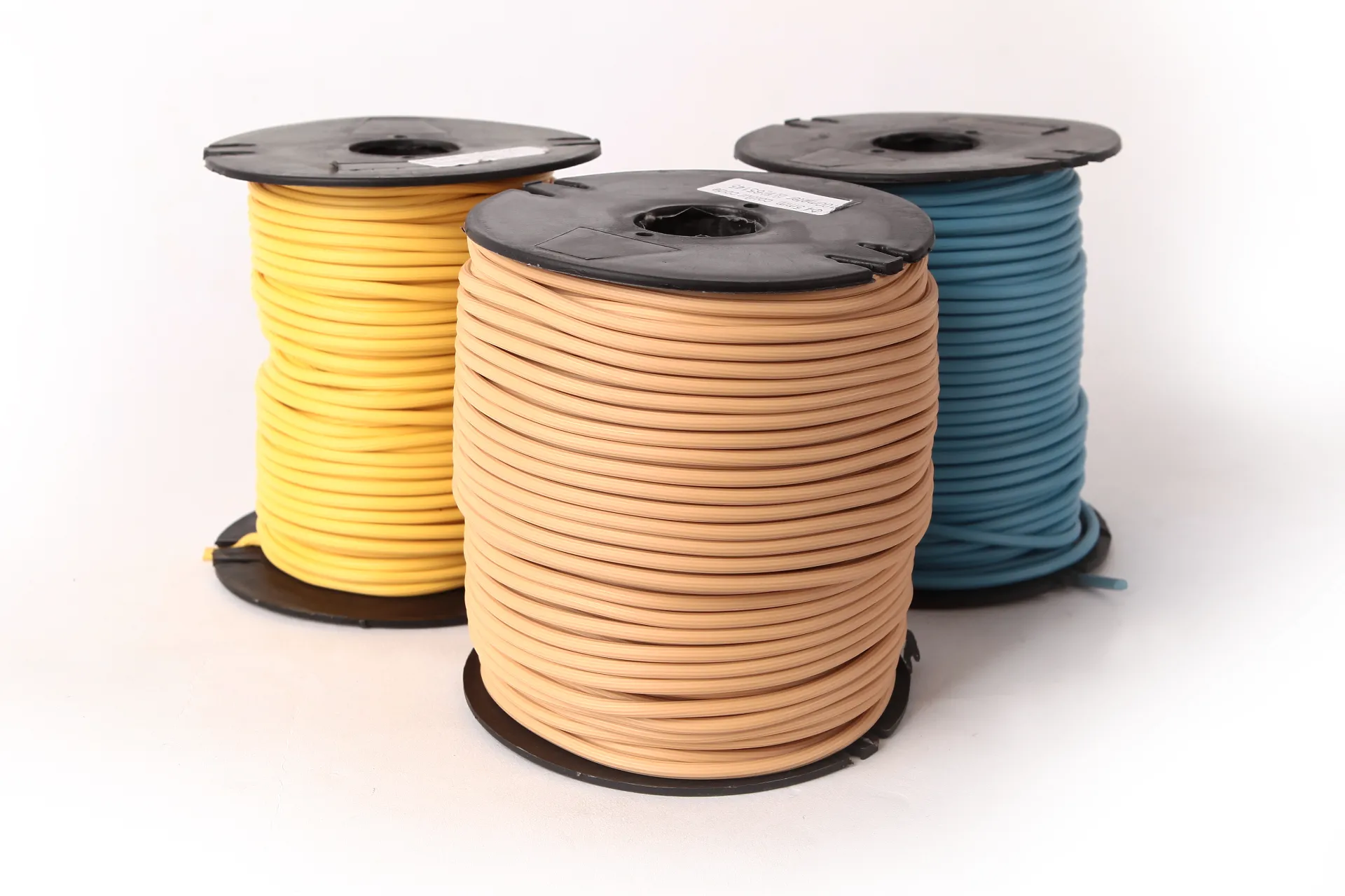
A pvc welding rod is essentially a thin rod composed primarily of PVC resin, formulated to melt and fuse PVC parts seamlessly when heated. Think of it as the “thread” that stitches PVC materials together permanently, creating watertight, strong, flexible joints. These rods come in various thicknesses and colors, sometimes customized with plasticizers or additives to tailor performance — be it toughness, UV resistance, or chemical tolerance.
Importantly, the pvc welding rod is tied deeply to modern infrastructure — not just in factories or construction sites, but also humanitarian efforts requiring quick assembly of durable shelters or clean water systems. Without such rods, our modular, repair-friendly PVC systems would be weaker and less trustworthy.
Key Factors Shaping PVC Welding Rod Performance
Durability and Weather Resistance
It’s one thing for a weld to hold indoors, quite another to last decades outdoors under sun, rain, or harsh chemicals. Quality welding rods ensure the joint won’t crack or deteriorate and can withstand environmental stresses for at least 10–20 years in typical applications.
Melting Temperature and Compatibility
Not all PVC materials are identical — some contain specific additives or fillers. The welding rod’s melting range must align perfectly; otherwise, the joint weakens. Most rods melt reliably between 180–240°C (356–464°F).
Flexibility and Strength
Oddly enough, a weld has to be both hard enough to maintain a seal and flexible enough to resist cracking from expansions or vibrations, especially in pipelines or roofing membranes.
Cost-Efficiency
In big projects, minor differences in cost per rod add up quickly. Choosing rods that balance price with longevity and ease of use can save thousands in labor and replacement costs.
Environmental and Safety Compliance
Increasingly, manufacturers incorporate lead-free, low-VOC formulas to meet environmental regulations, improving worker safety and reducing ecological impact.
Popular Specifications of PVC Welding Rods
| Specification | Description |
|---|---|
| Material | Virgin PVC resin with plasticizers |
| Diameter Range | 2.0 mm to 5.0 mm |
| Melting Point | 180-240°C (356-464°F) |
| Color | Transparent, White, Gray, Custom |
| Shelf Life | 2 years (if stored in dry conditions) |
| Typical Uses | Geomembrane lining, roofing, pipe welding |
Global Applications & Use Cases of PVC Welding Rods
PVC welding rods find their way into countless industry niches worldwide. The construction industry — especially roofing and waterproofing — uses these rods extensively to weld PVC membranes, sealing commercial buildings or large warehouses in Europe and North America. Meanwhile, in Asia-Pacific’s rapidly urbanizing cities, pvc welding rods help join water supply pipes and cable conduits efficiently.
Humanitarian organizations rely on PVC welding rods too. After natural disasters, quick-deploy shelters and water tanks often use PVC sheets welded by these rods, ensuring durable, safe, and watertight relief infrastructure. The UN’s High Commissioner for Refugees noted the importance of such materials in post-disaster zones in 2022.
Industrial parks and remote mining operations, especially in South America and Africa, benefit too. The rods enable reliable repair and maintenance of containment liners, chemically resistant tanks, and other modular PVC solutions where traditional bonding methods are impractical.
Vendor Comparison of Popular PVC Welding Rods
| Vendor | Material Quality | Price per Kg | Special Features | Available Stock |
|---|---|---|---|---|
| Enlio | High-grade Virgin PVC | $7.50 | Lead-free, UV Resistant | Large – OEM capacities |
| PVC Pros | Standard PVC blend | $6.80 | Available in colors | Medium |
| Global Weld | Recycled PVC mix | $5.50 | Eco-friendly mix | Limited |
Advantages and Long-Term Value of PVC Welding Rods
- Cost Savings: Minimizes repair costs by providing leak-proof, durable welds that extend the lifespan of structures.
- Environmental Impact: Lead-free rods reduce harmful emissions; recyclability of PVC contributes to sustainable use.
- Safety and Integrity: Ensures watertight and airtight seals critical in water, chemical containment, and roofing.
- Flexibility: Accommodates structural movement without cracking, pleasing engineers and end-users alike.
- Innovation: Supports advanced modular building and infrastructure solutions; fits neatly with modern assembly line practices.
The social impact resonates too, since a leak in a water containment liner or roofing membrane can mean health hazards or downtime for businesses. So the integrity of a pvc welding rod actually protects livelihoods.
Future Trends and Innovations
Looking ahead, I suppose the biggest trends involve greener materials and smarter production techniques. For example, developing bio-based plasticizers that maintain flexibility but reduce carbon footprint. Some companies are experimenting with automation in the welding process, combining robotics with precisely calibrated pvc welding rods to raise consistency standards.
Also, as digital building information modeling (BIM) gets more sophisticated, materials like pvc welding rod will be tracked from factory floor to site installation, improving traceability and maintenance forecasting. This could be a game-changer for asset management in industrial contexts.
Challenges and Solutions in Using PVC Welding Rods
It’s not all rosy. Users often bump into problems like contamination of the weld surface, incompatible substrate materials, or fluctuations in heat application causing weak joints. These issues can be frustrating, especially on large, costly projects.
Experts recommend strict surface preparation protocols — cleaning, drying, and priming — plus user training to ensure temperature consistency. Newer rods with additives that improve adhesion and melt flow also help overcome such hurdles. Seeing how manufacturers and end-users adapt here is actually quite encouraging.
FAQ: Frequently Asked Questions About PVC Welding Rod
- What is the most suitable pvc welding rod thickness for roofing applications?
- For roofing membranes, welding rods with diameters between 3.0 mm and 4.0 mm are typically recommended because they balance ease of melting and strength of the weld.
- Can PVC welding rods be used outdoors immediately after welding?
- While pvc welds generally set quickly, full cure to maximum strength can take up to 24 hours. It’s best to avoid stressing or exposing the joint to heavy rain immediately after welding to ensure best results.
- Are there eco-friendly options for pvc welding rods?
- Yes, some manufacturers offer lead-free, phthalate-reduced formulations, and even rods made from recycled PVC blends designed to lower environmental impact without compromising performance.
- Can pvc welding rods be customized for color or additives?
- Definitely. Many suppliers provide rods in a range of colors and formulations tailored with UV stabilizers or flame retardants to fit specific project requirements.
- How does store environment affect pvc welding rod shelf life?
- Keeping rods dry and at stable room temperatures preserves their quality for up to two years. Exposure to moisture or heat fluctuations can degrade performance prematurely.
Conclusion
In the grand scheme, pvc welding rods are a small but vital gear in the machinery of modern industry and humanitarian efforts — stitching together the very materials that safeguard health, infrastructure, and the environment. The long-term benefits of selecting the right rod extend not only to cost savings and durability but to supporting sustainability and safety in tangible ways. Curious to learn more or upgrade your project materials? Feel free to visit our website: https://www.enliofloor.com
A quick takeaway: understanding the nuances of pvc welding rod selection can dramatically enhance project success and product longevity in an evolving industrial world.
-
Ultimate Guide to Durable and Modern spc flooring greyApr.16,2026
-
Installing SPC Flooring on Concrete Professional Installation GuideApr.09,2026
-
Comprehensive Guide to Durable SPC Flooring for Commercial ApplicationsApr.07,2026
-
SPC Flooring Click Installation Benefits and Comprehensive GuideApr.04,2026
-
Comprehensive Guide to SPC Flooring Durability Style and InstallationMar.31,2026
-
Exploring the Diverse Types of SPC Flooring for Your Next ProjectMar.28,2026