
The Growing Demand for Internal Wall Protection
Understanding the Rise of Internal Wall Coverings
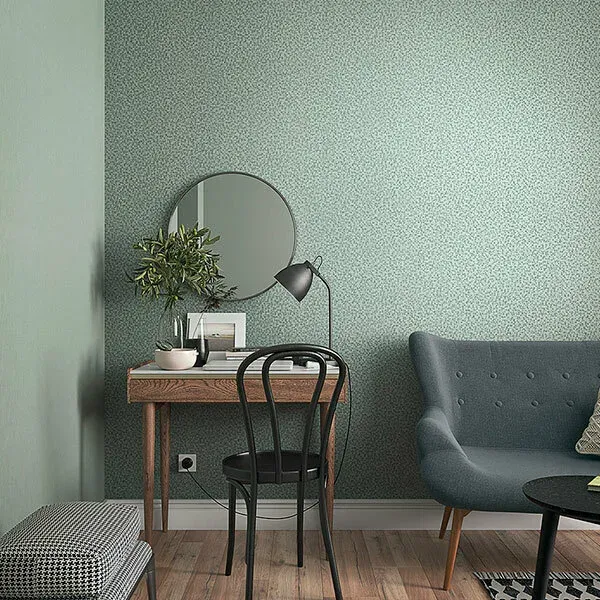
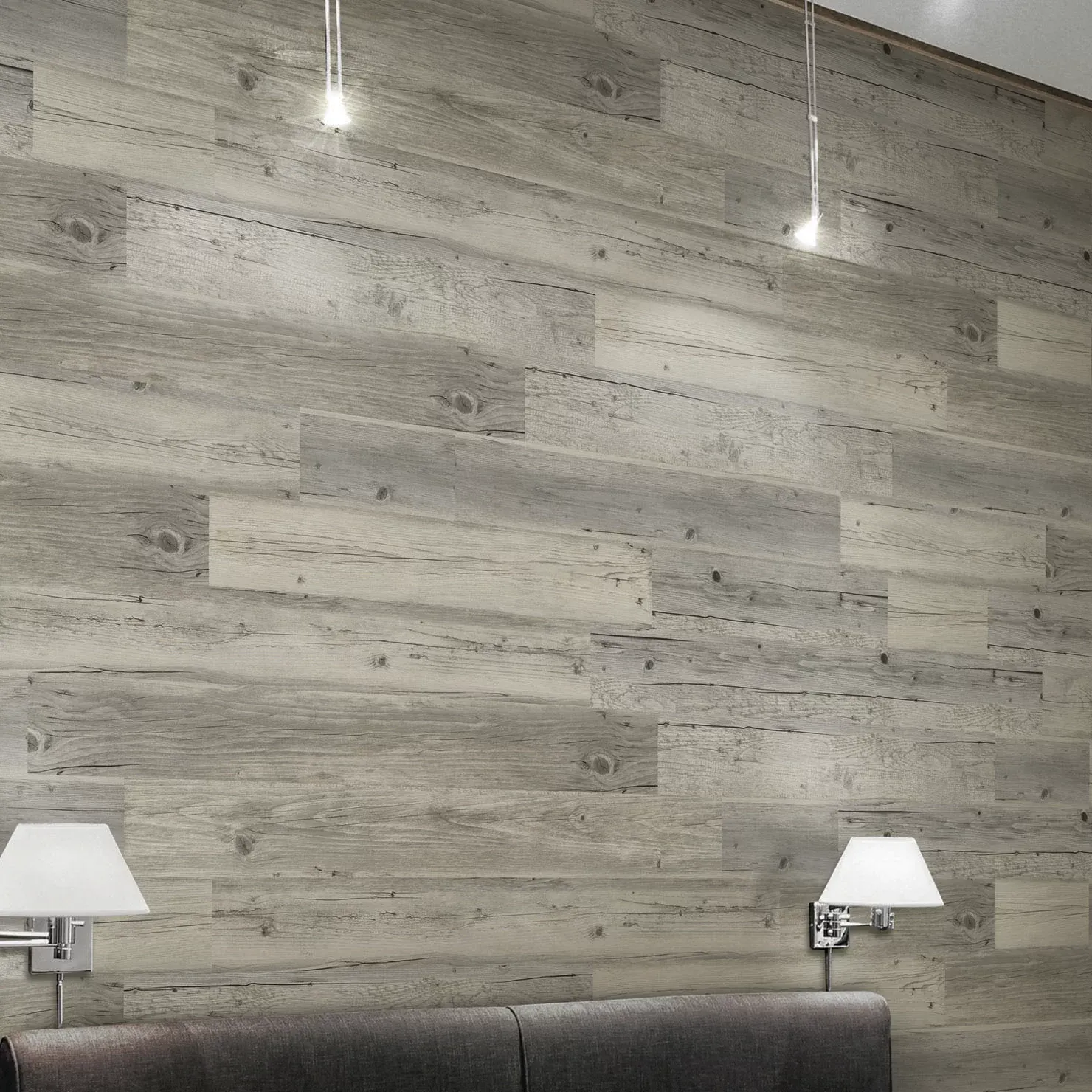
It's funny, you know, how things cycle. For years, everyone focused on floor coverings – the first impression, the wear and tear. But lately, I’ve noticed a real shift. More and more B2B decision-makers are realizing the importance of protecting their internal walls. Not just aesthetically, but functionally. Warehouses, food processing plants, even high-traffic offices… they all face the same issues: impact damage, scuffs, abrasion. And that’s where Internal Wall Coverings come in. They’re not a new invention, exactly, but the materials and application methods have come a long way.
What Are We Talking About?
Essentially, these aren’t your grandma’s wallpaper. We’re talking about durable, often modular, sheeting designed to withstand serious abuse. Think high-density polyethylene (HDPE), polypropylene (PP), even specialized PVC formulations. The key is impact resistance and ease of cleaning. Many systems are interlocking, which simplifies installation and allows for quick repairs. I suppose the rise is tied to lean manufacturing and the push for minimizing downtime… a damaged wall means repair time, cleaning time, and potentially even production stoppages. Here's a quick look at the specs for Enlio's standard wall covering:
| Parameter | Specification | Notes |
|---|---|---|
| Material | HDPE | High Impact Resistance |
| Thickness | 3mm - 8mm | Customizable |
| Width | 1000mm | Standard Width |
| Installation | Interlocking System | Easy and Fast |
Where Are They Using This Stuff?
Frankly, everywhere. Food processing is huge – hygiene is paramount, and these coverings are easily sanitized. Warehouses benefit from the impact protection, reducing damage to racking and walls from forklifts. Manufacturing facilities, too, are adopting them to protect against abrasion and chemical spills. It really seems to be taking off in logistics centers... I heard a story just last month from a distribution company that saw a significant reduction in wall repair costs after switching to these coverings. They’d been constantly patching drywall, which was disruptive and expensive. Now it's a simple panel swap. Here's how some of the key vendors stack up:
| Vendor | Material Options | Price (per sq ft) | Installation Support |
|---|---|---|---|
| Enlio | HDPE, PP, PVC | $2.50 - $4.00 | Excellent |
| WallGuard | PVC, Polycarbonate | $3.00 - $5.00 | Moderate |
| ArmorWall | HDPE | $3.50 - $6.00 | Limited |
Cost, Maintenance, and the User Experience
Okay, let's talk money. Initially, the upfront cost is higher than simply patching drywall. But, and this is a big but, the total cost of ownership is often significantly lower. Reduced repair time, less disruption, and a longer lifespan add up. Maintenance is a breeze – usually just a wipe-down with a mild detergent. Many engineers I’ve spoken with appreciate the modularity; it’s not a complete overhaul if a section gets damaged. It feels like a pretty straightforward ROI calculation, actually.
Sustainability and Market Trends
There’s a growing demand for sustainable materials, and this is starting to influence the market. Manufacturers are exploring recycled content and more eco-friendly production processes. I suppose it’s a natural progression. Plus, with increasing focus on workplace safety and hygiene, the demand for easily cleanable and durable surfaces will only continue to grow. Oddly enough, I’ve also seen an uptick in demand for aesthetically pleasing coverings – companies want protection and a professional look.
Frequently Asked Questions about Internal Wall Coverings
- What is Internal Wall Coverings and how does it work?
- Internal Wall Coverings are durable panels designed to protect walls from impact, abrasion, and damage. They typically feature interlocking systems for easy installation and replacement.
- What are the main benefits of using Internal Wall Coverings in industrial applications?
- Key benefits include reduced repair costs, minimized downtime, improved hygiene, and enhanced workplace safety.
- How does Internal Wall Coverings compare to traditional alternatives?
- Compared to drywall or concrete, Internal Wall Coverings offer superior durability, ease of maintenance, and faster repair times, resulting in a lower total cost of ownership.
- What industries can benefit most from Internal Wall Coverings implementation?
- Industries like food processing, warehousing, manufacturing, logistics, and healthcare can significantly benefit from the protective qualities of these coverings.
Conclusion
In the end, protecting your investment – both in infrastructure and in productivity – is paramount. Internal Wall Coverings offer a compelling solution, blending durability, cost-effectiveness, and ease of maintenance. Visit our website: https://www.enliofloor.com for more details.
-
Ultimate Guide to Durable and Modern spc flooring greyApr.16,2026
-
Installing SPC Flooring on Concrete Professional Installation GuideApr.09,2026
-
Comprehensive Guide to Durable SPC Flooring for Commercial ApplicationsApr.07,2026
-
SPC Flooring Click Installation Benefits and Comprehensive GuideApr.04,2026
-
Comprehensive Guide to SPC Flooring Durability Style and InstallationMar.31,2026
-
Exploring the Diverse Types of SPC Flooring for Your Next ProjectMar.28,2026