
Understanding the Cost of Homogeneous Vinyl Flooring with harga vinyl homogeneous
Understanding the Cost of Homogeneous Vinyl Flooring: A 'harga vinyl homogeneous' Guide
When considering flooring options, especially for commercial or high-traffic areas, homogeneous vinyl is often a popular choice due to its durability, cost-effectiveness, and ease of maintenance. However, understanding the 'harga vinyl homogeneous' – the price of homogeneous vinyl flooring – requires considering various factors. This article will break down the costs associated with homogeneous vinyl flooring, exploring the elements that influence price, offering a price range overview, and providing insights to help you make an informed decision. We will also explore where to source quality homogeneous vinyl flooring, such as from Enlio Floor, a trusted provider in the industry.
Factors Influencing 'Harga Vinyl Homogeneous'
Several key factors directly impact the 'harga vinyl homogeneous'. These include the thickness of the vinyl, its wear layer, the manufacturing process, the brand reputation, and the quantity you purchase. Thicker vinyl with a robust wear layer generally commands a higher price due to its increased durability and longevity. Similarly, well-known brands often charge a premium for their quality control and brand recognition. Finally, buying in bulk typically leads to discounted rates. Understanding these factors allows you to prioritize your needs and budget effectively.
Key Cost Considerations: Thickness, wear layer, brand, quantity, installation complexity, and underlying subfloor preparation.
Typical Price Range for Homogeneous Vinyl Flooring
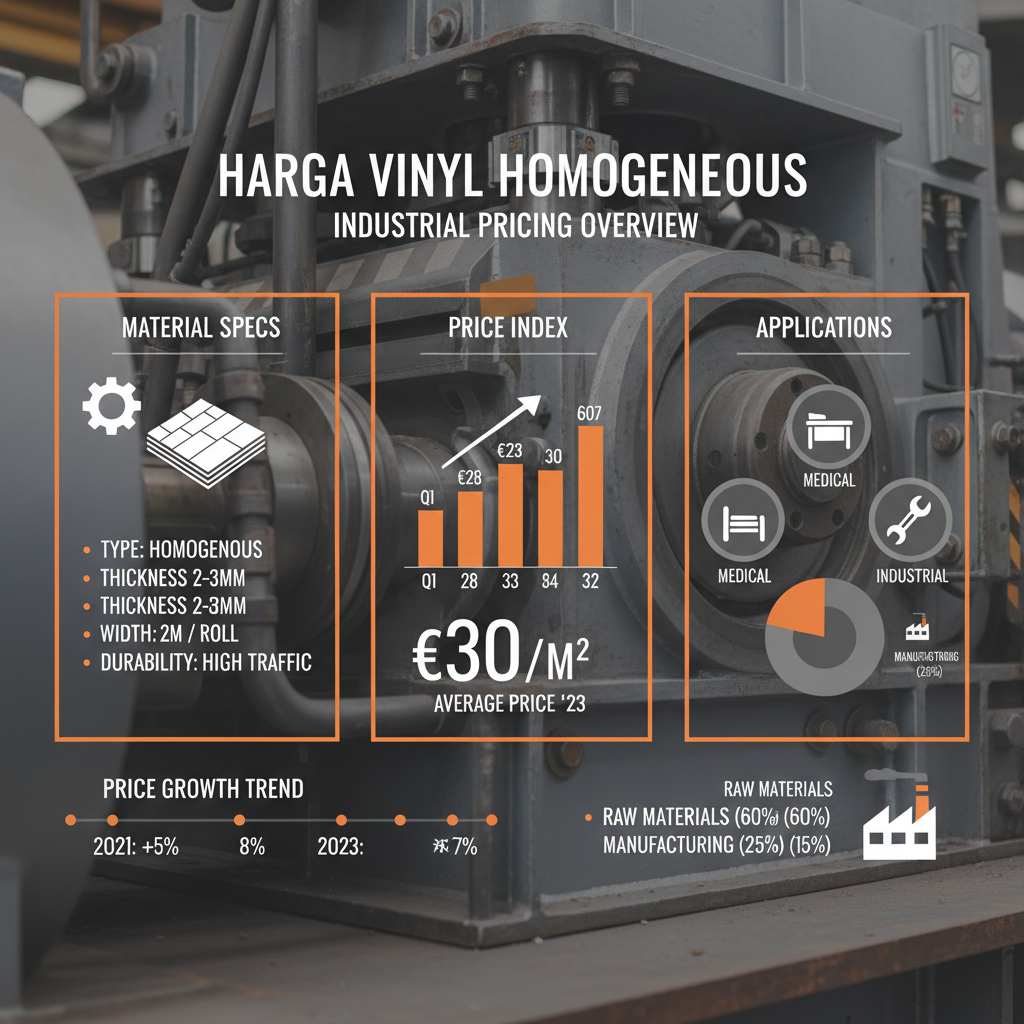
The 'harga vinyl homogeneous' can vary considerably based on the factors mentioned above. However, as a general guide, here's a breakdown of the typical price range (prices are approximate and can fluctuate based on location and supplier):
Beyond the Material: Installation and Subfloor Costs
Remember that the 'harga vinyl homogeneous' doesn't stop at the material cost. Installation charges can add a significant amount to the overall expense. These costs depend on the complexity of the installation, the size of the area, and the labor rates in your region. Furthermore, the condition of the subfloor is crucial. If the subfloor requires leveling, patching, or preparation, these additional costs must be factored into your budget. Professional installation is generally recommended to ensure a proper fit and long-lasting performance.
Additional Costs to Consider:
• Installation Labor
• Subfloor Preparation (leveling, patching)
• Adhesive (if required)
• Skirting Boards/Trim
Choosing the Right Supplier: Enlio Floor's Offering
Selecting a reputable supplier is paramount when purchasing homogeneous vinyl flooring. Enlio Floor offers a wide range of high-quality homogeneous vinyl flooring options at competitive prices. They are committed to providing durable, stylish, and cost-effective flooring solutions for various applications. Their expert team can guide you through the selection process, ensuring you find the perfect flooring to meet your needs and budget.
Conclusion: Making an Informed Decision Regarding 'Harga Vinyl Homogeneous'
Understanding the 'harga vinyl homogeneous' involves considering numerous factors beyond just the price per square meter. From thickness and wear layer to installation and subfloor preparation, a comprehensive assessment is crucial. By carefully evaluating your needs, budget, and sourcing from a reputable supplier like Enlio Floor, you can make an informed decision and enjoy a durable, cost-effective, and beautiful flooring solution.
Frequently Asked Questions (FAQs)
What are the main advantages of homogeneous vinyl flooring?
Homogeneous vinyl offers exceptional durability, making it ideal for high-traffic areas. It's highly resistant to scratches, stains, and chemicals, requiring minimal maintenance. Furthermore, it's a cost-effective solution compared to other flooring options like hardwood or ceramic tile. The consistent color throughout the material means wear and tear are less visible, extending its lifespan. It's also a hygienic option as it doesn't harbor bacteria or allergens easily.
How does the wear layer affect the 'harga vinyl homogeneous'?
The wear layer is the protective top layer of the vinyl flooring. A thicker wear layer provides greater resistance to scratches, scuffs, and stains, extending the flooring's lifespan. Consequently, flooring with a thicker wear layer will typically have a higher 'harga vinyl homogeneous' because of the increased material cost and durability. For high-traffic commercial areas, a wear layer of 0.7mm or 1.0mm is recommended, while for lighter residential use, a 0.3mm or 0.5mm wear layer might suffice.
Is homogeneous vinyl flooring suitable for wet areas like bathrooms?
While homogeneous vinyl is water-resistant, it's not entirely waterproof. It can withstand occasional splashes and spills, but prolonged exposure to standing water can seep into the seams and cause issues. For bathrooms and other wet areas, it’s crucial to ensure proper sealing of the seams during installation. Consider choosing a vinyl flooring specifically designed for wet areas, which may have a more robust waterproof backing. The 'harga vinyl homogeneous' may be slightly higher for these specialized products.
Can I install homogeneous vinyl flooring myself, or should I hire a professional?
While it is possible to install homogeneous vinyl flooring yourself, particularly click-lock varieties, professional installation is generally recommended. Proper subfloor preparation is critical for a long-lasting and aesthetically pleasing result. Professional installers have the expertise and tools to ensure a smooth, level surface and secure seams. While DIY installation might save you on labor costs initially, a poorly installed floor can lead to premature wear, damage, and costly repairs, ultimately increasing the total cost.
-
Ultimate Guide to Durable and Modern spc flooring greyApr.16,2026
-
Installing SPC Flooring on Concrete Professional Installation GuideApr.09,2026
-
Comprehensive Guide to Durable SPC Flooring for Commercial ApplicationsApr.07,2026
-
SPC Flooring Click Installation Benefits and Comprehensive GuideApr.04,2026
-
Comprehensive Guide to SPC Flooring Durability Style and InstallationMar.31,2026
-
Exploring the Diverse Types of SPC Flooring for Your Next ProjectMar.28,2026