
Enhance Your Home Decor with Stunning Tapestry Wall Coverings
Tapestry Wall Coverings: A Comprehensive Guide
Looking to transform your living space with a touch of artistry and texture? Tapestry wall coverings offer a unique and versatile solution, blending aesthetic appeal with practical benefits. From bohemian chic to modern minimalism, tapestries can complement a wide range of interior design styles. This article will delve into the world of tapestry wall coverings, exploring their benefits, materials, installation, and care. Discover how these stunning pieces can elevate your home décor and create a truly inviting atmosphere.
Understanding Tapestry Wall Coverings
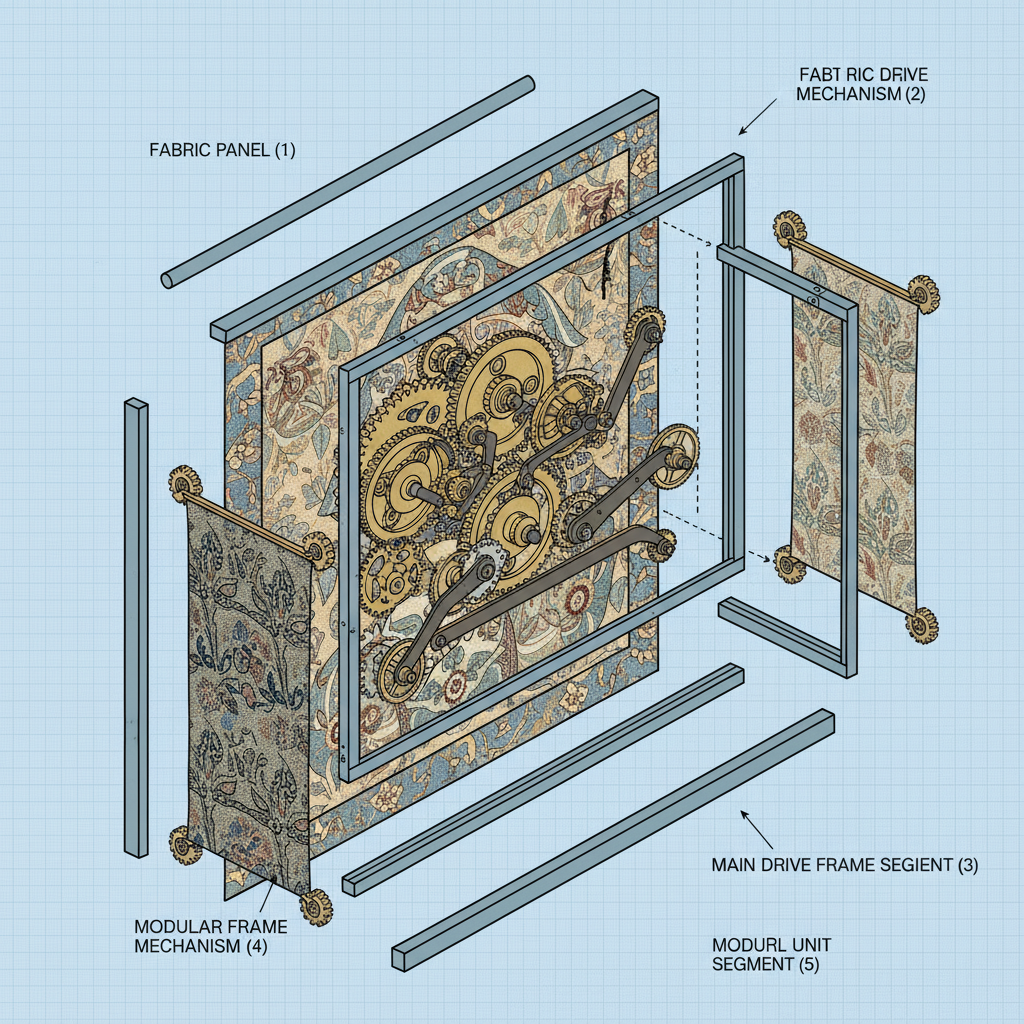
Tapestry wall coverings are essentially large pieces of fabric designed to be hung on walls as decorative elements. Unlike traditional wallpaper, they offer a softer, more textured aesthetic. They come in a vast array of designs, patterns, and sizes, making it easy to find a tapestry that matches your personal style. Beyond their visual appeal, tapestries can also offer acoustic benefits, absorbing sound and reducing echo in a room. They're a fantastic alternative to paint or wallpaper, particularly for renters or those who like to change their décor frequently as they generally cause less damage to walls. Choosing the right tapestry can make all the difference in the overall look and feel of a room.
Key Highlights: Tapestries offer a soft, textured aesthetic, come in diverse designs, provide acoustic benefits, and are easy to install and change.
Materials Used in Tapestry Wall Coverings
Tapestries are made from a variety of materials, each offering different characteristics in terms of texture, durability, and cost. Common materials include cotton, polyester, wool, silk, and blends of these fibers. Cotton tapestries are affordable and easy to care for, while polyester tapestries are known for their durability and resistance to fading. Wool tapestries offer a luxurious feel and excellent insulation, but can be more expensive. Silk tapestries are the most luxurious option, but also the most delicate and require specialized cleaning. The choice of material depends on your budget, lifestyle, and desired aesthetic. Understanding the properties of each material is crucial when selecting a tapestry wall covering.
Material Comparison:
• Cotton: Affordable, easy to care for.
• Polyester: Durable, fade-resistant.
• Wool: Luxurious, insulating.
• Silk: Most luxurious, delicate.
Installation Methods for Tapestry Wall Coverings
Installing a tapestry wall covering is generally a straightforward process. The most common methods include using adhesive strips, thumbtacks, nails, or a tapestry rod. Adhesive strips are ideal for lightweight tapestries and cause minimal damage to walls, making them suitable for renters. Thumbtacks are a simple and inexpensive option, but may leave small holes. Nails provide a more secure hold, but require careful placement to avoid damaging the tapestry. A tapestry rod offers a more sophisticated look and allows for easy removal and re-hanging. Consider the weight of the tapestry and the type of wall surface when choosing an installation method. For larger, heavier tapestries, using a sturdy tapestry rod is recommended. Selecting the right installation method for your tapestry is essential for both aesthetics and longevity.
Caring for Your Tapestry Wall Covering
Proper care will ensure your tapestry wall covering remains vibrant and beautiful for years to come. Dust regularly with a soft brush or vacuum with a brush attachment. Avoid harsh chemicals or abrasive cleaners. For spills, blot immediately with a clean, damp cloth. If the tapestry requires washing, follow the manufacturer’s instructions carefully. Some materials may need to be dry cleaned. Protect your tapestry from direct sunlight to prevent fading. With proper care, your tapestry will continue to enhance your living space for a long time.

Choosing the Right Tapestry: Styles and Trends
The world of tapestry wall coverings is incredibly diverse, offering a range of styles to suit every taste. Bohemian tapestries with intricate patterns and vibrant colors are popular for creating a relaxed and eclectic vibe. Geometric tapestries offer a modern and minimalist aesthetic. Abstract tapestries can add a touch of artistic flair to any room. Nature-inspired tapestries bring the outdoors in, creating a calming and serene atmosphere. Consider the existing décor of your space when choosing a tapestry. You can use a tapestry as a focal point, or choose a design that complements the existing color scheme and style. Explore the latest trends and find a tapestry that reflects your unique personality.
Conclusion: Enhance Your Space with Tapestry Wall Coverings
Tapestry wall coverings are a versatile and stylish way to transform your living space. From their aesthetic appeal to their practical benefits, they offer a unique alternative to traditional wall décor. By understanding the different materials, installation methods, and care requirements, you can choose the perfect tapestry to enhance your home and create a welcoming atmosphere. Invest in a beautiful tapestry today!
Frequently Asked Questions (FAQs)
How do I clean a vintage tapestry?
Vintage tapestries require gentle care. Avoid washing machines and harsh chemicals. Ideally, have it professionally dry cleaned by a specialist experienced with antique textiles. If you must clean it yourself, carefully vacuum it with a brush attachment to remove dust. For minor stains, gently blot with a clean, damp cloth and mild soap. Always test a small, inconspicuous area first. Avoid prolonged exposure to direct sunlight and moisture. Proper storage, rolled rather than folded, is also crucial for preserving vintage tapestries.
Can I hang a tapestry outdoors?
While it’s possible to hang a tapestry outdoors, it’s not recommended for extended periods. Exposure to the elements—sunlight, rain, wind—can cause fading, mildew, and damage to the fabric. If you want to use a tapestry outdoors, choose a material that is more weather-resistant, such as polyester, and ensure it's protected from direct sunlight and rain. Bring it indoors during inclement weather. Consider using a waterproof sealant spray designed for fabrics to add an extra layer of protection.
What size tapestry should I choose for a large wall?
For a large wall, the tapestry should be proportional to the space. A tapestry that’s too small will look lost, while one that’s too large can be overwhelming. Generally, the tapestry should cover at least two-thirds of the wall’s width. Consider the height of the ceiling as well. A taller tapestry can visually elongate the room. It’s helpful to measure the wall and sketch out different tapestry sizes to visualize how they will look before making a purchase.
Where can I find unique and high-quality tapestries?
You can find unique and high-quality tapestries at various sources. Online marketplaces like Etsy offer a wide selection of handmade and vintage tapestries. Specialty home décor stores and art galleries often carry curated collections. Directly from artisans and designers is also a great option to find truly unique pieces. Check out Enliofloor for a range of beautiful options.
-
Ultimate Guide to Durable and Modern spc flooring greyApr.16,2026
-
Installing SPC Flooring on Concrete Professional Installation GuideApr.09,2026
-
Comprehensive Guide to Durable SPC Flooring for Commercial ApplicationsApr.07,2026
-
SPC Flooring Click Installation Benefits and Comprehensive GuideApr.04,2026
-
Comprehensive Guide to SPC Flooring Durability Style and InstallationMar.31,2026
-
Exploring the Diverse Types of SPC Flooring for Your Next ProjectMar.28,2026