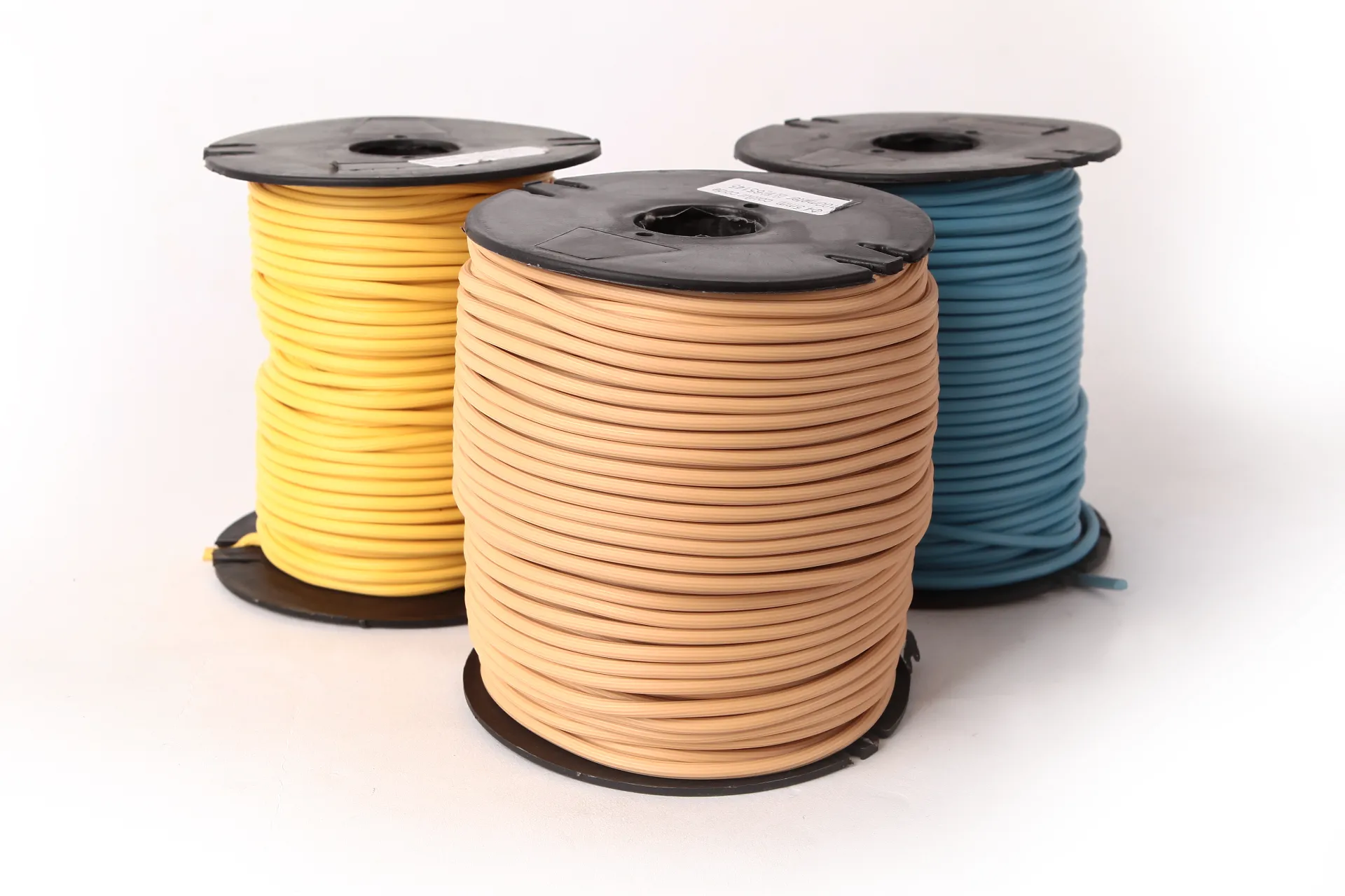

What is Washi and Masking Tape? Global Uses, Benefits & Future Trends
Understanding Washi and Masking Tape: Small Tools with Big Global Impact
Washi and masking tape might sound like simple stationery items, right? But oddly enough, their use and relevance stretch far beyond the craft desks or painter’s toolkits where you usually find them. As surprisingly versatile materials, these tapes have woven themselves into industries, humanitarian aid, and even global sustainability efforts. If you’ve ever paused and wondered why such tapes matter in modern production or disaster relief, this article will take you on a quick journey through their world — revealing why they’re quiet workhorses worth understanding.
Global Context: Why Do Washi and Masking Tape Matter Today?
According to the International Organization for Standardization (ISO), the masking tape market alone has grown steadily due to increased demand in industries like automotive manufacturing, construction, and electronics assembly. Estimated to be valued at several billion dollars globally, these tapes address unique challenges: temporary adhesion during painting, delicate surface protection, precise design work, and even medical bandaging.
On a humanitarian and industrial level, they help facilitate processes in places ranging from bustling factories in East Asia to emergency response zones affected by natural disasters. Think about post-disaster relief, where clean, adaptable, and biodegradable materials are essential for temporary repairs or labeling — washi tapes come in handy due to their gentle adhesive and eco-friendly nature.
But here’s the kicker: despite the apparent “simplicity,” there are real technical and environmental problems these tapes help solve — like preventing surface damage, reducing plastic waste, and speeding up assembly lines. So, understanding their properties and applications isn’t just niche knowledge — it has global trade and sustainability implications.
What Exactly Are Washi and Masking Tapes?
Washi tape is a decorative masking tape made from natural fibers, primarily sourced from the bark of the gampi tree, mitsumata shrub, or mulberry bush, traditionally Japanese in origin. This gives it a distinctive texture, flexibility, and eco-friendliness compared to synthetic tapes.
Masking tape, on the other hand, is a general term for pressure-sensitive tapes designed primarily for masking surfaces during painting, finished with an easy-peel adhesive that won’t damage underlying surfaces.
In practice, the two intersect because washi tape can be considered a subtype of masking tape but with a focus on delicate adhesion, aesthetics, and sustainability. Both have found essential uses beyond just “masking” — in labeling, craft work, electrical insulation, and temporary surface protection across industries.
Core Components and Key Aspects of Washi and Masking Tape
1. Adhesion and Surface Safety
One of the defining features is the balance between stickiness and removability. Washi tape uses a low-tack adhesive that sticks well but peels off gently, avoiding residue and damage — crucial for delicate art projects or fragile surfaces. Masking tape typically varies in tackiness depending on its intended industrial or household use.
2. Material Composition
Washi made from natural fibers offers breathability and biodegradability, whereas many masking tapes consist of crepe paper or plastic films combined with different adhesive formulas. This natural basis often aligns with sustainability goals, making washi tape increasingly favored in eco-conscious markets.
3. Durability Versus Flexibility
Masking tapes used in automotive or construction environments are engineered to endure heat, moisture, or UV exposure. By contrast, washi tape is more about flexibility and aesthetic versatility, often sacrificing durability for ease of use and gentle adhesion.
4. Cost Efficiency
Masking tape, particularly in bulk industrial forms, tends to be cost-effective for large scale projects. Washi tape is pricier due to its artisanal production methods and material sourcing, but it offers enhanced value in branding, crafts, or eco-friendly applications.
5. Customization and Aesthetics
Washi tapes come in countless colors, patterns, and widths, making them a favorite for designers and marketers. Masking tapes, while traditionally plain, have also evolved with colored variants for coding or marking.
Product Specification Table: Typical Washi vs Masking Tape
| Feature | Washi Tape | Masking Tape |
|---|---|---|
| Base Material | Natural plant fibers (gampi, mulberry) | Crepe paper or plastic film |
| Adhesive Type | Low-tack rubber-based | Rubber or acrylic adhesives |
| Thickness | ~0.1 mm | 0.15 - 0.2 mm |
| Temperature Resistance | Up to 60°C | Up to 90°C (varies) |
| Eco-friendliness | Biodegradable, natural fibers | Often synthetic, non-biodegradable |
| Common Applications | Crafts, labeling, gift wrapping | Painting, surface masking, sealing |
Global Applications and Use Cases
Washi and masking tape’s appeal isn’t just local — they are truly global helpers. In Japan, washi tape maintains its cultural roots, embraced by artists and designers. Meanwhile, automotive factories in Germany or the US employ high-temp masking tapes during painting and assembly to protect surfaces temporarily.
Relief organizations working in post-disaster zones often use these tapes for marking routes, packaging supplies, or even quick temporary fixes on damaged equipment — sometimes in harsh climates, so durability matters. More surprisingly, tech companies use them during circuit assembly for delicate masking and temporary holding of components, using tapes that won’t leave residue or damage sensitive parts.
Regions such as Southeast Asia see growth in eco-friendly tape demand, led by increasing environmental legislation. The rise of sustainable packaging and decoration finds washi tape positioned perfectly, given its biodegradability.
Mini takeaway: These tapes might be small, but they’re everywhere people need flexible, reliable adhesion that doesn’t harm surfaces or the environment.
Advantages and Long-Term Value
- Sustainability: Washi tapes, especially, score well thanks to their natural fiber basis, often fully biodegradable or recyclable, helping reduce plastic waste in packaging and crafting.
- Cost and Efficiency: Masking tapes are inexpensive, simple to use, and widely available — a perfect choice for short-term industrial needs, reducing labor time significantly.
- Safety and Surface Protection: Delicate removal means less chance of damage or costly rework. This improves trust in quality control processes.
- Flexibility and Customization: For product marketing or creative industries, washi’s design options aid branding and aesthetic appeal.
The emotional appeal is real, too. In disaster zones, for example, using trusted materials like washi tape to mark belongings or supplies provides a tiny but reliable thread of order and dignity amid chaos. You notice this trust and reliability echoed back in corporate sectors, where small yet reliable supplies underpin complex manufacturing processes.
Future Trends and Innovations
We’re seeing innovation driven by sustainable materials — researchers are exploring bio-based adhesives which improve washability and removability while maintaining biodegradability. There’s also movement towards smart tapes embedded with digital markers or RFID tags for inventory and quality control.
Automation in manufacturing calls for tapes optimized to be applied by robots — having consistent thickness, adhesive strength, and peel behavior. Washi makers are experimenting with natural dyes and finishes to expand the eco-friendly palette, which might redefine how decorative tapes are viewed globally.
Challenges and Expert Solutions
Even the best tapes come with trade-offs. For example, washi tapes generally cannot handle heavy-duty outdoor use or high heat environments. Masking tapes often struggle with residue when left for extended periods or on sensitive surfaces.
Experts suggest matching tape grade precisely to the application: A painter’s tape rated for 60°C works wonders indoors but fails under extreme sun exposure. Meanwhile, emerging UV-resistant adhesives help extend usability outdoors.
Many companies are now focusing on user education, helping clients choose and apply tapes correctly to maximize effectiveness and minimize damage — a simple fix that often gets overlooked.
FAQ: Frequently Asked Questions About Washi and Masking Tape
- What makes washi tape different from regular masking tape?
- Washi tape is crafted from natural fibers, making it more flexible, breathable, and usually biodegradable. It has a gentler adhesive, is easier to tear by hand, and offers more design options compared to standard masking tape.
- Can masking tape be used outdoors?
- Some masking tapes are designed for outdoor use and can withstand higher temperatures and UV exposure, but many standard versions lose adhesion or leave residue. It’s essential to check product specifications for outdoor durability.
- Is washi tape environmentally friendly?
- Generally yes. Since washi tapes use natural fibers and low-impact adhesives, they tend to be biodegradable and more sustainable compared to plastic-based tapes, but the exact eco-friendliness depends on the manufacturer’s processes.
- How can businesses source quality washi and masking tape internationally?
- Many manufacturers and distributors operate globally, and companies should evaluate vendors based on certifications, material origin, and compliance with international standards. For verified suppliers, consider visiting sites like washi and masking tape vendors with a good reputation and transparency.
Vendor Comparison at a Glance
| Vendor | Specialty | Price Range | Eco Certification | Global Shipping |
|---|---|---|---|---|
| TapeCraft Inc. | Custom washi & decorative | $$ | FSC Certified | Yes |
| ProMask Solutions | Industrial high-temp masking | $ | ISO 14001 | Yes |
| EcoTape Global | Sustainable washi & paper tapes | $$$ | Cradle to Cradle Certified | Limited |
Conclusion
So, when we take a step back and look at it, washi and masking tapes are more than just sticky strips. They’re essential tools rooted in tradition and innovation, threading their way into industries, environmental initiatives, and communities worldwide. Understanding their nuances helps manufacturers, hobbyists, and relief agencies alike make informed, sustainable choices with real long-term benefits.
Curious to explore your options or learn more? Visit our website washi and masking tape to discover premium selections and expert advice tailored to your needs.
In real terms: small tools, big impact — it’s worth unpacking the humble tape’s story.
1. International Organization for Standardization (ISO)
2. Wikipedia: Washi Paper
3. World Bank Industry Data
-
Ultimate Guide to Durable and Modern spc flooring greyApr.16,2026
-
Installing SPC Flooring on Concrete Professional Installation GuideApr.09,2026
-
Comprehensive Guide to Durable SPC Flooring for Commercial ApplicationsApr.07,2026
-
SPC Flooring Click Installation Benefits and Comprehensive GuideApr.04,2026
-
Comprehensive Guide to SPC Flooring Durability Style and InstallationMar.31,2026
-
Exploring the Diverse Types of SPC Flooring for Your Next ProjectMar.28,2026