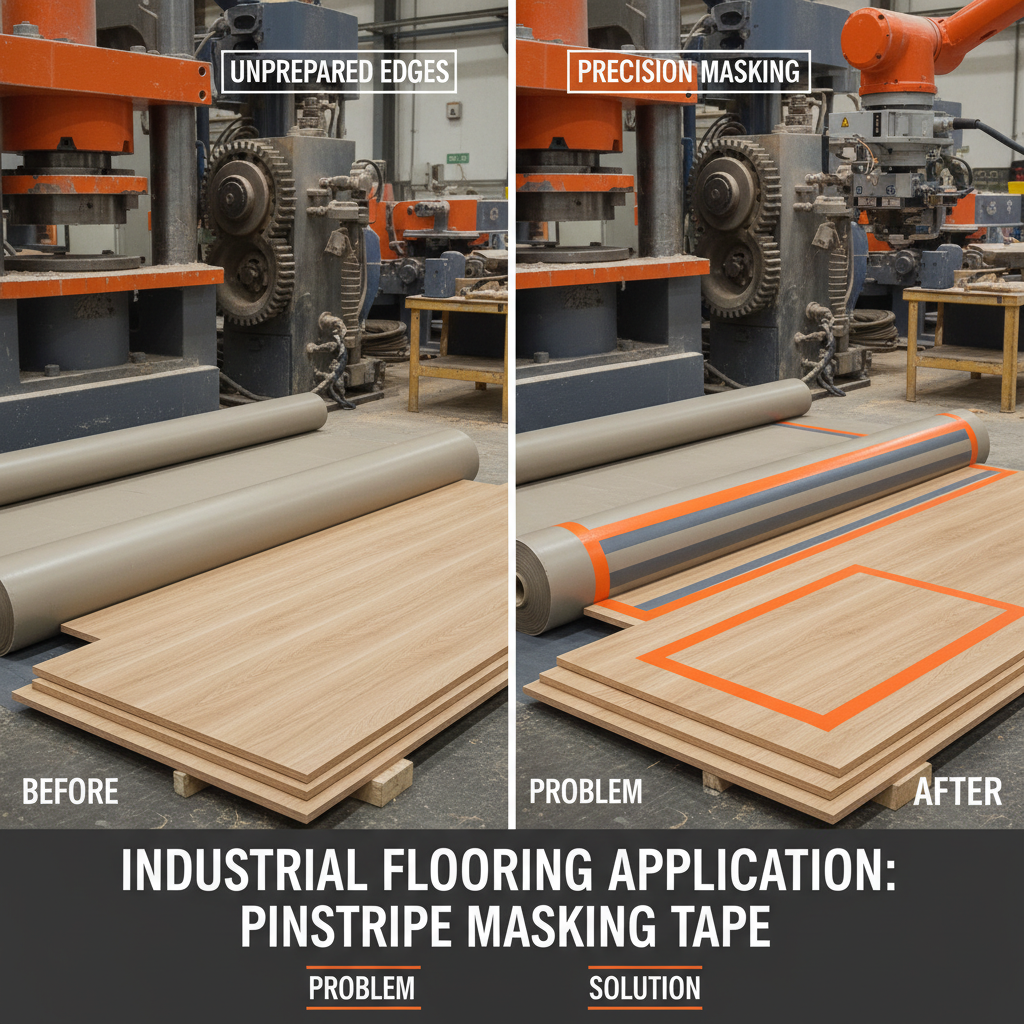
Waterproof masking tape is a crucial component in a vast range of industries, from construction and automotive to marine and even artistic applications. Its ability to provide a secure, temporary seal against moisture, dust, and other contaminants makes it indispensable for protecting surfaces during painting, coating, blasting, and various manufacturing processes. This versatile product isn't just about preventing paint bleed; it’s about ensuring quality, efficiency, and durability in projects of all sizes.
The global demand for high-performance masking tapes, particularly those offering superior waterproof characteristics, is steadily increasing. This growth is driven by expanding industrial sectors in emerging economies, stringent quality standards in developed nations, and a growing awareness of the cost savings achieved through effective surface protection. According to a recent report by Smithers Pira, the global adhesive tape market is projected to reach $65 billion by 2025, with a significant portion attributed to specialized tapes like waterproof masking tape.
Understanding the nuances of waterproof masking tape – its materials, applications, and performance characteristics – is vital for professionals seeking optimal results. Choosing the right tape can significantly impact project timelines, reduce rework, and ultimately, enhance the overall quality and longevity of the finished product. This knowledge is also crucial for ensuring worker safety and environmental responsibility.
Introduction to Waterproof Masking Tape
Waterproof masking tape isn’t simply a sticky strip; it's a carefully engineered product designed to withstand challenging environments and deliver consistent, reliable performance. Its composition typically includes a waterproof backing material, often a polyethylene or polypropylene film, combined with a specialized adhesive that resists water penetration and maintains adhesion even under damp conditions. Selecting the appropriate waterproof masking tape for a specific application is critical for achieving optimal results.
The importance of this tape extends beyond basic protection. It enables precise and clean finishes in industries like shipbuilding where saltwater exposure is constant, or in automotive painting where resistance to washdown procedures is essential. waterproof masking tape is therefore a key element in maintaining quality control and reducing costly rework.
Defining Waterproof Masking Tape
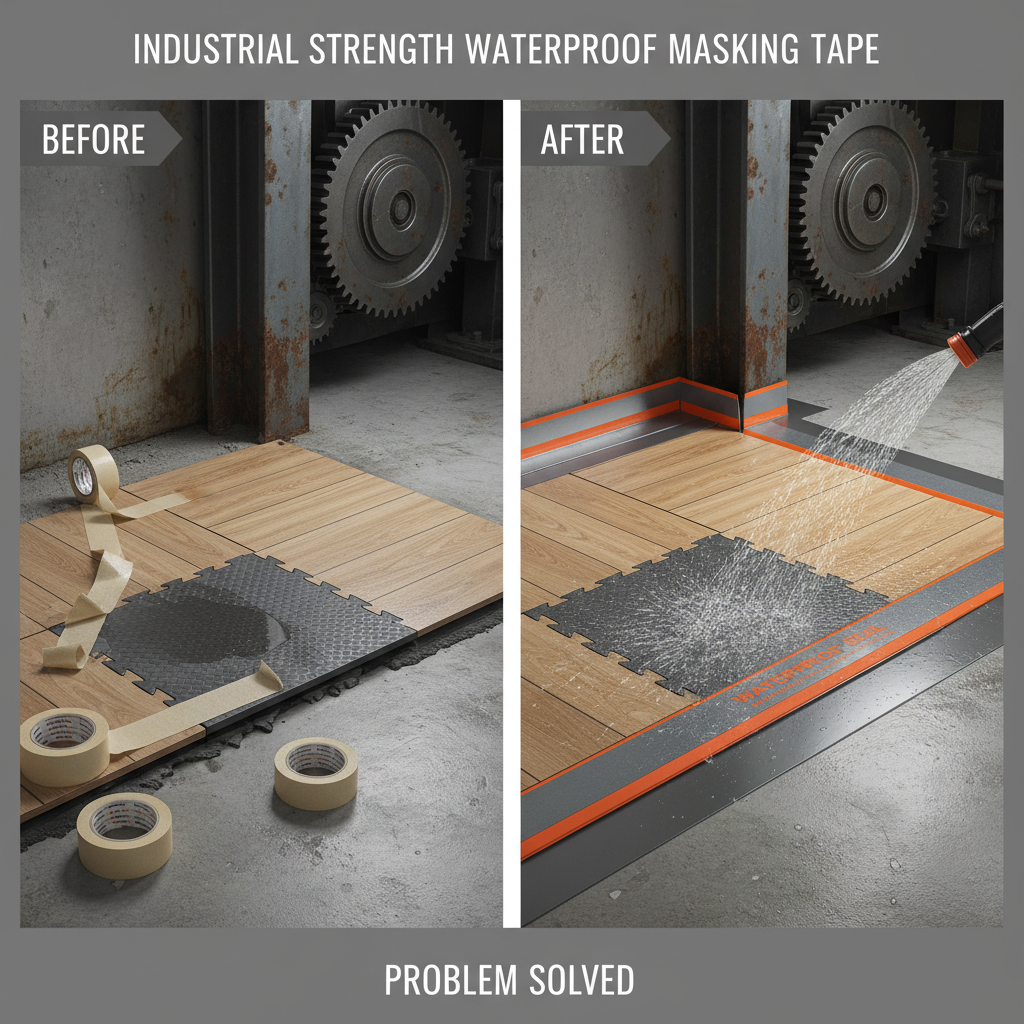
Waterproof masking tape is a pressure-sensitive adhesive tape specifically designed to resist the penetration of water and maintain its adhesive properties in wet or humid conditions. Unlike standard masking tape, which is typically made with paper backing and a rubber-based adhesive, waterproof masking tape utilizes materials that create a barrier against moisture. This makes it ideal for applications where protection from water exposure is paramount.
Its connection to modern industry is multifaceted. In manufacturing, it protects surfaces during water-based coating processes. In construction, it seals joints against rain and moisture. It's a vital tool in the marine industry for protecting boat hulls during painting and repairs. Even in humanitarian efforts, it's used for temporary repairs and sealing shelters.
Crucially, the “waterproof” designation doesn’t always mean complete impermeability. The degree of water resistance varies depending on the tape’s construction and intended application. Some tapes offer temporary protection, while others are designed for long-term sealing. Understanding these differences is essential for selecting the right product.
Key Characteristics of Waterproof Masking Tape
Durability is a primary characteristic. Waterproof masking tape must withstand handling, application forces, and exposure to environmental elements without tearing or losing adhesion. This is often achieved through reinforced backing materials and high-quality adhesives. The ability to resist abrasion and UV degradation also contributes to its longevity.
Adhesion is another critical factor. The adhesive must provide a strong and reliable bond to a variety of surfaces, including metal, plastic, glass, and rubber, even when those surfaces are slightly damp or contaminated. Different adhesive formulations offer varying levels of adhesion, tailored to specific applications.
Conformability is important, especially when applying the tape to curved or irregular surfaces. A flexible backing material allows the tape to conform to the contours of the surface, ensuring a complete and secure seal. This minimizes the risk of water penetration and ensures a clean finish.
Performance Metrics of Waterproof Masking Tape
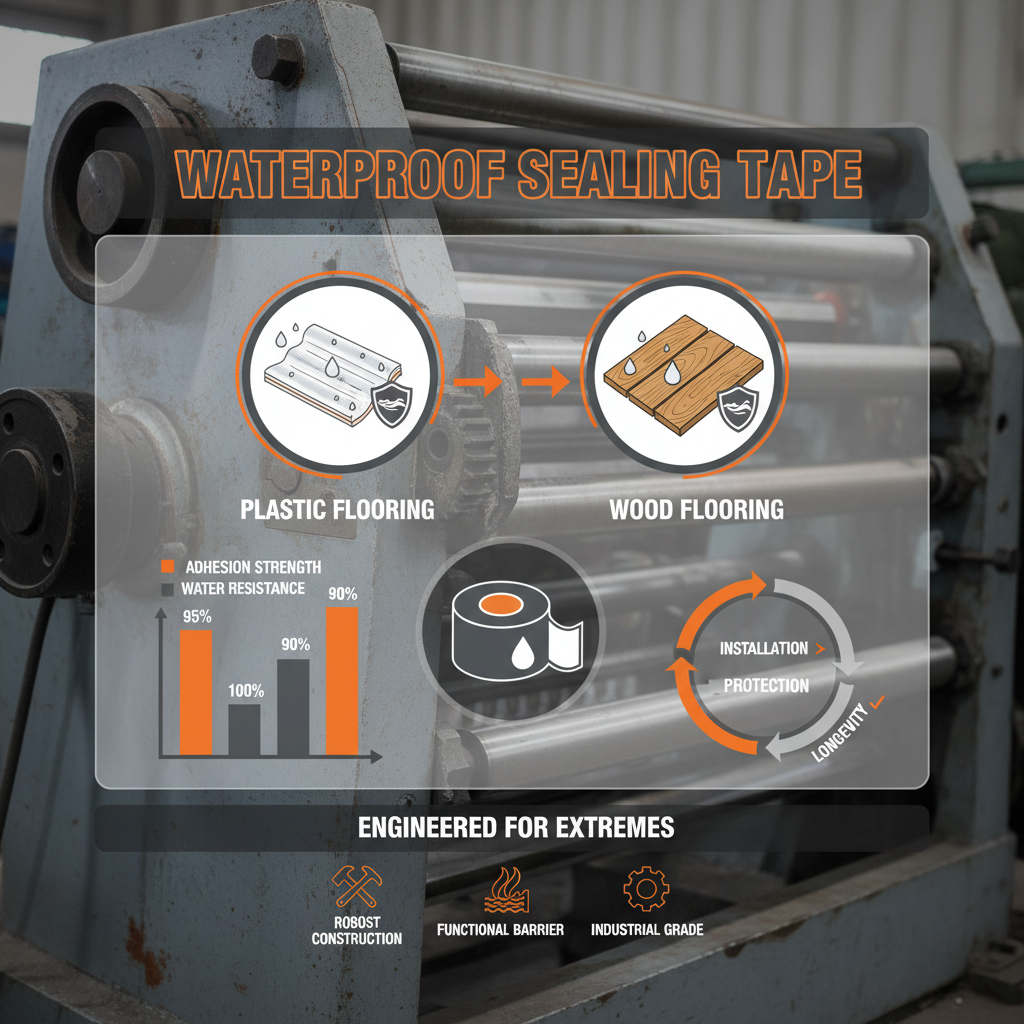
Evaluating the performance of waterproof masking tape requires assessing several key metrics. Water resistance, measured by the tape's ability to prevent water penetration over a specified period, is paramount. This is often tested using standardized methods like ASTM D3691.
Tensile strength, which determines the tape’s resistance to tearing, is another important consideration. Adhesion strength, measured by the force required to remove the tape from a substrate, indicates the reliability of the bond.
Waterproof Masking Tape Performance Comparison
Global Applications and Industries Served
The marine industry heavily relies on waterproof masking tape to protect boat hulls during painting, repair, and anti-fouling applications. The tape safeguards against saltwater intrusion and ensures clean, professional finishes. In post-disaster relief operations, it's used for temporary repairs to shelters and infrastructure, offering crucial protection from the elements.
The automotive industry utilizes it extensively during painting processes, protecting vehicle components from overspray and ensuring a high-quality finish. In remote industrial zones, such as oil rigs or offshore platforms, waterproof masking tape is essential for protecting equipment from corrosion and maintaining operational integrity.
Advantages and Long-Term Value
The primary advantage of using waterproof masking tape is the prevention of costly rework. Protecting surfaces from moisture and contaminants during painting or coating processes ensures a flawless finish, reducing the need for sanding, repainting, or repairs. This translates directly into cost savings and improved project efficiency.
Beyond cost, waterproof masking tape contributes to sustainability by minimizing waste and reducing the consumption of materials. Its durability and reliability enhance safety by providing a secure and dependable seal, reducing the risk of accidents or failures. Choosing a high-quality waterproof masking tape demonstrates a commitment to quality and professionalism.
Future Trends in Waterproof Masking Tape
The future of waterproof masking tape is likely to be shaped by advancements in materials science and sustainable manufacturing practices. We can anticipate the development of bio-based and biodegradable masking tapes, reducing the environmental impact of this widely used product.
Integration with digital technologies, such as smart sensors embedded within the tape to monitor environmental conditions or track application progress, could enhance quality control and optimize performance. The demand for specialized tapes tailored to specific applications, such as extreme temperatures or corrosive environments, will continue to grow.
Furthermore, improvements in adhesive technology will lead to stronger, more durable, and more environmentally friendly formulations. Research into self-healing tapes, capable of repairing minor tears or punctures, is also underway.
Summary of Waterproof Masking Tape Challenges and Solutions
| Challenge |
Impact on Waterproof Masking Tape Performance |
Potential Solution |
Implementation Cost (1-10) |
| Adhesion to Low-Energy Surfaces |
Reduced bond strength, potential for lifting or peeling |
Surface priming or use of specialized adhesives with improved wetting properties |
4 |
| Tape Residue |
Difficult to remove, can damage the underlying surface |
Use of residue-free adhesives or solvent-based cleaners |
6 |
| Water Resistance Degradation |
Loss of waterproof properties over time, leading to leaks or corrosion |
Employing more robust backing materials and adhesive formulations with enhanced water resistance |
7 |
| Temperature Sensitivity |
Reduced adhesion at extreme temperatures |
Utilizing temperature-resistant adhesives and backing materials |
5 |
| Environmental Impact |
Traditional tapes often rely on non-renewable resources |
Development and adoption of bio-based and biodegradable tape options |
8 |
| Limited Conformability |
Difficulty applying to complex shapes or surfaces |
Using thinner, more flexible backing materials or employing heat activation |
3 |
FAQS
Standard masking tape is typically made with paper backing and a rubber-based adhesive, offering limited water resistance. Waterproof masking tape, however, utilizes a waterproof backing (like polyethylene or polypropylene) and a specialized adhesive designed to prevent water penetration. This makes it ideal for applications where moisture exposure is a concern, such as marine painting or protecting surfaces from rain.
The duration waterproof masking tape remains adhered in wet conditions varies depending on the specific tape, the surface it’s applied to, and the intensity of the moisture exposure. Generally, high-quality waterproof masking tapes can maintain adhesion for several hours to days. However, prolonged and direct exposure to water may eventually compromise the adhesive bond. Always test a small area first.
While generally safe, it’s crucial to test waterproof masking tape on an inconspicuous area of the delicate surface before full application. Some adhesives can leave residue or potentially damage certain finishes. Look for tapes specifically designed for sensitive surfaces, which often feature a lower-tack adhesive. waterproof masking tape varieties designed for specific surfaces are also available.
Yes, waterproof masking tape is well-suited for outdoor applications, providing protection against rain, humidity, and UV exposure. However, the duration of protection depends on the quality of the tape and the severity of the weather conditions. UV-resistant tapes are recommended for prolonged outdoor use to prevent degradation and maintain adhesion.
To minimize residue, remove the tape slowly and at a 45-degree angle. Using a heat gun or hairdryer on a low setting can soften the adhesive, making removal easier. If residue remains, try using a mild solvent like isopropyl alcohol or a specialized adhesive remover, testing it in an inconspicuous area first to ensure it doesn’t damage the surface.
Store waterproof masking tape in a cool, dry place, away from direct sunlight and heat sources. Exposure to extreme temperatures or humidity can degrade the adhesive and reduce its performance. Keeping the tape in its original packaging or a sealed container will help protect it from dust and moisture, extending its shelf life.
Conclusion
Waterproof masking tape is far more than a simple adhesive product; it's a versatile tool that plays a critical role in maintaining quality, efficiency, and safety across a diverse range of industries. Its ability to protect surfaces from moisture, contaminants, and damage contributes to cost savings, reduced rework, and enhanced project outcomes. Understanding its characteristics, applications, and future trends is essential for professionals seeking optimal performance.
As technology advances, we can expect to see even more innovative waterproof masking tape solutions emerge, driven by a focus on sustainability, performance, and ease of use. By embracing these advancements, industries can further unlock the potential of this essential material and achieve even greater levels of success.