
Durable PVC Plastic Skirting Board for Industrial & Commercial Spaces
The Practical Appeal of PVC Plastic Skirting Board in Industrial Spaces
If you’ve ever stared at the base of a wall and wondered why your skirting board looks tired, chipped, or just plain unsuitable for heavy-duty environments, you’re not alone. After spending years in the industrial equipment sector, I’ve seen my fair share of flooring and finishing materials—some that hold up and others that don’t even bother trying.
Now, PVC plastic skirting board has become something of a quiet champion in warehouses, commercial buildings, and even hospitals. Why? It’s tough, flexible, and frankly, easier to work with than traditional wood boards that absorb moisture and get damaged pretty quickly.
I remember visiting a manufacturing plant that replaced their aging wooden skirting with PVC versions. The cleaner look and reduced maintenance caught my attention immediately. The maintenance team said – and I quote – “It’s night and day; less patching, no paint touch-ups every few months.” For industrial settings where downtime equals lost dollars, that’s a real win.
What Makes PVC Plastic Skirting Board Stand Out?
Let’s be frank: nothing stays pristine forever, but PVC has resilience on its side. It’s resistant to water, chemicals, and knocks — all things that wooden or MDF boards hate. Plus, its lightweight nature means installers don’t have to wrestle heavy planks, which oddly enough can speed up installation.
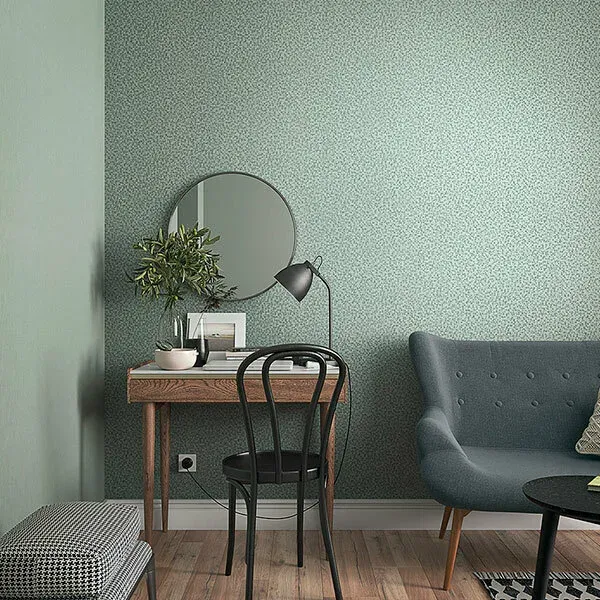
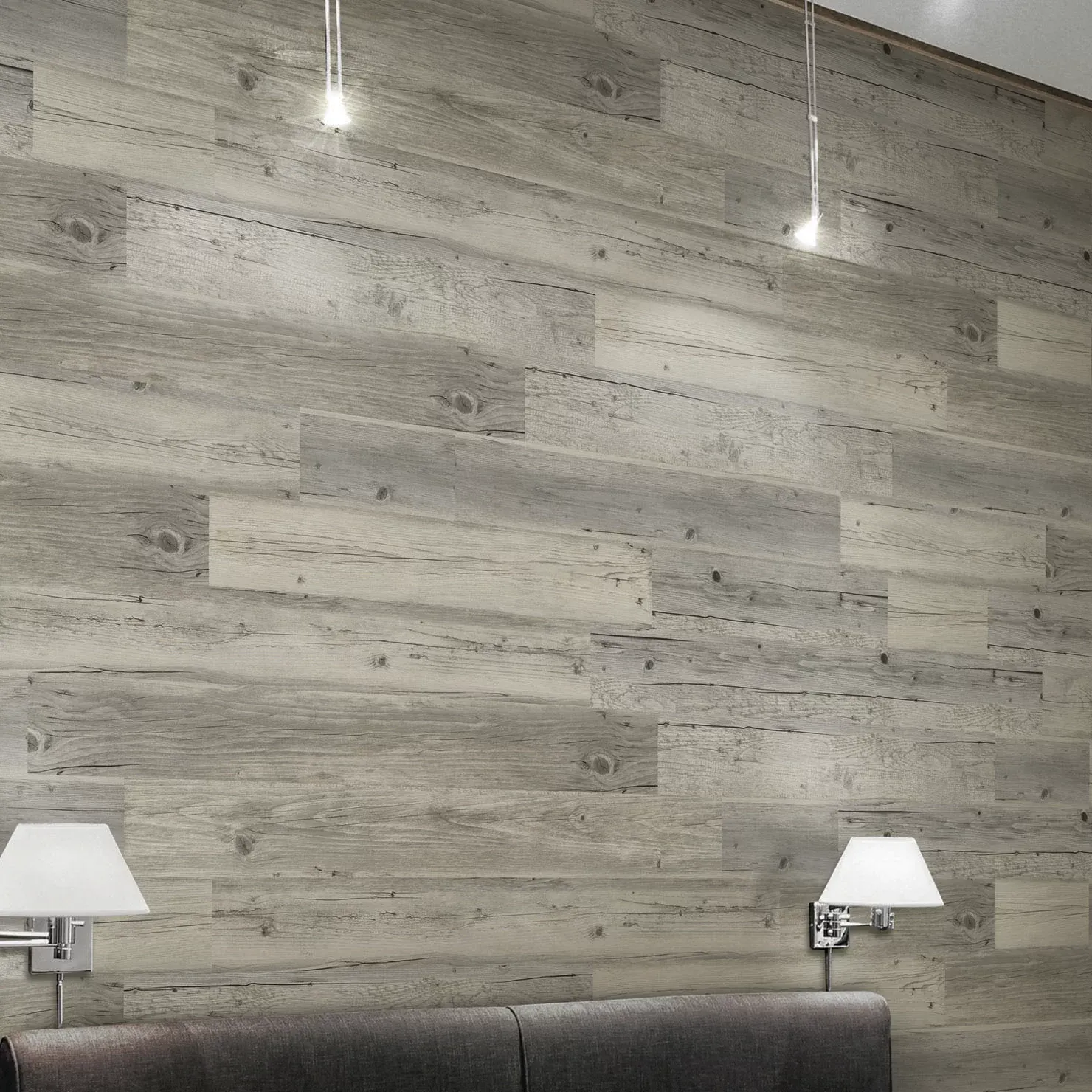
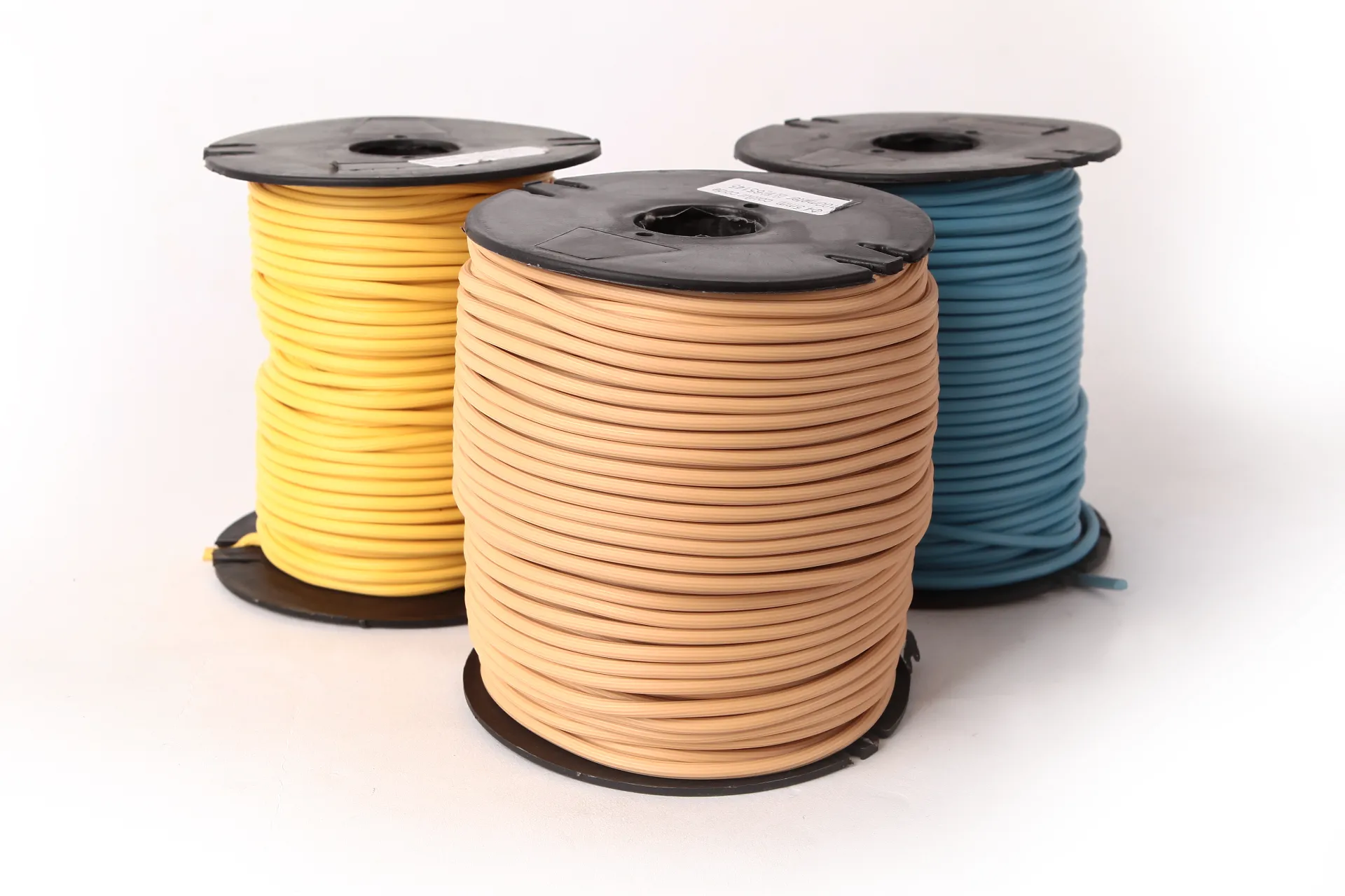
On top of durability, there’s customization. The ability to mold PVC skirting boards in different colors and finishes means they can blend into any setting—be it a sleek modern office or an industrial facility with heavy foot traffic. I’ve noticed that clients often appreciate the ability to choose skirting that doesn’t scream “industrial,” yet performs like one.
Product Specifications at a Glance
| Specification | Value |
|---|---|
| Material | Polyvinyl Chloride (PVC) |
| Dimensions | Length: 2.5m, Height: 100mm, Thickness: 10mm |
| Color Options | White, Grey, Beige, Custom Colors |
| Resistance | Waterproof, Chemical-resistant, Impact-resistant |
| Installation | Glue, Nails, or Concealed Clips |
Comparing Popular PVC Skirting Board Vendors
| Vendor | Price (per meter) | Customization | Lead Time | Warranty |
|---|---|---|---|---|
| EnlioFloor | $5.50 | Wide range of colors & sizes | 2-3 Weeks | 5 Years |
| SkirtPro | $6.00 | Standard colors only | 1-2 Weeks | 3 Years |
| BuildLine | $5.00 | Limited customization | 4 Weeks | 2 Years |
It's always worth considering the balance of price, warranty, and lead times especially when planning large scale refurbishments. From my experience, EnlioFloor’s products are a reliable pick for those who want both versatility and durability — a sort of sweet spot between budget and quality.
What about installation? Frankly, I've seen installers prefer PVC boards because they are forgiving — you can cut them with standard tools, and if you mess up, sanding or slight adjustments are pretty straightforward compared to wood. This translates to fewer delays onsite. That’s a subtle benefit that often gets overlooked.
One small anecdote: a client of mine once chose PVC skirting for a medical facility aiming for hygiene and ease of cleaning. The smooth surface combined with chemical resistance meant they could comply with strict sanitation standards without fretting over mold or water damage. You know, that kind of peace of mind is priceless in healthcare settings.
In real terms, investing in PVC skirting boards means investing in longevity and low maintenance. It’s not the flashiest material—some designers still swear by traditional wood for certain aesthetics—but in many industrial contexts, it’s the more pragmatic choice.
If you’re curious to explore options or get a quote, I’d suggest checking out EnlioFloor’s PVC plastic skirting board. Their product line not only covers common industrial needs but often surprises with customization possibilities.
So, yeah, whether it’s a warehouse, hospital, or commercial gym environment, PVC plastic skirting boards tend to combine function and form in a way that’s hard to beat.
In closing, sometimes the materials we overlook quietly prove their worth behind the scenes—PVC skirting boards are one of those unsung heroes in the industrial equipment landscape.
References:
- Industrial Flooring and Finishing: Trends and Materials, Journal of Construction Engineering, 2022.
- Material Performance Evaluations: PVC vs Wood in High-Traffic Areas, Building Materials Review, 2023.
- EnlioFloor Official Product Catalog, 2024.
-
Ultimate Guide to Durable and Modern spc flooring greyApr.16,2026
-
Installing SPC Flooring on Concrete Professional Installation GuideApr.09,2026
-
Comprehensive Guide to Durable SPC Flooring for Commercial ApplicationsApr.07,2026
-
SPC Flooring Click Installation Benefits and Comprehensive GuideApr.04,2026
-
Comprehensive Guide to SPC Flooring Durability Style and InstallationMar.31,2026
-
Exploring the Diverse Types of SPC Flooring for Your Next ProjectMar.28,2026