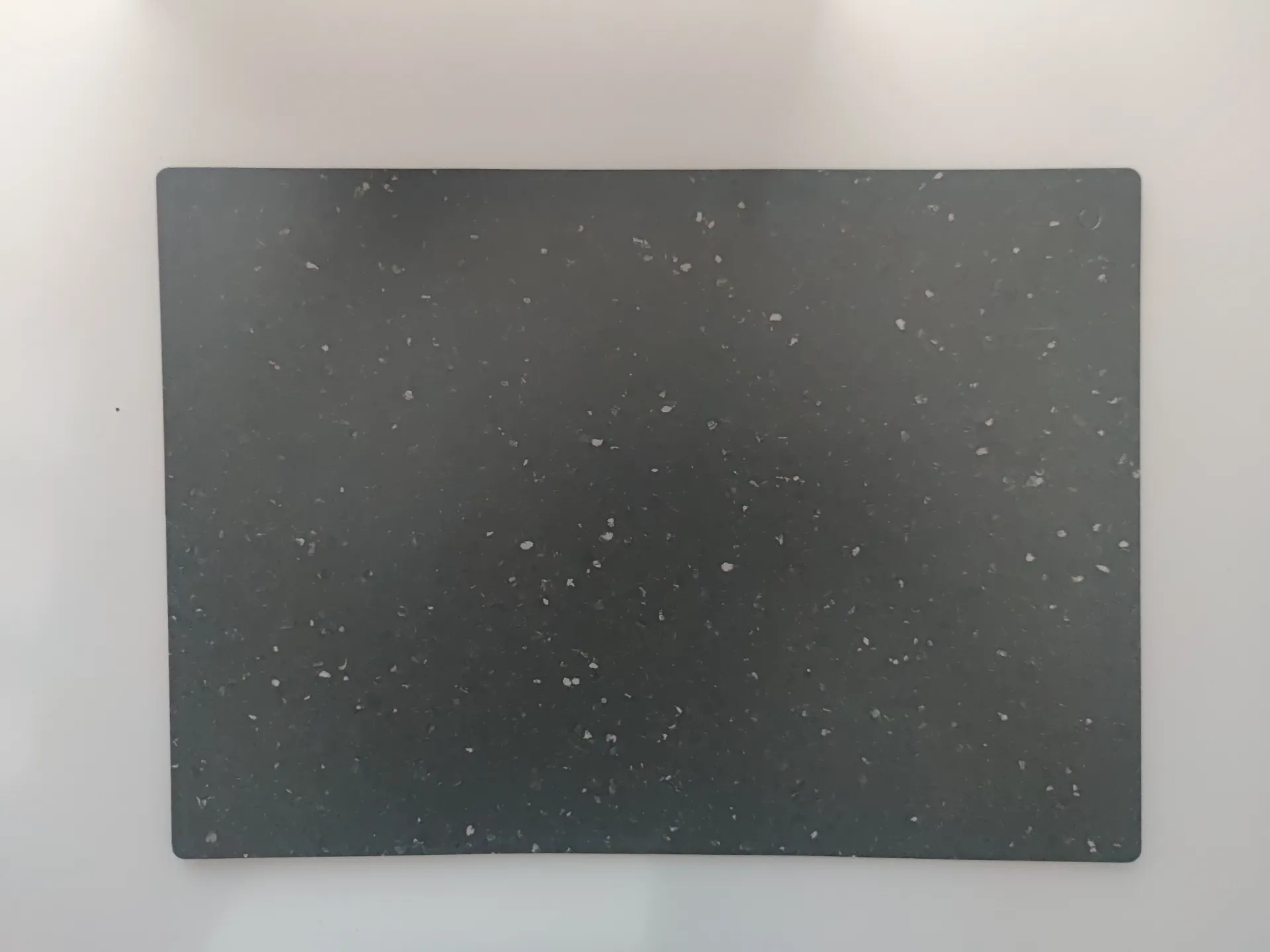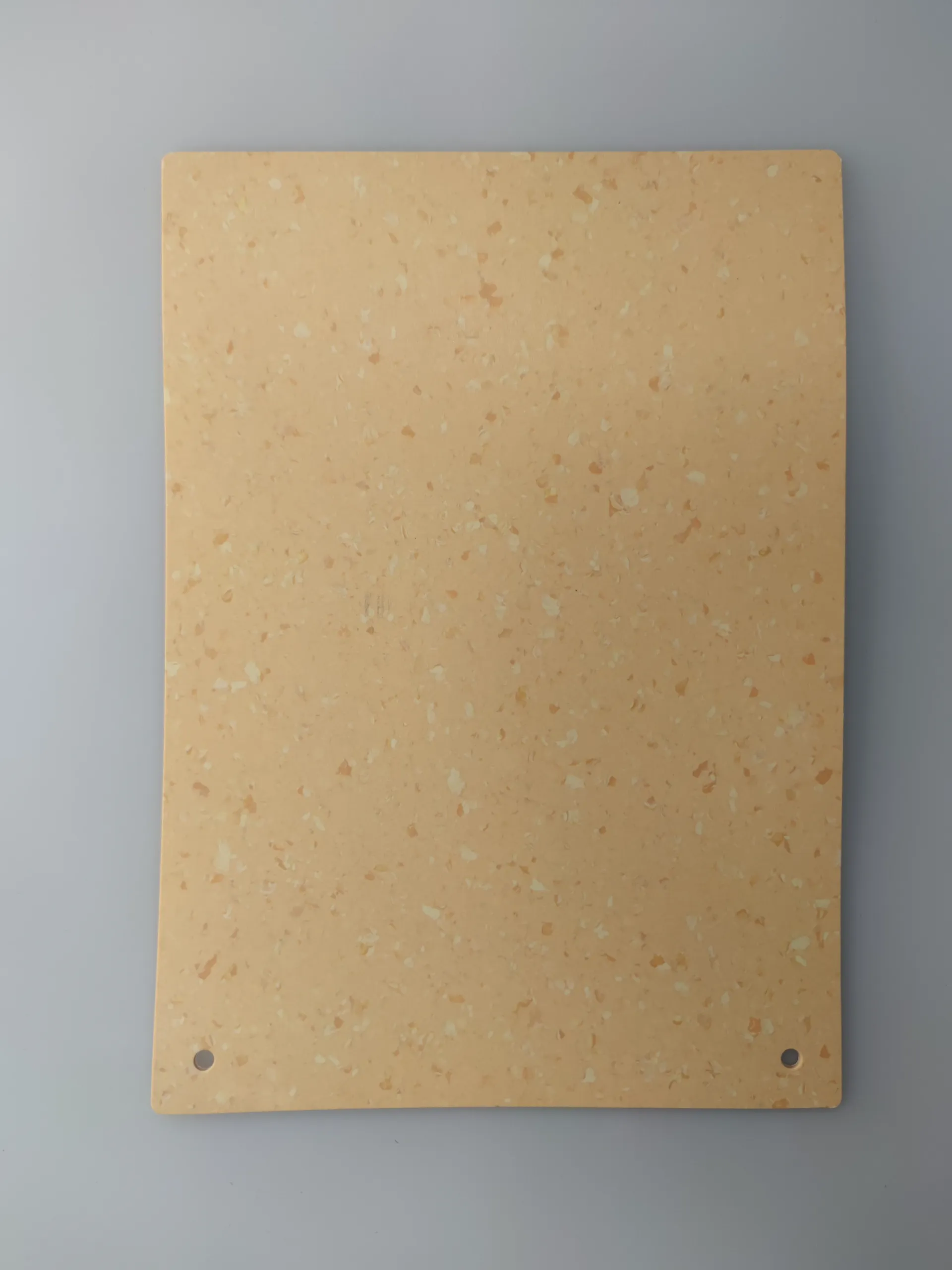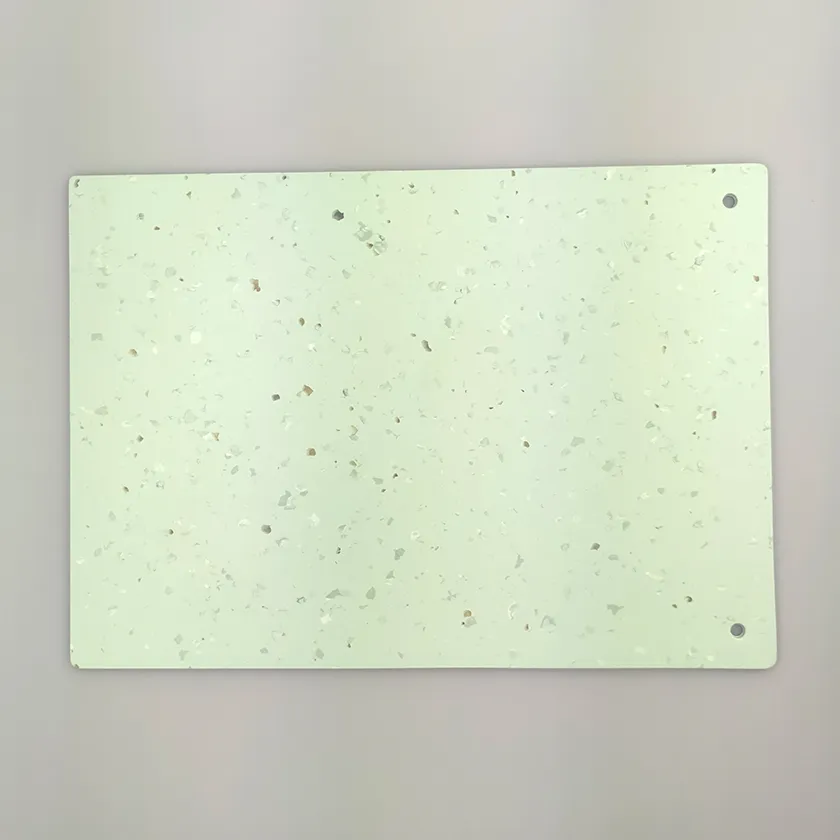

Commercial Waterproof Flooring: Durable Solutions for Heavy-Duty Spaces
Commercial Waterproof Flooring: Durable Solutions for Heavy-Duty Spaces
Having worked in industrial equipment and facility management for over a decade, I can tell you one thing: flooring is often an unsung hero of any commercial space. But when it comes to waterproof flooring, especially, that unsung hero becomes a critical part of keeping everything above it running smoothly.
Commercial waterproof flooring isn’t just about stopping liquids from penetrating the surface. It’s about resilience, safety, and long-term value — a trio that every facility manager fights hard to secure.
Oddly enough, you’ll find lots of misconception around these floors. Some folks think it’s just fancy vinyl or rubber sheets slapped on the ground. But in real terms, it’s a high-performance engineered system designed to withstand everything from chemical spills in factories to heavy foot traffic in hospitals.
What Makes Commercial Waterproof Flooring Tick?
The backbone of commercial waterproof flooring usually involves multi-layered compositions. I’ve worked with everything from polyurethane coatings to PVC laminates, and frankly, each has pros and cons depending on the setting. For example, polyurethane floors provide excellent chemical resistance and elasticity, making them good for warehouses and laboratories. PVC-based floors, on the other hand, often deliver superior water resistance and easier installation.
Testing standards are also crucial — water penetration tests, slip resistance tests, and durability benchmarks help engineers and managers feel confident they’re making the right choice. A floor might look good on paper, but if it warps or deteriorates with constant moisture or heavy machinery, it’s just wasted investment.
| Specification | Details |
|---|---|
| Material | High-density PVC with polyurethane top coat |
| Waterproof Rating | IPX7 (submersion resistant for 30 minutes) |
| Thickness | 4 mm to 8 mm |
| Slip Resistance | R11 Anti-Slip Certification |
| Installation Method | Glue-down or loose-lay options |
| Warranty | 10 years limited |
Choosing the Right Vendor: A Quick Comparison
When I first started specifying these floors, I kept hearing vendors promise the moon. But experience shows you want transparency and data from companies that stand behind their products. Here’s a little comparison I put together based on trusted vendors in the commercial waterproof flooring space:
| Feature / Vendor | Enlio Floor | Competitor A | Competitor B |
|---|---|---|---|
| Waterproof Integrity | IPX7 Certified | IPX5 Certified | IPX6 Certified |
| Slip Resistance | R11 Anti-Slip | R10 Standard | R11 Premium |
| Installation Ease | Glue-down / Loose-lay | Glue-down only | Loose-lay only |
| Warranty | 10 years limited | 5 years limited | 7 years limited |
| Customization Options | Color, thickness, texture | Limited | Moderate |
A Quick Client Snapshot
Just last year, a food processing plant I worked with had recurring issues with water ingress ruining their floors quarterly — causing downtime and costly repairs. Switching over to a commercial waterproof flooring solution like Enlio’s made a noticeable difference. They told me, “It’s like we finally have peace of mind.” That kind of feedback feels good. It’s not just about specs, it’s about real-world reliability.
Commercial waterproof flooring is an investment, sure, but one that can save headaches and money down the line. Its importance often comes into view when something goes wrong — and honestly, it’s a relief when you don’t have to think about the floor.
In conclusion, if you’re specifying or upgrading flooring in your commercial or industrial facility, weigh these factors carefully. Don’t just pick the cheapest or the flashiest option. Listen to the specs, check certifications — and when in doubt, talk to reps with hands-on experience.
References:
- Industrial Flooring Guidelines, National Floor Safety Institute (2023)
- Water Resistance Testing in Flooring Materials, Journal of Building Materials (2022)
- Enlio Waterproof Flooring Product Documentation (2023)
-
Heterogeneous sheet vinyl: choosing Stariver or Fleme surface flooringNov.09,2026
-
Heterogeneous floor with Nebula surface: buyer questions answeredNov.02,2026
-
Floor Shop FAQ: Homogeneous Vinyl Flooring for Shops & Supermarkets — Materials, Dimensions and CareOct.28,2026
-
Choosing Wall Coverings with Wood Color Surface: Application Fit and Specification ChecksOct.24,2026
-
Choosing Dry Back LVT Flooring: Application Fit and Specification ChecksOct.24,2026
-
Choosing Wood material Skirting: Application Fit and Specification ChecksOct.24,2026