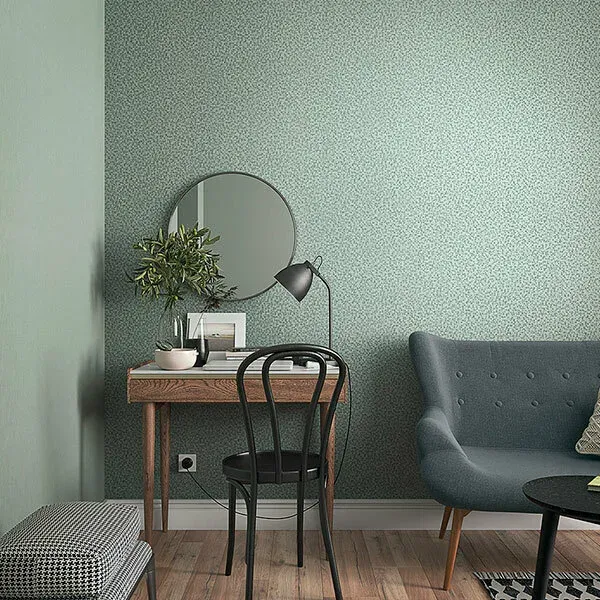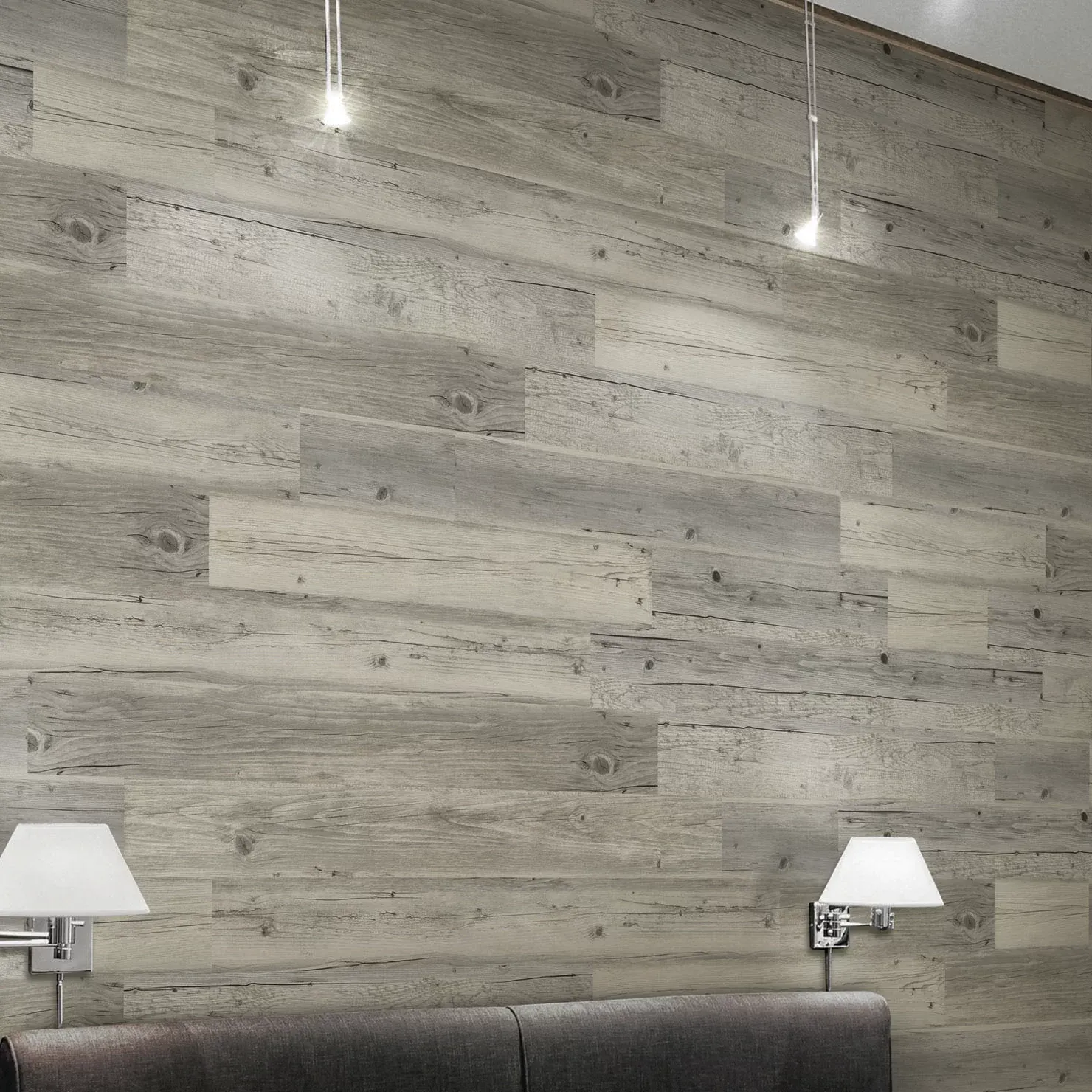

Comprehensive Guide to Decking Skirting Boards: Applications, Benefits, and Innovations
Understanding Decking Skirting Boards: Essential Insights for Modern Spaces
Decking skirting boards might sound like just another finishing touch in construction or design, but frankly, they play a surprisingly major role in both aesthetics and function worldwide. Whether you’re in urban development, disaster relief housing, or just sprucing up your backyard, these components tie form and function together seamlessly. And understanding their value sheds light on how subtle details can reflect broader industrial trends and sustainability goals.
Global Context: Why Decking Skirting Boards Matter Today
The global construction sector is booming, with the World Bank estimating nearly 2 billion people worldwide currently living in inadequate housing or informal settlements. In response, scalable, cost-effective modular designs become essential — and decking skirting boards are a small but critical part of this puzzle.
Decking skirting boards do more than cover gaps; they protect structures from weather elements, pests, and moisture, improving longevity and reducing maintenance costs. Oddly enough, while they seem minor, poor choices here can accelerate wear and tear, raising the total cost of ownership long term. The rise in eco-builds and prefab housing worldwide (according to ISO standards on sustainability and material efficiency) also depends on adaptable, resilient skirting solutions.
What Exactly Are Decking Skirting Boards?
Simply put: decking skirting boards are narrow vertical panels fitted around the edges of your deck’s base. Their job? To conceal the raw decking framework, prevent debris and critters from sneaking underneath, and buffer exposure to water or wind. Essentially, they’re the “skirt” for your outdoor floor platform, refining both look and function.
In modern construction and humanitarian efforts alike, these boards link the practical with the design-driven. For example, NGOs deploying modular housing quickly in remote zones rely on sturdy, weather-resilient skirting that requires minimal upkeep. In fact, their simplicity and modularity align closely with best practices in sustainable development.
Key Components That Make Decking Skirting Boards Effective
1. Durability
Materials like composite, treated timber, or PVC ensure these boards resist rot, insects, and UV damage. Durability translates to fewer replacements and lower costs.
2. Aesthetic Integration
They come in various textures and colors, so they blend well or provide a deliberate contrast to decking materials. Modern finishes often mimic natural wood but offer greater lifespan.
3. Moisture Resistance
Good skirting prevents water pooling beneath decks, minimizing mold and structural weakening. This is vital especially in humid or rainy climates.
4. Ease of Installation
Prefabricated or modular boards that click or screw into place save time and labor — a big deal in both commercial and relief projects.
5. Cost Efficiency
The upfront price may vary, but long-term savings on maintenance and repairs make smart skirting boards an investment.
Examples Around the World: How Decking Skirting Boards Are Used
- Australia & New Zealand: Coastal homes use marine-grade composite skirting to withstand salt corrosion and intense sunlight.
- Europe: Modular urban green spaces feature recycled plastic skirting, supporting circular economy goals.
- Disaster Relief: NGOs deploying fast-build shelters in Southeast Asia prioritize quick-fit vinyl panels to protect against monsoons.
- Remote Industrial Sites: Mining camps in Canada and Russia use metal-infused skirting boards for extra durability in extreme conditions.
Many industries benefit from tailored skirting solutions that address climate, use, and local resources. For instance, one company used decking skirting boards specifically designed for Arctic outposts where extreme cold and shifting terrain demand adaptability.
Decking Skirting Boards: Product Specifications
| Feature | Common Materials | Typical Size | Average Lifespan |
|---|---|---|---|
| Wood | Cedar, Pine (treated) | 100mm x 12mm thickness | 5-10 years (depending on treatment) |
| Composite | Wood-plastic blend | 120mm x 15mm thickness | 15-20 years |
| PVC | Virgin or recycled plastic | 100mm x 10mm thickness | 20+ years |
Vendor Comparison: Leading Decking Skirting Board Providers
| Vendor | Material Options | Customization | Pricing | Global Shipping |
|---|---|---|---|---|
| SkirtPro | Wood, Composite | Color & size options | Mid-range | Yes, limited countries |
| EcoEdge | Composite, PVC | Extensive custom colors/textures | Premium | Worldwide |
| BudgetSkirts | PVC only | Limited size choices | Economical | Regional only |
Advantages & Lasting Value of Quality Decking Skirting Boards
Choosing the right decking skirting brings a mix of practical and emotional benefits. You save on maintenance, enhance safety (by sealing gaps that could trap pests or cause trips), and uplift overall design appeal. There's also an often overlooked dignity factor — in humanitarian and residential settings alike — of having your space feel complete and cared for, down to the smallest detail.
Environmentally, many manufacturers increasingly offer recycled or sustainably sourced options. This supports reducing carbon footprint over entire lifecycle cycles, matching ISO certification goals for green building materials.
Looking Ahead: Future Trends & Innovations
Sustainability remains front and center. Biodegradable composites, smart materials that adapt to moisture, and digital integration for easy installation mapping are emerging. Automation in manufacturing also promises less waste and more precision cuts to fit unique shapes.
Plus, expect growing use of antimicrobial surface coatings, which will matter in both residential decks and health-focused facilities. Policies gradually push for eco-labeling and transparency about production origins — a win for trusted sourcing.
Challenges & How Experts Are Solving Them
One persistent issue is balancing cost with performance. High-grade composites and PVC tend to be pricier, so providers experiment with hybrid materials or recycled inclusions.
Installation in uneven or irregular terrain can create gaps and water pooling risk. Experts respond with adjustable skirting clips or flexible strip options that conform naturally. A bit of ingenuity here prevents bigger problems later.
FAQ on Decking Skirting Boards
- Q: How do I choose between wood and composite decking skirting boards?
A: Consider your climate, maintenance willingness, and budget. Wood offers natural appeal but needs regular care, whereas composite is low-maintenance and more weather-resistant, often justifying the higher upfront cost. - Q: Can decking skirting boards improve energy efficiency?
A: Indirectly yes, by sealing spaces under decking, they reduce drafts and moisture ingress which can affect insulation performance under floors. - Q: Are there eco-friendly certifications for decking skirting boards?
A: Yes, look for ISO 14001 environmental management certification or FSC-certified wood products for sustainable sourcing. - Q: How long does installation typically take?
A: Depending on deck size and product type, installation can range from a few hours (for modular systems) to a couple of days for custom wood fit-outs. - Q: Where can I buy decking skirting boards that ship internationally?
A: Vendors like EcoEdge and some global distributors offer worldwide shipping. Check specific shipping policies to your region.
Conclusion: Why Decking Skirting Boards Deserve Your Attention
Decking skirting boards are more than a finishing swipe of paint — they’re vital components enhancing durability, aesthetics, and sustainability of outdoor spaces and beyond. As global needs for adaptable, cost-effective, and sustainable build solutions climb, these “small” elements gain big importance.
For industry leaders, homeowners, and organizations alike, investing time and effort to choose the right decking skirting boards pays dividends over years in safety, maintenance costs, and environmental impact.
Interested to explore innovative decking solutions? Visit our website at https://www.enliofloor.com to discover a range of products suited to diverse needs and environments.
References:
1. World Bank Data - Housing and Urban Development [https://data.worldbank.org]
2. ISO 14001 Environmental Management Standards - [https://www.iso.org/iso-14001-environmental-management.html]
3. Modular Housing and Disaster Relief - UN Habitat [https://unhabitat.org]
-
Ultimate Guide to Durable and Modern spc flooring greyApr.16,2026
-
Installing SPC Flooring on Concrete Professional Installation GuideApr.09,2026
-
Comprehensive Guide to Durable SPC Flooring for Commercial ApplicationsApr.07,2026
-
SPC Flooring Click Installation Benefits and Comprehensive GuideApr.04,2026
-
Comprehensive Guide to SPC Flooring Durability Style and InstallationMar.31,2026
-
Exploring the Diverse Types of SPC Flooring for Your Next ProjectMar.28,2026