
Comprehensive Guide to Vinyl Welding Rod: Applications, Benefits & Future Trends
Understanding Vinyl Welding Rod: A Key Component in Modern Fabrication
Vinyl welding rod, a specialized consumable used primarily in thermoplastic welding applications, often flies under the radar outside industrial circles. Yet, its global significance shouldn't be underestimated. From repairing vinyl-based infrastructures to creating durable waterproof seams, understanding vinyl welding rod's role highlights one of the subtle but essential cogs in manufacturing, construction, and even humanitarian sectors worldwide.
With growing demand for resilient polymers in sectors like packaging, automotive interiors, and emergency shelter construction, the vinyl welding rod keeps proving its value. Notably, as environmental challenges drive innovation and need for sustainable materials increase, the choice of welding rods can affect not just product performance but also lifecycle impact.
Global Context: Why Vinyl Welding Rod Matters Today
The global thermoplastic welding market was valued at several billion USD in recent years and is expected to grow steadily, according to ISO and World Bank data on industrial manufacturing trends.[1] Vinyl welding rods form a small but crucial segment therein, facilitating robust bonds in polyvinyl chloride (PVC) and related materials.
Challenges abound: inconsistent seam integrity, material compatibility, and environmental exposure risk often threaten the longevity of welded goods — concerns pronounced in harsh climates or disaster-prone zones. Vinyl welding rods directly address these by ensuring reliable joints that withstand physical and chemical stresses.
Defining Vinyl Welding Rod: What Is It?
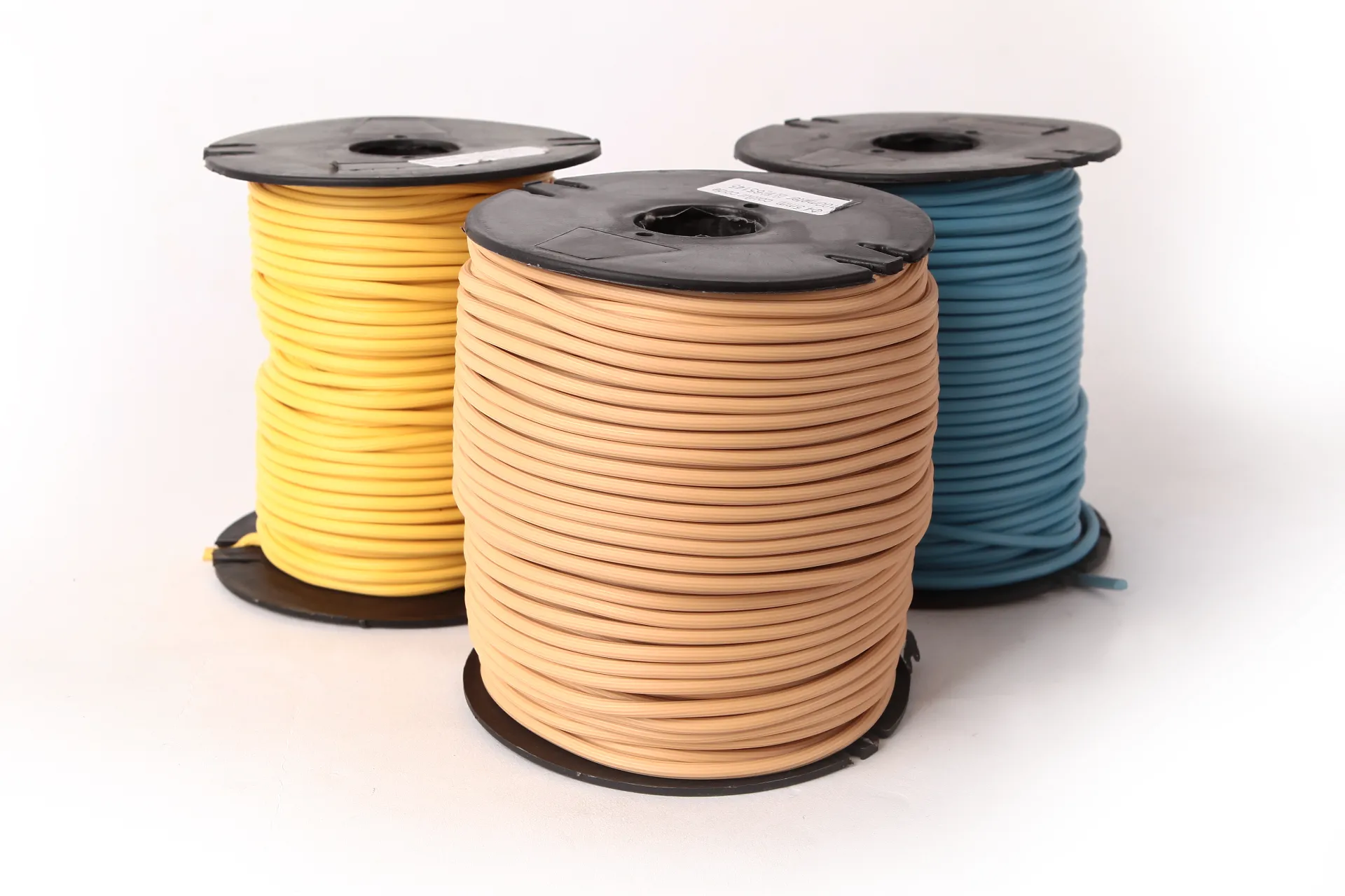
Simply put, a vinyl welding rod is a strip or filament made of vinyl-compatible thermoplastic material used to fuse two vinyl pieces together. When heated, the rod melts and intermingles with the substrate, forming a continuous, strong seam once cooled. This process is vital in industries ranging from automotive to housing.
By facilitating airtight, waterproof joints, vinyl welding rods support modern infrastructure needs and humanitarian efforts alike — think fast-deployment shelters that demand durable, yet flexible, material bonds.
Key Factors Influencing Vinyl Welding Rod Effectiveness
1. Material Compatibility
Selecting a welding rod that matches the PVC grade and plasticizer content of the substrates ensures chemical bonding integrity. Mismatched rods can lead to weak seams and premature failure.
2. Durability and Chemical Resistance
Many vinyl welding rods boast resistance to acids, alkalis, and ultraviolet rays — key for outdoor and industrial usage where exposure is inevitable.
3. Processing Temperature Range
Optimal melting points ease the welding process, prevent substrate damage, and improve operator safety. Rods with broad processing windows accommodate various machinery setups.
4. Mechanical Strength
Tensile strength and elongation at break values indicate how well the welded seam will hold under stress and bending.
5. Ease of Handling
Thickness, flexibility, and packaging matter practically — after all, easy-to-feed rods shorten job time and reduce errors.
Product Specification Table
| Specification | Typical Vinyl Welding Rod |
|---|---|
| Material Composition | Flexible PVC with plasticizers |
| Diameter | 3.2 mm |
| Melting Temperature | 230–270 °C |
| Tensile Strength | 18 MPa (approx.) |
| Chemical Resistance | Excellent against oils, acids |
Applications Around the World
Oddly enough, vinyl welding rods show up in places ranging from sleek automotive interiors in Germany to emergency habitat shelters in Southeast Asia.[2] NGO projects in disaster zones often rely on welded vinyl tarps where soldering or adhesives would fail under harsh conditions. This product supports both industrial use and humanitarian relief.
In remote industrial zones — like oil refineries in the Middle East — vinyl welding rods help maintain pipelines and containment liners. Meanwhile, European manufacturers use them for assembling durable packaging and consumer goods with flexible PVC components.
Vendor Comparison: Choosing the Right Supplier
| Vendor | Material Quality | Pricing | Delivery Speed | Customization Options |
|---|---|---|---|---|
| Vendor A | High-grade PVC with eco-plasticizers | Mid-range | 5–7 days | Color and size options |
| Vendor B | Standard PVC, less plasticizers | Budget-friendly | 7–10 days | Limited |
| Vendor C | Premium vinyl with flame retardants | Premium pricing | 3–5 days | Extensive custom specs |
Advantages and Long-Term Value
The immediate benefits of using quality vinyl welding rods include seamless joints that last decades, resisting chemical decay and weathering. Frankly, this reliability fosters trust in finished products—whether a sealed medical-grade container or a shelter tarpaulin safeguarding families. There’s a strong social value here: reliable materials preserve safety and dignity.
In economic terms, durable seams reduce repair costs, downtime, and waste. From an environmental perspective, better bonds extend product life cycles, aligning with sustainable manufacturing initiatives.
Emerging Trends & Technologies
New formulations aiming at lower VOC emissions and bio-based PVC plasticizers are on the rise, reflecting global moves toward cleaner manufacturing.[3] Automating welding systems with AI-assisted temperature control also reduces defects, making installation faster and more precise.
Challenges and Expert Solutions
Yet, not all is perfect. Uneven heating, operator skill variability, and rod-substrate incompatibility can still cause weak seams. Some experts recommend thorough testing phases and tailored formulations per project specifics to minimize failures. Continuous training and investing in modern welding technologies ensure long-term success.
FAQ: Common Questions About Vinyl Welding Rod
- Q: What makes vinyl welding rods preferable to adhesives for joining PVC materials?
A: Unlike adhesives that may degrade under heat or moisture, vinyl welding rods create a homogeneous bond by melting two vinyl elements together, resulting in stronger, more durable seams. - Q: Can vinyl welding rods be used outdoors in harsh climates?
A: Yes, high-quality vinyl welding rods have UV and chemical resistance, making them suitable for outdoor applications like roofing membranes or protective liners. - Q: How should I select the right diameter for a vinyl welding rod?
A: Common diameters like 3.2mm fit most handheld welders. Thicker rods are for industrial, heavy-duty fabrications. Consult your equipment and substrate specs for best results. - Q: Are there environmentally friendly or bio-based vinyl welding rod options?
A: Yes, eco-conscious manufacturers now offer rods with bio-plasticizers and reduced VOC content to meet green manufacturing demands. - Q: Is it possible to color-match vinyl welding rods to substrates?
A: Many vendors provide color customization to match substrate hues, enhancing aesthetics and reducing visual seam lines.
Conclusion: Why Vinyl Welding Rods Remain Essential
In real terms, vinyl welding rods quietly enable countless products and solutions we rely on daily, marrying durability with practicality. Understanding their nuances helps engineers and procurement professionals make smarter choices—choices that ripple through quality, sustainability, and societal impact.
Curious to explore our range? Visit https://www.enliofloor.com for detailed specs and expert advice on vinyl welding rods.
A little rod, a lot of strength — vinyl welding rods hold tight the future of flexible fabrication.
References
-
Ultimate Guide to Durable and Modern spc flooring greyApr.16,2026
-
Installing SPC Flooring on Concrete Professional Installation GuideApr.09,2026
-
Comprehensive Guide to Durable SPC Flooring for Commercial ApplicationsApr.07,2026
-
SPC Flooring Click Installation Benefits and Comprehensive GuideApr.04,2026
-
Comprehensive Guide to SPC Flooring Durability Style and InstallationMar.31,2026
-
Exploring the Diverse Types of SPC Flooring for Your Next ProjectMar.28,2026