
Discover the Benefits of Durable Residential Rubber Wood Flooring Solutions
Residential Rubber Wood Flooring: A Comprehensive Guide
Choosing the right flooring for your home is a significant decision. Residential rubber wood flooring offers a compelling blend of affordability, durability, and aesthetic appeal. This article will explore the benefits, installation, maintenance, and considerations when selecting rubber wood flooring for your living spaces. We'll delve into why it's a popular choice for homeowners looking for a stylish and practical flooring solution.
Understanding Residential Rubber Wood Flooring
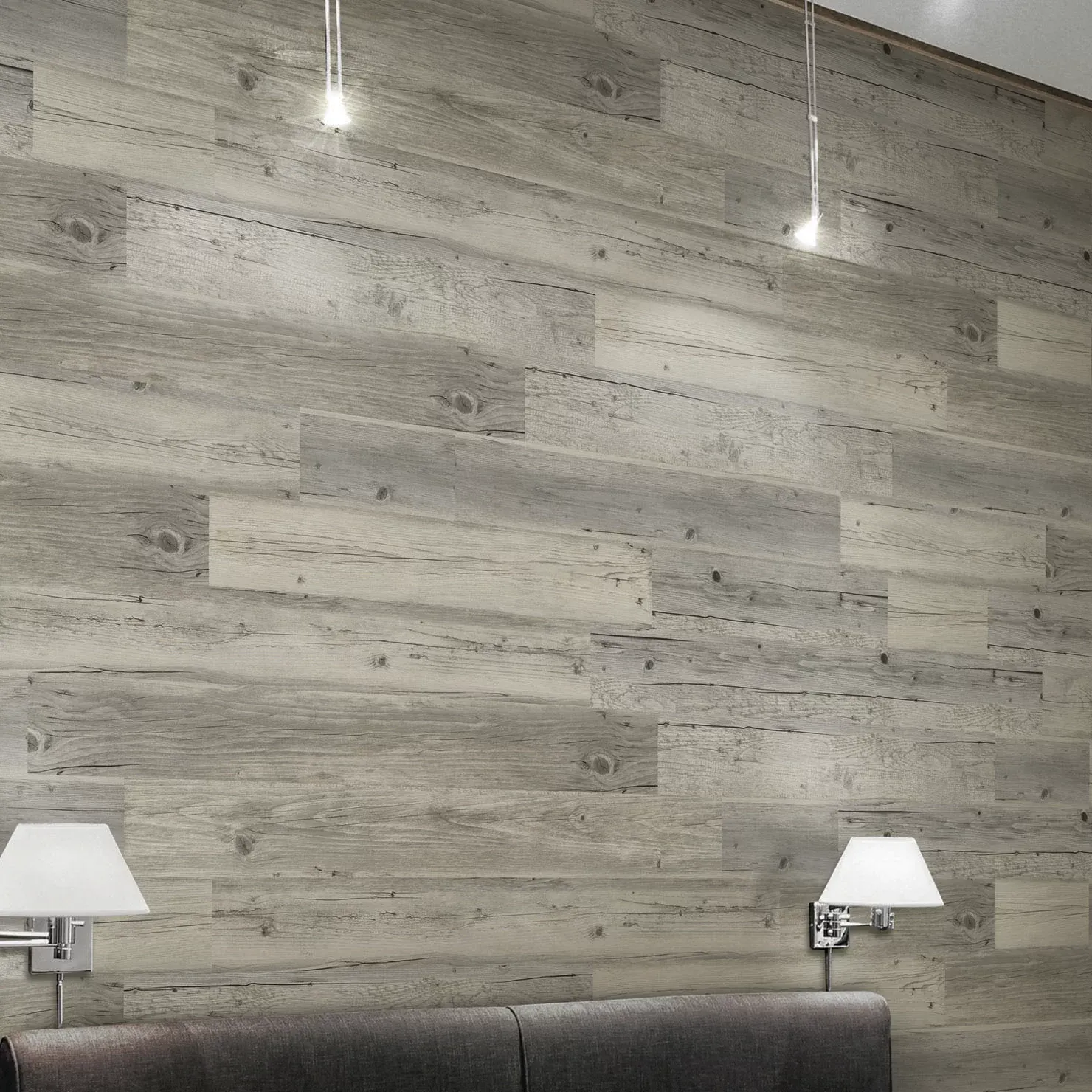
Rubber wood, also known as Parawood, is a sustainable and eco-friendly flooring option. It's harvested from the Hevea Brasiliensis tree, the same tree that produces natural rubber. Once the tree stops producing latex, it’s harvested for wood, making it a highly renewable resource. Residential rubber wood flooring is known for its stability, resistance to pests, and attractive grain patterns. It offers a warmer feel underfoot compared to tile or stone, and can enhance the overall comfort of your home. Enlio Floor provides a diverse selection of rubber wood flooring to suit various design preferences.
Key Highlights: Sustainable and eco-friendly, stable and resistant to pests, warm and comfortable underfoot, available in diverse grain patterns.
Benefits of Choosing Rubber Wood Flooring
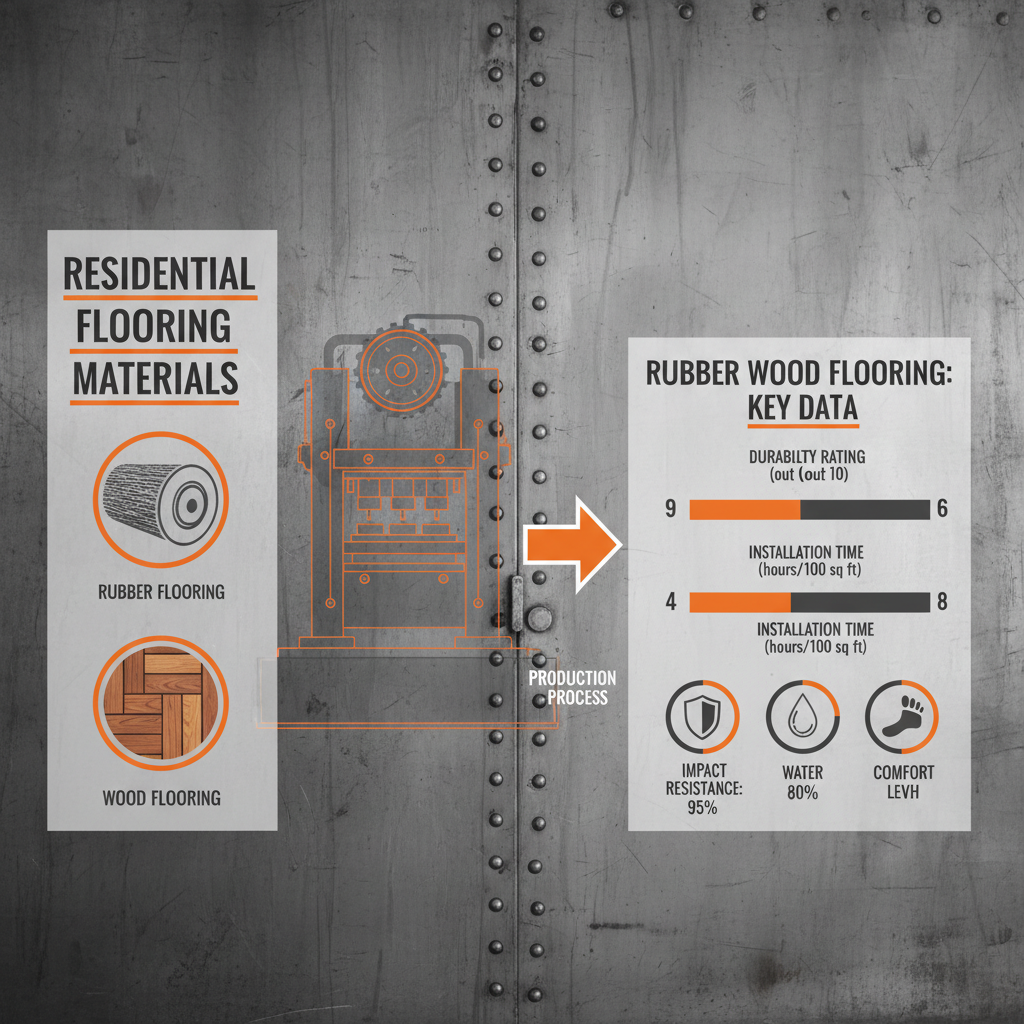
Rubber wood flooring presents several advantages for homeowners. Its affordability makes it an excellent alternative to solid hardwood. It's relatively easy to install, especially as a floating floor system. The wood is naturally resistant to termites and other wood-boring insects, reducing the need for chemical treatments. Furthermore, rubber wood has a good dimensional stability, meaning it's less prone to warping or expanding and contracting with changes in humidity. It's also relatively soft, making it comfortable to walk on and reducing noise levels.
Rubber Wood Flooring Advantages:
• Affordability compared to solid hardwood
• Easy installation (floating floor options available)
• Natural pest resistance
• Dimensional stability
• Comfort and noise reduction
Rubber Wood Flooring vs. Other Flooring Options
Let's compare rubber wood flooring to other popular choices. Compared to solid hardwood, it’s more affordable and sustainable. Against laminate flooring, rubber wood offers a more authentic wood look and feel, and is less prone to damage. Compared to vinyl flooring, rubber wood provides a warmer, more natural aesthetic and a higher resale value. Choosing the best option depends on your budget, lifestyle, and aesthetic preferences. Explore Enlio Floor's collection to see the variety of styles available.
Installation and Maintenance of Rubber Wood Flooring
Rubber wood flooring can be installed as a nail-down, staple-down, or floating floor. The floating floor method is popular for its ease of installation and suitability for DIY projects. Regular sweeping and vacuuming will remove dirt and debris. Avoid using harsh chemicals or abrasive cleaners. Use a wood floor cleaner specifically designed for polyurethane finishes. Protect the floor from scratches by using furniture pads under heavy items. With proper care, your rubber wood floor will maintain its beauty for years to come.
Choosing the Right Rubber Wood Flooring for Your Home
Consider the grade, finish, and thickness of the flooring when making your selection. Higher grades typically have fewer knots and imperfections. The finish affects the floor's durability and resistance to scratches and stains. Thicker flooring generally offers better sound insulation and a more substantial feel. Enlio Floor's expert team can guide you through the selection process and help you find the perfect flooring for your needs.
Conclusion: A Sustainable and Stylish Flooring Solution
Residential rubber wood flooring is an excellent choice for homeowners seeking an affordable, durable, and sustainable flooring solution. Its natural beauty, ease of maintenance, and environmental benefits make it a popular option for a wide range of homes. By choosing rubber wood, you’re investing in a floor that looks great and feels good – both for your home and for the planet.
Frequently Asked Questions (FAQs)
Is rubber wood flooring suitable for high-traffic areas?
Yes, rubber wood flooring is generally suitable for high-traffic areas, but it's essential to choose a higher grade with a durable finish. Applying a protective coating can further enhance its resistance to wear and tear. Regularly cleaning and maintaining the floor will also help preserve its appearance. Consider adding area rugs in particularly high-traffic zones to provide extra protection.
How does humidity affect rubber wood flooring?
Rubber wood has good dimensional stability, meaning it's less susceptible to expansion and contraction than some other wood species. However, extreme humidity fluctuations can still cause issues. It’s crucial to maintain consistent indoor humidity levels. If installing in an area prone to moisture, consider using a moisture barrier underneath the flooring. Proper ventilation can also help regulate humidity levels.
Can rubber wood flooring be refinished?
Rubber wood flooring can be refinished, but it's generally not as easy as refinishing solid hardwood. The thinner wear layer means there's less wood to work with. The number of times it can be refinished depends on the thickness of the floor. It is important to use a professional who is experienced with rubber wood.
Is rubber wood flooring an eco-friendly option?
Yes, rubber wood is considered a very eco-friendly option. It's harvested from trees that are no longer producing latex, making it a sustainable use of resources. The rapid growth rate of the Hevea Brasiliensis tree also contributes to its sustainability. Choosing rubber wood flooring helps reduce deforestation and supports responsible forestry practices.
-
Ultimate Guide to Durable and Modern spc flooring greyApr.16,2026
-
Installing SPC Flooring on Concrete Professional Installation GuideApr.09,2026
-
Comprehensive Guide to Durable SPC Flooring for Commercial ApplicationsApr.07,2026
-
SPC Flooring Click Installation Benefits and Comprehensive GuideApr.04,2026
-
Comprehensive Guide to SPC Flooring Durability Style and InstallationMar.31,2026
-
Exploring the Diverse Types of SPC Flooring for Your Next ProjectMar.28,2026