
Enhance Your Home with Beautiful Residential Timber Flooring Options
Residential Timber Flooring: A Comprehensive Guide
Choosing the right flooring for your home is a significant decision. Residential timber flooring offers a classic, warm, and inviting aesthetic that enhances any living space. This guide will explore the benefits, types, installation, maintenance, and cost considerations of timber flooring, helping you make an informed choice. From solid hardwood to engineered options, understanding the nuances of each type is key to selecting the perfect flooring for your lifestyle and budget. We'll delve into the long-term value and beauty that timber flooring brings to your home.
The Allure of Residential Timber Flooring
Timber flooring is renowned for its natural beauty, durability, and ability to increase a home's value. It provides a warm and inviting atmosphere, making any room feel more comfortable and welcoming. Unlike some synthetic alternatives, timber flooring is a natural, renewable resource, making it an environmentally conscious choice. The unique grain patterns and color variations in each plank create a distinctive look that cannot be replicated. Furthermore, timber flooring is relatively easy to clean and maintain, making it a practical choice for busy households. Choosing timber flooring is an investment in both the aesthetics and value of your home.
Key Benefits: Adds warmth and character, increases home value, is a sustainable and renewable resource, easy to clean and maintain.
Types of Residential Timber Flooring
There are several types of timber flooring available, each with its own unique characteristics. Solid hardwood flooring is made from a single piece of wood and is known for its durability and ability to be refinished multiple times. Engineered timber flooring consists of a layer of hardwood bonded to a core of plywood or fiberboard. This construction makes it more stable and less susceptible to warping than solid hardwood, making it suitable for use in areas with varying humidity levels. Laminate flooring, while visually similar to timber, is a synthetic product with a photographic layer under a protective coating. The choice between these options depends on your budget, lifestyle, and the specific requirements of your home.
Timber Flooring Options:
• Solid Hardwood: Durable, refinishable, classic aesthetic.
• Engineered Timber: Stable, less prone to warping, suitable for various humidity levels.
• Laminate: Cost-effective, easy to install, but lacks the natural feel of real wood.
Comparing Timber Flooring Options
Selecting the right timber flooring involves weighing the pros and cons of each type. Solid hardwood offers unparalleled beauty and longevity, but requires more careful maintenance and is sensitive to humidity changes. Engineered timber provides a good balance of aesthetics, durability, and stability, making it a versatile choice. Laminate flooring is the most affordable option, but lacks the authenticity and lasting value of real wood. Considering factors like foot traffic, moisture levels, and your budget will help you narrow down your options.
Maintenance and Care for Your Timber Floors
Proper maintenance is crucial for preserving the beauty and longevity of your timber floors. Regular sweeping or vacuuming will remove dust and debris. Avoid using harsh chemicals or abrasive cleaners, as these can damage the finish. Spills should be cleaned up immediately to prevent staining. Consider using area rugs in high-traffic areas to protect the flooring from wear and tear. Periodically refinishing solid hardwood floors will restore their original luster and protect them from damage. For EnlioFloor products, refer to the specific care instructions provided with your purchase.
Cost Considerations for Residential Timber Flooring
The cost of timber flooring varies depending on the type of wood, the grade, and the installation method. Solid hardwood is generally the most expensive option, while laminate flooring is the most affordable. Engineered timber falls somewhere in between. Installation costs can add significantly to the overall expense, so it's important to factor that into your budget. The price per square foot can range from $3 to $15 or more, depending on the materials and labor involved. EnlioFloor offers a range of options to suit various budgets.
Conclusion: Investing in Timeless Beauty
Choosing residential timber flooring is an investment in the beauty, value, and comfort of your home. By carefully considering the different types, installation options, and maintenance requirements, you can select the perfect flooring to meet your needs and enhance your living space. With its timeless appeal and long-lasting durability, timber flooring is a choice you'll enjoy for years to come.
Frequently Asked Questions (FAQs)
How do I choose the right timber flooring for my home?
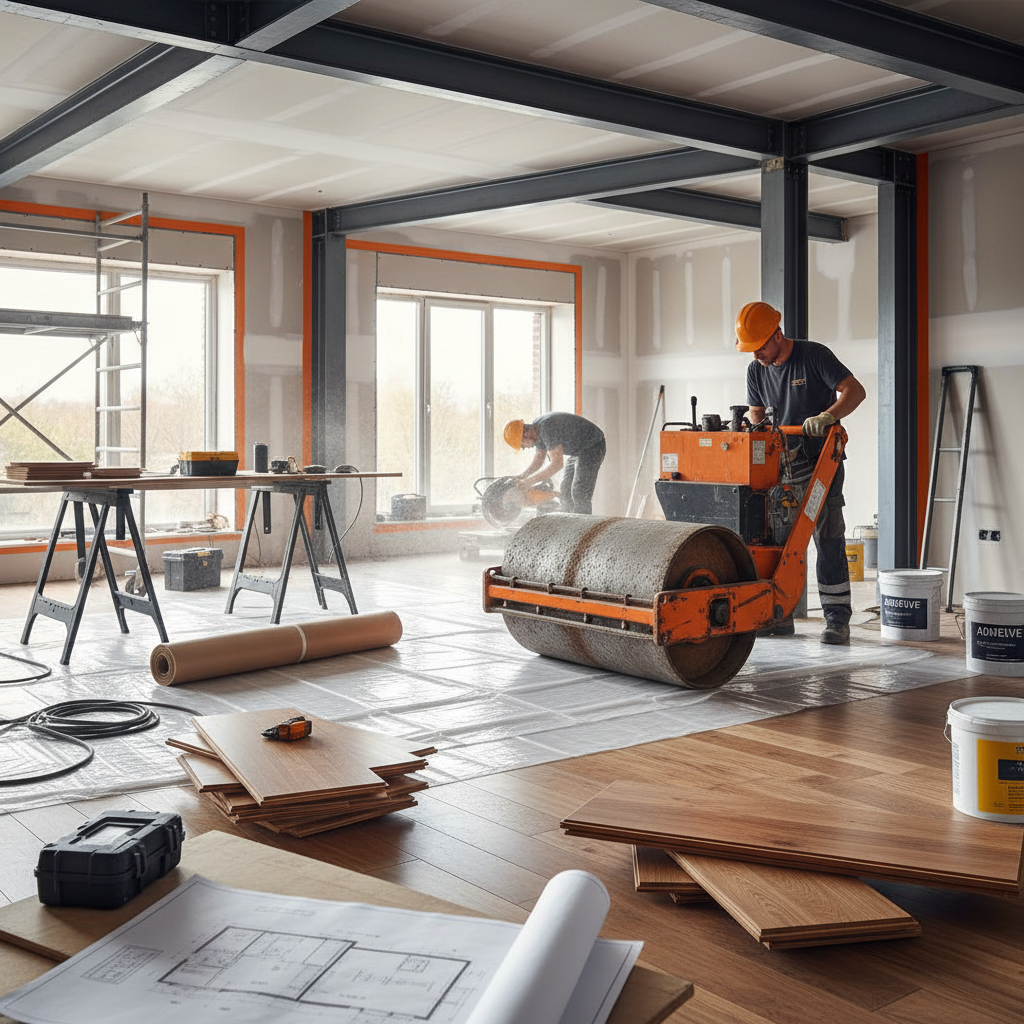
Choosing the right timber flooring depends on several factors, including your budget, lifestyle, and the specific requirements of each room. Consider the level of foot traffic, potential moisture exposure, and your aesthetic preferences. Solid hardwood is a classic choice for living areas, while engineered timber is more suitable for basements or kitchens. Laminate flooring is a cost-effective option for bedrooms or hallways. Think about the color and grain pattern that best complements your existing décor and furniture. Don't hesitate to ask for samples and compare them in your home's lighting conditions. Consulting with a flooring professional can provide personalized guidance and ensure you make the best decision.
What is the best way to clean timber flooring?
Regular cleaning is essential for maintaining the beauty of your timber floors. Sweep or vacuum regularly to remove dust and debris. For deeper cleaning, use a wood floor cleaner specifically designed for your flooring’s finish. Avoid using harsh chemicals, abrasive cleaners, or excessive water, as these can damage the wood. Mop floors with a slightly damp cloth, ensuring it’s not soaking wet. Clean up spills immediately to prevent staining. Consider using felt pads under furniture legs to protect the floor from scratches.
Can timber flooring be installed over concrete subfloors?
Yes, timber flooring can be installed over concrete subfloors, but proper preparation is crucial. The concrete subfloor must be clean, dry, and level. A moisture barrier is essential to prevent moisture from seeping up and damaging the wood. Engineered timber is often a better choice for concrete subfloors than solid hardwood, as it's less susceptible to moisture issues. A floating installation method is commonly used over concrete, allowing the flooring to expand and contract with changes in temperature and humidity.
-
Ultimate Guide to Durable and Modern spc flooring greyApr.16,2026
-
Installing SPC Flooring on Concrete Professional Installation GuideApr.09,2026
-
Comprehensive Guide to Durable SPC Flooring for Commercial ApplicationsApr.07,2026
-
SPC Flooring Click Installation Benefits and Comprehensive GuideApr.04,2026
-
Comprehensive Guide to SPC Flooring Durability Style and InstallationMar.31,2026
-
Exploring the Diverse Types of SPC Flooring for Your Next ProjectMar.28,2026