
The Complete Guide to Plastic Bathroom Skirting Boards: Durable, Hygienic & Sustainable
Plastic Bathroom Skirting Board: A Practical and Sustainable Solution
Bathroom skirting boards — those often-overlooked strips lining the base of bathroom walls — play a surprisingly critical role in protecting walls, hiding unsightly joints, and enhancing overall hygiene. Among their many types, plastic bathroom skirting boards have emerged as a popular, practical, and eco-friendly choice worldwide. Why? Because in today’s world, where moisture resistance, durability, and sustainability matter more than ever, these skirting boards make all the difference, especially in high-humidity spaces like bathrooms.
Why Should You Care About Plastic Bathroom Skirting Boards?
Globally, water damage and mold growth due to poor moisture barriers cause billions in repair costs annually. According to the World Health Organization, damp indoor environments contribute to health issues affecting millions worldwide. Plastic skirting boards tackle this head-on by providing a waterproof, mold-resistant shield at the critical junction between floors and walls. Beyond that, they represent a smart investment that blends functionality with easy maintenance — which, frankly, matters hugely for both residential and commercial spaces.
What Exactly Is a Plastic Bathroom Skirting Board?
Simply put, a bathroom skirting board is a strip of material affixed along the base of bathroom walls. When made from plastic — usually PVC or similar polymers — these skirtings are designed to resist water, prevent wall damage, and conceal gaps or uneven transitions between floor and wall surfaces. Because bathrooms tend to be humid and prone to splashes, a plastic skirting board offers superior protection compared to traditional wood or plaster options, which can warp or deteriorate over time.
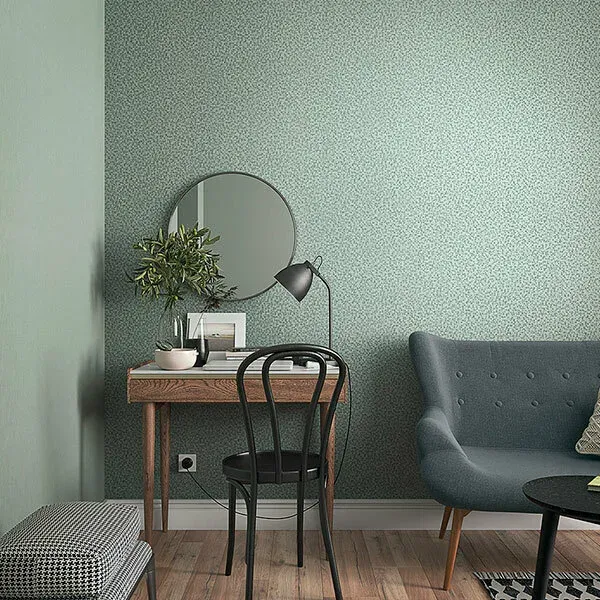
plastic bathroom skirting board can also be easily customized to suit different interior styles, making them both practical and aesthetically pleasing.Key Factors to Consider When Choosing Plastic Bathroom Skirting Boards
Durability
The foremost advantage is durability. Plastic skirting boards resist rotting, swelling, or cracking — problems that plague wooden alternatives. Many engineers favor PVC variants for their ability to last decades, even in consistently moist environments. Once installed, they hardly demand replacement or extensive upkeep.
Water and Mold Resistance
Given bathrooms’ exposure to moisture, mold resistance is crucial. Plastic skirting boards form a sealed edge that keeps water from penetrating walls or floors. This helps prevent mold infestations, which can be costly and hazardous to health.
Cost Efficiency
While prices vary, plastic skirting boards typically come at lower costs than high-end wood or metal trims. Moreover, their low maintenance needs translate into long-term savings. They’re a sensible compromise between affordability and performance.
Ease of Installation and Scalability
These skirting boards are lightweight and often cut-to-fit, making installation straightforward. This is particularly beneficial for large-scale projects or areas requiring quick renovation. Plus, manufacturers now offer various thicknesses, colors, and finishes to scale with differing design demands.
Environmental Impact
Oddly enough, while plastics carry a bad reputation environmentally, many manufacturers now produce recyclable or partially recycled plastic skirting boards. This trend aligns with global pushes toward more sustainable construction materials, in line with international standards like ISO 14001 on environmental management systems.
Plastic Bathroom Skirting Board: Specs at a Glance
| Feature | Typical Specification |
|---|---|
| Material | PVC (Polyvinyl Chloride) |
| Length | 2.5 to 3 meters per strip |
| Height | 50 to 120 mm |
| Thickness | 4 to 8 mm |
| Water Resistance | High (impervious to moisture) |
| Color Options | White, beige, grey, custom colors |
Global Applications and Use Cases
Plastic bathroom skirting boards are no longer just an upgrade feature in shiny hotels. They are a staple in various regions and sectors:
- Residential construction: Their durability makes them ideal for urban apartments globally, from humid Singapore to rainy Seattle.
- Healthcare facilities: Hospitals and clinics benefit from the easy-to-clean, hygienic surface to reduce contamination risks.
- Disaster relief housing: Quick to install and durable, they serve well in temporary shelters set up by NGOs after floods or hurricanes.
- Industrial sites: Factories with wet environments such as food production use plastic skirting boards to protect walls from water damage and chemical splashes.
These applications demonstrate how adaptable the product is, fitting diverse climates and standards, supported by ISO certifications ensuring international quality benchmarks.
Comparing Top Vendors of Plastic Bathroom Skirting Boards
| Vendor | Material Quality | Price Range (USD/m) | Customization | Sustainability Certifications |
|---|---|---|---|---|
| Enlio | Premium PVC, UV resistant | 3.5 - 5.0 | Color and texture options | ISO 14001, ISO 9001 |
| Vendor B | Standard PVC | 2.8 - 4.0 | Limited colors | None |
| Vendor C | Recycled PVC blend | 3.0 - 4.5 | Custom colors only | ISO 14001 |
Advantages and Long-Term Value
Beyond the tactile benefits already mentioned, these skirting boards support sustainability goals by reducing material waste through longevity and recyclability. Homeowners report peace of mind knowing mold growth is less likely — a big quality-of-life upgrade. Facility managers appreciate cost savings on maintenance and replacements. In real terms, it feels like one small choice that contributes positively to safety, aesthetics, and environmental responsibility.
Future Trends and Innovations
The skirting board industry isn’t standing still. Innovations such as bio-based plastics are on the horizon, aiming to reduce the carbon footprint further. Digital manufacturing tools, like CNC cutting and precision fitting, make installation faster and reduce onsite errors. Meanwhile, some brands are integrating antimicrobial additives into plastic surfaces, targeting bacteria reduction — quite the leap for bathroom hygiene.
Challenges and Solutions
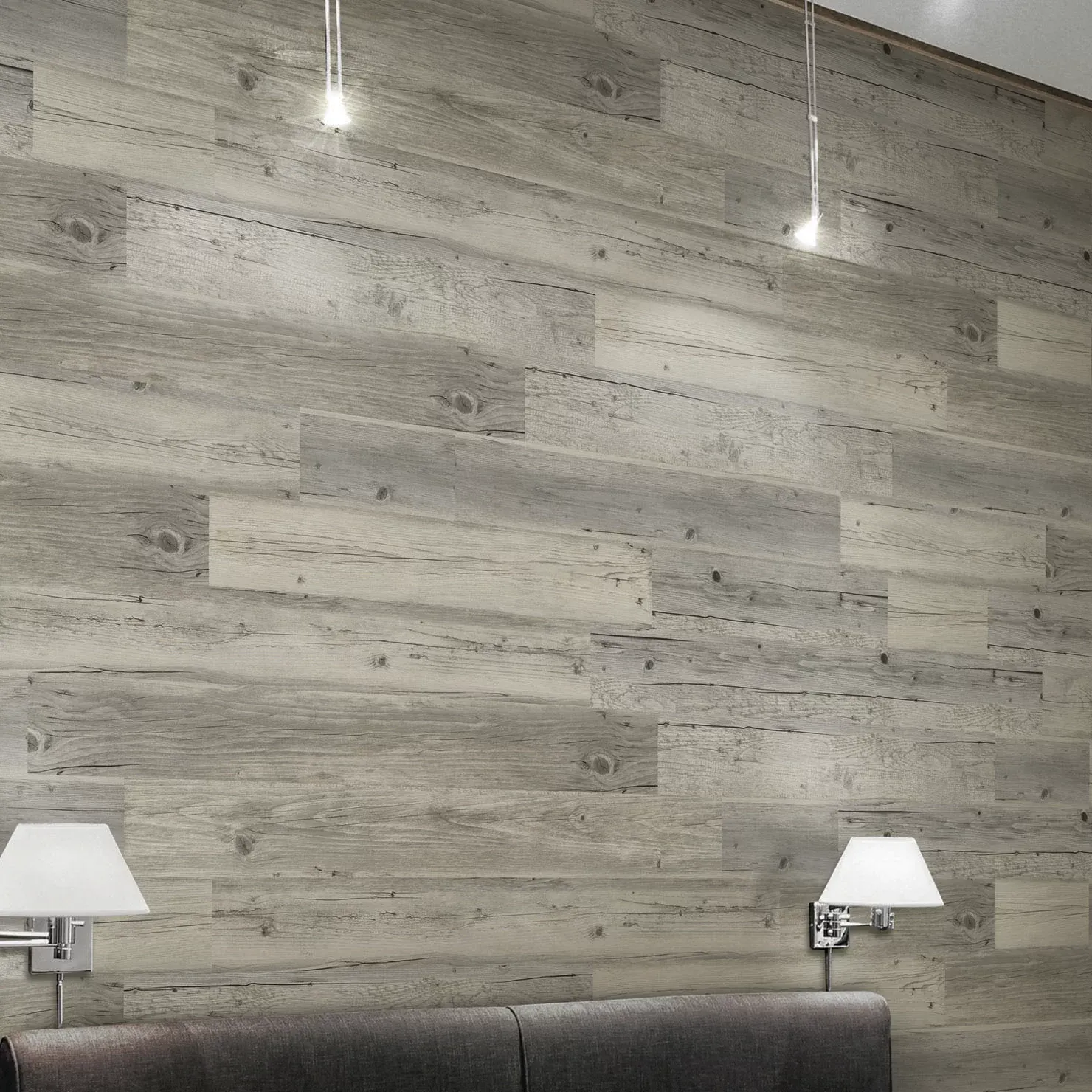
Of course, challenges exist. Plastic can sometimes look cheap or out of place in luxury fittings, but new textured finishes mimic wood or stone for a high-end feel. Moreover, concerns about microplastics push vendors to research better recycling programs and longer-lasting products. Installation errors remain a pain point, but increasingly detailed tutorials and professional services help bridge this gap.
FAQ: Plastic Bathroom Skirting Board
- Q: How does a plastic bathroom skirting board improve bathroom hygiene?
A: It creates a smooth, impermeable barrier that's easy to clean, preventing water ingress and mold growth behind walls — hotspots for bacteria. - Q: Can plastic skirting boards be painted or customized after installation?
A: Most plastic skirting boards come pre-finished, but some high-quality variants accept specialty paints; however, custom color options at purchase are more common and durable. - Q: Are plastic skirting boards suitable for wet rooms or steam showers?
A: Yes, their water-resistant nature makes them ideal for consistently damp environments like steam showers, unlike wood which can warp. - Q: How do plastic bathroom skirting boards impact the sustainability of building projects?
A: By lasting longer and often being recyclable, they reduce waste compared to traditional materials, aligning with green building codes and certifications.
Conclusion
Ultimately, installing plastic bathroom skirting boards is a smart, modern choice combining functionality, style, and environmental responsibility. Whether you’re coordinating a large-scale construction project or simply upgrading your home, their ability to resist moisture, mold, and damage makes them invaluable. If you want to explore durable, customizable, and affordable options, do visit https://www.enliofloor.com. Your walls (and your peace of mind) will thank you.
Mini takeaway: Though small in size, plastic bathroom skirting boards contribute immensely to long-term bathroom health, cost savings, and design flexibility worldwide.
References:
-
Ultimate Guide to Durable and Modern spc flooring greyApr.16,2026
-
Installing SPC Flooring on Concrete Professional Installation GuideApr.09,2026
-
Comprehensive Guide to Durable SPC Flooring for Commercial ApplicationsApr.07,2026
-
SPC Flooring Click Installation Benefits and Comprehensive GuideApr.04,2026
-
Comprehensive Guide to SPC Flooring Durability Style and InstallationMar.31,2026
-
Exploring the Diverse Types of SPC Flooring for Your Next ProjectMar.28,2026