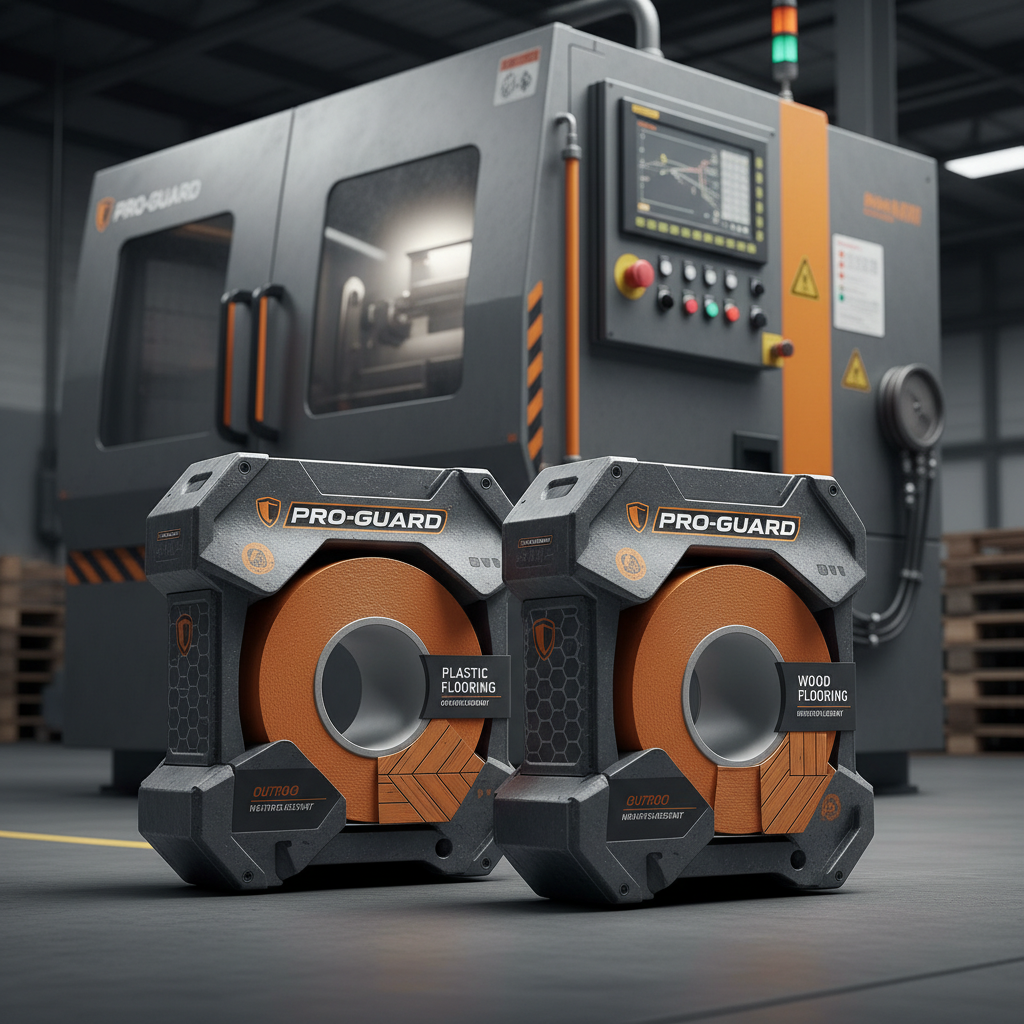
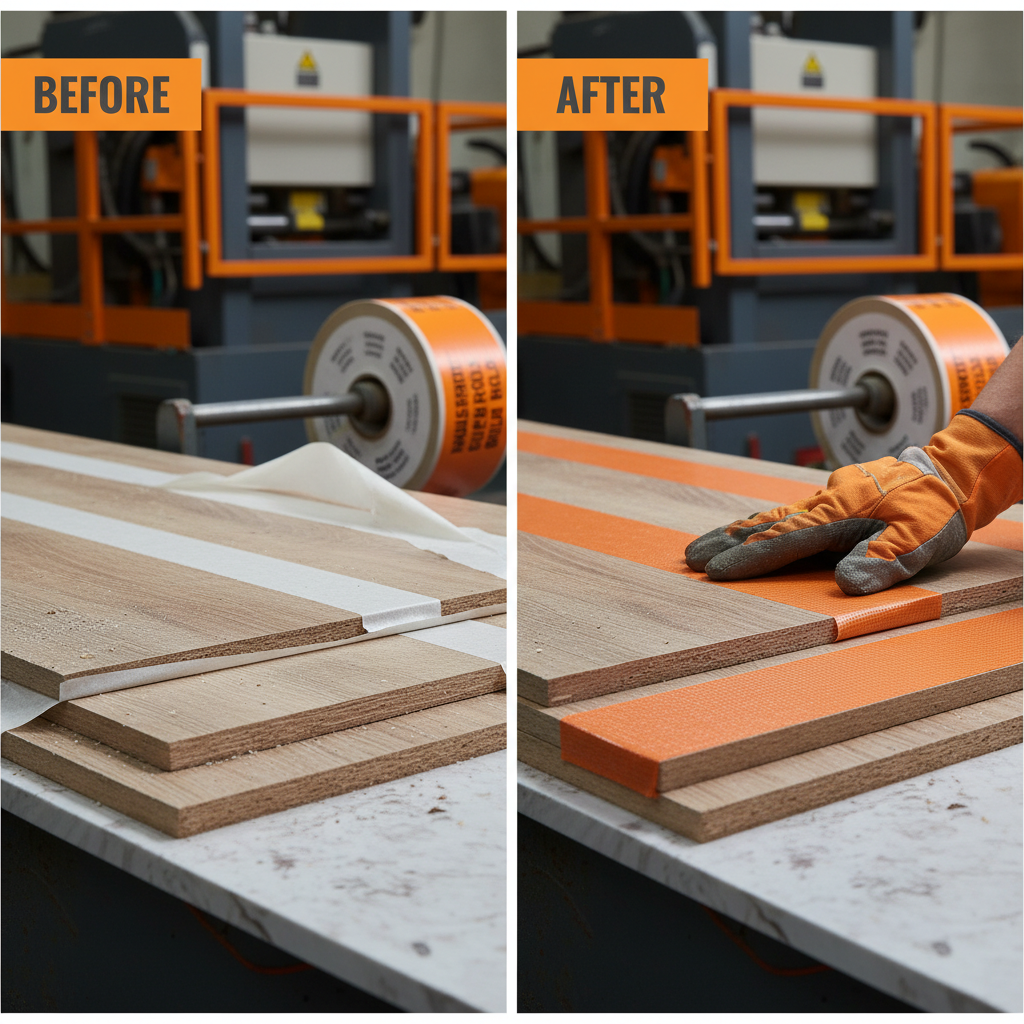
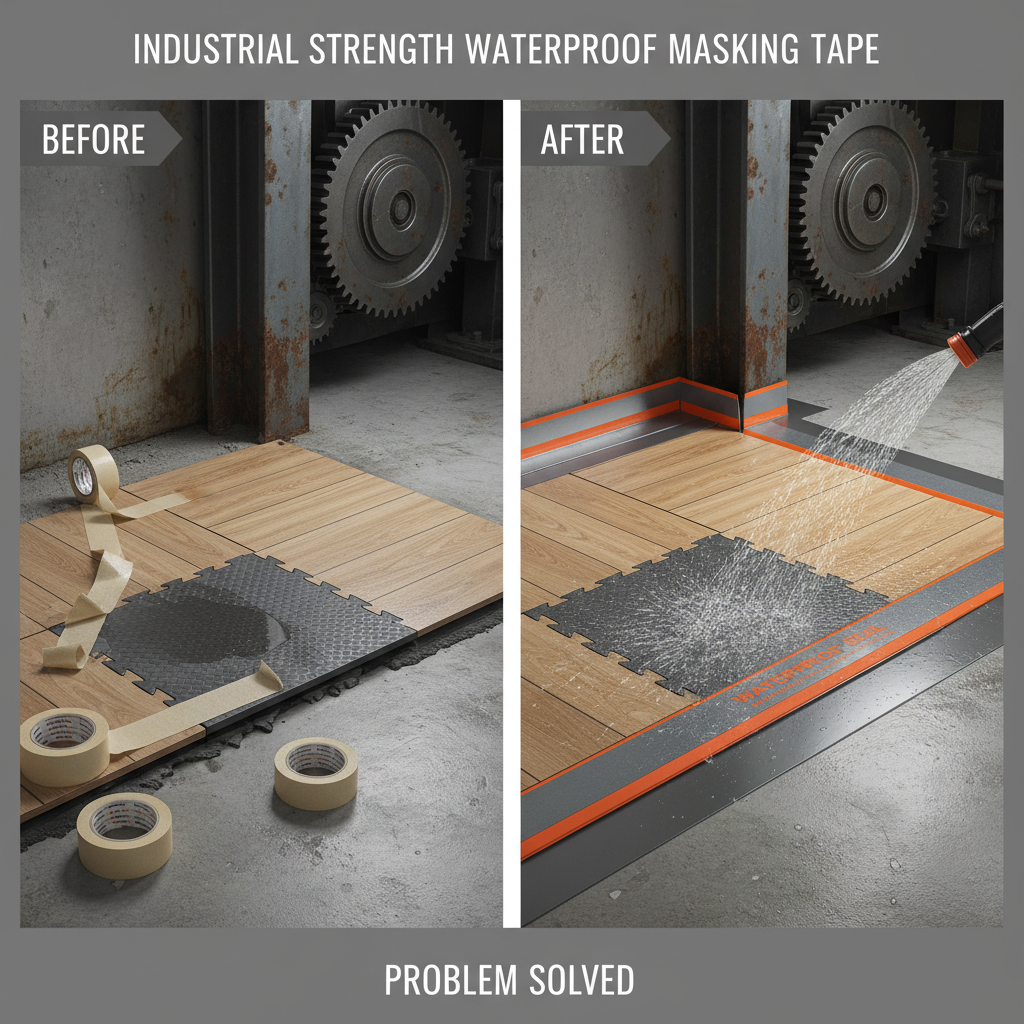
Look, I’ve spent the last fifteen years knee-deep in dust and concrete, watching crews battle the elements, and frankly, seeing a lot of wasted time and money because of things going wrong with masking. And what’s usually at the root of it? Tape that just can’t handle the outdoor conditions. We’re talking about blistering sun, torrential rain, even just the abrasive nature of building materials. It’s not about being fussy; it’s about getting the job done right, on schedule, and within budget. That’s where quality outdoor masking tape comes in. It’s a small piece of the puzzle, but a critical one.
The frustrating part is, for years, we've been stuck using stuff that's designed for indoor crafts. It curls, it lifts, the adhesive breaks down… It creates rework, and rework kills profit margins. I’ve seen painters spend hours re-taping areas because the initial application failed. Those hours add up. And it’s not just painters. Concrete finishers, sandblasters, even guys prepping for powder coating – they all rely on tape holding strong. The demand for a reliable, durable outdoor solution isn’t just a ‘nice to have’; it’s a necessity for any serious operation.
What it really comes down to is respecting the environment you're working in. You wouldn’t use a summer tire in the winter, right? Same principle applies here. You need a tape formulated to withstand UV exposure, temperature fluctuations, and moisture. It’s about choosing the right tool for the job, and frankly, for too long, we haven’t had access to the right tools when it comes to outdoor masking.
The Importance of Durable Outdoor Masking
From my experience, the need for robust outdoor masking isn’t just about achieving clean lines. It's about preventing costly mistakes. A failure in masking can lead to overspray, paint bleed, and ultimately, rework. And rework isn't just time; it's materials, labor, and potentially, unhappy clients. Investing in the right tape upfront is a proactive measure that saves headaches down the line.
You’d be surprised how much productivity is lost due to inadequate masking. Crews are constantly battling peeling edges, residue buildup, and tape that simply won't adhere to textured surfaces. That impacts efficiency, and in construction, efficiency is everything. Good outdoor masking tape should be considered a critical component of any professional finishing process, just like the paint or coating itself.
Defining Outdoor Masking Tape
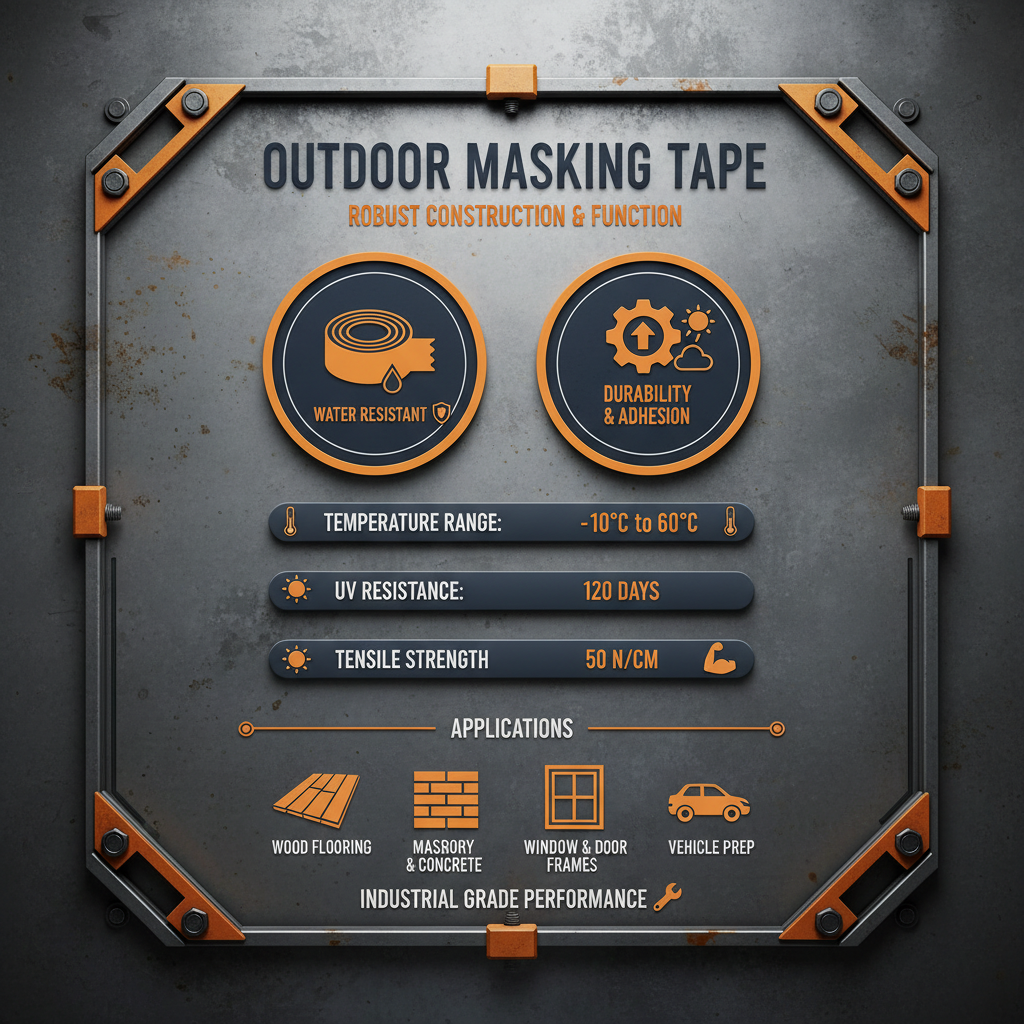
Simply put, outdoor masking tape isn't your standard painter’s tape. It's engineered specifically to withstand the harsh conditions you find on a construction site. That means a stronger adhesive that can grip to a variety of surfaces – metal, plastic, wood, concrete – even if they're slightly dirty or uneven. It's about resisting UV degradation, so the adhesive doesn't become brittle and crack in the sun.
The key difference lies in the backing material and the adhesive formulation. Most outdoor tapes use a crepe paper backing treated for water resistance, combined with an aggressive, rubber-based adhesive. This combo provides the necessary conformability and tack needed for a secure, long-lasting hold. It’s not glamorous, but it’s what makes the difference between a clean finish and a messy one.
It's also a reflection of the increasing demands placed on construction professionals. Projects are getting more complex, timelines are tighter, and the expectation for quality is higher. Outdoor masking tape is a small but significant tool that enables us to meet those demands consistently.
Key Characteristics of Effective Outdoor Masking Tape
When I'm evaluating an outdoor masking tape, there are a few things I'm looking for. First, and most important, is adhesion. It needs to stick, period. But it also needs to come off cleanly, without leaving a sticky residue that requires extra cleanup. That balance is crucial.
Secondly, UV resistance is non-negotiable. I've seen tapes that become brittle and fall apart after just a few hours in direct sunlight. That's a waste of time and money. Finally, water resistance is key, especially if the project is exposed to the elements. A tape that absorbs moisture will lose its adhesion quickly.
Durability is also a big factor. A tape that tears easily or stretches too much is going to be a pain to work with. You want something that can hold up to handling and maintain a consistent width throughout the application process. It's about minimizing frustration and maximizing efficiency.
Global Applications and Industries Benefiting from Outdoor Masking Tape
This isn’t just a North American thing; I’ve seen the same challenges – and the same need for quality tape – on projects all over the world. From infrastructure projects in Southeast Asia to bridge repairs in Europe, the demand for reliable outdoor masking is universal.
The industries that rely on it are diverse. Obviously, painting and coating are big ones, but it’s also crucial for sandblasting, powder coating, automotive refinishing, and even marine applications. Think about shipyards, where protecting large surfaces from overspray is essential. And don’t forget the signage industry; creating clean, crisp graphics requires precise masking.
Even in remote locations, where logistics are challenging, good outdoor masking tape is indispensable. Think about construction crews working on pipelines in Alaska or wind farms in the Australian outback. They need supplies that can withstand extreme conditions and perform reliably, regardless of the environment.
Outdoor Masking Tape Application Effectiveness
Advantages and Long-Term Value Proposition
The initial cost of good outdoor masking tape might be a bit higher, but the long-term savings are significant. Less rework, fewer wasted materials, and increased productivity all add up. It’s about shifting from a reactive approach – constantly fixing mistakes – to a proactive one – preventing them in the first place.
It also builds trust with clients. A flawless finish demonstrates professionalism and attention to detail. That leads to repeat business and positive referrals. Ultimately, investing in quality masking tape is an investment in your reputation.
Future Trends and Innovations in Masking Technology
I'm seeing a lot of interest in more sustainable masking options. Biodegradable tapes and tapes made from recycled materials are starting to gain traction. Clients are demanding greener solutions, and suppliers are responding.
There’s also research being done on new adhesive technologies that offer even stronger adhesion and cleaner removal. And I think we’ll see more automation in the masking process, with machines that can precisely apply tape to complex shapes and surfaces.
Digital printing directly onto masking film is another area to watch. That allows for more intricate designs and customized masking solutions. The goal is always to make the process faster, more efficient, and more reliable.
Common Challenges and Practical Solutions
One of the biggest challenges is dealing with contaminated surfaces. Dust, dirt, and grease can all interfere with adhesion. The solution is simple: thorough cleaning and surface preparation before applying the tape.
Another common issue is temperature extremes. Cold temperatures can make the adhesive brittle, while hot temperatures can cause it to soften and leave residue. Choosing a tape formulated for the specific temperature range is crucial. And finally, proper storage is essential. Keep the tape in a cool, dry place away from direct sunlight.
Don’t underestimate the importance of proper application technique. Avoid stretching the tape too tightly, and make sure it’s firmly pressed onto the surface to create a good seal. A little extra effort upfront can save a lot of headaches down the road.
Summarizing Key Factors Influencing Outdoor Masking Tape Performance
| Surface Type |
Environmental Conditions |
Tape Formulation |
Application Technique |
| Smooth Metal |
High Humidity |
Rubber-Based Adhesive |
Firm Pressure, No Stretching |
| Rough Concrete |
Direct Sunlight |
Aggressive Adhesive with UV Resistance |
Thorough Surface Preparation |
| Plastic Panels |
Low Temperatures |
Acrylic Adhesive for Cold Weather |
Gentle Application, Avoid Overlap |
| Wood Surfaces |
Rain Exposure |
Water-Resistant Crepe Paper Backing |
Secure Edges to Prevent Lifting |
| Curved Surfaces |
Windy Conditions |
Conformable Tape with High Tack |
Small Sections, Gradual Application |
| Textured Walls |
Moderate Temperatures |
High-Density Crepe Paper |
Use a Masking Tool for Precise Lines |
FAQS
Honestly, it’s not prepping the surface properly. You can have the best tape in the world, but if you’re applying it to a dirty, dusty, or oily surface, it's not going to stick. A quick wipe-down with a solvent or degreaser makes all the difference. Don't skip that step!
That depends on the environment and the specific tape, but generally, I recommend removing it within 72 hours. Prolonged exposure to sunlight and moisture will degrade the adhesive. If you need a longer hold, look for tapes specifically designed for extended outdoor use or consider using a protective coating over the tape.
Painter’s tape is typically designed for indoor use and has a lighter adhesive. Outdoor masking tape has a much stronger adhesive, UV resistance, and water resistance. Using painter's tape outdoors is just asking for trouble – it'll peel, lift, and leave a sticky mess. It's a false economy, trust me.
Slow and steady wins the race. Pull the tape back on itself at a 45-degree angle. If you encounter residue, use a mild solvent like mineral spirits or Goo Gone. But always test the solvent in an inconspicuous area first to make sure it doesn't damage the underlying surface.
Yes, absolutely. Some paints and coatings are more sensitive than others. For example, when using two-part epoxies, you need a tape with a very strong adhesive and excellent chemical resistance. Always check the paint manufacturer's recommendations for compatible masking tapes.
Keep it cool, dry, and out of direct sunlight. Heat and humidity will degrade the adhesive over time. Store it in a sealed container or bag to protect it from dust and moisture. Proper storage will significantly extend the shelf life of the tape.
Conclusion
Ultimately, outdoor masking tape isn’t just about keeping paint where it’s supposed to be. It's about preventing costly errors, saving time, and ensuring a professional finish. It’s a small investment that delivers a significant return, boosting efficiency and building a solid reputation. Choosing the right tape, based on the specific application and environmental conditions, is paramount.
Don’t view it as an expense; see it as an insurance policy against rework and a commitment to quality. By understanding the characteristics of effective outdoor masking tape and implementing proper application techniques, you can elevate your projects, streamline your workflows, and consistently deliver exceptional results. Visit our website at www.enliofloor.com to learn more about our range of high-performance masking solutions.