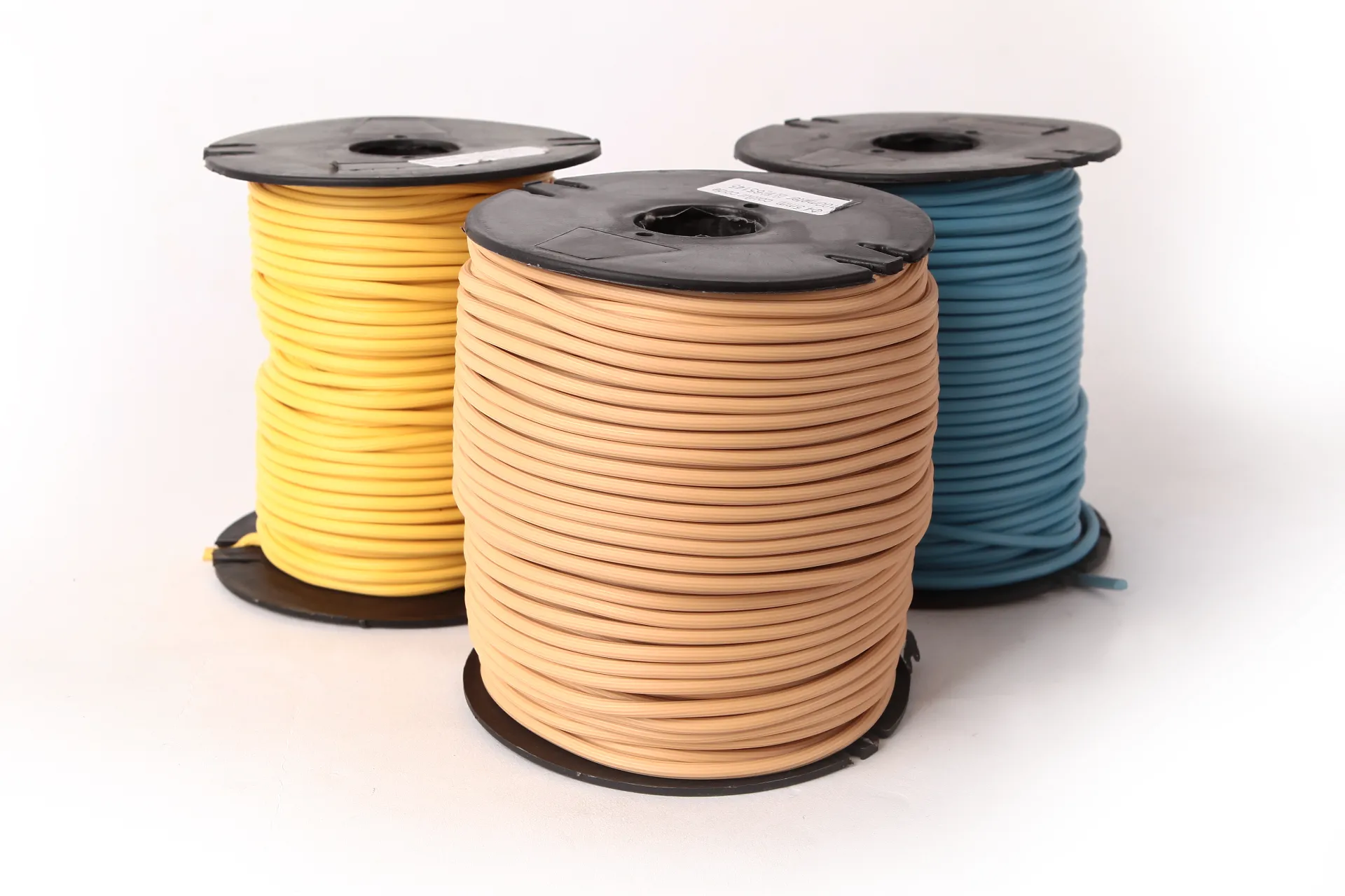

Thermoplastic Welding Rods: Essential Industrial & Humanitarian Tools Explained
Thermoplastic Welding Rods: A Vital Component in Modern Manufacturing
Thermoplastic welding rods might sound like an obscure technical item reserved for industry insiders. But in reality, these rods play a pivotal role worldwide—from construction and automotive manufacturing to critical post-disaster relief efforts. Understanding what thermoplastic welding rods are, and why they matter, opens the door to appreciating a surprisingly broad set of applications that impact everything from infrastructure durability to environmental sustainability.
Global Importance of Thermoplastic Welding Rods
On a global scale, thermoplastic welding rods are part of a multi-billion-dollar market that meets demands for reliable, cost-effective, and sustainable joining solutions. According to the International Organization for Standardization (ISO), thermoplastic welding techniques contribute significantly to infrastructure maintenance and manufacturing, helping reduce waste and improve efficiency. In sectors ranging from aerospace to water treatment, robust welds made using these rods ensure safety and longevity.
However, one of the major challenges that thermoplastic welding rods address is the need for fast, strong, and flexible joining methods in harsh environments. For example, in disaster relief or remote industrial sites, conventional mechanical fasteners can fail or be impractical. Thermoplastic rods enable quick welds that don’t require heavy machinery or lengthy curing times.
What Exactly Are Thermoplastic Welding Rods?
Simply put, thermoplastic welding rods are filler materials made from various thermoplastic polymers such as polyethylene (PE) or polypropylene (PP). They’re heated alongside the base materials, then cool to form a seamless, chemically bonded joint. Unlike adhesives, which rely on chemical bonds only at surfaces, these rods melt to become part of the welded structure, offering superior strength and flexibility.
These rods are indispensable in industries where joining plastic components is common. The ability to weld rather than bolt or glue reduces potential leak points and enhances durability. For humanitarian efforts, like constructing temporary shelters or repairing water pipes, using thermoplastic rods means faster setups and longer-lasting results.
Key Aspects of Thermoplastic Welding Rods
1. Durability
One of the standout benefits is that thermoplastic welded joints withstand significant stress and environmental exposure. Materials like HDPE rods produce joints that resist corrosion, chemicals, and UV degradation, crucial for outdoor or industrial applications.
2. Cost Efficiency
Thermoplastic rods enable faster installations without requiring expensive tools or adhesives. Over time, reduced maintenance and fewer leaks translate to substantial savings, especially in large-scale pipe welding projects.
3. Versatility
From thin membranes for packaging to thick structural panels in automotive manufacturing, various rod diameters and polymer types cater to different needs. This flexibility means it’s easy to find rods suited for specific applications.
4. Environmental Impact
Since the rods and base materials are often recyclable thermoplastics, the welds themselves contribute less to landfill waste compared to non-recyclable alternatives—a vital consideration as sustainability gains global urgency.
5. Ease of Use
While skilled operators achieve the best welds, the equipment and method remain relatively simple, allowing for rapid training and deployment even in challenging field conditions.
Typical Specifications of Common Thermoplastic Welding Rods
| Property | Polyethylene (PE) Rods | Polypropylene (PP) Rods | PVC Rods |
|---|---|---|---|
| Melting Point | 120-135°C | 160-170°C | 75-105°C |
| Tensile Strength | 25-30 MPa | 30-35 MPa | 40-50 MPa |
| Flexibility | High | Medium | Low |
| UV Resistance | Good | Fair | Poor (needs additives) |
| Common Uses | Water pipes, liners | Chemical tanks | Window frames, gutters |
Global Applications: From Industry Giants to Remote Sites
Thermoplastic welding rods are everywhere. In industrial hubs of Europe and North America, they join plastic pipes that transport drinking water or chemicals safely across complex infrastructure. Meanwhile, in Southeast Asia and Africa, these rods help NGOs assemble durable water tanks or temporary shelters swiftly.
In post-disaster relief, say after flooding or earthquakes, speed and reliability are priceless. Using thermoplastic welding rods allows field engineers to quickly seal or repair pipes and membranes without waiting days for adhesives to set. Even in harsh environments like mining sites or offshore platforms, these rods ensure that plastic components remain leak-proof and resilient.
Interestingly, the global plastics welding market continues to grow at about 6.5% annually (according to industry reports), reflecting expanding applications and ongoing innovation.
Why Thermoplastic Welding Rods Are a Smart Long-Term Investment
- Cost Savings: The initial material and labor costs are often offset by reduced maintenance and downtime.
- Sustainability: Recyclable materials and lower waste contribute to greener projects.
- Reliability: Welds are uniform and withstand mechanical and environmental strain.
- Social Impact: Enabling quicker infrastructure repair supports public health and safety.
Picking thermoplastic welding rods is not just about specs or prices; it’s a solid choice when you factor in safety, environmental responsibility, and long-term trustworthiness. Engineers often remark how these rods “feel like an invisible guardian” of their installations.
Emerging Trends in Thermoplastic Welding Rods
Looking ahead, several exciting innovations are worth noting:
- Bio-based Polymers: New rods made from biodegradable or plant-based plastics reduce plastic footprint.
- Automation: Robotics equipped with sensors optimize welding speed and quality control.
- Smart Welding: Embedded sensors in rods can monitor weld integrity in real time.
- Stricter Sustainability Policies: ISO and other organizations are pushing for standardized testing to ensure environmental and occupational safety.
It’s an evolving field that’s quietly integral to the world’s efforts to be more efficient and eco-friendly.
Challenges and Ways Forward
Of course, not everything is seamless. Some common issues include compatibility of rods with base material, operator skill variability, and occasional brittleness at extreme temperatures. Solutions often blend improved material formulations with better training tools and standardized equipment.
For instance, manufacturers are developing multi-layer rods that better match substrate properties—this innovation helps reduce joint failures. Meanwhile, online platforms increasingly offer tutorials and certifications to boost welding competence worldwide.
Vendor Comparison: Leading Thermoplastic Welding Rod Suppliers
| Vendor | Material Range | Global Reach | Sustainability Initiatives | Average Lead Time |
|---|---|---|---|---|
| Enlio | PE, PP, PVC, Custom Blends | 120+ Countries | Recyclable packaging, Bio-based rods | 2 weeks |
| ThermaWeld Co. | PE, PP | North America, Europe | Energy-efficient manufacturing | 3 weeks |
| PlastiRod | PE, PVC | Asia-Pacific | Waste reduction programs | 1 week |
FAQ: Your Burning Questions on Thermoplastic Welding Rods
- Q: What are the main advantages of thermoplastic welding rods over adhesives?
- A: Unlike adhesives that stay on the surface, thermoplastic welding rods melt and fuse with the base plastic, creating a seamless joint that is stronger, more flexible, and more resistant to leaks and chemical degradation.
- Q: Can thermoplastic rods be used in outdoor applications exposed to UV light?
- A: Yes, especially rods made from high-density polyethylene (HDPE) or those treated with UV stabilizers. However, PVC rods generally need additives to improve UV resistance.
- Q: How quickly can a technician learn to use thermoplastic welding rods effectively?
- A: With proper training, even those new to plastic welding can become proficient in a few days, as the equipment and processes are relatively straightforward compared to metal welding.
- Q: Are there environmentally friendly options for thermoplastic welding rods?
- A: Absolutely. Bio-based and recyclable thermoplastic rods are gaining popularity as companies commit to sustainability goals.
- Q: How can international NGOs source thermoplastic welding rods for field operations?
- A: Many global suppliers, including Enlio, offer international shipping and customer support to aid NGOs with sourcing, logistical planning, and technical advice.
Conclusion: Why Thermoplastic Welding Rods Matter Now and Tomorrow
In sum, thermoplastic welding rods are more than just simple plastics—they’re enablers of innovation, sustainability, and resilience across industries and geographies. Their unique ability to deliver quick, durable joints makes them indispensable in both high-tech manufacturing and essential humanitarian projects. As the world increasingly demands solutions that are cost-effective, eco-friendly, and robust, these rods will only grow in importance.
If you want to dive deeper into reliable and high-quality welding solutions, take a look at thermoplastic welding rods offered by leading manufacturers, designed with future needs in mind.
Oddly enough, it’s these rods that quietly hold so much of the modern world together—from infrastructure beneath our feet to shelters protecting displaced families.
Mini takeaway: Thermoplastic welding rods marry strength and versatility in a way few other materials do, making them an essential component of both industrial reliability and humanitarian aid.
References
-
Ultimate Guide to Durable and Modern spc flooring greyApr.16,2026
-
Installing SPC Flooring on Concrete Professional Installation GuideApr.09,2026
-
Comprehensive Guide to Durable SPC Flooring for Commercial ApplicationsApr.07,2026
-
SPC Flooring Click Installation Benefits and Comprehensive GuideApr.04,2026
-
Comprehensive Guide to SPC Flooring Durability Style and InstallationMar.31,2026
-
Exploring the Diverse Types of SPC Flooring for Your Next ProjectMar.28,2026