
Vinyl Flooring Welding Rod - Essential Guide for Durable and Hygienic Floors
Understanding Vinyl Flooring Welding Rod: What It Is and Why It Matters
Let’s start at the beginning: so, what exactly is a vinyl flooring welding rod? In the simplest terms, it’s a specialized tool used for fusing vinyl flooring seams together, creating a continuous, water-tight, and durable surface. This technique isn’t just about aesthetics — it’s a practical solution that keeps floors resilient in heavy traffic, moist environments, or industrial settings. Globally, this little piece of equipment plays a surprisingly vital role in everything from hospitals to schools, commercial spaces, and even in humanitarian relief efforts.
Why does this matter? Because as vinyl flooring remains a popular choice worldwide for its affordability and performance, the welding rods ensure the longevity and safety of these floors. In fact, understanding how these rods work and the latest innovations can directly impact the quality and cost-effectiveness of your flooring projects.
Global Industry Context: Why Vinyl Flooring Welding Rods Are a Growing Necessity
Vinyl flooring is one of the fastest-growing segments in the flooring industry — according to a 2023 report from IndustryARC, the global vinyl flooring market is expected to surpass $20 billion by 2027. This growth largely stems from vinyl’s durability, low maintenance, and design flexibility. However, a persistent challenge remains: ensuring seamless installation in high-use environments without compromising structure or safety.
Vinyl flooring welding rods address this very concern. They provide the means to seal seams perfectly, preventing moisture ingress that can cause mold or substrate deterioration. In many parts of the world — hospitals, schools, cleanrooms in pharmaceuticals, and even military housing — the integrity of the floor can’t be compromised. This is underscored by international standards such as ISO 10581 and ASTM F2023, which outline the quality and performance benchmarks vinyl materials and installation components should meet.
Oddly enough, even in humanitarian efforts, like post-disaster housing solutions or temporary clinics, vinyl flooring welded with the right rods offers a quick, hygienic, and durable solution compared to other flooring types. So, in real terms, these rods underpin much more than you may have thought.
What Exactly Is a Vinyl Flooring Welding Rod?
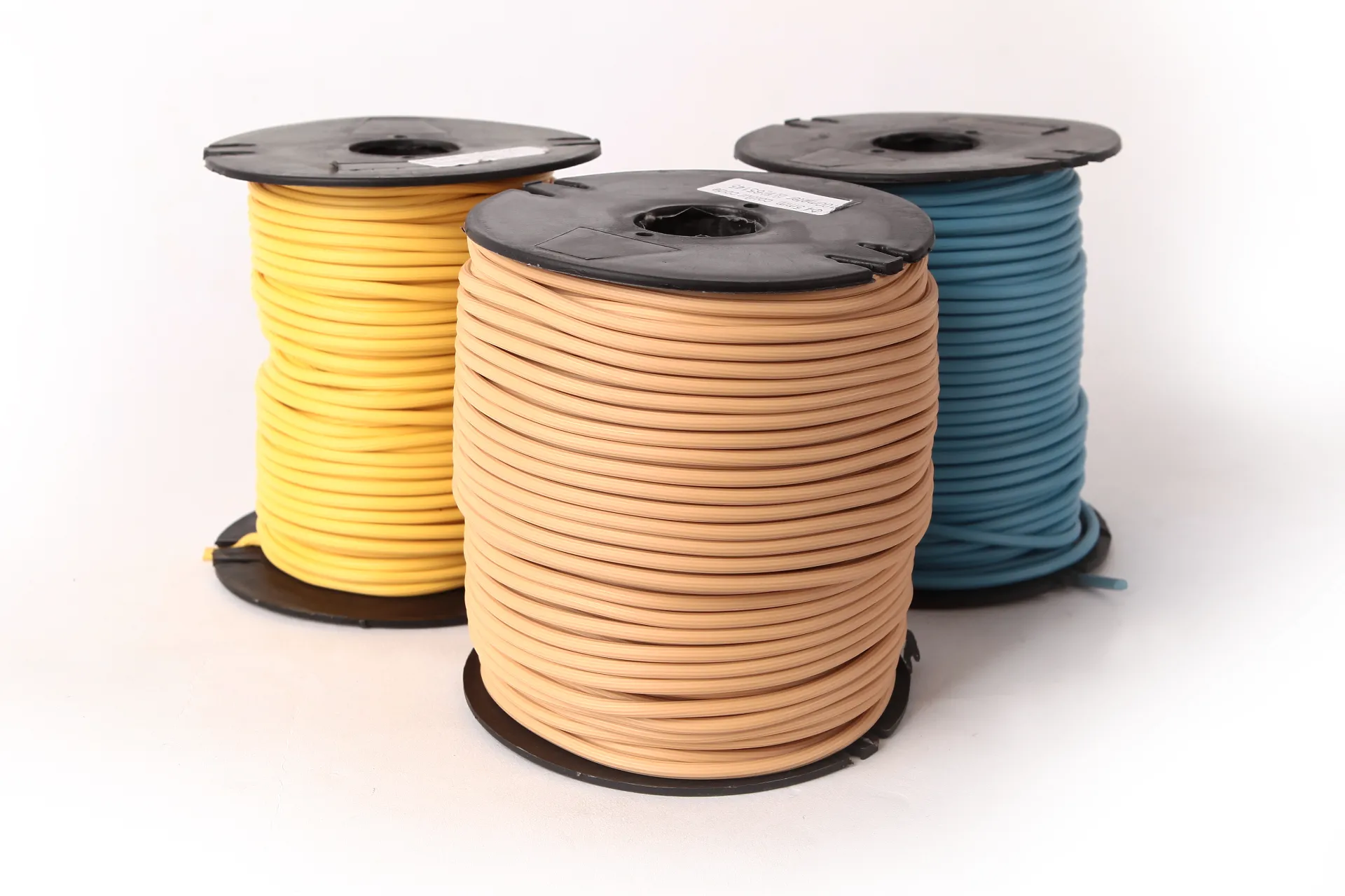
Simply put, a vinyl flooring welding rod is a plastic filler wire, commonly made from thermoplastic materials like PVC or plasticized polyvinyl chloride variants. During installation, this rod is melted into the seams of vinyl sheets using specialized heat welding equipment. The result is a watertight bond that hides the joint and strengthens the flooring’s resistance to wear and environmental factors.
It’s pretty fascinating — these rods work by softening under heat and fusing with the vinyl floor’s edges. In essence, the rod and floor merge into a uniform surface. Because vinyl isn’t naturally fused in production like tile or laminate, these rods have become essential for ensuring durability and hygiene — something crucial for hospitals or food processing factories.
Key Factors of Vinyl Flooring Welding Rods
- Durability: The rods contribute significantly to floor longevity in areas with heavy foot traffic or rolling loads.
- Waterproofing: Perfectly welded joints prevent infiltration of liquids that could damage the subfloor or foster mold growth.
- Compatibility: Different rods are designed for various vinyl flooring types (plasticized vs. non-plasticized), so choosing the right rod is essential.
- Ease of Use: Advances in rod composition and welding technology have streamlined installation, reducing labor time and error.
- Appearance: Welding rods are color-matched to flooring for seamless, near-invisible joints.
Think of these points as the foundation for understanding practical, long-term flooring integrity.
Product Specification Example
| Spec | Typical Value | Units | Notes |
|---|---|---|---|
| Material | Plasticized PVC | - | Most common type for commercial vinyl. |
| Diameter | 3.0 | mm | Standard size for easy melting. |
| Melting Temp. | 210 - 230 | °C | Optimal welding temperature range. |
| Tensile Strength | > 10 | MPa | Ensures seam strength. |
Global Applications of Vinyl Flooring Welding Rods
Vinyl flooring welding rods are everywhere — from hospital operating rooms in Europe, to schools in North America, to refugee shelters in Asia. Their ability to secure durable, hygienic floors makes them invaluable in:
- Healthcare facilities: Where cleanliness and moisture control are non-negotiable.
- Food processing plants: Floors must withstand regular washdowns and aggressive use.
- Commercial spaces: Offices, retail — where aesthetics meets performance.
- Disaster and temporary housing: Rapidly installed yet durable flooring options in challenging environments.
For example, in post-disaster relief operations, teams often rely on vinyl flooring seams welded with these rods — quick to install, easy to transport materials, and resilient in tough conditions. Unifying these seemingly mundane tools with broader humanitarian goals shows their silent but critical role.
Vendor Comparison
| Vendor | Material Quality | Color Match Options | Price Range | Lead Time |
|---|---|---|---|---|
| Enlio | High-grade Plasticized PVC | Wide spectrum (20+ colors) | $$ | 1-2 weeks |
| VinylTech | Standard PVC | Limited (5 colors) | $ | 2-3 weeks |
| ProWeld Solutions | Premium Polymer Blend | Custom color matching | $$$ | 3-5 days |
Advantages and Long-Term Benefits
There are tangible benefits to investing in quality vinyl flooring welding rods. From a cost perspective, properly welded floors last longer, reducing repair or replacement downtime. Think about the maintenance savings when moisture can’t seep through seams, preventing expensive substrate damage.
On the social and emotional levels, a safe, hygienic environment — whether in schools or hospitals — builds confidence and comfort for occupants. For construction professionals, welding rods offer predictable results, cutting down costly errors and rework.
Emerging Trends and Innovations
Interestingly, the vinyl flooring welding rod market isn’t sitting still. Innovations are focusing on greener materials, such as bio-based plasticizers and phthalate-free rods aligning with new environmental regulations. Automation in welding machines promises faster, more consistent seam sealing, fulfilling demands for high-volume projects. And strangely enough, digital color-matching systems help match rods to newer, trendy vinyl designs, ensuring that even aesthetic demands don’t get sacrificed for functionality.
Challenges and Expert Solutions
Still, the process isn’t entirely foolproof. Challenges include misaligned seams, overheating the rods which can cause brittle joints, or difficulties matching some rare vinyl formulations. Experienced installers emphasize training and the correct equipment settings as crucial solutions. Advanced welding tools now have temperature feedback control to minimize human error, and pretested welding rods tailored for specific vinyl brands further boost confidence.
FAQ: Common Questions About Vinyl Flooring Welding Rods
- Q: How do I choose the right welding rod for my vinyl floor?
A: Choose based on vinyl type (plasticized or non-plasticized), color match, and technical specs like melting point. Consulting with your vinyl supplier or vinyl flooring welding rod vendors can clarify the best options. - Q: Can welded vinyl flooring handle wet environments?
A: Absolutely. Properly welded seams prevent water infiltration, which is why these rods are standard in hospitals, kitchens, and labs. - Q: Are vinyl welding rods environmentally friendly?
A: Newer rods are increasingly made with eco-friendly plasticizers and comply with regulations to reduce hazardous substances. Check vendor certifications for peace of mind. - Q: How long does installation with welding rods typically take?
A: Once prepared, welding seams usually only take minutes per joint, but larger projects can vary depending on floor size and complexity. - Q: Can I import quality welding rods internationally?
A: Yes, most large suppliers offer global shipping, but consider customs, regulations, and lead times. Vendor partnerships often simplify this process.
Conclusion: Vinyl Flooring Welding Rods — Small Tools Driving Big Impact
In wrapping up, the humble vinyl flooring welding rod is a prime example of how small, specialized tools drive huge outcomes — improved durability, hygiene, safety, and sustainability across diverse industries worldwide. Whether you’re a flooring professional, architect, or facility manager, understanding your options here is key to long-term success.
For those interested in exploring the latest offerings and expert advice, I highly recommend visiting our website: https://www.enliofloor.com — your gateway to innovative vinyl solutions and quality welding rods.
Thanks for reading — I suppose it’s one of those topics you don’t think much about until you really need to!
Mini takeaway: Vinyl flooring welding rods are essential yet often overlooked components ensuring floor longevity, safety, and hygiene globally across sectors.
-
Ultimate Guide to Durable and Modern spc flooring greyApr.16,2026
-
Installing SPC Flooring on Concrete Professional Installation GuideApr.09,2026
-
Comprehensive Guide to Durable SPC Flooring for Commercial ApplicationsApr.07,2026
-
SPC Flooring Click Installation Benefits and Comprehensive GuideApr.04,2026
-
Comprehensive Guide to SPC Flooring Durability Style and InstallationMar.31,2026
-
Exploring the Diverse Types of SPC Flooring for Your Next ProjectMar.28,2026