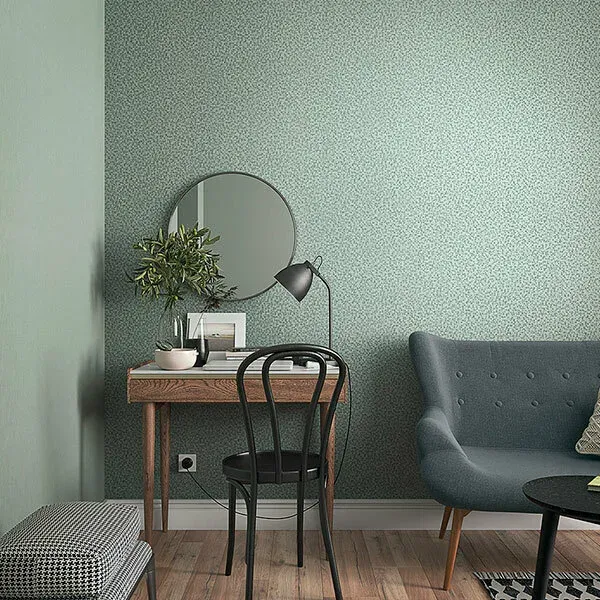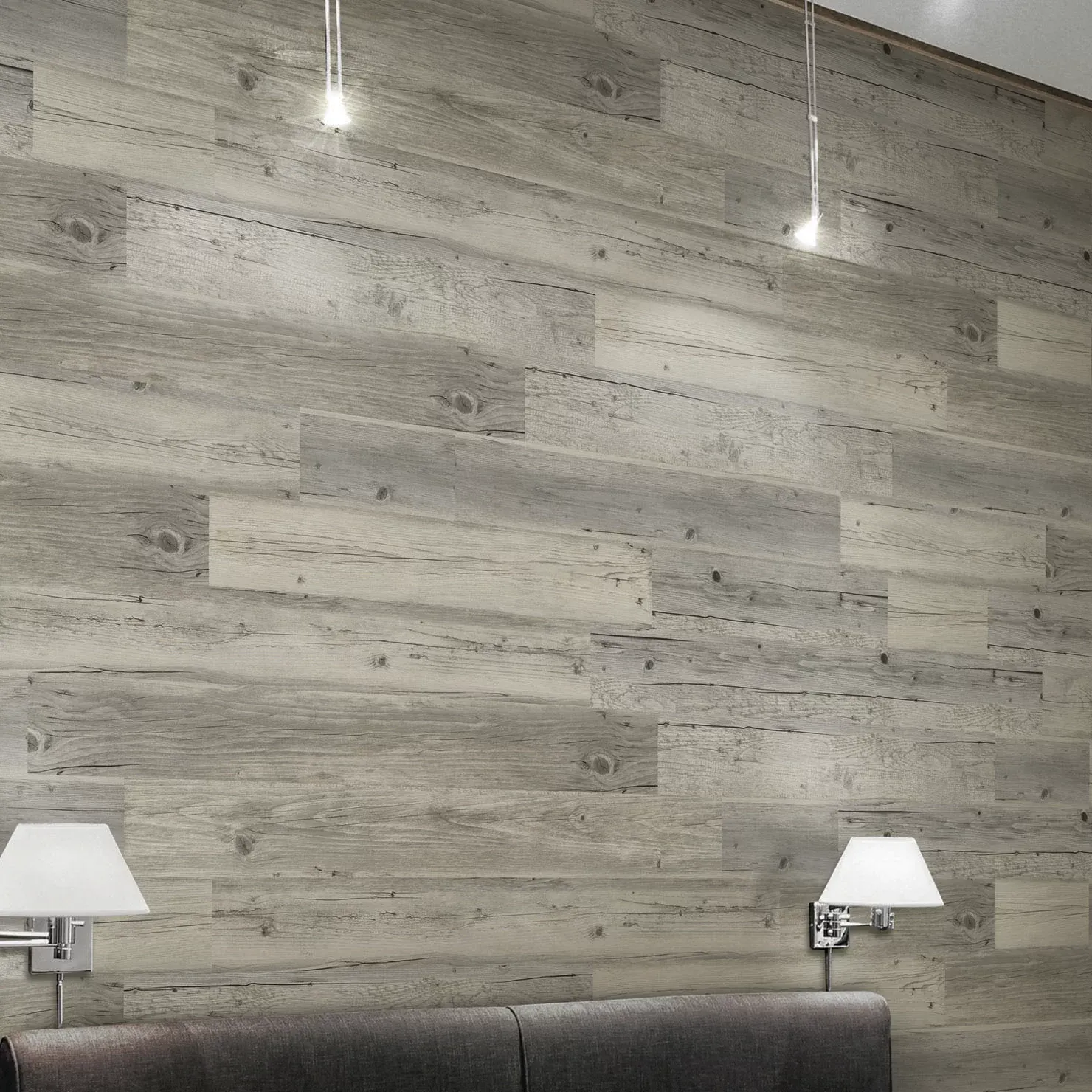

120mm PVC Skirting Board – Durable, Cost-Efficient Interior Finishing Solution
Understanding the 120mm PVC Skirting Board: Versatility Meets Durability
If you’re involved in interior design, construction, or even facility management, chances are you’ve come across the term 120mm PVC skirting board at some point. But why exactly is this seemingly simple building material making waves globally? Well, it’s not just about aesthetics—though, frankly, these boards do finish a room nicely—but also about durability, cost-effectiveness, and adaptability across a diverse set of industries worldwide. From residential buildings in Europe to humanitarian projects in developing countries, understanding the 120mm PVC skirting board can change how we think about wall-floor junctions and long-term maintenance.
In this article, we’ll unpack what a 120mm PVC skirting board is, why it matters globally, dive into its technical features, applications, and even explore upcoming innovations that might just reshape the market.
Global Relevance of the 120mm PVC Skirting Board
The world is urbanizing fast. According to the UN’s 2022 World Urbanization Prospects report, nearly 68% of the global population is expected to live in urban areas by 2050. That means more buildings, more infrastructure, and more need for reliable interior finishing solutions.[1] Skirting boards, especially the durable and versatile 120mm PVC variants, play a silent but important role in protecting walls, concealing wiring, and providing that clean finish in both public and private spaces.
Yet, beyond aesthetics, many construction projects endure challenges such as moisture damage, frequent maintenance costs, and environmental degradation. The 120mm PVC skirting board has stepped in as a favored response—particularly because it offers weather resistance, flexibility, and is often more affordable than traditional wood or MDF boards.
What Is a 120mm PVC Skirting Board?
Simply put, a 120mm PVC skirting board is a plastic (polyvinyl chloride) board that runs along the base of interior walls, with a height of approximately 120 millimeters. Its main tasks: protecting the wall from knocks and scuffs, hiding unsightly wiring or gaps, and contributing to the room’s look with a smooth finish.
Why PVC? This material is lightweight, water-resistant, and easy to clean. These properties make the 120mm PVC skirting board especially popular in spaces where moisture or hygiene is a concern, like hospitals or kitchens. Plus, PVC’s inherent flexibility allows it to fit corners and uneven wall surfaces better than rigid materials.
Key Factors: What Makes 120mm PVC Skirting Boards Tick?
Durability
The first thing engineers rave about is the resilience PVC provides. Unlike wooden skirting, it does not warp or rot when exposed to moisture. This quality extends the life of the skirting board beyond industry standards, sometimes lasting 10+ years without substantial wear.
Cost Efficiency
From a budget perspective, PVC skirting boards generally cost less upfront and demand fewer repairs over time—important for large-scale developments or budget-sensitive projects. Oddly enough, what looks like a premium finish can sometimes undercut more expensive materials when life-cycle costs are considered.
Eco-friendliness
While PVC has had a mixed environmental reputation, modern manufacturing often includes recycled materials and processes that reduce waste. Some products are even fully recyclable, contributing to circular economy initiatives promoted by ISO standards.[2]
Easy Installation & Maintenance
These boards are lightweight and cut easily without splintering. Installation speed improves with pre-mitred corners and adhesive backing options. What's more, routine cleaning requires little more than a damp cloth, making upkeep less time-consuming.
Design Flexibility
The 120mm height is ideal—not too small to be useless, and not overly large to dominate the wall. Manufacturers offer a rich palette of colors, finishes (matte, glossy, woodgrain imitation), and profiles to blend into various decors.
Product Specifications: Typical 120mm PVC Skirting Board
| Feature | Specification |
|---|---|
| Material | High-impact PVC (Polyvinyl Chloride) |
| Height | 120 mm |
| Length per board | 2.5 to 3 meters (varies by vendor) |
| Thickness | 12–15 mm |
| Color options | White, Grey, Woodgrain, Custom Colors |
| Fire rating | Class B1 (flame retardant) |
| Installation method | Adhesive or mechanical fixing |
Global Applications & Use Cases
Across continents, the 120mm PVC skirting board finds homes in varying sectors:
- Residential Buildings: Used extensively in apartments and homes for a neat, water-resistant finish—especially popular in humid climates.
- Commercial Spaces: Retail stores and offices favor PVC skirting for its ease of maintenance and ability to conceal cables discreetly.
- Healthcare Facilities: Hospitals utilize PVC due to its hygienic properties and resistance to cleaning chemicals.
- Education Institutions: Schools leverage its durability to withstand heavy footfall and abuse.
- Post-disaster Rehabilitation: NGOs working in emergency shelters use lightweight materials like PVC skirting to speed up installation and reduce transport costs.
For more technical infrastructure needs, some industrial zones in Southeast Asia and the Middle East have adopted 120mm PVC skirting boards for their ability to withstand challenging environmental conditions. This versatility is a solid reason why it features in both luxury urban projects and essential, large-scale humanitarian build-outs.
Vendor Comparison: Popular 120mm PVC Skirting Boards
| Vendor | Material Quality | Price Range (per meter) | Color Options | Warranty |
|---|---|---|---|---|
| Enlio Floor | High-impact PVC with UV resistance | $2.5 - $4.0 | Standard & Custom Colors | 5 Years |
| DuraTrim | Standard PVC | $1.8 - $3.0 | Limited Selection | 3 Years |
| Fineline Boards | Reinforced PVC blend | $3.0 - $4.5 | Wide range + Woodgrain styles | 7 Years |
Advantages & Long-term Value of 120mm PVC Skirting Boards
There’s something reassuring about knowing that your interior finishing material won’t start peeling or swelling after the first rainy season. That’s what many architects point out as a major advantage of 120mm PVC skirting. It’s about long-term reliability paired with reduced lifecycle costs.
But beyond the practical, there’s also the emotional side—installing a board that feels quality boosts occupant confidence and safety. It elevates the space, making it seem cared-for and well-maintained. In hospitals or schools, that’s not trivial; it’s part of the dignity and comfort we owe users of these spaces.
Future Trends & Innovations
The industry is looking greener. Advances in bio-based PVC and recycling tech are in the pipeline, aiming to lower environmental impact significantly. Plus, digital design integration means skirting boards can soon be custom printed or finished on demand, reducing waste.[2] Automation in manufacturing will also enable tighter tolerances and accessories that clip on seamlessly.
One neat innovation I noticed is “smart skirting” with embedded cable management and even sensor options—a subtle nod to smart buildings that track environmental data invisibly.
Challenges & Solutions
Despite the benefits, PVC skirting boards face criticism related to environmental concerns—primarily their fossil fuel origin and disposal issues. But manufacturers are addressing this with improved recycling programs and alternative formulations using recycled PVC and non-toxic additives.
Installation inconsistencies can also cause problems like gaps or poor adhesion. The solution? Better training, modular designs with click-fit systems, and advanced adhesives that can withstand humidity and temperature swings.
FAQ: Frequently Asked Questions About 120mm PVC Skirting Boards
- Q: How does a 120mm PVC skirting board compare to traditional wooden skirting in moisture-prone areas?
- A: PVC skirting boards outperform wood in moisture resistance by not warping, rotting, or supporting mold growth. Wood needs treatments and regular maintenance, making PVC more practical in damp climates.
- Q: Can 120mm PVC skirting boards be painted if the color doesn’t match?
- A: Yes, they can be painted, but using a paint suitable for PVC or plastic surfaces is essential for good adhesion and durability. Many installers prefer to order custom colors upfront to avoid this step.
- Q: What is the typical lifespan of a 120mm PVC skirting board?
- A: When properly installed and maintained, you can expect 10 to 15 years of reliable service, sometimes longer in low-impact environments.
- Q: Are 120mm PVC skirting boards eco-friendly?
- A: Modern PVC boards increasingly incorporate recycled materials and adhere to strict environmental standards, making them better choices than before. However, they still rely on petrochemical sources.
- Q: How quickly can these skirting boards be installed on a typical 3-bedroom home?
- A: Professional teams can usually complete installation within one day, sometimes less, thanks to the board’s lightweight and flexible nature.
Conclusion
To wrap up, the 120mm PVC skirting board offers a harmonious blend of practicality, cost-effectiveness, and design flexibility that meets the evolving demands of global construction and renovation projects. If you’re looking to upgrade your interiors with a smart, long-lasting finish that helps protect your walls and brighten your rooms, these boards deserve serious consideration.
Explore more about 120mm PVC skirting board options and their uses by visiting our site: 120mm pvc skirting board.
In real terms, this simple element supports the bigger picture: enhancing building longevity, occupant comfort, and sustainability. These are goals worth investing in.
Just a subtle reminder: For specific project requirements or advanced customization, always consult with manufacturers or certified installers.
Quick takeaway: A smart skirting solution feels small but makes a lasting difference in durability and aesthetics.
-
Ultimate Guide to Durable and Modern spc flooring greyApr.16,2026
-
Installing SPC Flooring on Concrete Professional Installation GuideApr.09,2026
-
Comprehensive Guide to Durable SPC Flooring for Commercial ApplicationsApr.07,2026
-
SPC Flooring Click Installation Benefits and Comprehensive GuideApr.04,2026
-
Comprehensive Guide to SPC Flooring Durability Style and InstallationMar.31,2026
-
Exploring the Diverse Types of SPC Flooring for Your Next ProjectMar.28,2026