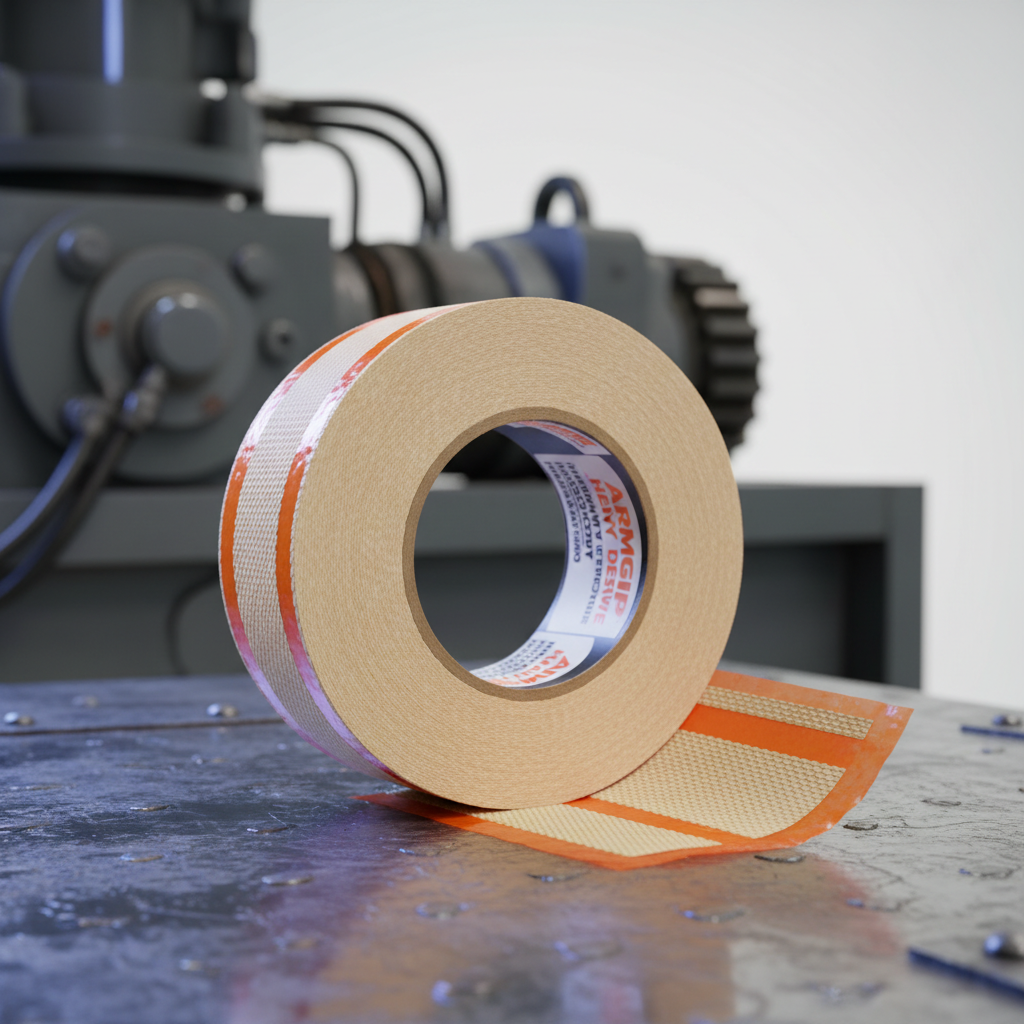
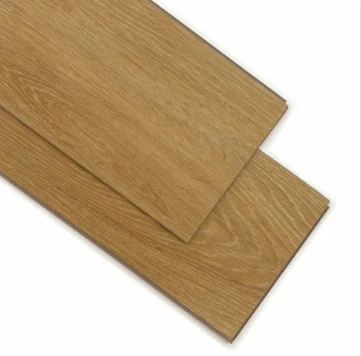
Flooring accessories manufacturers play a critical, often unseen, role in the global construction and interior design industries. These manufacturers aren’t just producing small components; they’re enabling the installation, maintenance, and longevity of flooring systems across diverse applications – from residential homes to large-scale commercial projects and even specialized industrial environments. The demand for high-quality flooring accessories is consistently increasing, driven by factors like new construction, renovation activities, and a growing emphasis on aesthetic appeal and performance.
Globally, the flooring accessories market is experiencing substantial growth, estimated to reach billions of dollars in the coming years. This is fueled by factors such as the increasing demand for aesthetically pleasing and durable flooring solutions, coupled with a rising awareness of the importance of proper flooring installation and maintenance. The ISO standards related to flooring materials and accessories are increasingly important in ensuring quality and consistency across international markets, with manufacturers adapting to meet stringent requirements.
Understanding the nuances of flooring accessories manufacturing is crucial for architects, contractors, interior designers, and end-users alike. Choosing the right accessories can significantly impact the lifespan, safety, and overall performance of a flooring installation. Furthermore, innovations in materials and manufacturing processes are constantly emerging, offering new opportunities for improved functionality, sustainability, and cost-effectiveness. Reliable suppliers, like flooring accessories manufacturers, are key partners in successful projects.
The Importance of Flooring Accessories Manufacturers
Flooring accessories manufacturers are the backbone of a successful flooring installation. They produce the essential components – such as transitions, moldings, underlayments, adhesives, and fasteners – that ensure a durable, aesthetically pleasing, and safe floor. Without these often-overlooked elements, even the highest-quality flooring material will fail to perform optimally.
The impact of choosing a reputable flooring accessories manufacturer extends far beyond the initial installation. High-quality accessories contribute to reduced maintenance costs, extended flooring lifespan, and improved indoor air quality. Manufacturers dedicated to innovation are continually developing new products that address emerging industry challenges and meet evolving consumer demands.
Defining Flooring Accessories Manufacturing
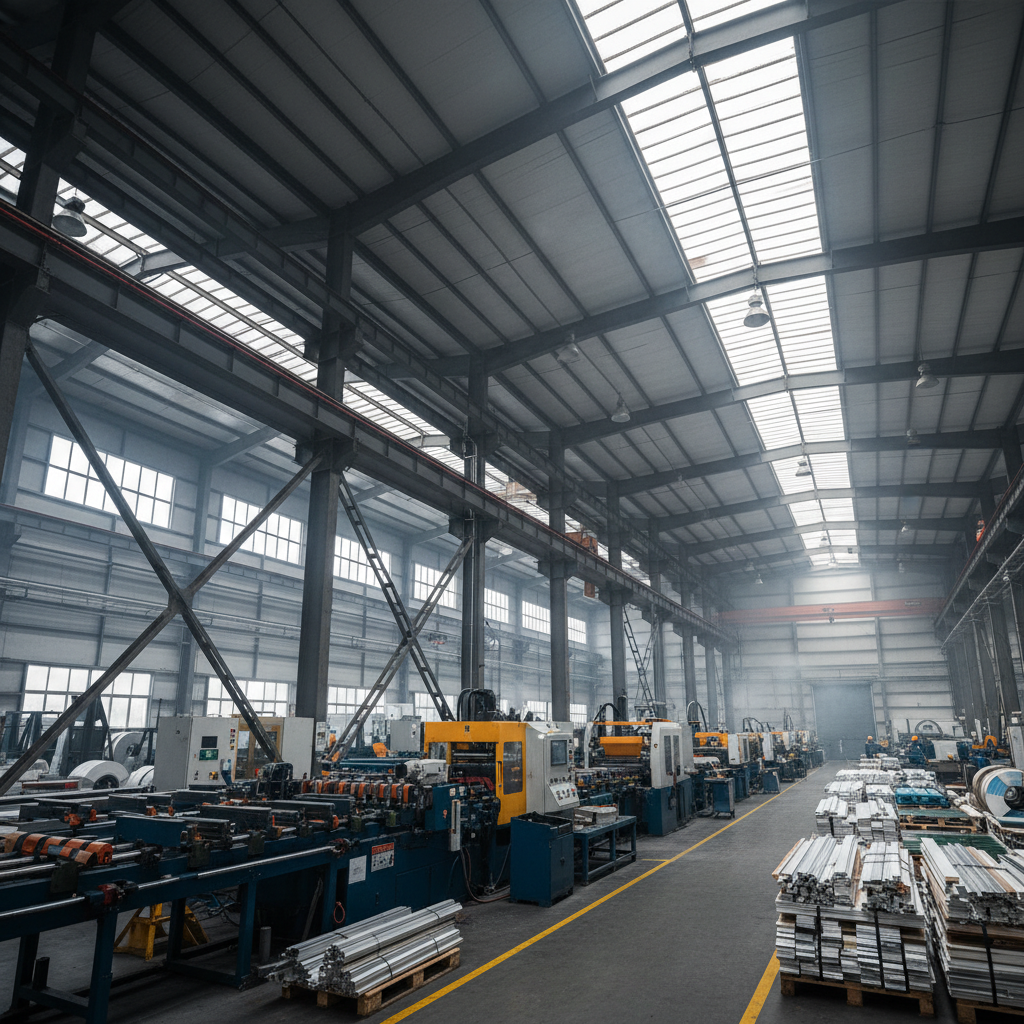
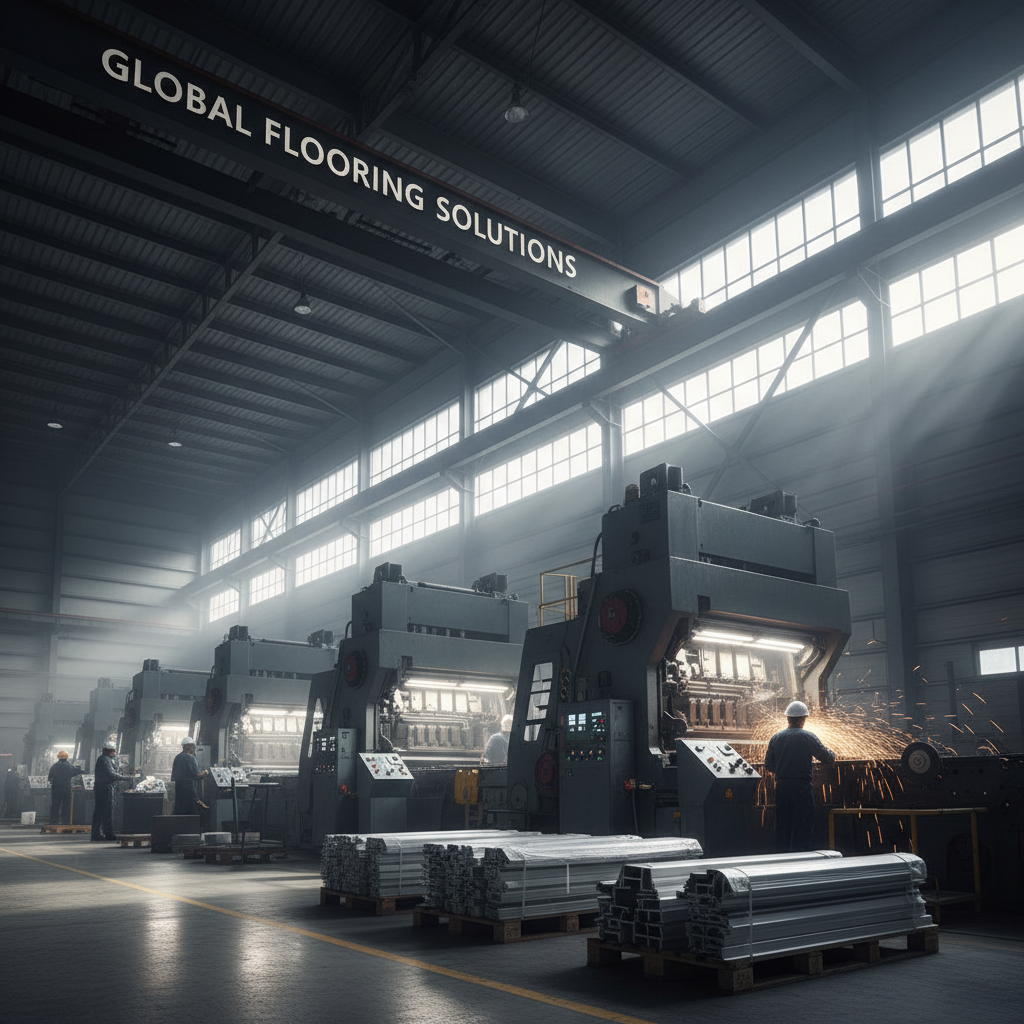
Flooring accessories manufacturing encompasses the design, production, and distribution of components used in conjunction with flooring materials. This industry is incredibly diverse, ranging from large-scale production facilities that supply national retailers to smaller, specialized manufacturers catering to niche markets. The manufacturing process often involves a combination of materials science, engineering, and precision fabrication techniques.
The scope of flooring accessories is broad. It includes items like stair treads and risers, quarter round molding, T-moldings, reducers, end caps, sealant, underlayment foam, self-leveling compounds, and specialized adhesives. Each component plays a vital role in ensuring a seamless and long-lasting flooring installation.
This sector’s connection to modern industry and humanitarian needs is direct. Beyond aesthetic and functional improvements in buildings, advanced flooring accessory materials contribute to safety (e.g., slip-resistant transitions), hygiene (e.g., anti-microbial underlayments), and even energy efficiency (e.g., thermal underlayments). Companies like flooring accessories manufacturers are driving innovation in this space.
Key Factors in Flooring Accessories Manufacturing
Durability: The longevity and resilience of flooring accessories are paramount. Manufacturers must utilize materials and processes that can withstand heavy foot traffic, temperature fluctuations, and exposure to moisture. High-quality materials, robust construction techniques, and rigorous quality control are essential.
Material Selection: The choice of materials – including PVC, rubber, wood, metal, and composites – significantly impacts performance, cost, and environmental impact. Manufacturers are increasingly focusing on sustainable materials and eco-friendly production processes.
Precision and Compatibility: Flooring accessories must be precisely manufactured to ensure a seamless fit with various flooring materials and installation systems. Compatibility is crucial for achieving a professional finish and preventing issues such as uneven surfaces or gaps.
Global Applications and Use Cases
Flooring accessories are essential across a vast range of applications, including residential construction, commercial buildings (offices, retail spaces, healthcare facilities), industrial facilities, and educational institutions. The specific accessories required will vary depending on the type of flooring, the intended use of the space, and local building codes.
In post-disaster relief operations, durable and easy-to-install flooring accessories are vital for creating safe and habitable temporary shelters. In remote industrial zones, rugged and corrosion-resistant accessories are needed to withstand harsh conditions. Similarly, the hospitality industry relies heavily on aesthetically pleasing and durable accessories to create welcoming and long-lasting spaces.
Regions with high construction activity, such as Asia-Pacific and North America, represent significant markets for flooring accessories manufacturers. Europe, with its emphasis on sustainable building practices, is driving demand for eco-friendly accessory options. flooring accessories manufacturers often export globally to meet these varying demands.
Flooring Accessories Manufacturers - Performance Comparison
Advantages and Long-Term Value
Investing in high-quality flooring accessories provides numerous tangible benefits. Cost savings are realized through reduced maintenance, longer flooring lifespan, and minimized replacement costs. Sustainable materials and manufacturing processes contribute to environmental responsibility.
From an emotional standpoint, well-chosen accessories enhance the aesthetic appeal and comfort of a space, creating a positive experience for occupants. Logically, reliable accessories improve safety by minimizing slip and trip hazards and ensuring structural integrity. Manufacturers focused on innovation build trust with customers by consistently delivering superior products.
Future Trends and Innovations
The flooring accessories industry is undergoing rapid transformation, driven by emerging technologies and changing consumer preferences. Expect to see increased adoption of smart accessories with integrated sensors for monitoring floor conditions (e.g., moisture levels, temperature).
Furthermore, advancements in material science are leading to the development of more durable, sustainable, and customizable accessory options. Digital transformation, including the use of 3D printing and automated manufacturing processes, will enable faster prototyping and personalized production. flooring accessories manufacturers are at the forefront of adopting these innovations.
Challenges and Solutions for Manufacturers
Flooring accessories manufacturers face several key challenges, including fluctuating raw material costs, increasing competition, and the need to meet stringent environmental regulations. Maintaining consistent product quality and adapting to evolving customer demands also require ongoing investment and innovation.
To overcome these challenges, manufacturers are focusing on streamlining their supply chains, investing in automation technologies, and developing sustainable materials and manufacturing processes. Collaboration with research institutions and industry partners can accelerate innovation and address emerging market needs.
Adopting a proactive approach to sustainability, focusing on circular economy principles (reducing waste, reusing materials), and obtaining relevant certifications (e.g., LEED) can enhance a manufacturer's reputation and attract environmentally conscious customers.
Summary of Key Challenges and Solutions for Flooring Accessories Manufacturers
| Challenge |
Impact Area |
Potential Solution |
Implementation Difficulty (1-5, 5=High) |
| Raw Material Price Volatility |
Profit Margins |
Diversify Supplier Base, Long-Term Contracts |
3 |
| Increasing Competition |
Market Share |
Product Differentiation, Niche Market Focus |
4 |
| Environmental Regulations |
Compliance Costs |
Sustainable Materials, Waste Reduction |
3 |
| Quality Control Issues |
Customer Satisfaction |
Automated Inspection Systems, Robust Testing |
4 |
| Adapting to Customer Needs |
Product Relevance |
Market Research, Agile Development |
2 |
| Supply Chain Disruptions |
Production Delays |
Resilient Supply Chain, Local Sourcing |
4 |
FAQS
High-end flooring accessories often utilize materials like solid brass, stainless steel, high-density PVC, and sustainably sourced hardwoods. These materials are selected for their durability, aesthetic appeal, and resistance to wear and tear. Advanced composites are also becoming increasingly popular, offering a combination of strength, lightweight properties, and design flexibility. flooring accessories manufacturers frequently specialize in specific material types.
Sustainability is increasingly vital. Consumers are demanding eco-friendly products, and manufacturers are responding by utilizing recycled materials, reducing waste, and adopting energy-efficient production processes. Certifications like LEED and FloorScore demonstrate a commitment to sustainability. Using sustainable materials reduces the carbon footprint and contributes to a healthier indoor environment.
The lead time for custom orders varies depending on the complexity of the design, the quantity required, and the manufacturer's production schedule. Generally, you can expect a lead time of 4-8 weeks for custom orders. It is essential to communicate your requirements clearly and allow sufficient time for design, prototyping, and production.
Reputable manufacturers implement rigorous quality control measures throughout the entire production process. These include raw material inspection, in-process monitoring, final product testing, and adherence to industry standards (e.g., ISO 9001). Automated inspection systems and statistical process control are also commonly used to ensure consistent product quality.
Always consult with the flooring manufacturer or a qualified flooring installer to ensure compatibility. Consider the type of flooring material (e.g., hardwood, laminate, tile), its thickness, and any specific installation requirements. Choosing accessories specifically designed for your flooring material will help prevent issues like uneven surfaces or damage.
Warranty periods vary depending on the manufacturer and the type of accessory. Generally, warranties range from 1 to 5 years, covering defects in materials and workmanship. Some manufacturers offer limited lifetime warranties on certain products. Always review the warranty terms and conditions carefully before purchasing.
Conclusion
In conclusion, flooring accessories manufacturers are critical enablers of durable, safe, and aesthetically pleasing flooring installations. Their contributions extend far beyond simply providing small components; they are driving innovation in materials, manufacturing processes, and sustainable practices. Understanding the importance of quality accessories and selecting reputable manufacturers like flooring accessories manufacturers is essential for achieving long-term value.
Looking ahead, the industry will continue to evolve with the adoption of new technologies and a growing emphasis on sustainability. Collaboration between manufacturers, architects, and installers will be crucial for addressing emerging challenges and delivering exceptional flooring solutions. Investing in high-quality flooring accessories is an investment in the longevity and overall performance of any flooring project.