
PVC Flexible Skirting: Durable, Cost-Efficient, and Versatile Wall Base Solutions
Understanding PVC Flexible Skirting: The Unsung Hero of Modern Interiors
PVC flexible skirting is one of those understated products you might walk past every day without a second thought, yet its impact on construction and interior design is surprisingly broad. Globally, the demand for adaptable, durable, and cost-effective perimeter solutions has skyrocketed as industries and homeowners seek better finishes that marry form with function. This flexible edging solution not only elevates aesthetic appeal but also addresses practical challenges related to wall-floor junctions.
Why does PVC flexible skirting matter on a global scale? Well, in an era where climate resilience and sustainability are increasingly critical, materials like PVC, when used thoughtfully, offer maintenance ease, long-term durability, and moisture resistance. These attributes reduce waste and improve building longevity, aligning with ISO's sustainable construction standards (ISO 14001).
Intro: A Global Perspective on PVC Flexible Skirting
Globally, the construction and renovation markets are booming with a steadily increasing shift toward flexible, modular, and sustainable components. According to the World Bank, urban population growth demands quicker and more resilient building solutions, putting products like PVC flexible skirting into the spotlight. Traditional rigid skirtings, often made of wood or ceramic, crack or detach in fluctuating temperatures or high-humidity environments, especially in tropical or coastal regions.
The problem? Cracked or damaged skirting isn't just an aesthetic issue; it allows dirt intrusion, pest infestation, and moisture damage, which can undermine structural health. PVC flexible skirting serves as an excellent remedy by adapting to wall irregularities and absorbing slight movements.
What Exactly is PVC Flexible Skirting?
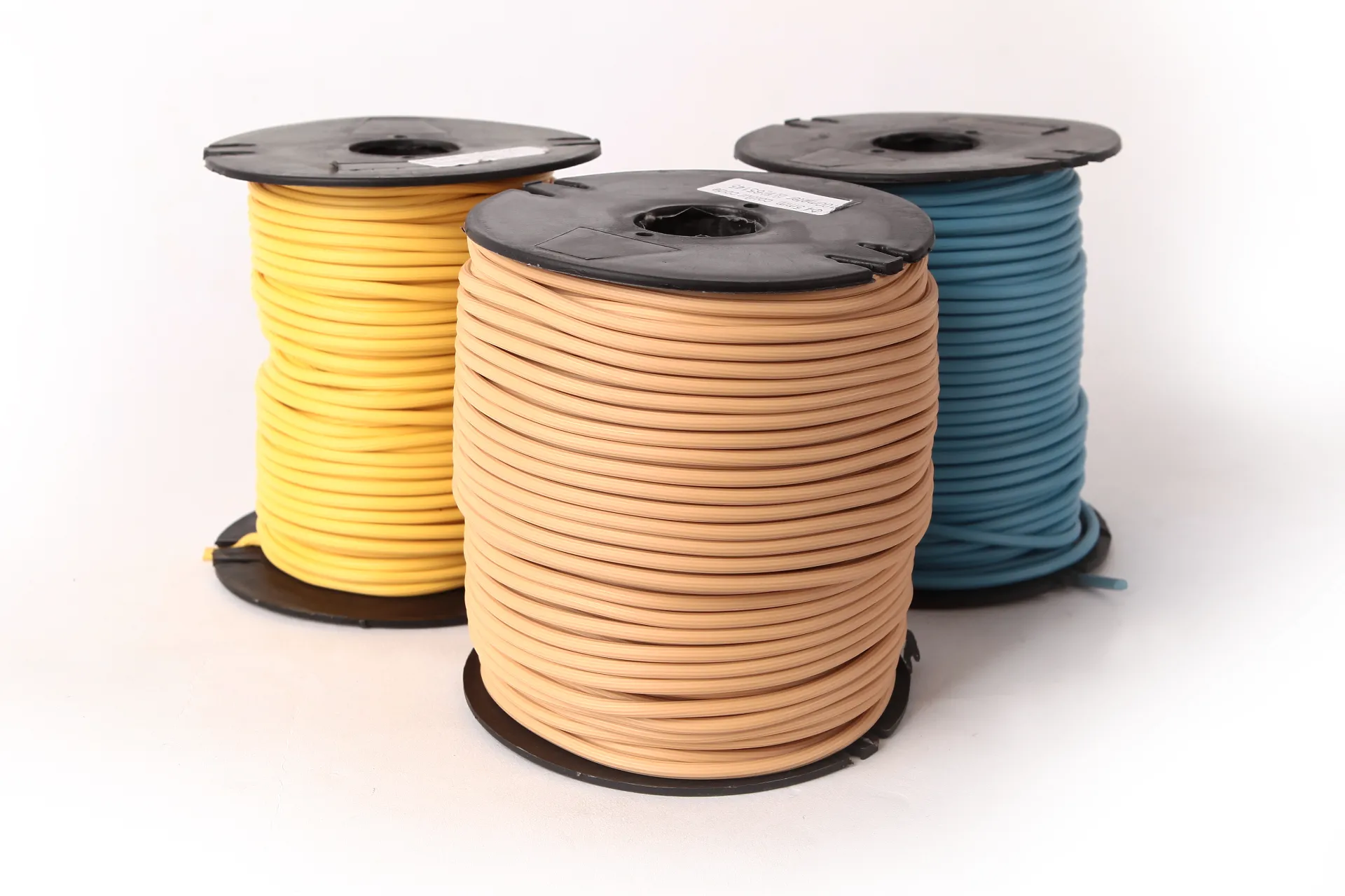
Simply put, PVC flexible skirting is a pliable plastic molding installed at the junction where walls meet floors. Made primarily from polyvinyl chloride (PVC), it offers a protective, easy-to-clean barrier that conceals gaps, hides wiring, and prevents damage to walls from foot traffic or cleaning equipment. Unlike rigid alternatives, its flexibility means it can curve around corners or adjust to uneven surfaces, making it popular in modern modular construction, healthcare facilities, and commercial interiors.
In humanitarian contexts, where temporary shelters or rapidly constructed buildings need durable yet cost-effective finishing touches, pvc flexible skirting often plays an unseen but crucial role in maintaining hygiene and structural integrity under stress.
Key Features of PVC Flexible Skirting
1. Durability & Moisture Resistance
PVC's resistance to water, chemicals, and impact means these skirtings last longer in wet or industrial environments. In hospitals, schools, and food-processing plants, this makes them indispensable.
2. Flexibility & Ease of Installation
The “flexible” part matters a lot. Its ability to bend without breaking accommodates curved walls or uneven flooring, greatly reducing installation time and cost compared to rigid skirtings.
3. Cost Efficiency
Compared to wood or metal bases, PVC flexible skirting is usually less expensive upfront and has lower maintenance costs. It doesn't require painting and cleans easily with mild detergents.
4. Aesthetic Versatility
Available in various colors, textures, and heights, these skirtings can match modern décor, commercial branding, or industrial cleanliness standards effortlessly.
5. Environmental Considerations
Though made from plastic, advancements in PVC recycling and greener manufacturing processes mean newer products typically have a smaller environmental footprint than before.
Product Specifications at a Glance
| Specification | Typical Range | Notes |
|---|---|---|
| Material | Flexible PVC | FDA approved for some food applications |
| Height | 60mm to 120mm | Varies per manufacturer |
| Length per roll | 10m to 25m | Custom lengths available |
| Color options | Standard white, black, wood grain, custom colors | UV resistant variants for outdoor use |
| Installation type | Adhesive-backed, nailed, or snap-fitted | Depends on substrate and application |
Global Use Cases: Where PVC Flexible Skirting Shines
Interestingly, pvc flexible skirting is not just popular in residential or commercial buildings. Its reach extends to regions susceptible to natural disasters, where quicker maintenance and durable finishes help in disaster resilience. For instance, NGOs building modular clinics in flood-prone zones in Southeast Asia often choose durable PVC skirtings because they withstand moisture and are easy to replace.
In industrial zones in Europe and North America, where floors undergo heavy cleaning regimes or where hygiene is paramount, PVC skirting is preferred over wood for its resilience against rigorous cleaning chemicals.
Healthcare environments in particular – from hospitals in urban centers to remote clinics – benefit hugely. The skirting protects walls from damage caused by wheelchairs, trolleys, or cleaning carts, maintaining a clean and sanitary environment.
Vendor Comparison: PVC Flexible Skirting Providers
| Vendor | Material Quality | Customization | Price Range | Typical Lead Time |
|---|---|---|---|---|
| EnlioFloor | High-grade, eco-certified PVC | Custom colors and sizes | $$$ (Mid-range) | 2-3 weeks |
| GlobalSkirting Co. | Standard PVC | Limited colors | $ (Budget) | 1 week |
| FlexiEdge Solutions | Recycled PVC blend | Wide customization | $$ (Mid-low) | 3-4 weeks |
Advantages & Long-Term Value of PVC Flexible Skirting
Let’s face it: PVC flexible skirting offers some straightforward benefits that make it a favorite in many circles. For one thing, it’s highly cost-effective — both in initial purchase and over the long haul, thanks to low repairs and cleaning requirements.
On a sustainability front, while plastics often get a bad rap, the durability they provide means buildings don't need frequent replacements of trims and edges, which can otherwise generate a lot of construction waste. Plus, some manufacturers now prioritize recyclable materials and reduced-VOC production methods.
Emotionally, these skirtings contribute to safety and dignity: no sharp edges, no crumbling baseboards, which means less risk of injury and a more polished, cared-for environment. That counts a lot in public spaces like schools or healthcare institutions.
Emerging Trends & Innovations
Looking ahead, I noticed a rising trend toward integrating antimicrobial additives in PVC flexible skirting, which is a big deal in infection control settings. Plus, digital fabrication techniques like CNC cutting allow for even more intricate designs and exact fits — cutting down waste and installation times.
Meanwhile, sustainability drives innovations in bio-based PVC alternatives, though these are still niche. Regulations under ISO and ASTM standards are increasingly pushing for greener building products, and suppliers are responding accordingly.
Challenges & Solutions
It’s not all perfect. A common challenge with PVC flexible skirting is its environmental footprint if not properly recycled. Also, in extremely hot environments, lower-quality PVCs can warp or discolor over time. Thankfully, opting for UV-stabilized grades and recycled content variants can mitigate these problems.
Installation mistakes, like inadequate subfloor preparation, often cause failures more than the product itself, which underscores the importance of proper training and quality assurance.
FAQ: Practical Questions About PVC Flexible Skirting
- Q: How long does PVC flexible skirting last in humid climates?
A: Typically, high-quality PVC flexible skirting can last over 15 years in humid environments when correctly installed and maintained. Its moisture resistance helps prevent swelling or warping common with wooden skirting. - Q: Can I install flexible skirting myself, or do I need professionals?
A: Many DIY enthusiasts find PVC flexible skirting straightforward to install due to its flexibility and adhesive backing options. However, for best results, especially on uneven surfaces, professional installation is recommended. - Q: Is PVC flexible skirting recyclable?
A: Yes, PVC is recyclable, but recycling facilities vary by region. Seeking suppliers who use recycled content and can offer take-back programs helps close the loop on environmental impact. - Q: Can PVC flexible skirting be used outdoors?
A: Some UV-resistant PVC flexible skirtings are designed for outdoor use, but typical indoor grades may degrade when exposed to direct sunlight long-term. - Q: Are there color matching services available?
A: Yes, many vendors, including pvc flexible skirting specialists, provide custom colors and textures to blend seamlessly with existing interiors.
Conclusion: Why PVC Flexible Skirting is Worth Considering
All in all, PVC flexible skirting packs a surprising punch for something so simple. It helps streamline installations, withstands tough conditions, and supports sustainability goals while delivering tidy, attractive finishes. Whether you’re renovating a home, outfitting a hospital, or building modular facilities in challenging environments, this product offers practical solutions that pay off over time.
If you want to explore quality flexible skirting options, look no further than pvc flexible skirting specialists who understand your needs. Take a closer look and feel the difference yourself.
Mini takeaway: PVC flexible skirting isn’t just trim — it’s an investment in durability, hygiene, and design harmony.
References:
1. ISO 14001 Environmental Management – International Organization for Standardization
2. World Bank Urban Development Statistics
3. PVC Recycling Association – Environmental Guidelines
-
Ultimate Guide to Durable and Modern spc flooring greyApr.16,2026
-
Installing SPC Flooring on Concrete Professional Installation GuideApr.09,2026
-
Comprehensive Guide to Durable SPC Flooring for Commercial ApplicationsApr.07,2026
-
SPC Flooring Click Installation Benefits and Comprehensive GuideApr.04,2026
-
Comprehensive Guide to SPC Flooring Durability Style and InstallationMar.31,2026
-
Exploring the Diverse Types of SPC Flooring for Your Next ProjectMar.28,2026