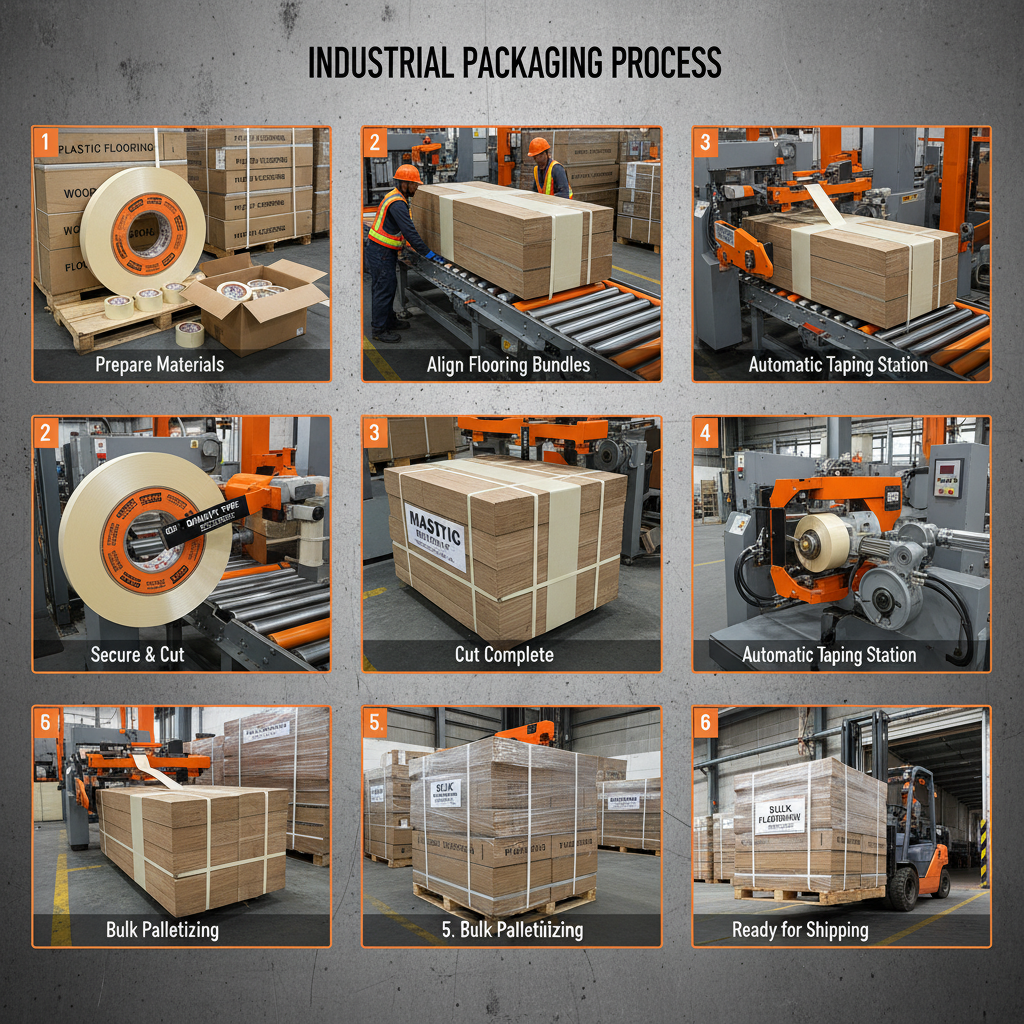
Let me tell you, after years spent knee-deep in dust and concrete, the little things make all the difference. We’re talking about keeping a jobsite clean, protecting surfaces during multi-trade work, and honestly, just saving time and headaches. That's where good flexible masking tape comes in. It's not glamorous, but without reliable masking, things quickly fall apart – literally. From protecting freshly painted trim to creating clean lines for stucco, it’s a constant need. We’ve moved past the days of just relying on basic painter's tape; projects demand something tougher, cleaner, and more adaptable.
The problem I constantly see is guys skimping on tape, using something inadequate, and then spending more time scraping off residue, redoing work, or dealing with bleed-through. It seems counterintuitive, right? Spending a little extra upfront for quality flexible masking tape saves massive amounts of time and rework down the line. And time, as we all know, is money on any jobsite.
Frankly, I’ve seen entire schedules thrown off because someone didn’t think masking through properly. It's not just about aesthetics either. Clean lines and protected surfaces contribute directly to quality control and client satisfaction. Choosing the right masking tape is fundamental to a professional finish.
What Makes Flexible Masking Tape Essential?
Look, I’ve seen tapes that curl, tear, or leave a gummy residue that’s a nightmare to remove. That’s wasted time, wasted money, and a compromised finish. A good flexible masking tape conforms to irregular surfaces, provides a crisp line, and peels off cleanly – every time. It’s about preventing headaches, not creating them.
We’re dealing with everything from concrete formwork to delicate trim work, and a single type of tape just doesn't cut it anymore. We need options, and we need them to perform consistently. That’s why the ‘flexible’ aspect is so crucial – it adapts to the job, not the other way around.
Understanding the Core Properties
The performance of flexible masking tape comes down to a few key factors. First, the adhesive. You need something strong enough to stay put during application and throughout the process, but not so aggressive that it damages the underlying surface upon removal. Then there's the backing material – crepe paper is standard, but different weights and coatings impact conformability and resistance to moisture. Finally, the coating itself plays a role in residue and clean removal.
A quality tape will strike a balance between these properties. It’ll adhere well, conform to curves and angles, and leave a clean edge. Cheap tape will compromise on one or more of these areas, leading to frustration and rework. Don’t underestimate the impact of temperature and humidity, either. A tape that performs perfectly in a climate-controlled shop might struggle in direct sunlight or high humidity.
I've seen crews struggle with tapes that just won't stick in the cold or become brittle and tear easily. It’s all about understanding your environment and choosing a tape that's designed to handle those conditions.
Defining Flexible Masking Tape: A Construction Pro’s View
From where I stand, flexible masking tape isn’t just a product; it's a tool that directly impacts efficiency and quality. It's the difference between a professional finish and a sloppy one. It needs to be able to bend and conform to complex shapes and irregular surfaces without lifting or tearing. This is especially critical when working with intricate designs or on uneven substrates.
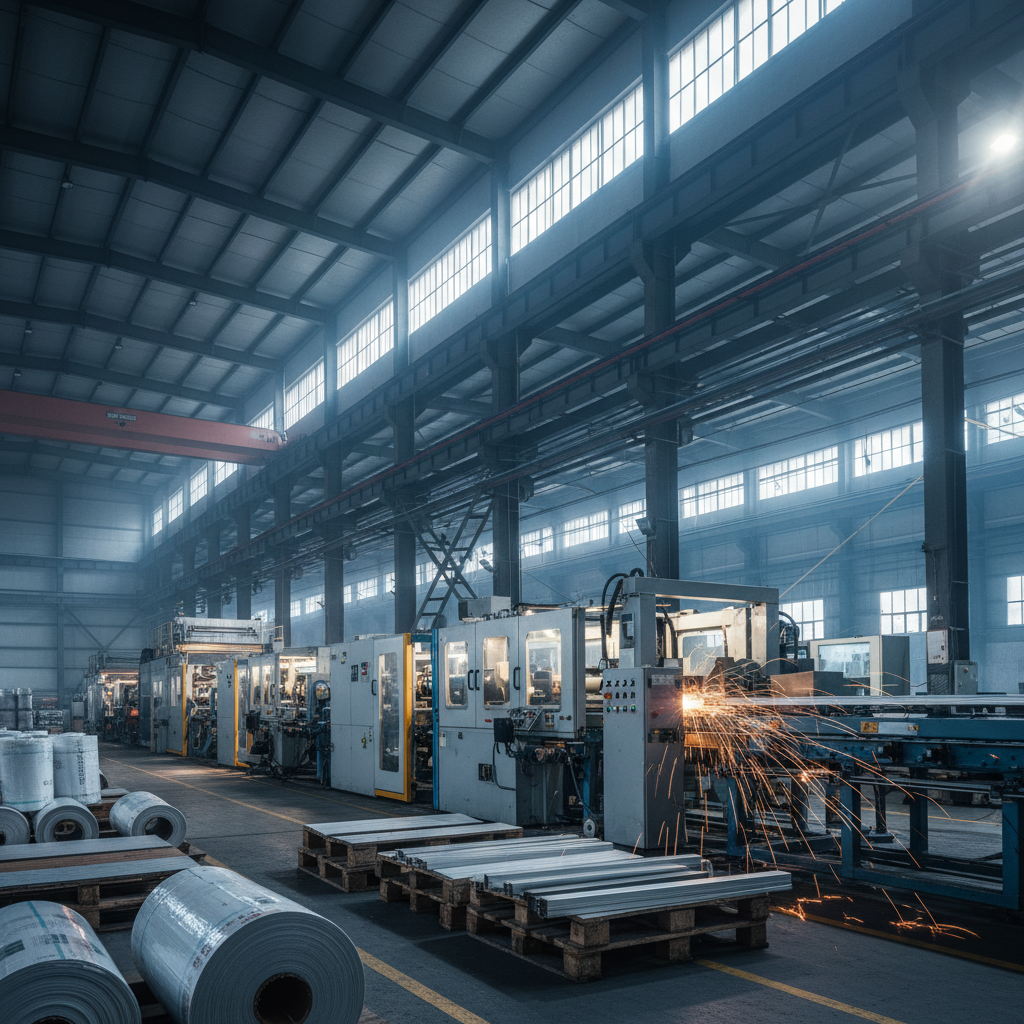
I've found that the best tapes utilize a crepe paper backing and a rubber-based adhesive. This combination offers a sweet spot of adhesion, flexibility, and clean removal. But it's not just about the materials; it's about the manufacturing process. Consistent coating and precise slitting are crucial for ensuring uniform performance across the entire roll. You don’t want a tape that starts strong and weakens halfway through.
Ultimately, flexible masking tape is a means to an end – a clean, professional finish. It's about minimizing downtime, reducing rework, and ensuring client satisfaction. And, believe me, a happy client is worth its weight in gold.
Key Characteristics for Jobsite Performance
Let’s break down what really matters on the jobsite. First, Adhesion Strength. It needs to hold firm against pressure and various environmental factors. Second, Conformability – the tape must mold to contours without cracking or lifting. Third, Temperature Resistance – crucial for outdoor projects in varying climates. Fourth, Residue Level. Minimal residue equals less cleanup and happier painters.
Here’s a quick breakdown of performance ratings (1-10, 10 being best):
Flexible Masking Tape Performance Ratings
Real-World Applications Across Industries
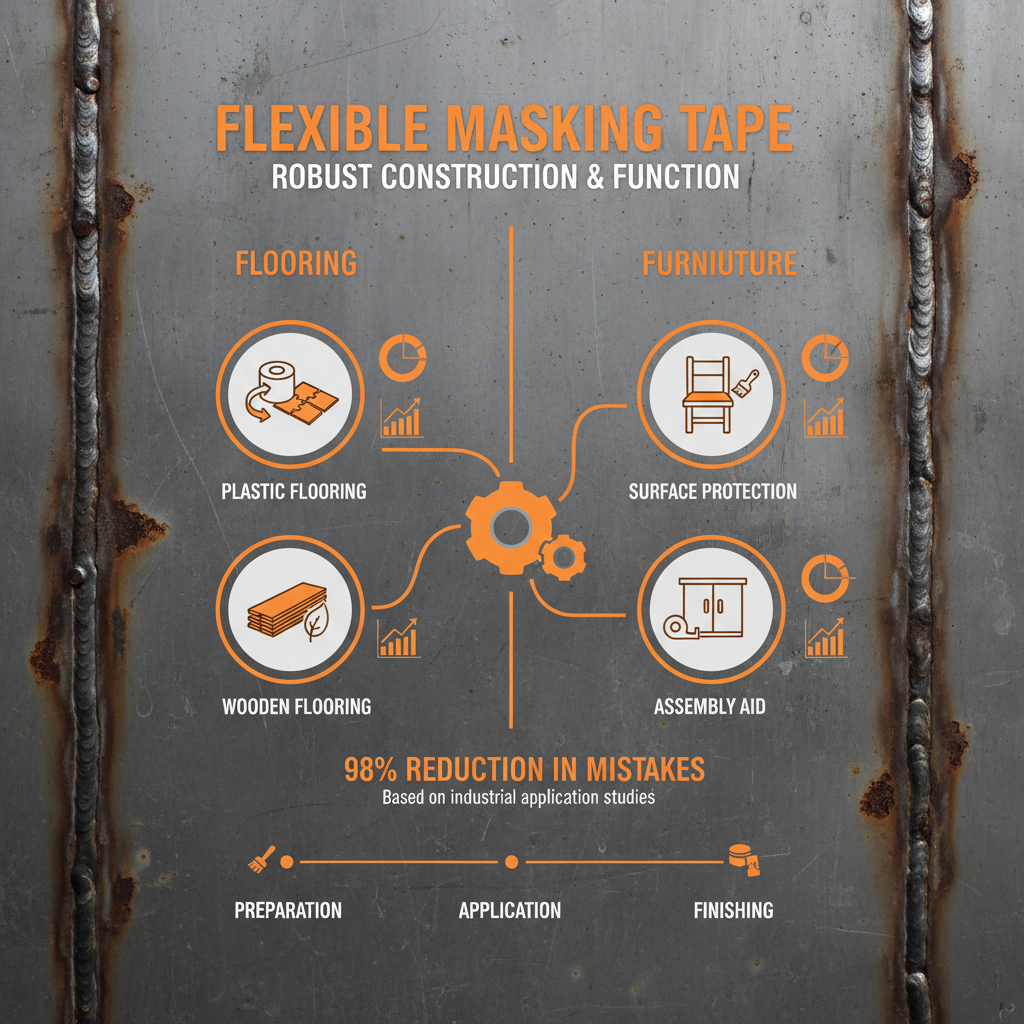
You see flexible masking tape everywhere. In painting, of course, but also in automotive refinishing, powder coating, sandblasting, and even electronics manufacturing. I’ve used it to protect delicate surfaces during concrete polishing, to create sharp lines for decorative finishes, and to hold parts in place during welding.
It's used extensively in the aerospace industry for masking during composite material layups and painting. They need tape that can withstand high temperatures and resist chemical exposure. In the marine industry, it’s used to protect gel coat finishes during bottom painting and repairs. The list goes on and on.
The Long-Term Value Proposition
Investing in quality flexible masking tape isn’t about saving a few bucks upfront; it’s about reducing overall project costs. Less rework, faster completion times, and fewer client complaints all translate to increased profitability. It’s also about building a reputation for quality and reliability.
And there’s a sustainability aspect, too. Reducing waste from failed masking applications contributes to a more environmentally friendly operation. Plus, a happy crew is a productive crew. When you provide them with the right tools, they can do their jobs more efficiently and with greater satisfaction.
Future Trends in Masking Technology
We’re seeing advancements in adhesive technologies, with more environmentally friendly options emerging. Biodegradable tapes are gaining traction, as are tapes with specialized coatings for specific applications. I’m also keeping an eye on smart masking solutions – tapes with integrated sensors that can monitor temperature or pressure.
There's a move towards more customized solutions, with manufacturers offering tapes tailored to specific substrates and processes. We might see more pre-cut or die-cut masking solutions to further streamline workflows. The future is all about efficiency, sustainability, and precision.
It’s a small part of the overall picture, but advancements in masking tape can have a significant impact on the construction and manufacturing industries.
Summary of Flexible Masking Tape Properties
| Application Area |
Tape Type Recommended |
Key Performance Indicator |
Expected Lifespan (Hours) |
| Automotive Painting |
High-Temperature Crepe Tape |
Clean Peel, Heat Resistance |
24 |
| Powder Coating |
Silicone-Based Masking Tape |
Chemical Resistance, Adhesion |
48 |
| General Painting (Interior) |
Standard Crepe Masking Tape |
Conformability, Residue Level |
8 |
| Sandblasting |
Heavy-Duty Rubberized Masking Tape |
Abrasion Resistance, Seal |
12 |
| Concrete Polishing |
UV-Resistant Masking Tape |
UV Stability, Adhesion |
72 |
| Electronics Manufacturing |
Static Dissipative Masking Tape |
Static Control, Clean Peel |
4 |
FAQS
Without a doubt, it's prioritizing price over performance. A cheap tape might seem like a good deal upfront, but the time and money wasted on rework and cleanup will quickly outweigh those savings. You need to consider the specific application, the substrate, and the environmental conditions.
Choosing a tape with a low-tack adhesive is key. Also, remove the tape at a 45-degree angle, rather than pulling it straight up. If residue does remain, a mild solvent like mineral spirits or a specialized adhesive remover can usually do the trick. Test in an inconspicuous area first!
Yes, specifically high-temperature crepe paper tapes designed for powder coating and automotive refinishing. These tapes utilize silicone adhesives that maintain their adhesion even at elevated temperatures. Look for tapes rated for temperatures up to 400°F or higher.
Critically important. The crepe paper backing provides the flexibility and conformability needed to follow contours and edges. A higher-quality backing will resist tearing and provide a cleaner edge. Look for tapes with a uniform crepe pattern and a consistent thickness.
Generally, painter’s tape is designed for lighter-duty applications – protecting surfaces during painting. Masking tape, especially the more robust flexible varieties, is used for heavier-duty tasks like sandblasting, powder coating, and automotive refinishing. The adhesives and backings are formulated differently to suit these various needs.
It’s generally not recommended. Once the adhesive loses its tack, it won't provide a reliable seal. Reusing tape can lead to bleed-through, uneven lines, and wasted time. It's best to use fresh tape for each application to ensure a professional finish.
Conclusion
From my years on the ground, I can tell you that flexible masking tape is a cornerstone of any successful project. It’s not about flashy tools or cutting-edge technology; it’s about the small details that make a big difference. Selecting the right tape, understanding its properties, and applying it correctly can save you time, money, and headaches.
Don’t underestimate the power of a quality masking solution. It’s an investment in efficiency, quality, and ultimately, your reputation. For reliable masking solutions and a wide selection of products, visit our website: www.enliofloor.com.