
Choosing the Best Flooring for Your Residential Space and Lifestyle
Choosing the Right Flooring for Residential Spaces
Selecting the perfect flooring for your home is a significant decision. It impacts not only the aesthetics but also the comfort, functionality, and value of your living space. With a vast array of options available, from hardwood to laminate, vinyl to tile, understanding the pros and cons of each material is crucial. This article will guide you through the key considerations when choosing residential flooring, helping you make an informed decision that suits your lifestyle and budget. We’ll explore popular options, discuss installation costs, and highlight factors like durability and maintenance.
Understanding Your Needs: Lifestyle and Budget
Before diving into specific flooring types, assess your lifestyle and budget. Do you have pets or young children? High-traffic areas require durable, scratch-resistant flooring. Are you renovating a single room or the entire house? This will influence the overall cost. Your budget will dictate whether you can afford premium materials like hardwood or need to explore more affordable options like laminate or vinyl. Consider your long-term plans: are you looking to increase your home’s value, or are you focused on immediate practicality? A clear understanding of your needs will narrow down your choices considerably. Visiting Enlio Floor can provide inspiration and help you visualize potential options.
Key Considerations: Lifestyle, budget, traffic levels, maintenance preferences, aesthetic goals, and potential for increasing home value.
Popular Flooring Residential Options: A Detailed Look
Let's explore some of the most popular flooring options for homes. Each material offers unique advantages and disadvantages in terms of cost, durability, aesthetics, and maintenance. Hardwood flooring is a classic choice, known for its beauty and longevity. Laminate flooring provides a more affordable alternative, mimicking the look of hardwood with enhanced durability. Vinyl flooring, available in both sheet and tile formats, is waterproof and highly versatile. Tile flooring, including ceramic and porcelain, is excellent for bathrooms and kitchens due to its water resistance and ease of cleaning. Finally, carpet adds warmth and comfort, but requires regular cleaning and maintenance.
Flooring Option Benefits:
• Hardwood: Timeless beauty, durability, increases home value.
• Laminate: Affordability, durability, easy installation.
• Vinyl: Waterproof, versatile, low maintenance.
• Tile: Water resistance, durability, easy cleaning.
Comparing Flooring Costs and Durability
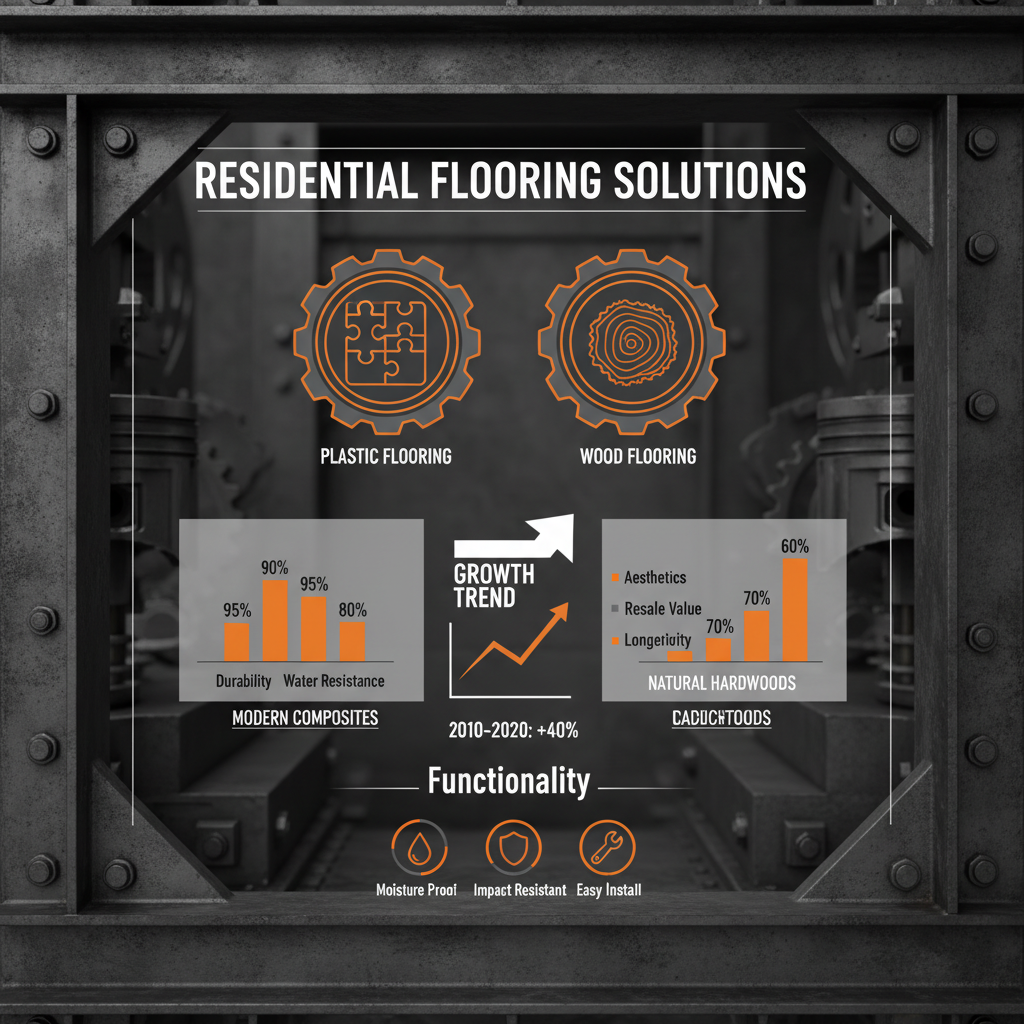
Costs vary significantly depending on the material, quality, and installation complexity. Durability is measured by factors like scratch resistance, water resistance, and overall lifespan. Here’s a comparison table to help you visualize the differences:
Factors Influencing Installation Costs
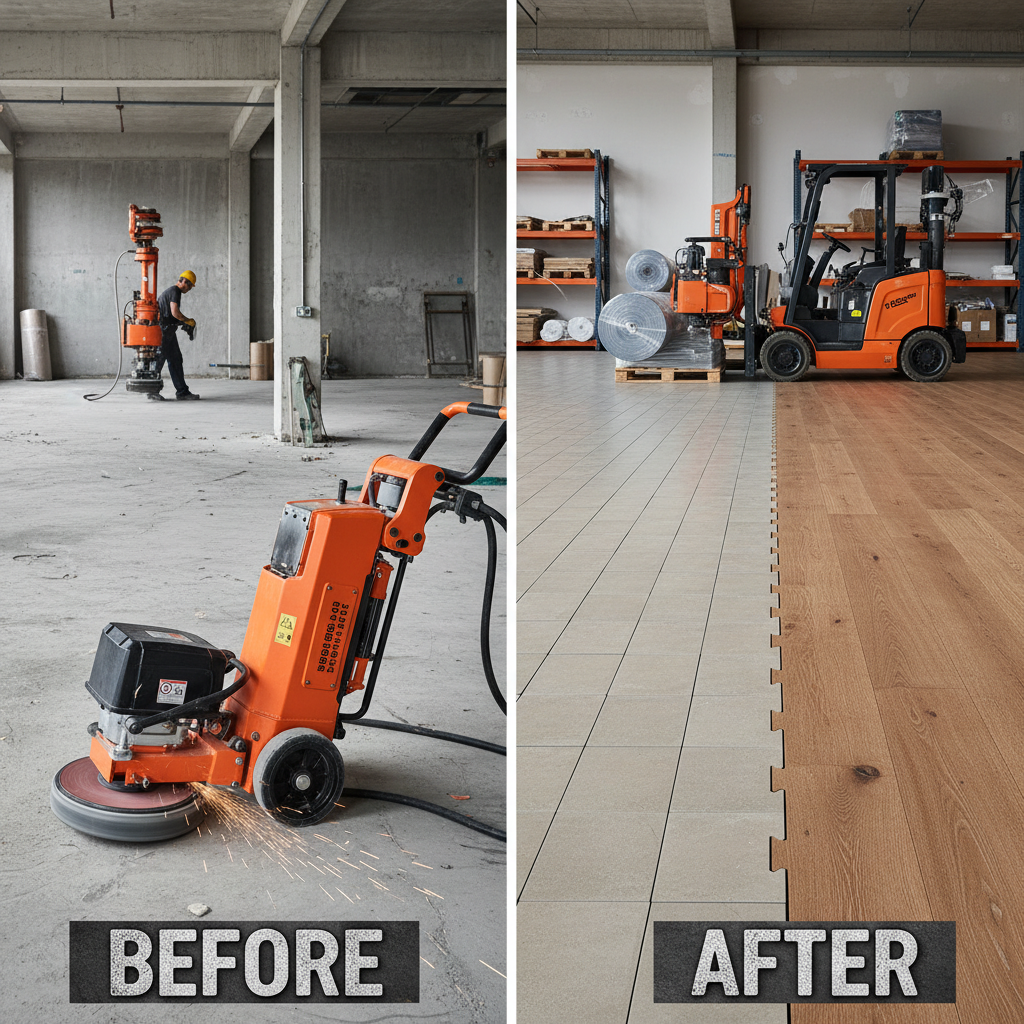
Installation costs can vary based on several factors, including the type of flooring, subfloor condition, room size, and labor rates in your area. Complex installations, such as intricate tile patterns or hardwood installations with specific finishes, will naturally cost more. Preparing the subfloor is crucial; any unevenness or damage must be addressed before installation to ensure a smooth and durable finish. It's advisable to obtain multiple quotes from qualified installers to compare prices and services. Enlio Floor provides expert guidance and can connect you with trusted installers.
Maintenance and Long-Term Care
Proper maintenance is essential to prolong the life of your flooring. Hardwood requires regular sweeping and occasional refinishing. Laminate is easy to clean with a damp mop. Vinyl is highly resistant to stains and scratches, making it a low-maintenance option. Tile is durable and easy to clean, but grout lines may require periodic sealing. Carpet requires regular vacuuming and professional cleaning to prevent dirt and allergens from building up. Following the manufacturer’s cleaning instructions is crucial to avoid damaging the flooring material.
Conclusion: Making the Right Choice for Your Home
Choosing the right residential flooring is an investment in your home’s comfort, aesthetics, and value. By carefully considering your lifestyle, budget, and maintenance preferences, you can select a flooring solution that meets your needs and enhances your living space. Explore the options available at Enlio Floor to find the perfect flooring for your dream home.
Frequently Asked Questions (FAQs)
What is the best flooring option for a basement?
Basements are prone to moisture, so waterproof flooring is essential. Luxury vinyl plank (LVP) or tile are excellent choices. They resist water damage, mold growth, and are relatively comfortable underfoot. Avoid hardwood or laminate in basements unless a proper moisture barrier is installed. Ensure the subfloor is adequately sealed to prevent moisture from seeping through. Consider raised flooring systems to create an air gap between the flooring and the concrete subfloor for added protection.
How often should hardwood floors be refinished?
The frequency of refinishing depends on wear and tear. Generally, hardwood floors should be refinished every 5-10 years, but this can vary based on foot traffic and maintenance. Signs that your floors need refinishing include deep scratches, dullness, and visible wear on the finish. Refinishing involves sanding down the existing finish and applying a new coat, restoring the wood’s beauty and protecting it from further damage.
Is laminate flooring a good choice for high-traffic areas?
Yes, laminate flooring is a durable and cost-effective option for high-traffic areas. It’s resistant to scratches, stains, and fading. However, it’s not waterproof, so spills should be cleaned up promptly to prevent water damage. Look for laminate flooring with a higher AC (Abrasion Class) rating for increased durability and resistance to wear and tear.
-
Ultimate Guide to Durable and Modern spc flooring greyApr.16,2026
-
Installing SPC Flooring on Concrete Professional Installation GuideApr.09,2026
-
Comprehensive Guide to Durable SPC Flooring for Commercial ApplicationsApr.07,2026
-
SPC Flooring Click Installation Benefits and Comprehensive GuideApr.04,2026
-
Comprehensive Guide to SPC Flooring Durability Style and InstallationMar.31,2026
-
Exploring the Diverse Types of SPC Flooring for Your Next ProjectMar.28,2026