
Transforming Learning Spaces with Durable Classroom Wall Coverings
Transforming Learning Spaces: A Guide to Classroom Wall Coverings
Creating a positive and stimulating learning environment is paramount for student success. Often overlooked, classroom wall coverings play a significant role in achieving this. They’re not just about aesthetics; they impact acoustics, durability, safety, and the overall atmosphere of the classroom. This article explores the benefits of classroom wall coverings, the different types available, and how to choose the best option for your educational space. Investing in high-quality wall coverings can significantly enhance the learning experience for students and teachers alike.

The Benefits of Using Classroom Wall Coverings
Beyond simply improving the look of a classroom, wall coverings offer a multitude of practical advantages. They can help reduce noise levels, creating a more focused learning environment. Durable wall coverings protect walls from scuffs, scratches, and damage, extending their lifespan and reducing maintenance costs. Certain materials even contribute to improved indoor air quality. Furthermore, visually appealing wall coverings can enhance student creativity and engagement, transforming the classroom into an inspiring space. Selecting the right materials can also improve the safety of the classroom, with fire-resistant options readily available. Ultimately, effective classroom wall coverings are an investment in the wellbeing of students and staff.
Key Benefits: Reduced noise, enhanced durability, improved aesthetics, increased safety, and a more engaging learning environment.
Exploring Different Types of Classroom Wall Coverings
The market offers a diverse range of classroom wall coverings, each with unique characteristics and benefits. Vinyl wall coverings are known for their durability, washability, and affordability. Fabric wall coverings provide a softer, more aesthetically pleasing look and can improve acoustics. Cork wall coverings are a sustainable option that offers excellent sound absorption and thermal insulation. And finally, specialized wall panels, often made from recycled materials, offer design flexibility and enhanced performance. Choosing the right material depends on budget, aesthetic preferences, and the specific needs of the learning space.
Common Wall Covering Materials:
• Vinyl: Durable, washable, and cost-effective.
• Fabric: Soft, aesthetically pleasing, and improves acoustics.
• Cork: Sustainable, sound-absorbing, and thermally insulating.
• Wall Panels: Design flexibility and enhanced performance.
Classroom Wall Coverings: A Comparison
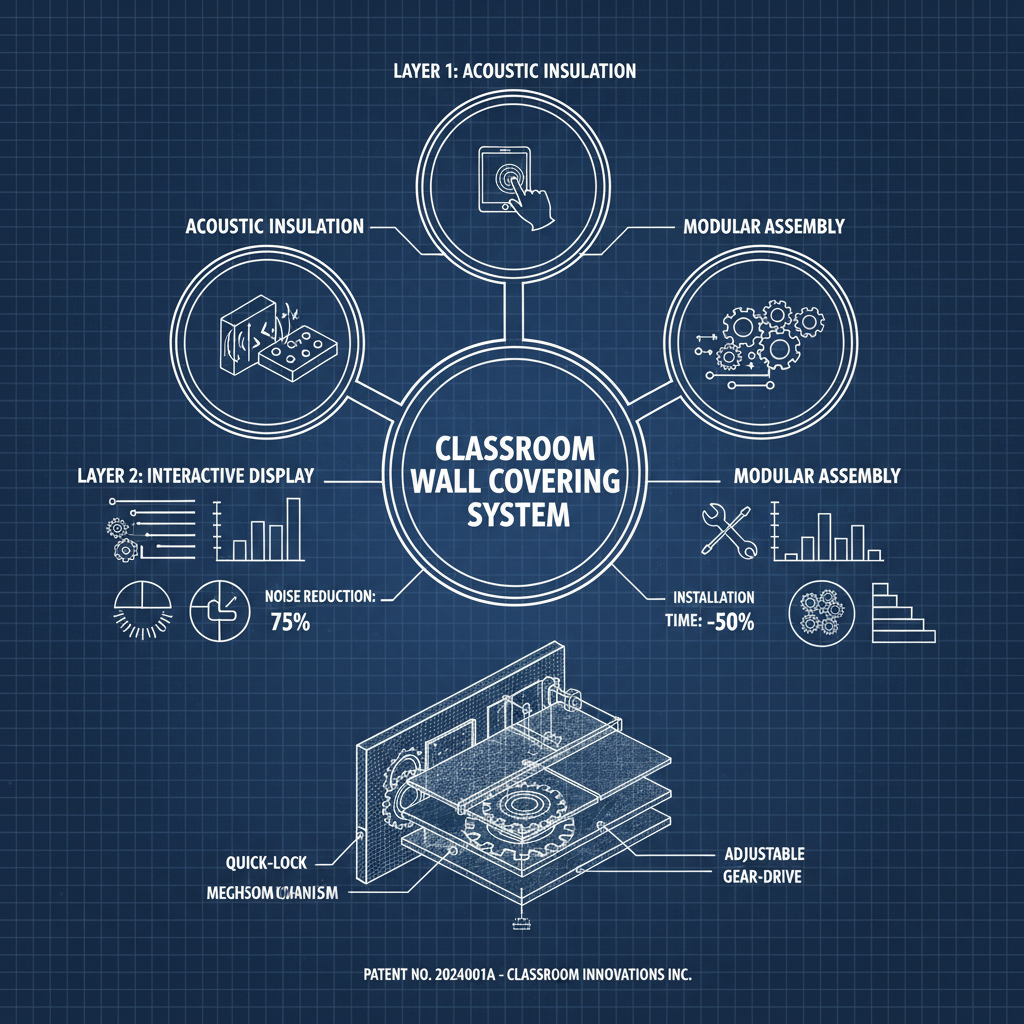
Selecting the ideal wall covering requires careful consideration of the pros and cons of each material. A comparative analysis can help determine the best fit for your classroom’s specific needs. Factors such as cost, durability, acoustic properties, maintenance requirements, and aesthetic appeal all play a crucial role in the decision-making process. Consider the age of the students, the types of activities that take place in the classroom, and the overall desired atmosphere. Using a comparison chart can streamline this process, providing a clear overview of the key features of each option.
Factors to Consider When Choosing Classroom Wall Coverings
Several key factors influence the selection of the most appropriate classroom wall coverings. Budget is often a primary concern, but it's important to balance cost with long-term durability and maintenance expenses. The age and grade level of the students should also be considered; younger students may require more durable and easily cleanable surfaces. Acoustic performance is crucial in reducing distractions and creating a more focused learning environment. Finally, consider the overall aesthetic of the classroom and choose a wall covering that complements the school’s branding and fosters a positive learning atmosphere.
Conclusion: Creating Optimal Learning Environments
Invest in the Future: Choosing the Right Wall Coverings
Selecting the right classroom wall coverings is a crucial investment in creating an optimal learning environment. By carefully considering the factors discussed in this article – durability, acoustics, aesthetics, and budget – you can transform your classrooms into inspiring and productive spaces for students and teachers alike. Don’t underestimate the power of walls to impact learning!
Frequently Asked Questions (FAQs)
How often should classroom wall coverings be replaced?
The lifespan of classroom wall coverings varies depending on the material and level of use. Generally, vinyl and wall panels can last 10-15 years with proper care. Fabric coverings may need replacing every 5-7 years due to wear and tear, while cork coverings typically last 8-10 years. Regular inspections for damage, staining, or fading are essential to determine when replacement is necessary. Consider replacing wall coverings during school breaks to minimize disruption to learning.
Are classroom wall coverings easy to clean and maintain?
Yes, most classroom wall coverings are designed to be easy to clean and maintain. Vinyl coverings are particularly easy to wipe down with a damp cloth and mild detergent. Fabric coverings may require occasional professional cleaning. Cork coverings can be cleaned with a soft brush and mild soap. Wall panels often have a protective coating that makes them resistant to stains and scratches. Regular cleaning helps to prolong the lifespan of the wall coverings and maintain a hygienic learning environment.
Do wall coverings contribute to better acoustics in classrooms?
Yes, certain wall coverings can significantly improve acoustics in classrooms. Fabric and cork coverings are particularly effective at absorbing sound, reducing echo and reverberation. This creates a quieter and more focused learning environment, making it easier for students to hear the teacher and participate in class discussions. Wall panels are also available with acoustic properties, offering a combination of aesthetic appeal and sound control.
What are the fire safety considerations when choosing classroom wall coverings?
Fire safety is a critical consideration when selecting classroom wall coverings. Ensure that the chosen materials meet local fire safety codes and regulations. Look for wall coverings that are classified as fire-resistant or flame-retardant. These materials are designed to slow the spread of fire and minimize the release of toxic fumes. Always prioritize safety when making your selection, and consult with a fire safety professional if you have any concerns.
-
Ultimate Guide to Durable and Modern spc flooring greyApr.16,2026
-
Installing SPC Flooring on Concrete Professional Installation GuideApr.09,2026
-
Comprehensive Guide to Durable SPC Flooring for Commercial ApplicationsApr.07,2026
-
SPC Flooring Click Installation Benefits and Comprehensive GuideApr.04,2026
-
Comprehensive Guide to SPC Flooring Durability Style and InstallationMar.31,2026
-
Exploring the Diverse Types of SPC Flooring for Your Next ProjectMar.28,2026