
Investing in Timeless Beauty with Residential Hardwood Flooring
Choosing the Right Residential Hardwood Flooring
Investing in residential hardwood flooring is a significant decision that adds timeless beauty, value, and warmth to your home. With a multitude of options available, understanding the different types, benefits, and installation processes is crucial. This guide will provide a comprehensive overview of residential hardwood flooring, helping you make an informed choice for your home. From classic oak to exotic species, we’ll explore the advantages of each, along with considerations for maintenance and longevity. Selecting the right flooring will enhance your home's aesthetic and provide lasting enjoyment.
Understanding Different Types of Hardwood Flooring
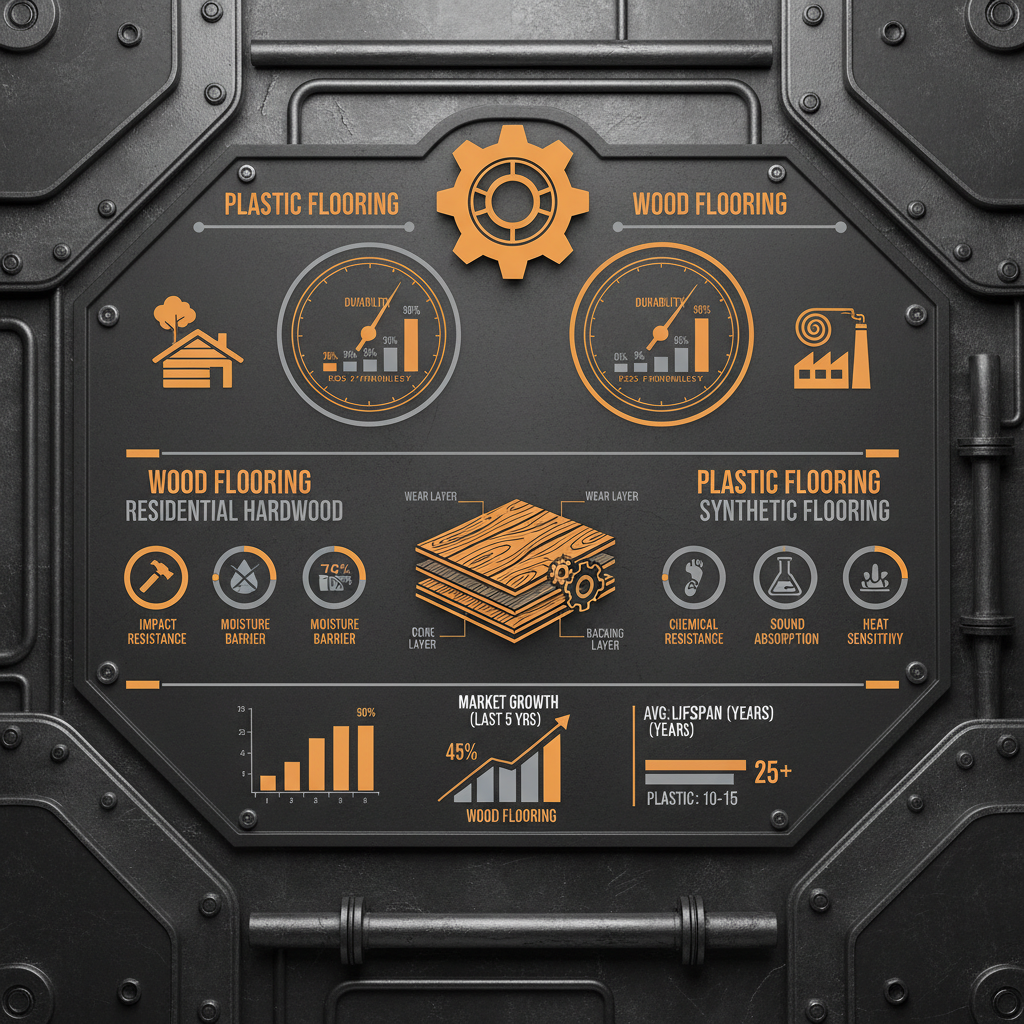
Hardwood flooring isn't a one-size-fits-all solution. There are several types, each with its own characteristics and benefits. Solid hardwood is made from a single piece of wood, offering durability and the ability to be refinished multiple times. Engineered hardwood, on the other hand, consists of a veneer of real wood bonded to a plywood or fiberboard core. This construction makes it more resistant to moisture and temperature fluctuations, making it suitable for basements and radiant heating systems. Other options include reclaimed wood, which offers a unique, rustic aesthetic, and bamboo, a sustainable and eco-friendly choice.
Key Considerations: The best type of hardwood flooring for your home depends on your budget, lifestyle, and the specific needs of each room. Consider factors like moisture levels, foot traffic, and desired aesthetic.
Benefits of Choosing Residential Hardwood Flooring
The appeal of hardwood flooring extends beyond its aesthetic beauty. It’s a long-lasting investment that can significantly increase your home’s value. Hardwood floors are known for their durability, lasting for decades with proper care. They also offer excellent air quality, as they don’t trap dust and allergens like carpets. Furthermore, hardwood is easy to clean and maintain, and its classic style complements a wide range of interior designs. A well-maintained hardwood floor can be refinished multiple times, extending its lifespan and allowing you to update the finish as your style evolves.
Hardwood Flooring Advantages:
• Increased Home Value
• Long-lasting Durability
• Improved Air Quality
• Easy Maintenance
Comparing Popular Hardwood Species
Different wood species offer varying levels of hardness, grain patterns, and color variations. Oak, a classic choice, is known for its durability and affordability. Maple offers a smooth, light-colored surface and is ideal for modern interiors. Hickory is one of the hardest domestic hardwoods, perfect for high-traffic areas. Cherry features a rich, reddish hue that deepens with age, adding warmth and character to any room. Choosing the right species depends on your aesthetic preferences and the level of wear and tear the floor will endure.
Installation Methods for Residential Hardwood Flooring
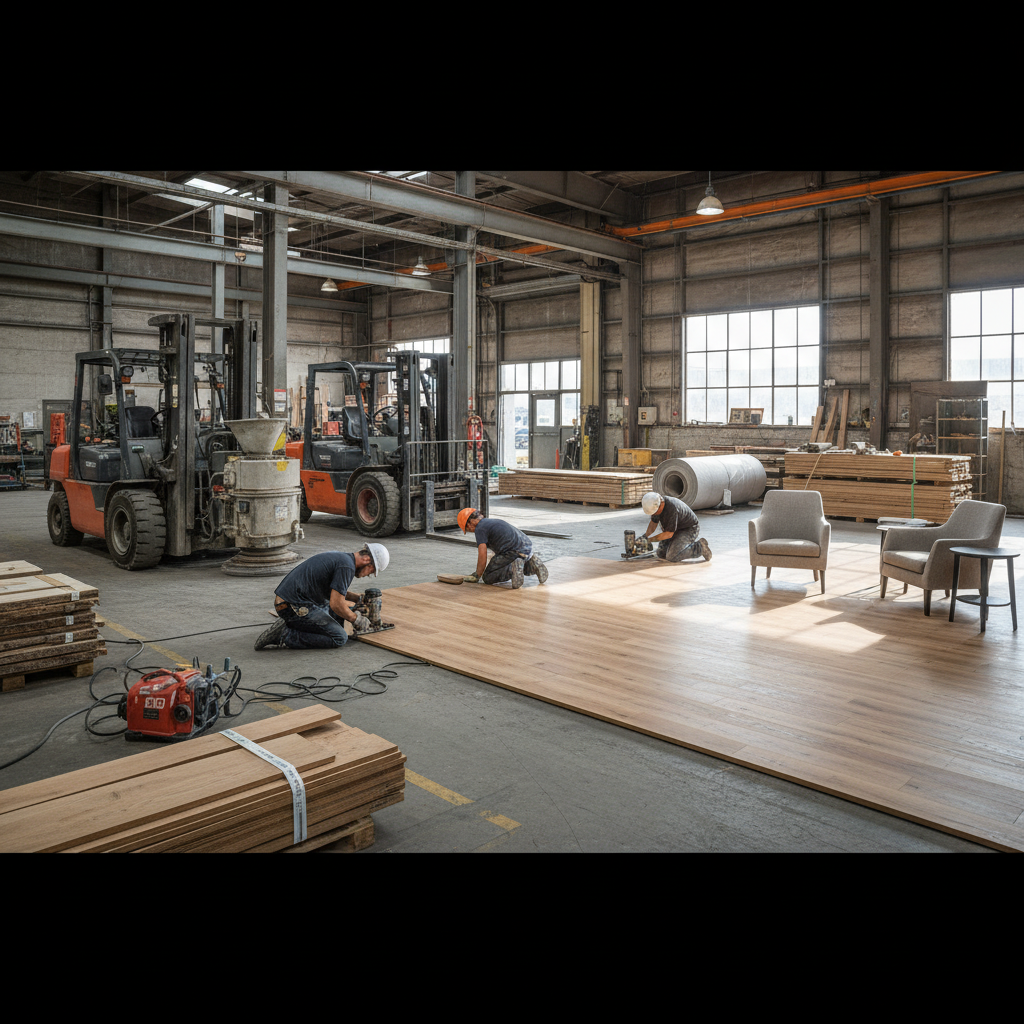
There are several methods for installing residential hardwood flooring, each with its own advantages and disadvantages. Nail-down installation is the traditional method, providing a secure and durable bond. Staple-down installation is similar to nail-down, using staples instead of nails. Glue-down installation is often used for engineered hardwood, providing a strong and stable bond. Floating installation is a popular DIY option, where planks are interconnected and "float" over the subfloor. Professional installation is recommended for the best results and to ensure your warranty remains valid.
Maintaining Your Hardwood Floors for Years to Come
Proper maintenance is essential for preserving the beauty and longevity of your hardwood floors. Regular sweeping or vacuuming will remove dirt and debris. Use a wood cleaner specifically designed for hardwood floors to avoid damaging the finish. Avoid excessive moisture, and clean up spills immediately. Consider using area rugs in high-traffic areas to protect the flooring. Periodic refinishing can restore the original luster and protect the wood from wear and tear. Regular care will ensure your investment continues to enhance your home for years to come.
Conclusion: A Timeless Investment in Your Home
Investing in residential hardwood flooring is a decision that adds lasting beauty, value, and comfort to your home. By carefully considering the different types, species, and installation methods, you can choose the perfect flooring solution for your needs and style. With proper maintenance, your hardwood floors will provide years of enjoyment. Explore the wide range of options available at Enlio Flooring and transform your living space today.
Frequently Asked Questions (FAQs)
What is the best hardwood flooring for pets and children?
For homes with pets and children, durability and scratch resistance are key considerations. Hickory and maple are excellent choices due to their hardness. Engineered hardwood with a durable finish is also a good option, as it’s less prone to warping or damage from spills. Consider a matte or textured finish to help conceal scratches. Regularly trimming your pet’s nails and using area rugs in high-traffic areas can also help protect your floors.
How do I know if my subfloor is suitable for hardwood installation?
A properly prepared subfloor is crucial for a successful hardwood installation. The subfloor should be level, clean, and dry. Any imperfections, such as unevenness or moisture, should be addressed before installation. A moisture test should be conducted to ensure the subfloor’s moisture content is within acceptable limits. It’s best to have a professional assess your subfloor to ensure it meets the requirements for hardwood flooring.
Can hardwood flooring be installed in basements?
While solid hardwood isn’t typically recommended for basements due to moisture concerns, engineered hardwood is a viable option. Engineered hardwood’s construction makes it more resistant to moisture and temperature fluctuations. However, it’s essential to ensure the basement is properly waterproofed and has a vapor barrier installed before installing any type of flooring. Always check the manufacturer's recommendations regarding basement installations.
How often should I refinish my hardwood floors?
The frequency of refinishing depends on the amount of foot traffic and wear and tear. Generally, hardwood floors should be refinished every 5-10 years. Signs that your floors need refinishing include deep scratches, dullness, and significant wear on the finish. Refinishing removes the top layer of wood, restoring the original luster and protecting the wood from further damage.
-
Ultimate Guide to Durable and Modern spc flooring greyApr.16,2026
-
Installing SPC Flooring on Concrete Professional Installation GuideApr.09,2026
-
Comprehensive Guide to Durable SPC Flooring for Commercial ApplicationsApr.07,2026
-
SPC Flooring Click Installation Benefits and Comprehensive GuideApr.04,2026
-
Comprehensive Guide to SPC Flooring Durability Style and InstallationMar.31,2026
-
Exploring the Diverse Types of SPC Flooring for Your Next ProjectMar.28,2026