
Comprehensive Guide to Choosing the Best Residential Wood Flooring Options
Residential Wood Flooring: A Comprehensive Guide
Choosing the right flooring for your home is a significant decision, impacting both aesthetics and functionality. Residential wood flooring offers a timeless appeal and numerous benefits, from enhancing home value to providing a warm and inviting atmosphere. This article provides a detailed exploration of residential wood flooring, covering types, benefits, installation, and maintenance, to help you make an informed choice. Understanding the nuances of different wood flooring options is crucial for selecting a product that suits your lifestyle and budget.
Types of Residential Wood Flooring
Residential wood flooring primarily falls into three categories: solid wood, engineered wood, and laminate. Solid wood flooring is made from a single piece of timber, offering durability and the ability to be refinished multiple times. Engineered wood flooring consists of a core of plywood or fiberboard topped with a layer of real wood veneer. This construction makes it more dimensionally stable and suitable for areas with fluctuating humidity levels. Laminate flooring, while resembling wood, is a synthetic product made from compressed wood byproducts and covered with a photographic layer. While more affordable, laminate lacks the authentic feel and refinishing capabilities of genuine wood.
Key Takeaway: Engineered wood provides a balance between the beauty of solid wood and the stability needed for various environments.
Benefits of Choosing Wood Flooring
Wood flooring offers a wealth of advantages. It's known for its longevity, often lasting for decades with proper care. Beyond durability, wood flooring enhances home value and provides a beautiful, natural aesthetic. It's also relatively easy to clean and maintain, and can be a healthier choice for indoor air quality compared to some synthetic alternatives. Additionally, wood flooring is a sustainable resource, particularly when sourced from responsibly managed forests. Investing in quality wood flooring adds a touch of sophistication and warmth to any home.
Wood Flooring Advantages:
• Increased home value
• Durability and longevity
• Aesthetic appeal
• Improved indoor air quality
Understanding Wood Species for Residential Flooring
The type of wood species significantly impacts the flooring's appearance, durability, and cost. Popular choices include oak, maple, hickory, and walnut. Oak is a classic and versatile option, known for its hardness and affordability. Maple offers a lighter color and smooth grain, making it suitable for contemporary designs. Hickory is one of the hardest domestic hardwoods, offering exceptional durability, while walnut provides a rich, dark tone and elegant appearance. Selecting the right species depends on your aesthetic preferences and the level of foot traffic in the area.
Installation and Maintenance of Wood Floors
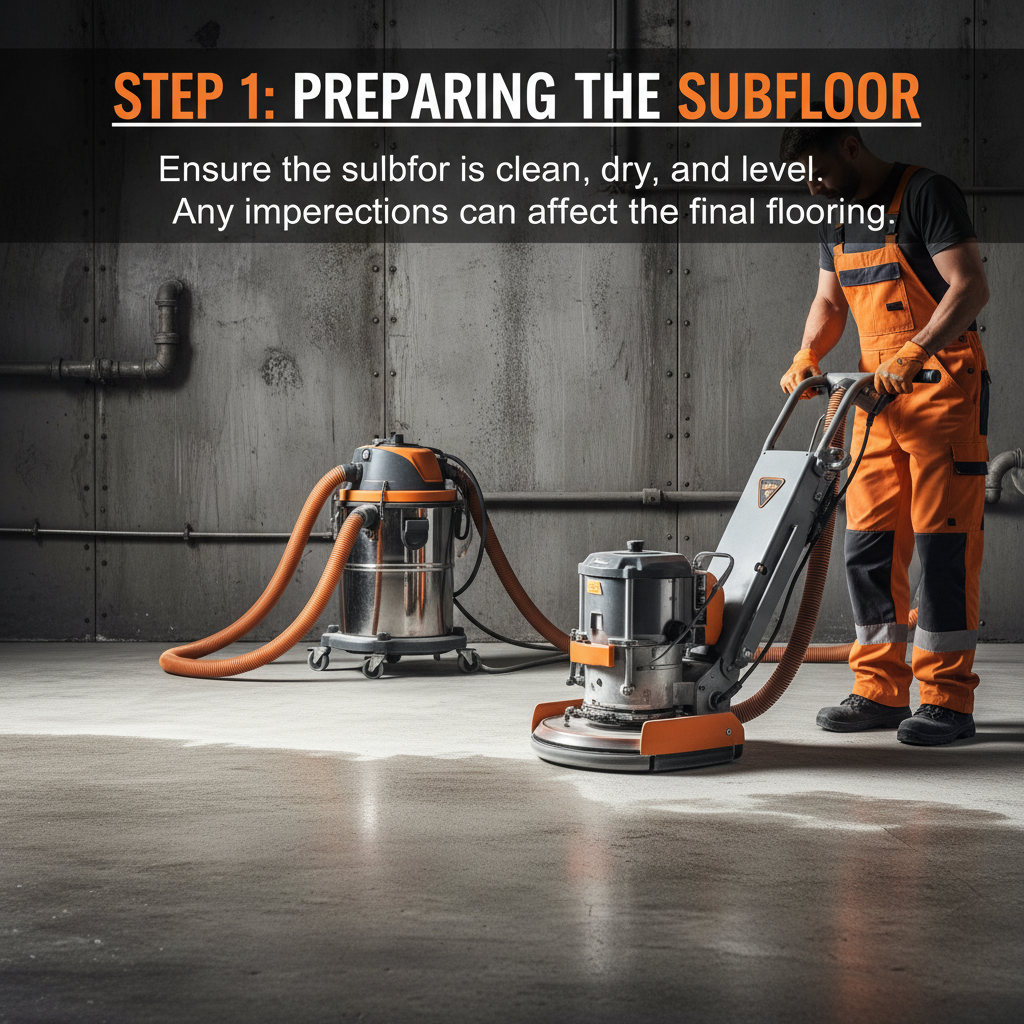
Proper installation is crucial for the longevity of your wood flooring. Professional installation is recommended, especially for solid wood flooring, to ensure proper acclimation and subfloor preparation. Maintenance involves regular sweeping or vacuuming to remove dirt and debris. Avoid excessive moisture, as it can damage the wood. Use wood-specific cleaning products and consider using area rugs in high-traffic areas to protect the finish. Periodic refinishing can restore the beauty of solid wood floors and extend their lifespan.
Selecting the Right Residential Wood Flooring for Your Needs
Choosing the best residential wood flooring involves considering factors like budget, lifestyle, and aesthetic preferences. If you have pets or children, a harder wood species like hickory or oak is a good choice. For areas prone to moisture, engineered wood flooring offers greater stability. Consider the overall style of your home when selecting a color and finish. At Enlio Floor, we offer a wide range of high-quality residential wood flooring options to suit every taste and budget.
Conclusion: Investing in Quality and Beauty
Residential wood flooring is a timeless investment that adds value, beauty, and warmth to any home. By carefully considering the different types, species, and maintenance requirements, you can choose a flooring solution that will provide years of enjoyment. Explore the diverse selection at Enlio Floor to find the perfect wood flooring for your project.
Frequently Asked Questions (FAQs)
What is the best wood flooring for high-traffic areas?
For high-traffic areas like living rooms and hallways, hardwood species with high Janka ratings are recommended. Oak (especially red oak), hickory, and maple are excellent choices due to their durability and resistance to dents and scratches. Consider a matte finish, as it can help conceal wear and tear. Engineered wood with a thick wear layer can also be a good option, providing similar durability with added dimensional stability. Regular maintenance, including the use of area rugs and felt pads under furniture, will further protect the flooring.
Can wood flooring be installed in basements?
Installing wood flooring in basements requires careful consideration due to potential moisture issues. Solid wood flooring is generally not recommended in basements due to its susceptibility to moisture damage. Engineered wood flooring with a high-quality moisture barrier is a more suitable option. It's crucial to ensure the basement is properly waterproofed and has a functioning vapor barrier installed beneath the subfloor. Regular monitoring of humidity levels is also recommended to prevent warping or buckling.
How do I clean wood floors?
Regular cleaning is essential for maintaining the beauty of wood floors. Sweep or vacuum frequently to remove dust and debris. For deeper cleaning, use a wood-specific cleaning solution diluted in water. Avoid excessive moisture, and always wring out the mop thoroughly before applying it to the floor. Never use abrasive cleaners or scouring pads, as they can damage the finish. Consider using a microfiber mop for effective and gentle cleaning.
How often should wood floors be refinished?
The frequency of refinishing depends on the type of finish and the amount of foot traffic. Polyurethane finishes typically last 10-20 years, while wax finishes require more frequent maintenance. Signs that it's time to refinish include deep scratches, dullness, and significant wear and tear. Refinishing involves sanding the existing finish and applying a new coat, restoring the beauty and protecting the wood. Solid wood flooring can be refinished multiple times, extending its lifespan considerably.
-
Ultimate Guide to Durable and Modern spc flooring greyApr.16,2026
-
Installing SPC Flooring on Concrete Professional Installation GuideApr.09,2026
-
Comprehensive Guide to Durable SPC Flooring for Commercial ApplicationsApr.07,2026
-
SPC Flooring Click Installation Benefits and Comprehensive GuideApr.04,2026
-
Comprehensive Guide to SPC Flooring Durability Style and InstallationMar.31,2026
-
Exploring the Diverse Types of SPC Flooring for Your Next ProjectMar.28,2026