
Exploring the Diverse Types of SPC Flooring for Your Next Project
Types of SPC Flooring: A Comprehensive Guide
SPC (Stone Polymer Composite) flooring has rapidly gained popularity as a durable, waterproof, and aesthetically pleasing flooring option. Understanding the different types of SPC flooring available is crucial for selecting the right product for your specific needs. This article will delve into the various options, their features, and ideal applications, helping you make an informed decision. From traditional click-lock to glue-down varieties, we’ll cover everything you need to know about SPC flooring.
Understanding SPC Flooring Construction
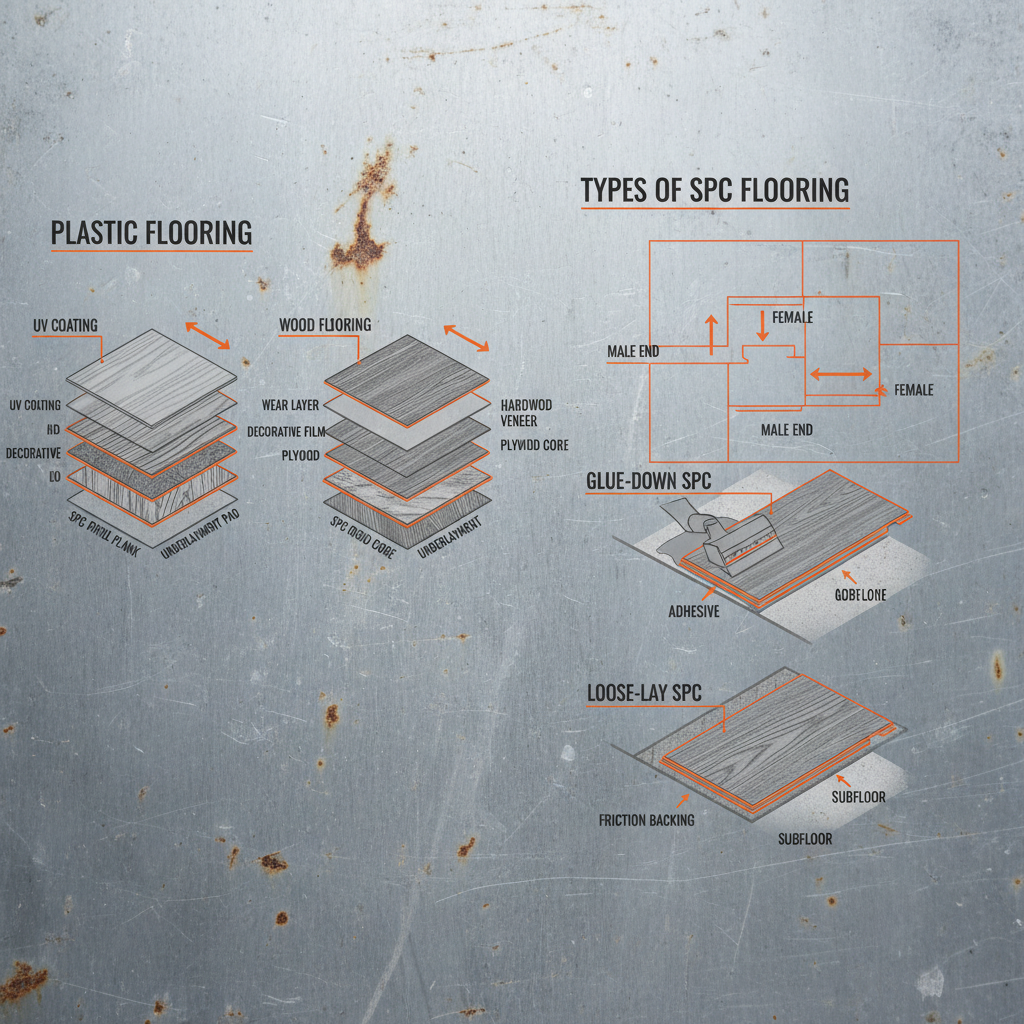
Before diving into the types, it's important to understand the core construction of SPC flooring. It consists of several layers: a wear layer, a printed film layer (which provides the visual design), a waterproof SPC core, and an underlayment. The core is primarily composed of calcium carbonate, polyvinyl chloride (PVC), and stabilizers. This composition gives SPC flooring its exceptional rigidity, water resistance, and dimensional stability. The thickness of each layer, and the overall flooring thickness, varies depending on the quality and intended use of the product. Investing in a high-quality SPC flooring option ensures long-lasting performance and aesthetic appeal.
Key Takeaway: SPC flooring’s core composition provides exceptional rigidity, water resistance, and dimensional stability, making it an ideal choice for various applications.
Click-Lock SPC Flooring
Click-lock SPC flooring is the most common and arguably the easiest type to install. It features a tongue-and-groove or similar interlocking system that allows the planks to simply click together without the need for glue. This makes it a popular choice for DIY projects. Click-lock SPC flooring is generally available in varying thicknesses and wear layers. Its ease of installation and relatively low cost contribute to its widespread appeal. However, it's crucial to ensure the subfloor is perfectly level for a seamless installation.
Click-Lock SPC Benefits:
• Easy DIY Installation
• No Glue Required
• Cost-Effective
• Relatively Quick Installation Time
Glue-Down SPC Flooring
Glue-down SPC flooring, as the name suggests, requires adhesive to be applied to the subfloor before the planks are laid. This method provides a more secure and stable installation, especially in areas prone to moisture or heavy traffic. Glue-down SPC flooring often offers a thinner profile than click-lock options and can be a good choice for renovations where minimizing floor height is important. However, installation is more complex and typically requires professional expertise. The quality of the adhesive used is crucial for long-term performance.
Rigid Core SPC vs. Flexible SPC
SPC flooring is commonly categorized into rigid core and flexible core types. Rigid core SPC features a denser, more robust core, providing superior stability and resistance to indentation. This makes it ideal for high-traffic areas and commercial applications. Flexible SPC, on the other hand, has a more pliable core. While it’s still waterproof and durable, it’s more susceptible to indentation and is often best suited for residential settings with lower foot traffic. Enliofloor offers both rigid and flexible SPC options to meet diverse needs.
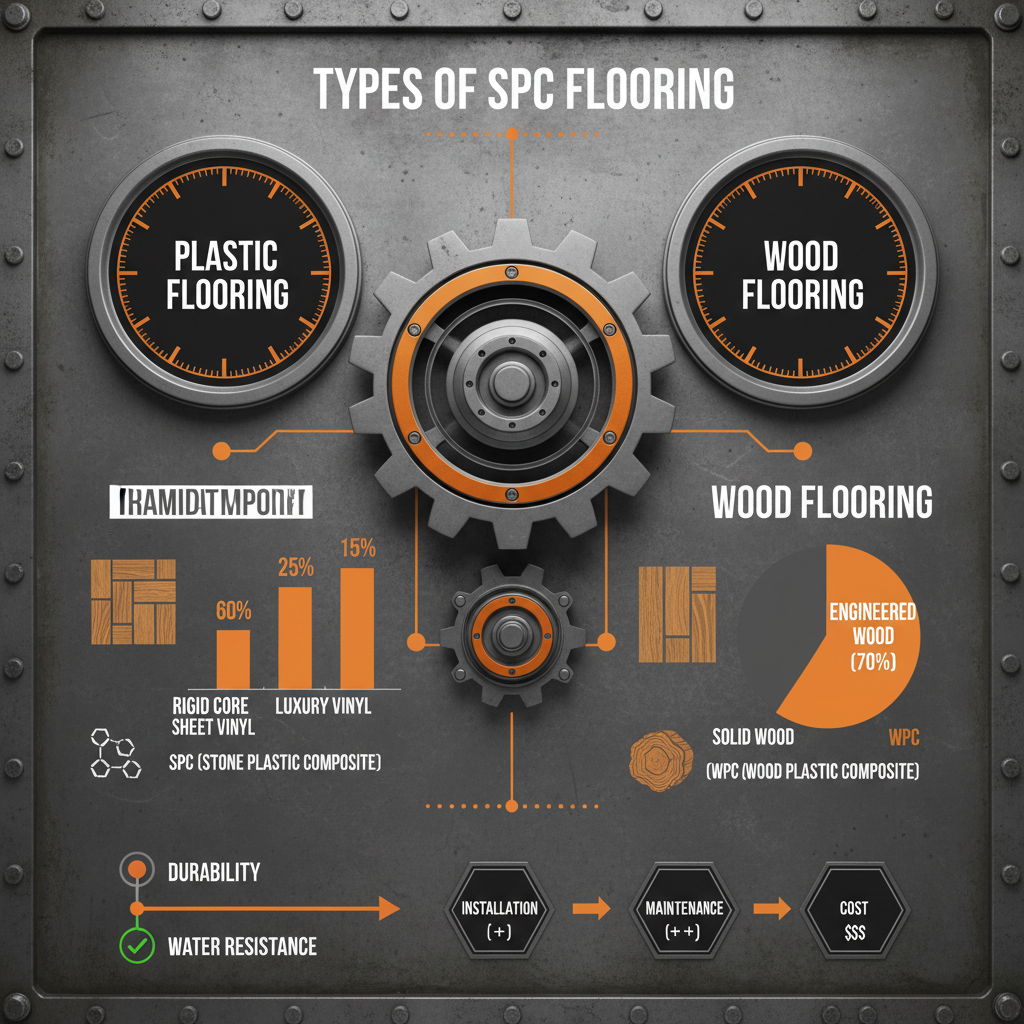
WPC vs. SPC Flooring: What's the Difference?
It’s easy to confuse WPC (Wood Plastic Composite) and SPC flooring. While both are waterproof and vinyl-based, they differ in their core composition. WPC utilizes a foamed core, making it softer and more comfortable underfoot. However, it’s less dense and more prone to indentation than SPC. SPC, as discussed, features a solid, stone-based core, offering greater stability and durability. SPC is generally the preferred choice for areas requiring high performance and resistance to wear and tear.
Conclusion: Choosing the Right SPC Flooring
Selecting the appropriate SPC flooring depends on your specific needs and priorities. Consider factors like installation experience, subfloor conditions, foot traffic, and budget. Understanding the different types – click-lock, glue-down, rigid core, and flexible core – will empower you to make a well-informed decision and enjoy the benefits of this versatile flooring solution.
Frequently Asked Questions (FAQs)
Is SPC flooring waterproof?
Yes, SPC flooring is 100% waterproof. Its core composition and tight construction prevent water from penetrating the flooring, making it an excellent choice for kitchens, bathrooms, and basements. However, it’s important to note that while the flooring itself is waterproof, the seams may not be if not properly installed. Always follow the manufacturer’s installation guidelines to ensure a watertight seal.
Can SPC flooring be installed over tile?
Yes, SPC flooring can typically be installed over tile, but proper preparation is essential. The tile surface must be clean, level, and free of any loose grout or debris. It's often recommended to use a self-leveling underlayment to create a smooth surface. It’s important to check the manufacturer's recommendations, as some may have specific requirements for tile substrate preparation.
How does SPC flooring hold up to scratches and dents?
SPC flooring is highly resistant to scratches and dents, particularly rigid core options. The durable wear layer protects against everyday wear and tear. While not completely impervious, it’s significantly more scratch and dent resistant than traditional vinyl or laminate flooring. Using furniture pads and avoiding dropping heavy objects will further protect the flooring's surface.
What is the typical wear layer thickness for SPC flooring?
Wear layer thickness typically ranges from 6 mil to 20 mil. A thicker wear layer provides greater durability and is recommended for high-traffic areas and commercial applications. For residential use, a 12 mil wear layer is generally sufficient. The wear layer’s quality also plays a significant role; a higher-quality wear layer will offer better protection even at a lower mil thickness. Enliofloor offers SPC options with varying wear layer thicknesses to suit different needs.
-
Ultimate Guide to Durable and Modern spc flooring greyApr.16,2026
-
Installing SPC Flooring on Concrete Professional Installation GuideApr.09,2026
-
Comprehensive Guide to Durable SPC Flooring for Commercial ApplicationsApr.07,2026
-
SPC Flooring Click Installation Benefits and Comprehensive GuideApr.04,2026
-
Comprehensive Guide to SPC Flooring Durability Style and InstallationMar.31,2026